Why Don’t Dogs Attack Humans: The Real Reasons
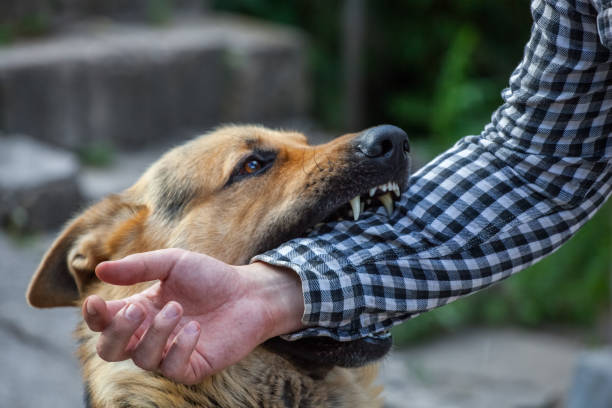
Dogs do not usually attack humans because most dogs are social animals that rely on communication, trust, and learned behavior—not random aggression. In the United States, where millions of families live with dogs as pets, service animals, and working animals, most dogs are bred, raised, and trained to coexist with people. When attacks do happen, they are usually tied to fear, pain, resource guarding, poor socialization, stress, or a breakdown in human-dog communication.
Why most dogs do not attack humans
Most dogs do not attack humans because aggression is usually a last-resort behavior, not a default setting. A healthy, well-socialized dog typically prefers to avoid conflict, read body language, and retreat before biting.
That pattern comes from both biology and learning. Dogs evolved alongside people, and many generations of breeding favored animals that could live near humans without constant conflict. On top of that, most pet dogs in the U.S. learn early that people bring food, play, routine, and safety.
Dogs also communicate long before they bite. They may look away, stiffen, growl, lick their lips, move away, or show the whites of their eyes. Those signals are warnings, not “bad attitude.” When people miss them, a dog may feel forced to escalate.
A dog’s first choice is usually not to fight
A dog that feels uncomfortable usually tries to create distance first. It may step back, hide, freeze, or signal unease. Biting is generally the last step after earlier signals do not work.
This matters because many people assume a growl means a dog is “being dominant” or “acting mean.” In reality, a growl often means, “Please stop.” If the warning is ignored, the dog may think biting is the only option left.
Socialization lowers the chance of aggressive behavior
Dogs that are exposed in a calm, positive way to people, sounds, places, and handling during development are less likely to react with fear later. Good socialization does not mean forcing a dog into every situation. It means helping the dog learn that normal human life is safe.
This is one reason puppies raised in stable homes tend to be easier around people. They learn that hands, voices, children, leashes, grooming, and visitors are not threats.
Breed alone does not explain whether a dog will attack
Breed can influence size, strength, and some behavioral tendencies, but it does not tell you whether a specific dog will be safe with people. Individual temperament, training, environment, health, and handling matter far more than breed label alone.
A well-managed large dog may be far safer than a neglected small dog that has learned to snap when scared. The key question is not “What breed is it?” but “How is this dog living, learning, and being handled?”
The main reasons dogs bite or attack people
Dogs usually bite because something in the moment feels threatening, painful, confusing, or hard to control. Understanding the trigger helps explain why attacks are uncommon and often preventable.
Fear is one of the biggest causes
A scared dog may bite if it feels trapped. Fear can come from loud noises, rough handling, strangers reaching too fast, past abuse, or being cornered.
Fear-based bites often happen when the person does not notice the dog’s warning signs. The dog may freeze, lean away, show tension, or pull back before it snaps.
Pain can make even gentle dogs defensive
A dog in pain may react if touched, lifted, or moved. Arthritis, ear infections, dental pain, and injury can all lower tolerance.
This is one reason a suddenly “grumpy” dog should be checked by a veterinarian. A medical issue may be behind a behavior change.
Resource guarding can trigger aggression
Some dogs guard food, toys, beds, or people. This is called resource guarding. It is a real behavior problem, not a sign that the dog is “bad.”
The dog may growl, stiffen, or snap when someone approaches a valued item. Children are especially at risk because they may not understand the warning.
Stress and overstimulation can push a dog past its limit
Dogs can become overloaded by noise, crowding, excitement, or too much handling. A dog that seems “fine” may be close to a threshold and then react suddenly.
This is common at dog parks, busy events, or in homes with a lot of unsupervised chaos. Stress does not always look dramatic until the dog has already crossed into defensive behavior.
Why attacks on humans are relatively rare
Dog attacks are relatively rare because most dogs spend their lives in structured human environments. They eat on schedules, live indoors or in fenced spaces, and interact with familiar people far more often than with strangers.
Most dogs also depend on humans. They need food, shelter, care, and guidance. That dependency encourages routine and reduces the kind of constant survival pressure that drives wild animals into defensive aggression.
There is also a strong selection effect. Humans have long preferred dogs that could live and work around people. Over time, that preference shaped dogs that are better at reading human signals than many other animals.
How humans reduce the chance of being bitten
People lower the risk of being bitten by respecting dog communication and avoiding situations that feel threatening to the dog. Many bites are preventable with simple behavior changes.
Practical safety habits around dogs
- Ask before petting a dog, even if it looks friendly.
- Let the dog approach first.
- Avoid hugging, crowding, or staring directly into the dog’s face.
- Do not disturb a dog eating, sleeping, nursing puppies, or chewing a high-value item.
- Teach children to stay calm and still around unfamiliar dogs.
- Back away if a dog freezes, growls, stiffens, or hides.
- Supervise all child-dog interactions.
These habits are especially important because many bites happen during ordinary moments, not dramatic ones.
What dog warning signs can look like
Dogs often give warning signs before biting. Common signs include:
- stiff body posture
- lip licking
- yawning when not tired
- tucked tail
- flattened ears
- growling
- showing teeth
- whale eye, where the whites of the eyes show
- backing away or hiding
If you see several of these signs together, give the dog space immediately.
Exceptions: when a dog may attack without much warning
Some dogs may seem to attack “out of nowhere,” but there is often an underlying reason that was missed. Pain, fear, prior trauma, or a medical problem can reduce warning behavior.
Puppies may also bite during play, but that is not the same as an adult attack. Play biting is common in young dogs and should be redirected early. If the behavior is intense, frequent, or worsening, professional help is a good idea.
A dog that suddenly changes behavior deserves attention from a veterinarian first. If medical causes are ruled out, a qualified trainer or veterinary behaviorist can help.
What to do if you think a dog might bite
If a dog seems tense or unsafe, the safest move is to reduce pressure and create distance. Do not punish the dog in the moment. Punishment can make fear and aggression worse.
The safest next steps
- Stop moving toward the dog.
- Turn your body slightly sideways.
- Avoid eye contact.
- Back away slowly.
- Put a barrier between you and the dog if possible.
- Do not run or scream unless you need to escape immediate danger.
If a dog has already bitten, get medical care right away if the skin is broken. Report serious incidents according to local rules, and contact animal control or the appropriate local authority if needed.
Common myths about why dogs attack humans
A few myths make dog behavior more dangerous because they hide the real warning signs.
Myth 1: “A wagging tail always means a dog is friendly”
A wagging tail can mean excitement, tension, or alertness. You need the whole body, not just the tail, to understand the dog’s state.
Myth 2: “Small dogs do not bite seriously”
Small dogs can bite too, and their bites can still break skin or injure the face, hands, or eyes. Size changes damage potential, not whether a dog can be aggressive.
Myth 3: “If a dog loves you, it will never bite”
Even familiar dogs can bite if they are frightened, hurt, or cornered. Trust helps, but it does not override pain or panic.
Myth 4: “Aggressive dogs are just bad dogs”
Aggression is usually a behavior with a cause. That cause may be fear, pain, poor learning, or stress. Labeling a dog as “bad” does not solve the problem.
Why understanding dog behavior matters
Understanding why dogs do not usually attack humans helps people stay safer around them. It also improves life for dogs, because many problem behaviors start when people misread signals and push too hard.
A dog is not a machine. It is a social animal with limits. When humans respect those limits, most dogs stay calm, cooperative, and safe.
FAQs
Do dogs instinctively know not to attack humans?
Not exactly. Dogs are more likely to avoid attacking because of social learning, breeding history, and daily experience with humans. They still can bite if they feel threatened or unwell.
Are certain dogs more likely to attack people?
Individual history matters more than breed alone. Poor socialization, pain, fear, neglect, and rough handling can increase risk in any dog.
Why do some dogs growl but never bite?
Growling is often a warning that works. If people respect it and back off, the dog may never need to escalate.
Can a friendly dog suddenly attack?
Yes, but there is usually an underlying cause such as pain, fear, or a stressful situation. Sudden behavior changes should be taken seriously.
What is the biggest reason dogs bite humans?
Fear is one of the most common reasons. Pain and resource guarding are also major causes.
Conclusion
Dogs usually do not attack humans because they are social animals that rely on communication, trust, and learned behavior. Most prefer avoidance over conflict, and many bites happen only when fear, pain, stress, or warning signs are missed. The safest approach is simple: respect dog body language, give dogs space, and take sudden behavior changes seriously.