Why Is My Dog So Friendly: Causes And Traits
If your dog is unusually friendly, the most common reason is simple: your dog is social by nature and has learned that people are safe, rewarding, and worth greeting. In the United States, many dogs become extra affectionate or outgoing because of early socialization, breed tendencies, daily reinforcement, and a stable home environment. In most cases, a very friendly dog is normal, healthy behavior.
What “friendly” dog behavior usually means
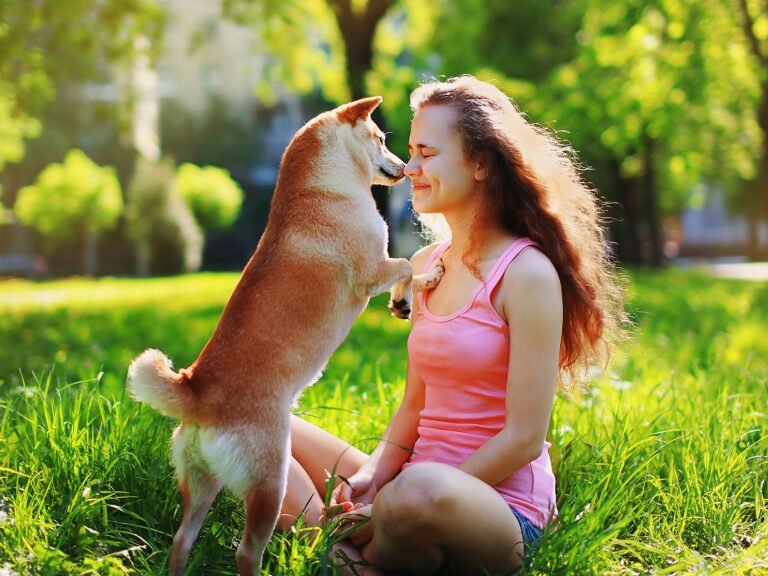
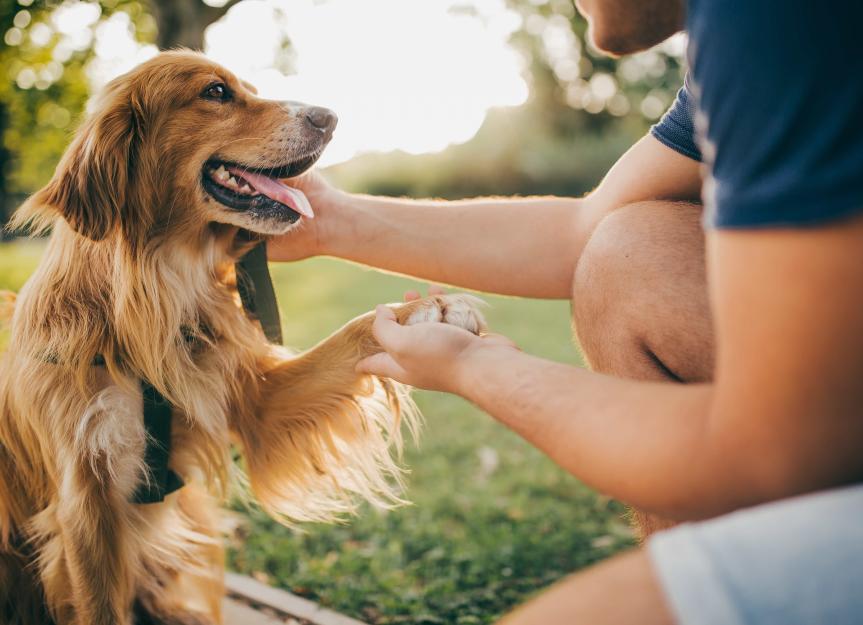
A friendly dog is one that seeks positive contact with people or other animals without obvious fear or aggression. That can look like tail wagging, loose body posture, leaning in, following people around, bringing toys, or greeting strangers with enthusiasm.
Friendliness is not one single trait. It can include:
- Affection-seeking behavior, such as cuddling or leaning
- Social greeting behavior, such as approaching people quickly
- Playful behavior, such as bowing, bouncing, or toy carrying
- Attention-seeking behavior, such as pawing or nudging
A dog can be friendly for different reasons. Some dogs are naturally social. Others have learned that people bring praise, treats, play, or comfort. The practical question is not just “Why is my dog friendly?” but also “Is this normal, safe, and balanced?”
Common reasons your dog is so friendly
1. Your dog’s genetics and breed tendencies play a role
Some dogs are bred to work closely with people, which often makes them more social and people-focused. Labrador Retrievers, Golden Retrievers, Cavalier King Charles Spaniels, and many mixed-breed dogs are often described as outgoing, but breed is only part of the picture.
Genetics can influence baseline sociability, but it does not decide behavior on its own. Two dogs of the same breed can act very differently. The home environment, training, and daily experiences shape how that natural tendency shows up.
2. Early socialization taught your dog that people are safe
Puppies that meet many calm, safe people, dogs, sounds, and places during their early development often grow into more confident adults. Good socialization helps a dog learn that humans are not a threat.
This does not mean the puppy must meet everyone. It means the puppy had enough positive, age-appropriate exposure to new experiences. A dog that was gently handled, rewarded for calm behavior, and introduced to everyday life in the U.S. may grow into an adult who greets people with ease.
3. Your dog has learned that friendliness gets rewarded
Dogs repeat behaviors that work. If your dog gets petting, attention, treats, smiles, or play every time they rush up to people, they may become more enthusiastic over time.
This is called reinforcement. The behavior is not “bad” if it is polite and safe. But if your dog jumps on guests because guests laugh and pet them, the dog learns that jumping pays off. In that case, the friendliness is being strengthened by accident.
4. Your dog’s personality is naturally outgoing
Just like people, dogs have individual temperaments. Some are reserved. Some are bold. Some are social butterflies.
A naturally friendly dog may:
- Approach new people quickly
- Recover fast after surprises
- Want constant closeness
- Show little hesitation in new places
That personality is often normal. The key is whether the dog can still settle, ignore distractions, and respond to cues when needed.
5. Your dog feels secure in your home
Dogs that feel safe are often more open and affectionate. A calm, predictable household can make a dog more relaxed around people.
Security matters. A stressed dog is often more guarded, while a secure dog is more curious and social. Good routines, clear boundaries, and consistent care can support that confidence.
6. Your dog wants interaction, not just affection
Sometimes a very friendly dog is really a very social dog. That dog may want movement, play, structure, and engagement, not only cuddles.
This matters because a dog that seems “too friendly” may actually be asking for more enrichment. If the dog is bored, they may seek attention from every person they see. More walks, training games, sniffing time, and toys can help balance that energy.
When friendliness is normal and when it may be a problem
Most friendly dog behavior is harmless. But context matters. A dog that loves people is usually fine if they can still listen, relax, and respect boundaries.
Normal signs of healthy friendliness
- Loose body and relaxed face
- Approaches people without panic
- Can stop greeting when redirected
- Recovers quickly after excitement
- Does not show growling, snapping, or stiff posture
Signs the friendliness may be too intense
- Jumping on everyone
- Mouthiness during greetings
- Ignoring cues when excited
- Pulling hard toward every person
- Becoming frantic when someone leaves
Signs the dog may not actually be “friendly”
Sometimes what looks like friendliness is overarousal or anxiety. Watch for:
- Stiff body
- Whale eye
- Tail high and rigid
- Panting when not hot
- Loud, frantic barking
- Inability to settle after greeting
A dog like this may need training, not just more social time. If the dog becomes difficult to handle, consult a qualified veterinarian or certified dog trainer, especially if the behavior is new or escalating.

Why some dogs are friendly with strangers right away
A dog that greets strangers immediately may be showing one of several patterns:
| Pattern | What it looks like | Likely reason |
|---|---|---|
| Social confidence | Calmly approaches new people | Good socialization, secure temperament |
| Excitement | Rushes in with jumping or spinning | High energy, reinforced greeting behavior |
| Attention seeking | Moves from person to person | Learned that people give rewards |
| Weak boundaries | Accepts attention from anyone | Limited training around greeting rules |
The most useful clue is body language. Calm, loose friendliness is usually a sign of comfort. Wild, pushy friendliness often needs management.
How to tell if your dog’s friendliness is healthy
A healthy friendly dog can enjoy people without losing self-control. That balance is the goal.
Use this quick check:
-
Can your dog calm down after greeting?
If yes, the behavior is usually manageable. -
Can your dog take a cue and move away?
If yes, the dog has good impulse control. -
Does your dog show fear or stress signs?
If no, the friendliness is more likely genuine confidence. -
Is the dog friendly with everyone, or only with certain people?
A selective pattern can suggest preference, not a general trait. -
Did the behavior start suddenly?
A sudden change deserves attention, especially if it comes with restlessness, clinginess, or health changes.
What to do if your dog is “too friendly”
If your dog greets everyone with too much enthusiasm, the goal is not to make them unfriendly. The goal is to teach calm, polite social behavior.
Practical steps
- Teach a reliable sit or place cue
- Reward calm greetings before excitement rises
- Ask guests not to reward jumping
- Use a leash or baby gate during arrivals
- Practice short greeting sessions
- Reinforce eye contact and settling
- Give your dog enough exercise and mental work
What not to do
- Do not punish friendliness harshly
- Do not let every excited greeting continue unchecked
- Do not assume the dog will “grow out of it” without practice
A friendly dog benefits from structure. Think of it like teaching manners to a very outgoing child: warmth is good, but boundaries make the behavior easier to live with.
When to call the vet
Contact a veterinarian if your dog’s friendliness changes suddenly or seems tied to other symptoms. A dog that becomes unusually clingy, restless, or disinhibited may be dealing with discomfort, anxiety, or a medical issue.
Seek veterinary advice if you also notice:
- Sudden behavior change
- Increased panting or pacing
- Trouble sleeping
- Appetite changes
- Confusion or disorientation
- New aggression mixed with friendliness
- Signs of pain
If the behavior is lifelong and stable, it is more likely a normal temperament. If it is new, severe, or paired with other changes, do not assume it is only personality.
Why your dog may be friendly with everyone except you sometimes
This can happen, and it does not always mean your dog prefers strangers. In some cases, the dog is simply more excited by novelty. In others, the dog has learned that guests always bring fun.
If your dog seems more animated with visitors than with household members, check the daily routine. Dogs often respond strongly to:
- New energy in the room
- Different voices and body language
- Less predictable behavior from guests
- More frequent rewards during visits
The fix is usually not jealousy. It is training, consistency, and clear rules for greetings.
FAQs
Is my dog friendly because I raised them well?
Often, yes. Good early socialization, calm handling, and consistent routines can all support friendly behavior. Genetics and temperament still matter, though.
Can a dog be too friendly?
Yes. If friendliness leads to jumping, pulling, or loss of control, it becomes a training issue. The dog may still be social, but they need better manners.
Does friendliness mean my dog trusts me?
It can be a sign of trust, but not always by itself. A trusting dog usually shows relaxed body language, settles easily, and feels safe in the home.
Why is my dog friendly to strangers but not other dogs?
Dogs often separate people from dog interactions. A dog may love human attention but be unsure, rude, or selective with other dogs.
Should I worry if my dog is friendly with everyone?
Usually no, as long as the behavior is calm, safe, and manageable. Worry more if the friendliness is sudden, frantic, or paired with other behavior changes.
Bottom line
If you are asking, “Why is my dog so friendly?” the most likely answer is that your dog is social, confident, and has learned that people are rewarding. In the U.S., this often comes from early socialization, positive reinforcement, breed tendencies, and a stable home life.
A friendly dog is usually a good thing. The main task is not to suppress it, but to shape it into calm, polite behavior. If the friendliness is sudden, extreme, or tied to other symptoms, check with a veterinarian.