Why Does My Dog Nibble Me: Reasons And Helpful Tips
Introduction
If your dog gently nibbles your hand, arm, or clothing, the cause is often harmless. In many American homes, dogs use their mouths to play, seek attention, explore smells, groom a family member, or ask for interaction. A soft nibble is not the same as a bite, but the meaning depends on your dog’s body language, age, health, and the situation.
Look at the full pattern, not the teeth alone. A loose body, soft eyes, relaxed tail, and gentle pressure usually point to friendly behavior. A stiff body, hard stare, growl, lip curl, or painful bite calls for a different response.

What Does It Mean When a Dog Nibbles You?
A dog may nibble you because the behavior gets attention, feels social, or helps the dog manage excitement. Gentle mouthing is common, but it is not always one single behavior.
The most likely causes include:
- Social grooming or affection
- Play and excitement
- Attention seeking
- Puppy teething
- Exploring with the mouth
- Herding or instinctive control
- Anxiety or overstimulation
- Pain or another health problem
- A learned habit that people have rewarded
Dogs cannot explain their goal with words. Their body language gives the best clues.
Gentle nibbling versus biting
Gentle nibbling usually has these signs:
- Light pressure
- Slow or brief mouth movements
- Relaxed facial muscles
- A loose body
- Play bows or a wagging tail
- Easy release when you move away
- No puncture, bruise, or sharp pain
A bite may involve fast movement, strong pressure, a stiff body, growling, snapping, or skin damage. Some dogs bite without growling, so the absence of a growl does not prove that an interaction is safe.
The American Veterinary Medical Association explains that dog behavior must be judged in context. Breed alone cannot predict whether an individual dog will bite. Early learning, health, socialization, environment, and the immediate situation all matter.
8 Common Reasons Dogs Nibble People
1. Your dog is grooming you
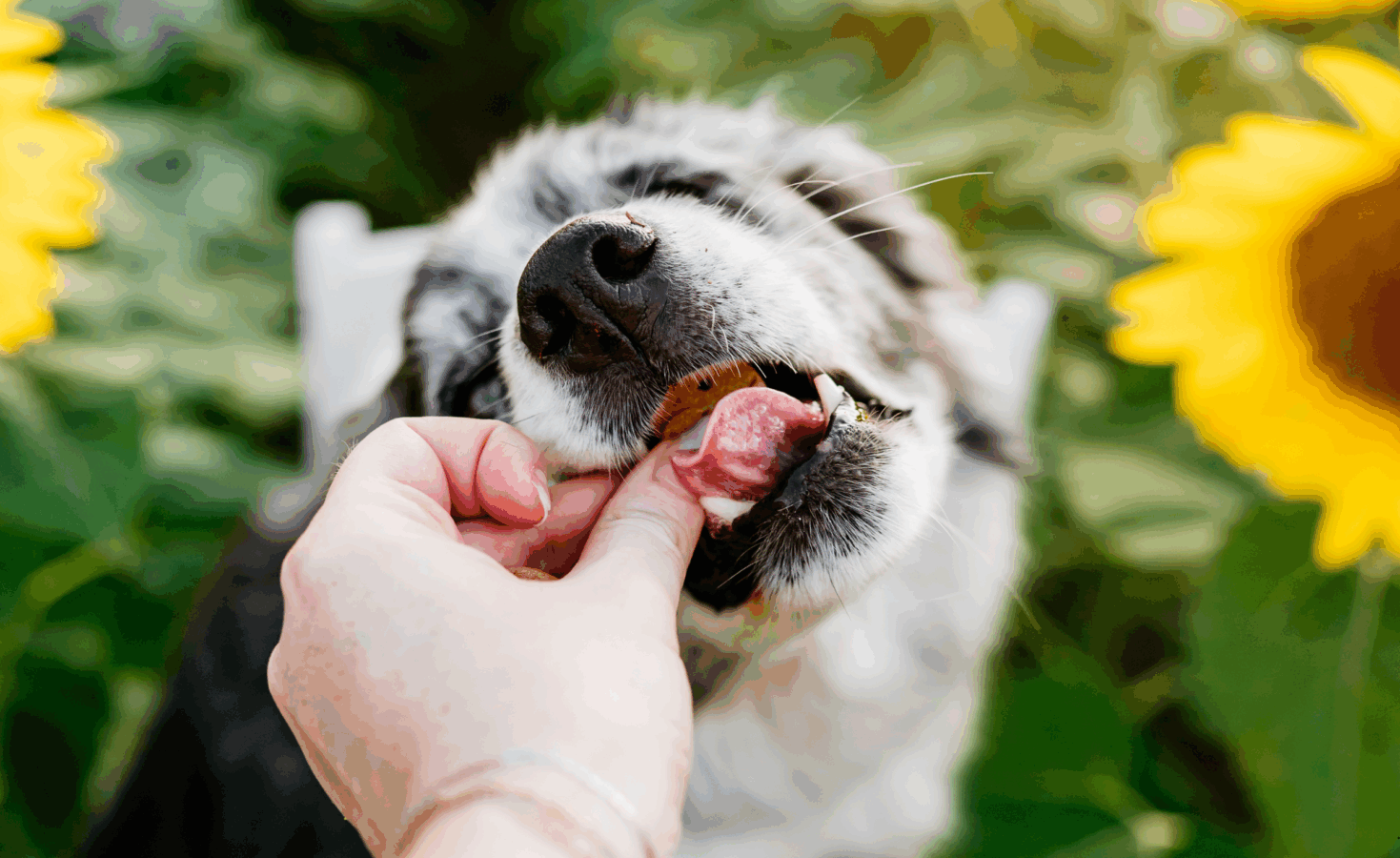
Dogs sometimes use small front teeth to pick at fur, skin, or loose material. This can resemble social grooming. A dog may groom another dog, a cat, or a person it trusts.
This behavior is more likely to be friendly when your dog looks calm and stops easily. It can become a problem if the nibbling is constant, painful, or directed at sensitive skin.
2. Your dog wants attention
If you look at, touch, speak to, or play with your dog after a nibble, your dog may learn that nibbling works. Even saying “no” can reward the behavior if your dog mainly wants engagement.
The habit can grow through a simple cycle:
- Your dog nibbles.
- You react.
- Your dog receives attention.
- Your dog tries again later.
This does not mean your dog is being spiteful. It means the behavior has produced a result.
3. Your dog is excited during play
Many dogs mouth hands, sleeves, or arms when play becomes intense. Puppies often have poor control over their mouths, but adult dogs may also nibble during tug, wrestling, greetings, or chase games.
Excitement can make a gentle behavior harder to control. Watch for a fast tail, jumping, barking, running, or repeated attempts to grab clothing. Your dog may need a pause rather than more play.
4. Your puppy is teething
Puppies explore with their mouths. Teething can also make chewing feel soothing. According to the American Kennel Club, puppy teeth begin to fall out as adult teeth emerge, usually during the first several months of life.
A teething puppy may nibble:
- Fingers
- Sleeves
- Shoes
- Furniture
- Blankets
- Other pets
Provide safe chew options and keep hands out of rough games. Do not give cooked bones, very hard objects, or items that can splinter or break into pieces. Ask your veterinarian which chews fit your puppy’s size and chewing style.
5. Your dog is herding or controlling movement
Some dogs nip or nibble at moving hands, ankles, pant legs, or heels. This behavior can appear in herding breeds, but any dog may learn to chase movement.
A dog that targets ankles as people walk past may be reacting to motion rather than showing affection. Stop the chase game, create space, and teach an alternate behavior such as sitting, touching your hand with the nose, or going to a mat.
6. Your dog is exploring a smell or taste
Dogs gather information through scent and taste. Sweat, food residue, lotion, and other smells may attract a dog to your skin.
This is often brief. It becomes more concerning if your dog repeatedly licks or nibbles one body area, especially when that area smells different because of a wound, infection, or medication. Prevent access to creams or topical products unless your veterinarian confirms they are safe if licked.
7. Your dog feels anxious or overstimulated
A dog may nibble during greetings, petting, crowded gatherings, or other high-energy events. The behavior can be a way to release tension or ask for space.
Look for stress signs such as:
- Lip licking
- Yawning outside normal tiredness
- Turning the head away
- Whale eye, with white showing around the eye
- Pacing
- Tucked tail
- Flattened ears
- Sudden scratching
- Freezing or becoming very still
A dog that nibbles while stressed needs less pressure, not more correction.
8. Your dog may be in pain or unwell
A new behavior deserves attention, especially in an adult or senior dog. Dental pain, skin problems, joint pain, nausea, vision loss, and neurological disease can change how a dog reacts to touch.
Arrange a veterinary visit if nibbling:
- Starts suddenly
- Focuses on one body area
- Happens when you touch a certain spot
- Comes with licking, scratching, or hair loss
- Appears with confusion or unusual irritability
- Escalates toward snapping or biting
A behavior problem can have a medical cause. Training cannot fix pain.
How to Read Your Dog’s Body Language
The safest way to understand dog nibbling is to compare the mouth behavior with the rest of the body.
| What you see | More likely meaning | Best first response |
|---|---|---|
| Loose body, soft eyes, light pressure | Social contact or play | Redirect to a toy |
| Wiggly body, jumping, fast movement | Excitement | Pause and lower energy |
| Nibbling during petting, then turning away | Overstimulation or discomfort | Stop touching and give space |
| Nibbling at ankles or clothing | Chase or herding behavior | Stop movement and cue another behavior |
| Stiff body, hard stare, growling | Warning or defensive behavior | Stop interaction and create distance |
| Sudden nibbling in a mature dog | Possible pain or illness | Contact a veterinarian |
| Skin-breaking bite | Bite incident, not harmless nibbling | Seek medical and behavior guidance |
A wagging tail does not always mean happiness. Dogs may wag when excited, worried, or conflicted. Tail height, speed, body tension, ears, eyes, and the setting provide better information together.
Never force a dog to continue an interaction to “test” whether it is friendly. A warning signal is useful information. Respect it.

How to Stop a Dog From Nibbling You
You can often reduce gentle nibbling by removing its reward and teaching a clear replacement behavior.
Step 1: Stop the interaction calmly
When teeth touch your skin, become still. Avoid jerking your hand away, yelling, or pushing your dog. Fast movement can turn the moment into a chase game.
Say a short cue such as “all done,” then remove your attention. If needed, stand up and turn away for a few seconds.
Step 2: Offer an appropriate alternative
Give your dog a toy, chew, or food puzzle that matches the situation. If your dog wants to play, use a toy that keeps hands away from the mouth.
Do not wave the toy wildly near your dog’s face. Present it calmly and praise your dog when the mouth moves to the toy.
Step 3: Reward calm behavior
When your dog stops nibbling, reward the behavior you want. You might offer a treat, quiet praise, or a short game.
Useful replacement behaviors include:
- Sitting for attention
- Touching your hand with the nose
- Carrying a toy
- Going to a mat
- Looking at you
- Keeping four paws on the floor
Reward the replacement before your dog becomes highly excited.
Step 4: Change the trigger
If nibbling happens during a certain event, adjust that event.
- During greetings: ask for a sit before petting.
- During play: use toys, not hands.
- During petting: use shorter strokes and pause often.
- During walks: carry treats and reward attention before your dog reaches ankles.
- During family activity: provide a quiet rest area.
Step 5: Keep the rule consistent
Everyone in the home should respond in the same way. If one person allows hand nibbling and another punishes it, your dog receives mixed information.
Children should not be responsible for correcting mouthy behavior. An adult should supervise and manage the interaction.
What not to do
Avoid:
- Hitting, scruff shaking, or holding the muzzle shut
- Shouting in the dog’s face
- Wrestling with hands
- Chasing the dog
- Punishing growling
- Forcing contact
- Taking food or toys by force
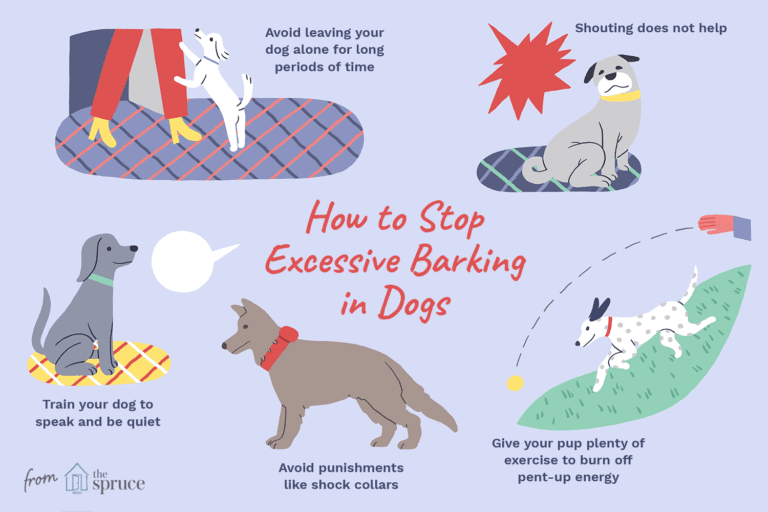
Punishment may increase fear and can remove warning signals without fixing the cause. The American Veterinary Society of Animal Behavior recommends reward-based training and advises against aversive methods.

How to Handle Puppy Nibbling
Puppy nibbling is common, but early habits still need guidance. Puppies do not automatically know how much pressure human skin can tolerate.
Use this routine:
- Keep a toy within reach.
- If teeth touch skin, stop moving your hands.
- Offer the toy.
- Praise chewing the toy.
- End the game if the puppy keeps targeting people.
- Give the puppy a nap or quiet break.
Overtired puppies often become more mouthy. A calm rest period may work better than another training session.
Do not punish a puppy for normal exploration. Instead, manage the environment. Use gates, remove unsafe items, and provide approved chew choices. Keep children’s hands and faces away from a puppy that is highly excited.
If an adult tooth fails to replace a baby tooth, ask your veterinarian to examine it. Retained baby teeth can cause crowding and other dental problems.
When Dog Nibbling Is a Safety Concern
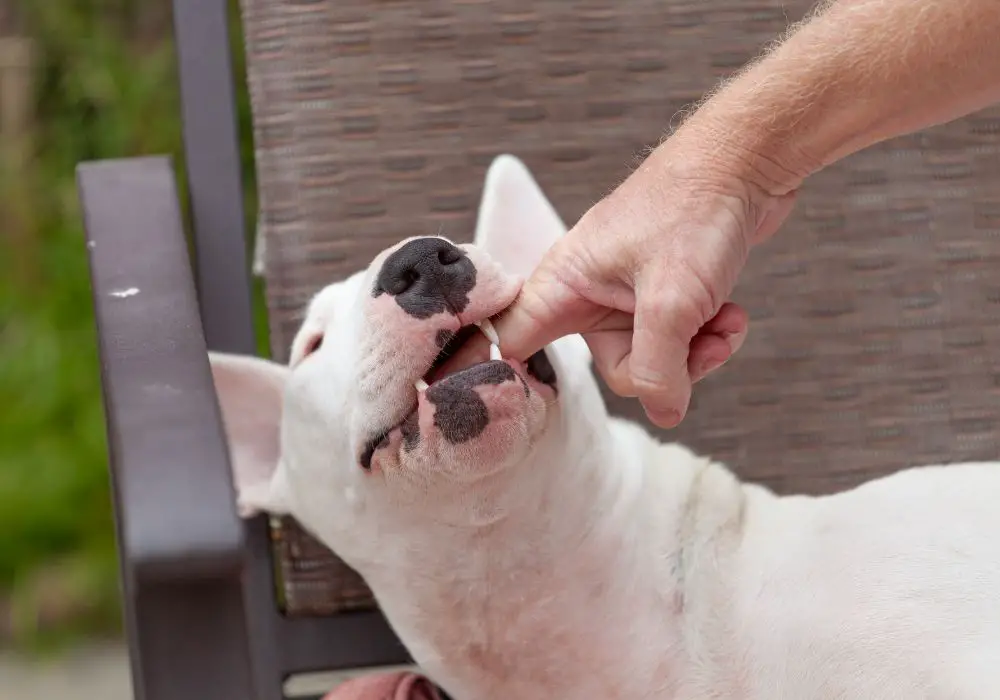
Contact a veterinarian or qualified behavior professional when nibbling is hard, frequent, sudden, or difficult to interrupt.
Seek prompt help if your dog:
- Breaks the skin
- Leaves deep bruising
- Bites during handling
- Guards food, toys, furniture, or a person
- Stiffens or freezes before nibbling
- Growls, snaps, or lunges
- Targets a child
- Shows signs of pain
- Has a sudden change in behavior
Wash a bite wound with soap and running water. Seek medical care for deep wounds, uncontrolled bleeding, punctures to the hand or face, signs of infection, or any concern about tetanus or rabies exposure. In the United States, local public health departments and animal control agencies can explain reporting and observation rules, which vary by location.
Do not label the dog “aggressive” based on one gentle nibble. At the same time, do not dismiss repeated or painful contact. A veterinary exam can rule out health problems, and a certified behavior professional can build a safe plan.
For behavior help, look for a board-certified veterinary behaviorist through the American College of Veterinary Behaviorists or a reward-based consultant listed by the Certification Council for Professional Dog Trainers. Verify credentials and ask what methods they use before booking.
Why Does My Dog Nibble Me but Not Other People?
Your dog may nibble you because your relationship has a different history. You may play more often, offer more attention, use a certain lotion, or respond in a way that reinforces the behavior.
The dog may also feel more relaxed with you. A dog that gently grooms its primary caregiver may not do the same with a visitor.
Compare the situations:
- Who is present?
- What happened just before the nibble?
- Was the dog tired, excited, or worried?
- Did the person move quickly?
- Did anyone reward the behavior with attention?
- Does the dog stop when asked?
Use the answers to change the trigger and reward a better behavior.
Why Does My Dog Nibble My Clothes?
Clothing moves, carries your scent, and can become part of a chase game. Loose sleeves, pant legs, and socks are common targets.
Stop moving when your dog grabs clothing. Trade your attention for a toy, then reward calm behavior. Do not pull hard on the fabric, because pulling can increase excitement and may tear clothing or injure teeth.
Keep socks, underwear, and small garments away from dogs. Swallowed fabric can cause an intestinal blockage, which may require emergency treatment.

Why Does My Dog Nibble Me at Night?
Nighttime nibbling may reflect stored-up energy, a routine for attention, boredom, or a desire to play. It may also occur when a dog is tired and unable to settle.
Before bedtime, provide a predictable routine with a calm walk, a toilet break, quiet training, and a safe chew or food puzzle. Avoid high-energy wrestling right before sleep.
If an older dog begins pacing, vocalizing, or nibbling at night, schedule a veterinary check. Pain, sensory loss, anxiety, and cognitive changes can affect nighttime behavior.
Frequently Asked Questions
Is nibbling a sign that my dog loves me?
It can be a friendly social behavior, but nibbling alone does not prove affection. A relaxed body and easy response to your signals matter more than the mouth movement.
Should I let my dog nibble my hands?
It is usually better to teach your dog to use toys instead. Hand nibbling can hurt, confuse children, and become harder to control if excitement increases.
Why does my dog nibble me while I pet them?
Your dog may be enjoying the contact, asking for play, or becoming overstimulated. Stop petting briefly and see whether the dog chooses to return with a loose, relaxed body.
Can dog nibbling turn into biting?
It can, especially when the behavior is rewarded, the dog becomes overexcited, or a medical or fear-related problem is present. Interrupt gently and teach a replacement behavior early.
Should I punish my dog for nibbling?
No. Punishment can increase fear and may make communication less clear. Calmly end the interaction, redirect to a suitable item, and reward relaxed behavior.
Key Takeaways
- Gentle nibbling often comes from grooming, play, attention seeking, teething, or exploration.
- Body language tells you whether the interaction is relaxed or stressful.
- Stop the game calmly, redirect to a toy, and reward an appropriate behavior.
- Do not punish growling, force contact, or play rough with your hands.
- Sudden, painful, stiff, or escalating nibbling needs veterinary or behavior support.
- Wash any bite wound and seek medical advice for serious or uncertain injuries.
Conclusion
Your dog may nibble you because it wants contact, play, attention, or relief from teething. The safest answer comes from the full context: when it happens, how much pressure your dog uses, and what the rest of the body is saying.
Start by preventing rewards for skin contact. Pause the interaction, offer a suitable toy, and reinforce calm behavior. If the nibbling is sudden, painful, linked to fear, or difficult to stop, ask a veterinarian to check for health problems before treating it as a training issue.