Why Do Dogs Have One Ear Up And One Down: Explained
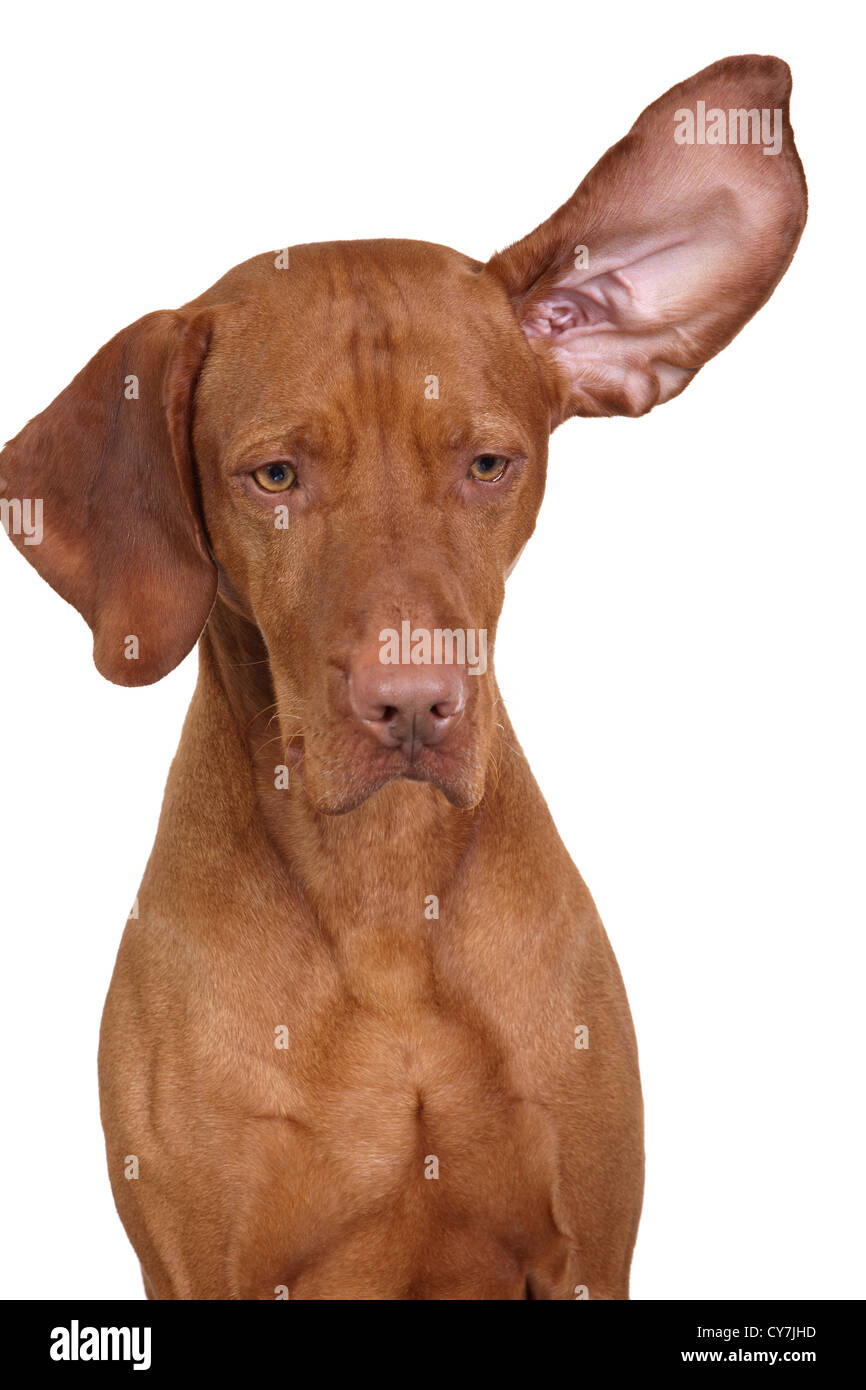
A dog may hold one ear up and one ear down because of ear shape, cartilage, breed traits, attention, or mood. In many cases, this uneven position is normal. If the change is sudden or comes with pain, odor, swelling, discharge, head shaking, or balance problems, an ear issue may be the cause.
Across the United States, veterinarians see many healthy dogs with uneven ear positions. A dog’s ears do not always move as a matched pair. Each ear has its own muscles, nerves, and cartilage, so one ear may react to a sound while the other rests.
This guide explains the common reasons, warning signs, and safe next steps for dog owners.

The short answer: One ear is listening while the other is resting
Dogs can move their ears in different directions to collect sound. One ear may point toward a noise, while the other stays relaxed or turns toward another sound. This helps a dog judge where sounds come from.
A one-up, one-down position can also result from:
- Natural ear shape
- Soft or developing cartilage
- Breed genetics
- Relaxation or sleepiness
- Curiosity and alertness
- Fear, stress, or uncertainty
- Pain or illness
The key question is not simply, “Why is one ear down?” The better question is, “Is this normal for my dog, or did it change?”
If your dog has always held the ears this way and acts well, the position is usually harmless. If the ear suddenly droops, a veterinarian should check it.
How dog ears move
A dog’s outer ear is called the pinna. It includes skin, muscles, blood vessels, nerves, and cartilage. The pinna helps collect sound and direct it into the ear canal.
Dogs have more ear movement than people. Small muscles around the ear let them raise, lower, rotate, or tilt each ear. These movements can happen separately.
The ear position may change when a dog:
- Hears a new sound
- Watches a person or animal
- Smells something interesting
- Feels relaxed
- Becomes nervous
- Tries to show attention
- Responds to a familiar voice
Ear movement is only one part of canine body language. Read it with the dog’s eyes, mouth, tail, posture, and overall behavior.
For example, one ear up with a loose body may show mild interest. One ear up with a stiff body, fixed stare, and raised tail may show tension or strong alertness.

Common harmless reasons for one ear up and one down
Natural ear shape and cartilage
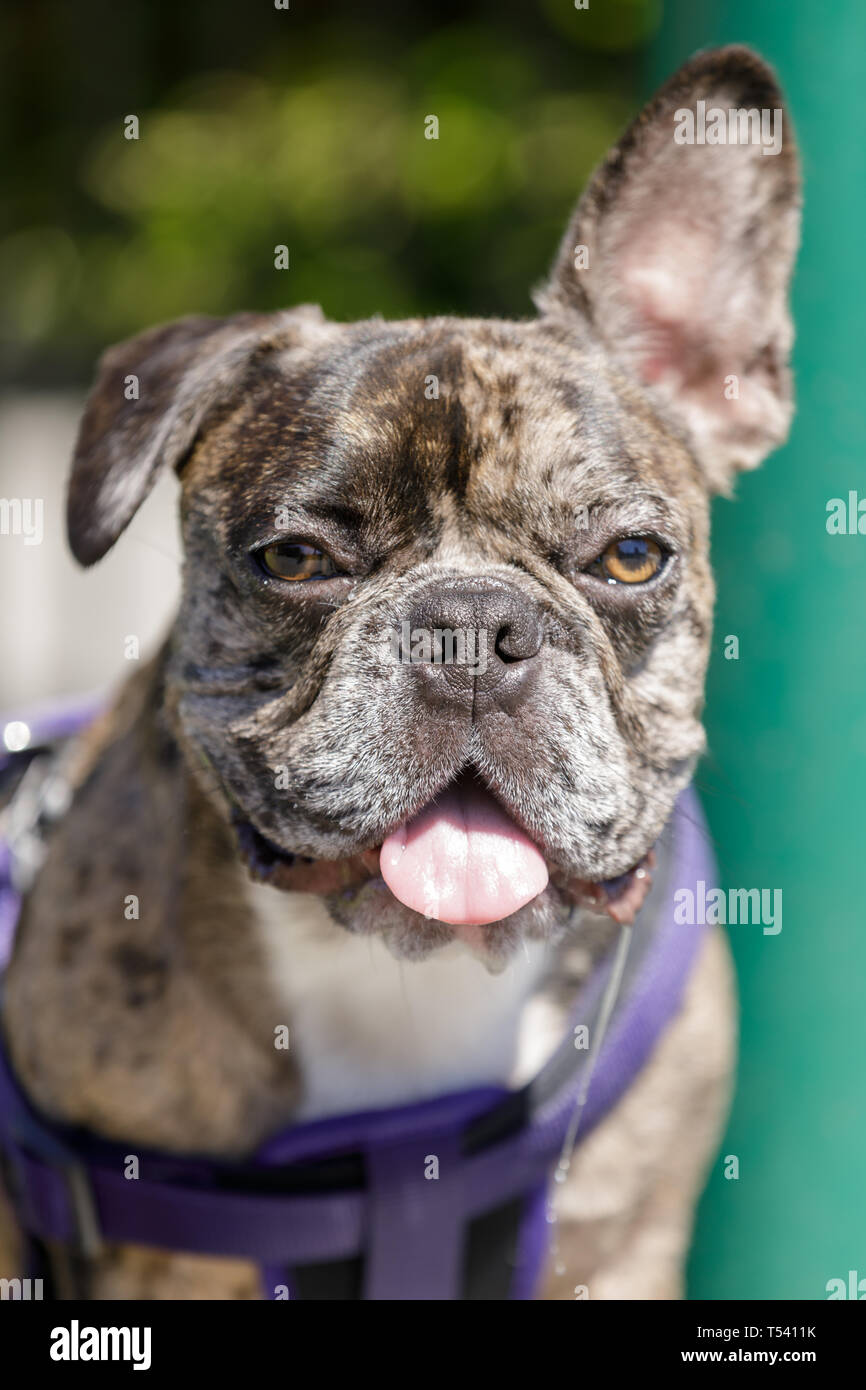
Some dogs simply have uneven ears. Their cartilage may be firmer in one ear than the other. The ears can also differ in size, weight, or muscle strength.
This is common in dogs with:
- Mixed ancestry
- Semi-erect ears
- Floppy ears
- Rose-shaped ears
- Large, heavy ear leather
- Ears that change position with age
A dog may have one ear that stands well and another that folds at the tip. This difference does not mean the dog has a health problem.
Breed and genetics
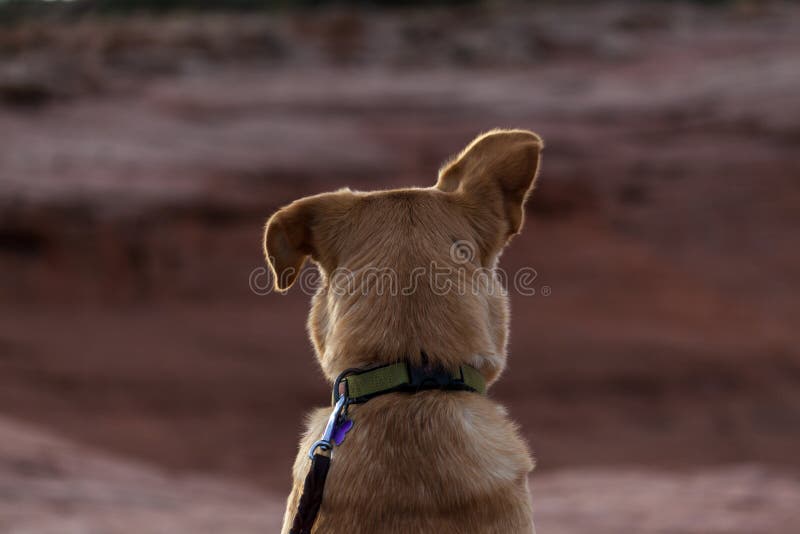
Genes affect the size, shape, thickness, and position of a dog’s ears. Some breeds have naturally upright ears. Others have ears that fold, tip, or hang.
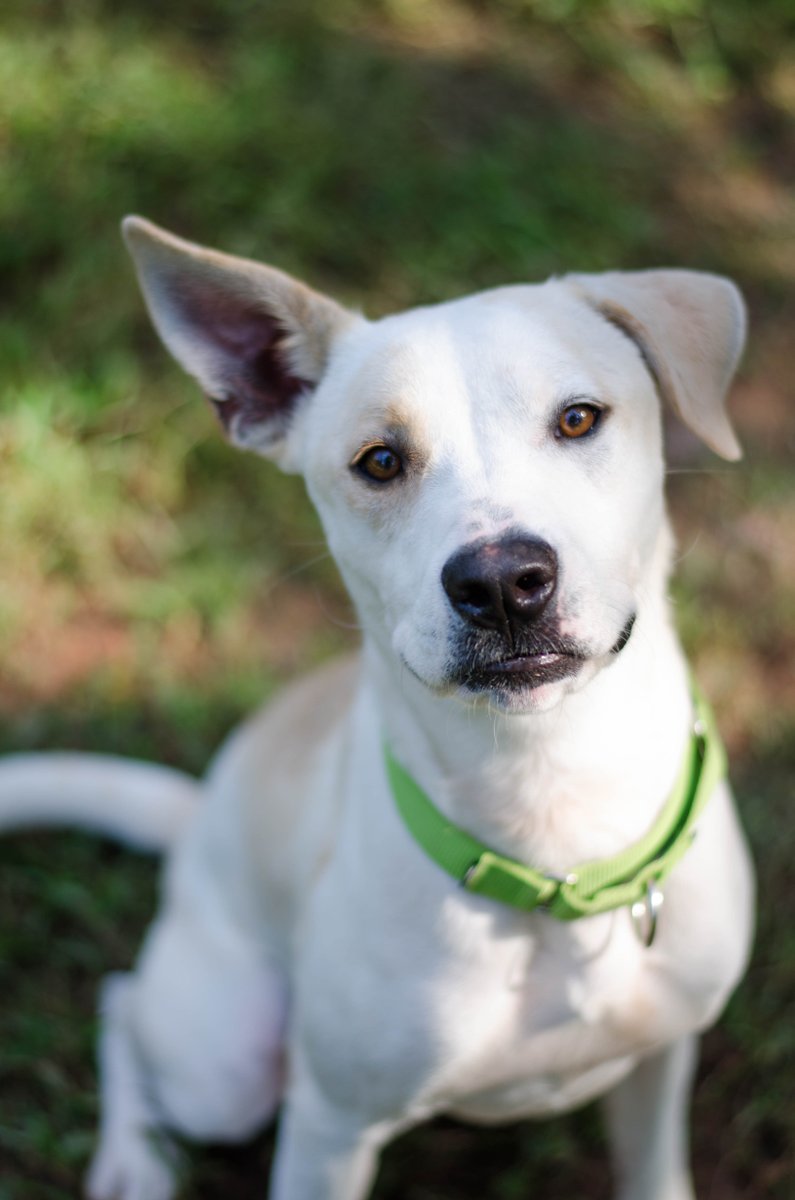
Mixed-breed dogs may inherit different ear traits from each parent. As a result, one ear may stand while the other falls. This can be part of the dog’s normal appearance.
Ear shape alone does not diagnose a problem. A veterinarian looks for changes, pain, inflammation, and other signs.
Puppy growth
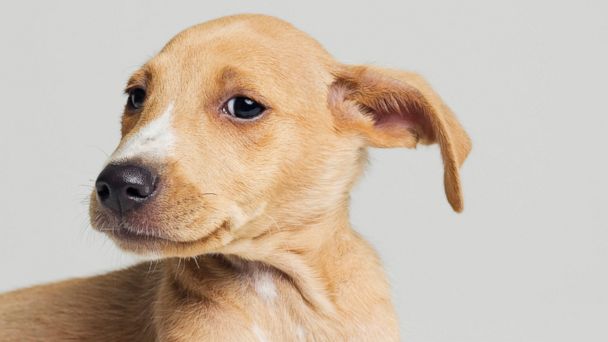
Puppies often have changing ear positions. As the skull, jaw, teeth, and ear cartilage develop, an ear may rise, fall, or switch positions.
This change can happen over weeks or months. It is more noticeable in puppies whose adult ears may become upright or semi-upright.
Do not tape, glue, brace, or massage a puppy’s ears without veterinary guidance. Home methods can injure the skin or cause pain. The correct approach depends on the puppy’s breed, age, health, and ear structure.
Attention and sound
A dog may lift one ear toward a sound while leaving the other ear down. The dog may be tracking a car, bird, person, appliance, or faint noise.
The ear may move again when the sound changes. If both ears return to their usual positions after the dog relaxes, this pattern is usually normal.
Relaxation
A calm dog may let one ear droop. This often happens during rest, cuddling, or sleep. Dogs do not need to hold both ears in the same position all day.
A relaxed posture usually includes soft eyes, a loose mouth, normal breathing, and a flexible body.
Mood and body language
Ear position can reflect emotion, but it is not a reliable emotion “code” by itself.
A dog may pull the ears back or down when feeling:
- Unsure
- Afraid
- Stressed
- Submissive
- Tired
- Cold
- Overwhelmed
Look at the full picture. Lip licking, yawning, hiding, panting, trembling, a tucked tail, or avoiding eye contact may suggest stress. A playful dog may have uneven ears while keeping a loose body and relaxed movement.

When one drooping ear may signal a health problem
A new drooping ear may point to pain or inflammation. Dogs may lower an ear because movement hurts or because swelling affects the ear canal.
Possible medical causes include:
Ear infection
Ear infections can affect the outer, middle, or inner ear. Common signs include:
- Head shaking
- Scratching at the ear
- Redness
- Bad odor
- Dark, yellow, or bloody discharge
- Pain when the ear is touched
- Tilting the head
- Whining or irritability
Allergies, moisture, parasites, foreign material, and skin disease can contribute to ear problems. A veterinarian may need to examine ear debris under a microscope to identify yeast, bacteria, mites, or other causes.
Do not use leftover ear medicine. Some products can harm the ear if the eardrum is damaged.
Ear hematoma
An ear hematoma is a pocket of blood between layers of the ear flap. It often develops after repeated scratching or head shaking.
The ear may look:
- Thick
- Puffy
- Warm
- Heavy
- Painful
- Swollen on one side
A hematoma usually needs veterinary care. Without treatment, the ear may scar and develop a thick, wrinkled shape sometimes called a “cauliflower ear.”
Injury or foreign material
A thorn, grass awn, insect, bite, scratch, or other object may cause sudden pain. Dogs that spend time outdoors may be more likely to get plant material in or around the ear.
Do not dig into the ear canal with cotton swabs, tweezers, or other tools. A veterinarian can inspect the area safely.
Nerve or facial problems
Rarely, a drooping ear may occur with a facial nerve problem. Watch for other changes, such as:
- Drooping of one side of the face
- An uneven blink
- Drooling from one side
- Trouble eating or drinking
- A head tilt
- Loss of balance
- Abnormal eye movement
These signs need prompt veterinary assessment. Problems deeper in the ear can affect balance and facial nerve function.
How to tell normal ear movement from a problem
Use this simple comparison as a starting point. It cannot replace a veterinary examination.
| Sign | More consistent with a normal trait | More concerning for illness |
|---|---|---|
| Timing | Present for a long time | Started suddenly |
| Behavior | Eating, playing, and resting normally | Tired, irritable, withdrawn, or restless |
| Touch | Allows gentle touch | Pulls away or cries |
| Skin | Normal color and temperature | Red, hot, swollen, or thick |
| Smell | No unusual odor | Strong or foul odor |
| Discharge | None | Wax, pus, blood, or wet debris |
| Movement | Changes with sounds or mood | Remains drooped or stiff |
| Balance | Walks normally | Stumbles, circles, or tilts the head |
The strongest warning sign is a new change combined with discomfort. A mild position difference without other symptoms is less concerning than a sudden droop with scratching and odor.

What to do if your dog’s ear suddenly drops
Follow these steps if the ear position changes.
1. Watch your dog’s behavior
Check whether your dog is eating, drinking, walking, and acting normally. Note any head shaking, scratching, whining, hiding, or loss of balance.
2. Look at the outer ear
In good light, check the ear flap for redness, swelling, wounds, crusts, insect bites, or a puffy area. Do not force the ear open.
3. Check for odor or discharge
A strong odor or new discharge can support the need for a veterinary visit. Do not place fluid or medication into the ear unless a veterinarian has advised you to do so.
4. Compare both ears
A useful comparison includes:
- Ear temperature
- Swelling
- Color
- Odor
- Discharge
- Sensitivity to touch
Avoid repeated handling if your dog shows pain.
5. Contact a veterinarian when the change persists
Call your veterinary clinic if the ear remains drooped, your dog seems uncomfortable, or any other signs appear. The clinic may recommend an examination soon or emergency care based on the symptoms.
Seek urgent care for severe pain, heavy bleeding, sudden loss of balance, repeated vomiting, collapse, or major facial changes.
What not to do
Several common home treatments can make an ear problem worse.
- Do not use human ear drops.
- Do not use hydrogen peroxide, alcohol, vinegar, or essential oils.
- Do not push cotton swabs into the ear canal.
- Do not pull out a suspected foreign object.
- Do not drain a swollen ear flap at home.
- Do not give pain medicine unless a veterinarian provides the drug and dose.
- Do not assume every ear problem is a simple infection.
A dog’s ear canal has a different shape from a person’s ear canal. It includes a vertical section and a deeper horizontal section. This shape can trap moisture and debris, but it also makes deep cleaning risky.

Why one ear may stay up after an ear infection
Some dogs keep an uneven ear position after pain or swelling has improved. The cartilage may have stretched, scar tissue may have formed, or the dog may have developed a new habit.
However, a lasting change should not be dismissed if the dog still scratches, shakes the head, smells unusual, or reacts to touch. A follow-up examination may be needed to confirm that the original problem has resolved.
A dog can also have a normal uneven ear after treatment. The position matters less than the dog’s comfort and the health of the ear tissue.

Does one ear up and one down mean a dog is confused?
Usually, no. Uneven ears do not prove that a dog is confused. The dog may be listening to different sounds, reacting to movement, or resting one ear.
A dog may look uncertain when the ears sit back or down, but body language must be read as a whole. A stiff body, wide eyes, tucked tail, freezing, or avoidance gives more useful information than ear position alone.
If your dog appears afraid, give space. Do not force contact or punish the dog for showing stress.
Can ear position reveal a dog’s breed?
Ear position can offer a clue, but it cannot identify a breed with certainty. Many unrelated breeds share similar ears, and mixed-breed dogs can show a wide range of shapes.
Breed identification should not rely on one physical trait. A recognized breed standard, pedigree records, or a validated DNA test may provide more information, but each method has limits.
Frequently asked questions
Is it normal for a dog to have one floppy ear?
Yes. It can be normal if the dog has always had one floppy ear, shows no pain, and has no odor, swelling, discharge, or behavior change. A new floppy ear deserves closer attention.
Why does my puppy’s ear go up and down?
Puppy ear cartilage can change as the puppy grows. Ear position may shift during development, especially in dogs whose adult ears may become upright or semi-upright. Avoid home taping or bracing without veterinary advice.
Why does my dog put one ear back when I talk?
Your dog may be listening, responding to your voice, or showing mild uncertainty. Check the rest of the body. A loose posture suggests calm attention, while stiffness, hiding, or a tucked tail may suggest stress.
Should I clean my dog’s ear if one ear is down?
Only clean the ear with a product and method recommended for your dog. If the ear is painful, swollen, bleeding, or producing discharge, seek veterinary advice before cleaning it.
When should I take my dog to the vet?
Arrange veterinary care for a sudden ear change, pain, repeated scratching, head shaking, odor, discharge, swelling, or a head tilt. Seek urgent help for loss of balance, severe pain, facial drooping, heavy bleeding, or collapse.
Key takeaways
- One ear up and one ear down is often a normal difference in ear shape, cartilage, or muscle movement.
- Dogs may move each ear separately while listening or responding to their surroundings.
- Puppies may have changing ear positions during growth.
- A sudden droop, pain, odor, discharge, swelling, or balance problem can signal illness.
- Do not use human medicine or insert tools into the ear.
- When in doubt, compare the ear with its normal appearance and contact a veterinarian.
Conclusion
Dogs have one ear up and one down for many harmless reasons, including genetics, ear structure, attention, relaxation, and changing cartilage. The position alone is rarely a problem.
A sudden change is different. If the ear droops along with pain, scratching, head shaking, odor, discharge, swelling, facial changes, or poor balance, arrange a veterinary examination. The safest guide is your dog’s normal pattern: know what is usual, notice what changed, and avoid home treatments that may hide or worsen the cause.