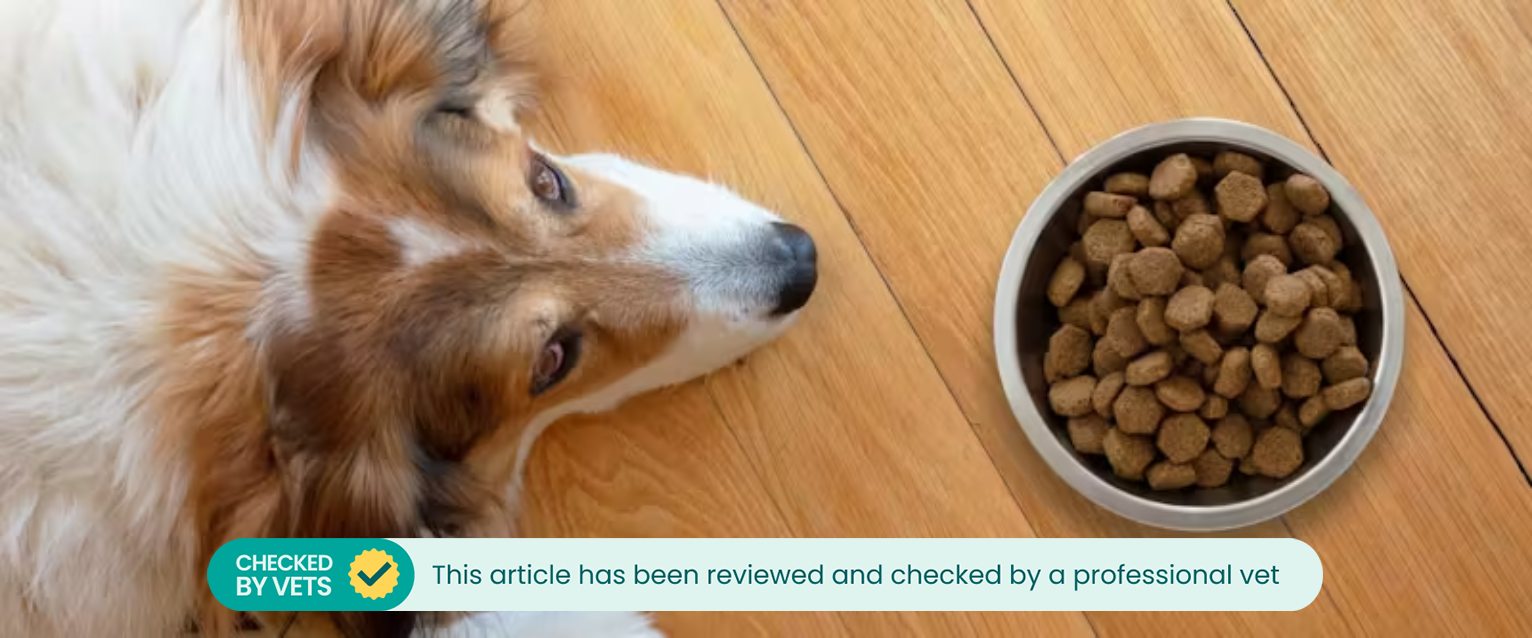
You should not physically force a dog to eat because pushing food into a dog’s mouth can cause stress, choking, or food aversion. Instead, identify why your dog refuses food and use safe methods to encourage eating.
Across the United States, many dog owners face the worry of seeing a normally hungry pet suddenly ignore a food bowl. A dog may skip meals because of stress, a change in routine, dental discomfort, illness, medication effects, or simple food preference. The safest approach is not to force food but to understand the reason behind the appetite change and provide support.
The phrase how to force a dog to eat often comes from a place of concern, especially when a dog has eaten very little for a day or more. However, feeding should remain calm and controlled. A dog that refuses food may need a different feeding setup, a more appealing meal, or veterinary evaluation rather than physical pressure.
This guide explains why forcing food is risky, what you can do instead, how to encourage appetite safely, and when refusing food becomes a medical concern. The goal is to help your dog eat willingly while protecting their health and comfort.
Source: www.dogster.com
Why You Should Not Force A Dog To Eat
Forcing a dog to eat usually means trying to push food into the mouth, holding the mouth open, or pressuring the dog until they swallow. These methods are not recommended because they remove the dog’s ability to communicate discomfort or refusal.
Dogs can develop negative associations with meals when eating becomes stressful. A dog that feels trapped around food may become more anxious, avoid the bowl, or show defensive behaviors such as growling.
Source: trustedhousesitters.com
Choking risk
Pushing food into a dog’s mouth can increase the chance that food enters the airway instead of being swallowed normally.
Stress response
Physical pressure can make mealtime frightening and may worsen future feeding problems.
Missed health problems
A refusal to eat can be a sign of pain, illness, nausea, or another issue that needs attention.
What Force Feeding Means In Veterinary Care
In some medical situations, veterinarians may recommend assisted feeding techniques for specific patients. These methods are different from an owner trying to force a healthy dog to swallow food at home. Veterinary-guided feeding considers the dog’s condition, swallowing ability, and nutritional needs.
Professional guidance
Assisted feeding should be discussed with a veterinarian when a dog cannot maintain normal food intake.
Find Out Why Your Dog Is Refusing Food First
Before trying to make a dog eat, look for clues about why the appetite changed. The reason determines the safest solution. A dog refusing a new food is different from a dog refusing all food while acting sick.
A short period of reduced appetite may happen after stress, travel, environmental changes, or a new feeding schedule. However, ongoing refusal or other symptoms should be taken seriously.
Dental pain, stomach problems, infections, medication side effects, and other health conditions can reduce appetite.
Food-related causes
A dog may dislike a new formula, texture, smell, or feeding location.
Behavioral causes
Stress, anxiety, changes at home, or learned habits may affect eating.
Questions To Ask Before Helping Your Dog Eat
Consider when the problem started, whether your dog drinks water normally, whether energy levels have changed, and whether there are signs of pain or illness. These details help decide whether home support is reasonable or whether a veterinarian should be contacted.
Check appetite history
Compare current eating habits with your dog’s normal routine.
Safe Ways To Encourage A Dog To Eat
The safest way to help a dog eat is to make food easier and more appealing without creating pressure. Small changes can help many dogs regain interest in meals.
Start with simple adjustments before trying major diet changes. Sudden food changes can upset digestion and make it harder to understand the cause of the problem.
Source: www.dogster.com
Create a calm feeding area
Feed your dog in a quiet place away from loud activity, other pets, or interruptions.
Use a consistent schedule
Regular meal times help dogs understand when food is available.
Improve food smell
Some dogs respond better when food is slightly warmed to increase aroma, as long as it is safe and appropriate for the diet.
Remove distractions
A peaceful environment can help anxious dogs focus on eating.
How To Offer Food Without Pressure
Place the food down and give your dog time to investigate. Avoid hovering, repeatedly offering food, or showing frustration. Calm behavior teaches your dog that meals are a safe routine.
Watch behavior
Notice whether your dog approaches food, smells it, or avoids the area completely.
What To Do If A Sick Dog Will Not Eat
A sick dog that refuses food needs a careful approach. Illness can reduce appetite, but trying to force meals may make the situation worse. Focus on hydration, comfort, and veterinary guidance when needed.
Dogs with vomiting, diarrhea, extreme tiredness, breathing problems, pain, or sudden behavior changes should be evaluated by a veterinarian. Loss of appetite is a symptom, not a diagnosis.
Source: breedingbusiness.com
Monitor water intake
Not drinking can become a more urgent concern than skipping a meal.
Track symptoms
Record eating, drinking, bathroom habits, and behavior changes.
Contact a veterinarian when needed
Professional advice is important when appetite loss is persistent or combined with illness signs.
Signs That A Dog Needs Veterinary Attention
Seek veterinary advice if your dog refuses food and appears weak, painful, unusually sleepy, dehydrated, or shows other concerning symptoms. Puppies, older dogs, and dogs with existing health conditions may need earlier attention.
High concern signs
Repeated vomiting, severe lethargy, breathing difficulty, collapse, or signs of pain require prompt professional evaluation.
Common Mistakes When Trying To Make A Dog Eat
Many owners try to help by changing too many things at once. This can make it difficult to identify what works and may upset a dog’s digestion or routine.
A patient approach usually provides better results than pressure. Eating is a natural behavior, and the goal is to restore comfort and confidence around food.
Source: thepetexpress.co.uk
Constantly changing foods
Frequent food changes may create digestive problems and make picky behavior harder to manage.
Using human foods too often
Extra treats or table scraps may reduce interest in balanced dog food.
Ignoring dental issues
A dog may avoid eating because chewing hurts.
How To Know Your Approach Is Working
Success usually appears as a calmer approach to the bowl, normal interest in food, and steady eating habits. Improvement should happen without fear, struggle, or repeated pressure.
Positive signs
Your dog approaches meals willingly and maintains normal energy and behavior.
Frequently Asked Questions
Q
Can I force my dog to eat by putting food in their mouth?
Physically putting food into a dog’s mouth is generally not recommended because it can create stress and may cause choking or fear around meals.
Q
How long can a dog go without eating?
The answer depends on the dog’s age, health, size, and reason for refusing food. A dog that stops eating and shows other symptoms should receive veterinary advice rather than waiting too long.
Q
What can I add to dog food to encourage eating?
Some dogs respond to safe changes that improve smell or taste, such as warming suitable food or using veterinarian-approved options. Avoid adding foods that may upset your dog’s diet.
Q
Why is my dog hungry but refusing food?
A dog may want food but avoid eating because of nausea, dental discomfort, stress, food preferences, or problems with the feeding environment.
Q
Should I worry if my dog skips one meal?
Some healthy adult dogs may occasionally skip a meal, but repeated refusal or other changes in behavior should be monitored carefully.
✦ Wrapping Up
Conclusion
Learning how to force a dog to eat starts with understanding that force is usually not the safest answer. A dog’s refusal to eat is a signal that something may need attention, whether it is a simple preference issue or a health concern.
The best approach is to remove pressure, improve the feeding environment, observe symptoms, and seek professional advice when warning signs appear. Helping a dog eat should build trust, not fear.
💡 Key Takeaway
Do not force food into your dog’s mouth. Find the cause of appetite loss, use gentle feeding strategies, and contact a veterinarian if your dog refuses food with concerning symptoms.
Why do dogs flip their ears? Learn what this adorable behavior means, from communication and curiosity to comfort, attention, and possible health concerns.