Why Does My Dog Eat Mulberry Leaves: Safety Guide
Introduction
If your dog eats mulberry leaves in a U.S. yard, the behavior is usually linked to curiosity, taste, boredom, or normal plant grazing—not a clear sign of illness. Mulberry leaves are not generally recognized as a major dog poison, but eating a large amount can still cause stomach upset. The bigger risks may come from pesticides, mold, an unknown plant, or another substance on the leaves.
Watch your dog closely, remove access to the tree, and check for vomiting, diarrhea, weakness, drooling, trouble breathing, or unusual behavior. If symptoms appear, or if your dog ate treated leaves or a large amount, contact your veterinarian or a U.S. animal poison service for advice.
Is It Safe for Dogs to Eat Mulberry Leaves?
Small amounts of clean mulberry leaves are unlikely to cause serious poisoning in most dogs. However, “unlikely to be toxic” does not mean that unlimited amounts are safe. Dogs can develop stomach irritation after eating plant material, especially when they swallow leaves quickly or eat them on an empty stomach.
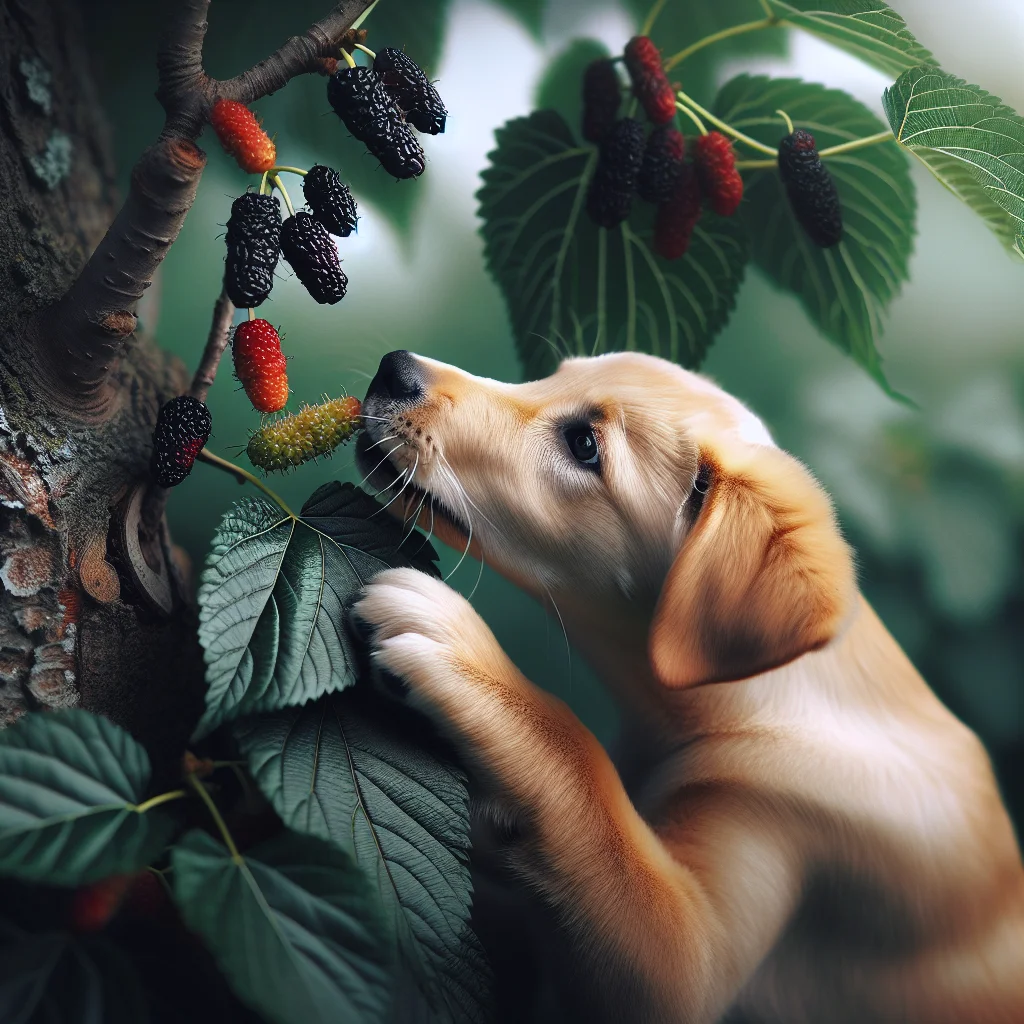
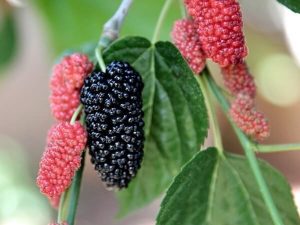
Mulberry trees belong to the Morus genus. Several mulberry species grow in the United States, including white mulberry, red mulberry, and black mulberry. Identification can be difficult because many trees have similar leaves. A plant that looks like mulberry may be another species with a different safety profile.
The leaf itself is only one part of the risk. Consider these factors:
- Amount eaten: A few bites are less concerning than a large pile of leaves.
- Plant identity: An unknown tree should not be assumed to be mulberry.
- Chemical exposure: Herbicides, insecticides, fertilizers, and lawn products may be more dangerous than the leaf.
- Leaf condition: Moldy, rotting, or fermented leaves can upset a dog’s stomach.
- Your dog’s health: Puppies, senior dogs, and dogs with digestive disease may react more strongly.
Do not give your dog mulberry leaves as a regular snack. There is no established canine health benefit that makes deliberate feeding worthwhile.

Why Does My Dog Eat Mulberry Leaves?
Dogs eat mulberry leaves for several common reasons. The behavior may be harmless, but it can also reflect a habit that needs management.
Curiosity and normal exploration
Dogs use their mouths to investigate their surroundings. A fallen leaf has a new smell, texture, and taste. Dogs may also chew leaves because they are available during walks or outdoor play.
This is especially common in puppies and young dogs. They often sample grass, leaves, sticks, and other objects as they learn about their environment.
Taste and texture
Mulberry leaves may appeal to some dogs because they are soft, fresh, or slightly sweet-smelling. A dog may return to the same tree because the leaves taste better than dry grass or because the tree has become part of a familiar route.
Boredom or excess energy
A dog without enough exercise or mental activity may chew plants to pass time. Leaf eating can become a self-rewarding habit because the dog gets stimulation from sniffing, chewing, and searching.
Attention-seeking behavior
If you chase your dog every time it grabs a leaf, the reaction may turn the behavior into a game. Some dogs learn that stealing leaves produces excitement and attention.
Mild stomach discomfort
Many people believe that dogs eat plants to make themselves vomit. That explanation is not proven for every case. Some dogs eat grass or leaves without vomiting, and plant eating alone does not show that a dog feels sick.
Repeated plant eating combined with vomiting, diarrhea, loss of appetite, pain, or low energy deserves veterinary attention.
Hunger or dietary issues
A dog that is not getting enough food, has trouble absorbing nutrients, or has a medical problem may show unusual eating habits. Mulberry leaves alone cannot diagnose a nutritional deficiency. Do not add supplements or change the diet without veterinary guidance.

What Should You Do If Your Dog Eats Mulberry Leaves?
For a small amount of clean, untreated leaves, monitor your dog and prevent further access. Most dogs with no symptoms need observation rather than emergency treatment.
Follow these steps:
- Move your dog away from the tree. Use a calm recall or leash instead of chasing.
- Identify the plant. Take clear photos of the leaves, bark, fruit, and whole tree.
- Estimate the amount eaten. Note whether your dog took one bite, several leaves, or a large quantity.
- Check for chemical exposure. Ask whether the tree or nearby lawn received pesticides, weed killer, fertilizer, or other products.
- Offer fresh water. Do not force water or food.
- Watch your dog for the next several hours. Look for stomach upset or behavior changes.
- Call your veterinarian if symptoms develop or exposure is uncertain.
Do not make your dog vomit unless a veterinarian or poison-control professional specifically tells you to do so. Household methods such as salt, oil, mustard, or hydrogen peroxide can cause harm or delay proper care.
If your dog swallowed a large amount, ate leaves from a treated tree, or has a history of illness, call your veterinarian even if symptoms have not started.

Signs That Mulberry Leaves May Have Caused a Problem
Mild stomach upset is the most likely issue after a dog eats a noticeable amount of plant material. Possible signs include:
- Vomiting
- Loose stool or diarrhea
- Gas
- Drooling
- Lip licking
- Reduced appetite
- Mild abdominal discomfort
These signs may come from the leaves, a chemical on the leaves, another plant, or an unrelated illness. The timing can provide a clue, but it does not prove the cause.
Seek urgent veterinary care if your dog shows:
- Repeated vomiting
- Bloody diarrhea or vomit
- Severe weakness or collapse
- Trouble breathing
- Tremors or seizures
- Swollen face or hives
- Pale gums
- Severe belly pain
- A swollen or hard abdomen
- Trouble standing
- Extreme sleepiness or confusion
Emergency signs matter more than the plant name. If your dog is struggling to breathe, collapsing, seizing, or becoming unresponsive, go to the nearest emergency veterinary hospital.

When Should You Call a Veterinarian?
Call your veterinarian when the amount eaten is large, the plant was treated with chemicals, or your dog has symptoms. You should also call if you cannot confirm that the tree is a mulberry.
Have this information ready:
| Information | Why it helps |
|---|---|
| Your dog’s weight and age | Risk varies with body size and life stage |
| Plant photos or a sample | Helps with identification |
| Estimated amount eaten | Helps assess exposure |
| Time of ingestion | Helps guide monitoring |
| Product name and label | Important if chemicals were used |
| Current symptoms | Helps determine urgency |
| Existing medical conditions | May change the advice |
In the United States, you can contact your veterinarian, a local emergency animal hospital, or a pet poison service. The ASPCA Animal Poison Control Center can be reached at (888) 426-4435. Pet Poison Helpline can be reached at (855) 764-7661. Fees may apply, and phone numbers and policies can change, so verify current details through the organization’s official website.
Do not wait for severe symptoms after a possible pesticide or herbicide exposure. Some chemical effects can be delayed.
How to Stop a Dog From Eating Mulberry Leaves
The safest approach is to manage access and teach a calm replacement behavior. Punishment may increase anxiety and can make outdoor training harder.
Reduce access
Use one or more of these steps:
- Fence off the area beneath the tree.
- Remove fallen leaves from the yard.
- Keep your dog on a leash near the tree.
- Avoid walking under trees that drop leaves onto public paths.
- Do not let your dog eat leaves from an unknown yard.
- Ask about lawn and tree treatments before allowing access.
Teach “leave it”
Start indoors with a low-value object and a high-value treat.
- Place the object on the floor.
- Say “leave it” once.
- When your dog looks away, reward the dog.
- Practice until your dog responds without rushing toward the object.
- Move outdoors and practice at a distance from leaves.
- Reward your dog for walking past the tree.
Keep the reward more appealing than the leaf. Use calm praise and avoid pulling hard on the leash unless safety requires immediate control.
Add exercise and enrichment
A dog with suitable daily activity may be less likely to search for leaves. Consider sniff walks, short training sessions, food puzzles, safe chew items, and supervised play. Match activity to your dog’s age, breed, health, and heat tolerance.

Mulberry Leaves, Berries, and Other Tree Parts
Mulberry leaves and mulberry fruit are not the same exposure. Ripe mulberries may cause digestive upset when a dog eats many of them, while unripe or spoiled fruit may be more irritating. Fallen fruit can also ferment or grow mold.
The tree’s bark, stems, and surrounding soil may carry different risks. A dog that chews a treated branch may ingest more chemical residue than a dog that nibbles one clean leaf.
Do not assume that a fruit tree is automatically safe for pets. “Natural” describes the source, not the dose or the absence of contaminants.

Common Mistakes to Avoid
Assuming every leaf-eating dog is sick
Occasional grazing can be normal behavior. Look at the full picture: frequency, amount, symptoms, appetite, stool, energy, and exposure to chemicals.
Assuming a mulberry tree is harmless
Even a generally low-risk plant can cause vomiting or diarrhea in large amounts. A similar-looking plant may also be toxic.
Waiting after pesticide exposure
Chemical exposure can require prompt advice even when a dog looks normal. Find the product label if possible and call a veterinary professional.
Using home remedies
Do not give milk, oil, salt, charcoal, or medication unless directed by a veterinarian. Do not induce vomiting without professional instructions.
Ignoring repeated leaf eating
Frequent plant eating may be a habit, but it can also occur with boredom, nausea, dietary problems, or other medical issues. Arrange a veterinary visit if the behavior is new, intense, or paired with other changes.

Quick Decision Guide
| Situation | Recommended action |
|---|---|
| One or two clean leaves, no symptoms | Remove access and monitor |
| Several leaves or an unknown amount | Call your veterinarian for advice |
| Leaves may have pesticides or herbicides | Contact a veterinarian or pet poison service promptly |
| Vomiting or diarrhea occurs | Call your veterinarian, especially if repeated |
| Tremors, collapse, breathing trouble, or seizures | Seek emergency veterinary care now |
| Repeated leaf eating over days or weeks | Book a veterinary examination and improve enrichment |
This guide is not a diagnosis. The safest choice depends on the plant, product, amount, and condition of the dog.

Frequently Asked Questions
Can dogs eat mulberry leaves every day?
Daily access is not recommended. Even if a small bite does not cause a problem, repeated eating can lead to stomach upset and makes it harder to notice a developing behavior or health issue.
Will mulberry leaves make my dog vomit?
They may irritate the stomach if enough are eaten, but they do not reliably make a dog vomit. Do not use leaves or any home method to induce vomiting.
Are mulberry berries safe for dogs?
A few ripe berries may not cause harm in many dogs, but large amounts, unripe berries, spoiled fruit, and moldy fruit can cause problems. Remove fallen fruit and contact your veterinarian if symptoms occur.
Why does my puppy eat leaves?
Puppies often explore with their mouths. Teething, curiosity, play, and boredom can all contribute. Use supervision, “leave it” training, safe chews, and regular enrichment.
Should I give my dog grass or leaves if it has an upset stomach?
No. Plant eating is not a reliable treatment for nausea. If your dog has vomiting, diarrhea, pain, or poor appetite, ask a veterinarian what to do.
Conclusion
A dog that eats mulberry leaves is often exploring, grazing, or looking for stimulation. A small amount of clean leaf is unlikely to cause serious poisoning, but large amounts, treated foliage, mold, an unknown plant, and existing illness raise the risk.
Remove access, monitor for symptoms, and avoid home remedies. Contact your veterinarian or a U.S. pet poison service when the amount or exposure is uncertain, and seek emergency care for severe symptoms.