Why Do My Dogs Make Out With Each Other: Explained
If your dogs are “making out” with each other, they are usually not being romantic. In most U.S. homes, this behavior is a mix of play, social bonding, licking, face sniffing, and sometimes mild testing of limits. Most of the time, it is normal dog communication — but if it turns into humping, stiff body language, growling, or one dog trying to escape, it can signal stress, overexcitement, or a behavior problem that needs management.
Dogs use mouths, noses, and body posture to communicate. What looks odd to people is often ordinary canine behavior. The key is to watch the whole interaction, not just the licking or nuzzling.

What “making out” means in dog behavior
“Making out” is a human label, not a dog term. People usually use it to describe one dog licking another dog’s mouth, muzzle, face, ears, or neck in a close, repetitive way.
That behavior can mean several things at once:
- Affection or social bonding: Dogs often lick each other as a friendly social signal.
- Appeasement: A lower-status or nervous dog may lick to reduce tension.
- Greeting behavior: Face-to-face sniffing and licking are part of how dogs gather information.
- Play behavior: Excited dogs may lick, mouth, and bounce around each other.
- Stress or conflict management: Repetitive licking can sometimes show uncertainty.
So the answer to “why do my dogs make out with each other” is usually this: they are communicating, not kissing in a human sense.
The most common reasons dogs lick each other
The most common reason is social communication. Dogs are social animals, and licking is one of their natural signals.
1. They are showing friendly social behavior
Dogs often lick each other when they are calm and comfortable. This is especially common between dogs that live together or know each other well.
A relaxed version of this behavior usually includes:
- Soft eyes
- Loose bodies
- Wiggly movement
- Normal breathing
- No guarding or stiff posture
In this case, the licking is often harmless and part of normal household dog life.
2. They are greeting and gathering information
Dogs learn a lot through smell and taste. Licking the mouth, nose, or face can help them get information about the other dog.
This is why dogs may spend time around each other’s faces. It is one of the ways they “read” one another.
3. One dog is trying to calm the other
A dog may lick another dog to say, in effect, “I mean no trouble.” This is more likely when one dog feels unsure, tired, or outmatched.
You may see this when:
- A younger dog approaches an older dog
- A smaller dog interacts with a bigger one
- Two dogs are adjusting to each other
- One dog has just been corrected or startled
The licking can be a peacekeeping gesture.
4. They are playing
Play can be messy. Dogs often mix licking with pawing, spinning, nudging, and gentle mouthing.
In play, the behavior should stay balanced. Both dogs should take turns and seem willing to continue.
A healthy play session usually has pauses. The dogs break apart, reset, and re-engage.
5. The behavior has become habit
some dogs simply do it a lot because it has become part of their routine. If no one interrupts it and both dogs tolerate it, the behavior may continue without much meaning beyond habit.
That does not always mean it should be ignored, though. Repetitive licking can become annoying or stressful if one dog is clearly not enjoying it.
When dog “making out” is normal and when it is not
The behavior is more likely normal if both dogs seem relaxed and both choose to stay close.
| Sign | More likely normal | More likely a problem |
|---|---|---|
| Body posture | Loose, wiggly, easy movement | Stiff, frozen, leaning away |
| Facial expression | Soft eyes, open mouth | Hard stare, tight mouth |
| Vocal sounds | Quiet or playful sounds | Growling, snapping, yelping |
| Choice | Both dogs stay engaged | One dog keeps trying to leave |
| Afterward | Dogs separate calmly | Tension continues or escalates |
If both dogs are relaxed, the behavior is usually not a concern. If one dog is trapped, pinned, or visibly stressed, it is time to step in.
When licking can signal a bigger issue
Sometimes what looks like “making out” is actually a sign that something else is going on.
Stress or anxiety
A dog may lick another dog compulsively when nervous. This can happen during changes in the home, new routines, visitors, or conflicts over space.
Overexcitement
Some dogs get so amped up that they cannot self-regulate. Licking, mouthing, and jumping can all appear together.
Resource tension
If dogs are competing for food, toys, attention, or resting spots, repetitive face-to-face behavior can be part of a larger social conflict.
A medical issue
If one dog suddenly starts licking another dog much more than usual, a health issue can sometimes be involved. Pain, irritation, or neurological changes can alter behavior.
A vet visit is a good idea if the behavior starts suddenly, becomes obsessive, or comes with other changes in appetite, energy, or movement.
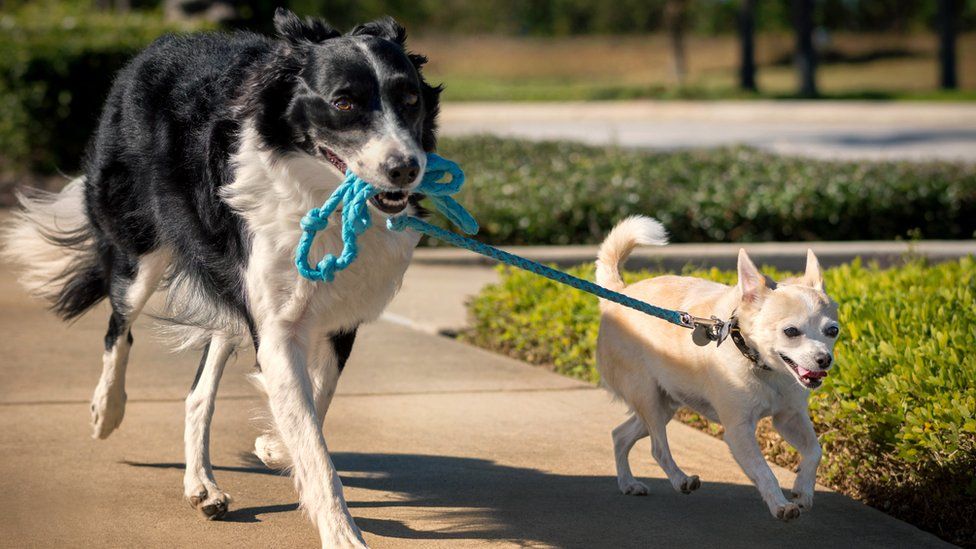
How to tell the difference between bonding and bullying
This is the part most owners need help with. The same behavior can look similar on the surface, but the context matters.
Bonding looks like this
- Both dogs approach willingly
- The interaction is brief or naturally pauses
- Body language is loose
- Neither dog is trying to escape
- The overall mood stays calm or playful
Bullying or pressure looks like this
- One dog blocks the other’s movement
- One dog keeps pursuing after the other backs away
- The “target” dog licks back only after pressure
- Tension rises when people nearby do not intervene
- One dog seems worn out, irritated, or avoidant
If the behavior is one-sided and persistent, it is not just cute dog affection. It may be social pressure.
What you should do if your dogs make out a lot
You do not always need to stop it. But you should monitor it and interrupt it if the interaction looks unbalanced.
Step 1: Watch the body language
Look at the whole scene, not just the licking. Posture tells you much more than the behavior itself.
Step 2: Interrupt if either dog seems uncomfortable
If one dog turns away, stiffens, hides, growls, or tries to leave, calmly separate them. Use a cheerful voice and redirect with distance, a toy, or a brief cue.
Step 3: Reduce the triggers
If the licking happens around meals, high-value toys, or visitor excitement, manage those situations more carefully.
Step 4: Give each dog space
Some dogs need more personal space than others. Separate resting spots, crates, or baby gates can help.
Step 5: Reward calm interaction
If the dogs can be near each other without escalating, reward that calm behavior. Short, positive interactions are better than long, intense ones.
Common mistakes owners make
A few mistakes can turn a normal behavior into a bigger issue.
- Assuming all licking is affection: Sometimes it is stress, not love.
- Ignoring one dog’s discomfort: The quieter dog may be the one under pressure.
- Punishing normal communication: You do not want to punish a dog for calmly signaling.
- Letting it continue until it escalates: Early interruption is easier than breaking up a full conflict.
- Treating it as a dominance mystery every time: Not every behavior is about rank.
The best response is calm observation first, then management if needed.
When to call a veterinarian or behavior professional
Get help if the behavior is sudden, intense, or linked to other problems.
You should contact a veterinarian if:
- The behavior starts abruptly
- One dog seems painful, weak, or ill
- There is excessive drooling, face rubbing, or mouth irritation
- The dogs have had repeated fights
- One dog cannot settle down
A certified dog trainer or behavior professional can help if the licking is tied to arousal, anxiety, or household conflict.
FAQs
Is dog licking the same as affection?
Sometimes, but not always. It can also mean appeasement, excitement, or simple social communication.
Should I stop my dogs from doing it?
Only if one dog seems stressed, trapped, or overexcited. If both dogs are relaxed, it may be normal social behavior.
Why does one dog lick the other’s mouth so much?
That can be a greeting, a calming signal, or a learned habit. If it is constant or one-sided, check for tension.
Is humping related to “making out”?
Sometimes. Some dogs switch between licking, mouthing, and humping when they are overstimulated or unsure how to settle.
Can this behavior get worse over time?
Yes, if it becomes a habit or if one dog keeps tolerating unwanted attention. Early management helps prevent escalation.
Conclusion
If your dogs make out with each other, the behavior is usually normal canine communication, not romance. Most often, it reflects bonding, greeting, play, or an effort to smooth social tension. The real question is not whether it looks cute or strange — it is whether both dogs are relaxed and choosing it. If one dog seems pressured, stressed, or trapped, step in and manage the interaction.