Why Do Dogs Lose Their Hair On Their Tail: Causes
Introduction
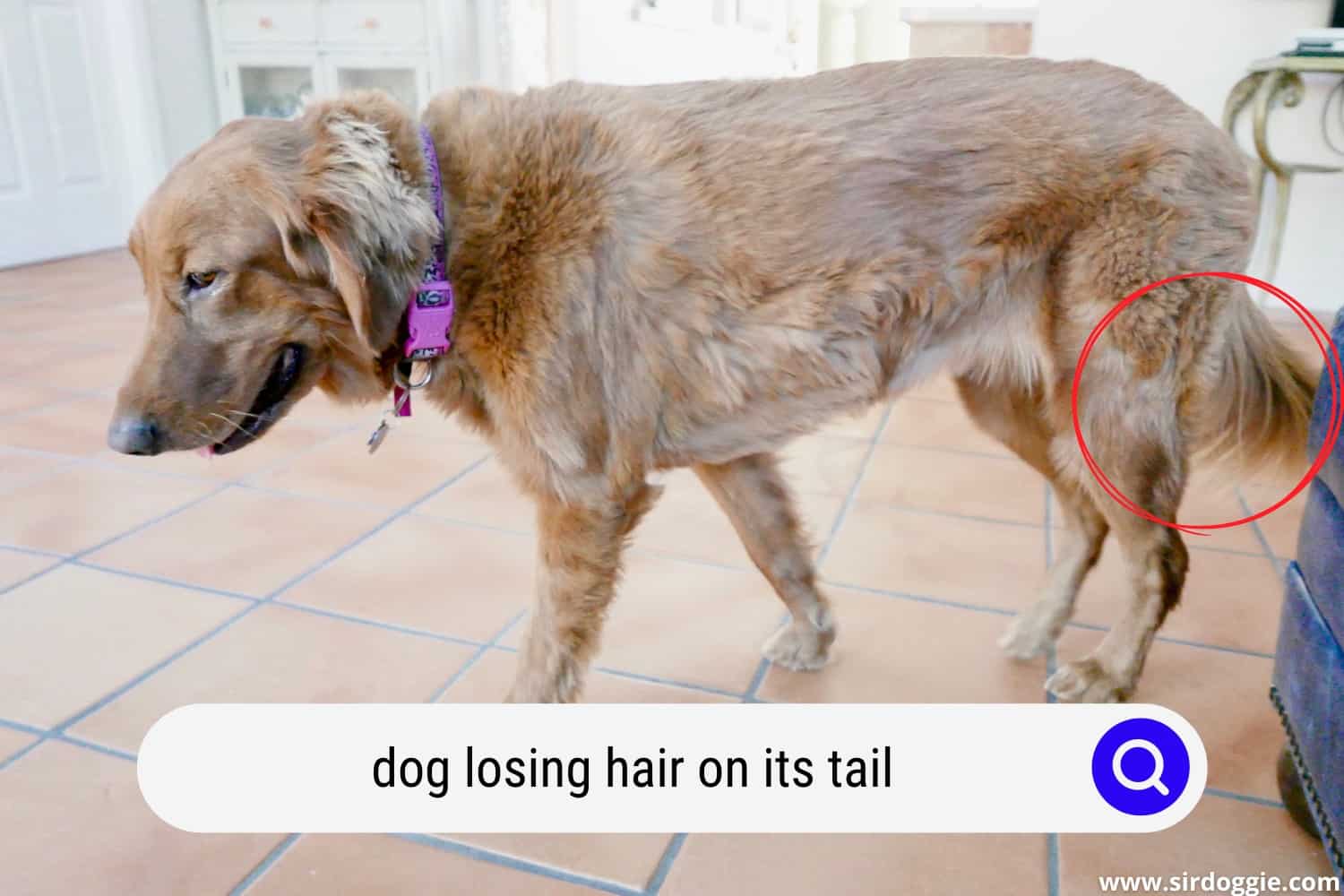
For dog owners in the United States, hair loss on a dog’s tail is often a sign of itching, skin disease, parasites, allergies, or repeated licking and chewing. The cause may be minor, but a bald patch can also point to infection, hormone problems, or pain near the tail or anal glands.
The location and shape of the hair loss provide useful clues. Hair loss at the tail base often suggests fleas or allergies. Hair loss along the top of the tail may involve the supracaudal gland, sometimes called “stud tail.” A thin, bare tail with hair loss elsewhere may suggest a broader skin or hormone disorder.
A veterinarian can identify the cause with a skin exam, flea check, skin scraping, cytology, fungal testing, blood work, or other tests. Do not apply human creams or give medication without veterinary advice.

Common Reasons Dogs Lose Hair on Their Tails
The most common causes include parasites, allergies, skin infections, self-trauma, and hormone disorders. More than one problem can occur at the same time. For example, fleas may trigger itching, and constant chewing can then cause wounds and infection.
Flea allergy dermatitis
Flea allergy is one of the most common reasons a dog loses hair near the tail base. Some dogs react strongly to proteins in flea saliva. Even one flea bite may cause days of itching in a sensitive dog.
Typical signs include:
- Hair loss over the rump or tail base
- Small red bumps or scabs
- Intense licking or biting
- Dark specks in the coat, known as flea dirt
- Itching around the belly, thighs, or lower back
You may not see fleas. Dogs can remove them through grooming, and flea numbers can change quickly. Flea allergy may occur in every region of the United States, including colder states during indoor or warm-weather periods.
Allergies
Environmental or food allergies can cause itchy skin and hair loss. Common environmental triggers include pollen, mold, dust mites, and plant material. Food allergies are less common than environmental allergies, but they can still cause persistent itching.
Allergy-related hair loss may affect the tail, feet, ears, belly, groin, and face. Dogs may lick their paws, rub their faces, or develop repeated ear infections.
A true food allergy cannot be confirmed by a quick change between store-bought foods. Veterinarians usually use a strict elimination diet with a suitable prescription or carefully selected diet for a set period. Treats, flavored medicines, table food, and chews can affect the result.
Mites and other parasites
Mites can cause severe itching, crusts, and bald areas. Sarcoptic mange, caused by Sarcoptes scabiei mites, often affects the ears, elbows, chest, belly, and legs, but it may spread widely. Demodectic mange, caused by Demodex mites, can cause patchy hair loss and skin changes.
Other parasites may also irritate the skin. A skin scraping or other test may be needed because mites are not always easy to find.
Bacterial or yeast infection
A bacterial or yeast infection may develop after allergies, parasites, or skin injury damage the protective skin barrier. Signs can include:
- Redness
- Moist or sticky skin
- Crusts
- Small pus-filled bumps
- A sour or musty odor
- thickened or darkened skin
- Pain when touched
Some infections cause hair to break off. Others cause the dog to scratch or chew until the hair falls out.
Excessive licking, chewing, or rubbing
A dog may remove hair through repeated self-trauma. The original trigger may be itch, pain, anxiety, boredom, or irritation from a collar, harness, crate, bedding, or rough surface.
A dog that focuses on one spot may create a cycle:
- The skin becomes itchy or painful.
- The dog licks or bites the area.
- The skin becomes inflamed.
- The damaged skin becomes more itchy.
- Hair loss and infection worsen.
Stopping the chewing helps, but it does not replace finding the first cause.
Stud tail or supracaudal gland disease
The supracaudal gland is a group of oil-producing glands near the top of a dog’s tail. When these glands produce too much oil or become inflamed, the tail may develop:
- Greasy fur
- Blackheads or small bumps
- Scaling
- Odor
- Hair loss along the upper tail
This condition is often called “stud tail,” but it can affect neutered males and female dogs as well. The name does not prove that sex hormones are the only cause.
Hormone disorders
Some endocrine diseases cause hair loss without much itching. Two important examples are hypothyroidism and hyperadrenocorticism, also called Cushing’s disease.
Possible signs include:
- Hair loss on both sides of the body
- A thin or “rat-like” tail
- Hair that does not grow back
- Darkened skin
- Recurrent skin infections
- Weight gain or loss
- Increased thirst or urination
- Low energy
- A pot-bellied appearance
Hormone disease cannot be diagnosed from hair loss alone. Blood tests and a full examination are needed.
Ringworm and other fungal disease
Ringworm is a fungal infection, not a worm. It can cause circular or uneven areas of hair loss, scaling, broken hairs, and crusts. Some dogs have little itch, while others become irritated.
Ringworm can spread to people and other animals. Children, older adults, and people with weakened immune systems may face greater risk. Wash your hands after handling suspicious skin lesions and ask a veterinarian about testing.
Injury, burns, or contact irritation
A tail can lose hair after a cut, bite, burn, chemical exposure, or other injury. A dog may also rub the tail against a hard surface or catch it in a door.
Contact irritation may follow exposure to:
- Harsh shampoos
- Cleaning products
- Lawn chemicals
- Hot surfaces
- Adhesives or bandages
- Certain topical products
Tail injuries can be easy to miss because the tail moves often and may bleed more than expected.
Pain near the tail or anal glands
Pain can cause licking or biting near the tail. Anal gland impaction, infection, tail vertebra injuries, arthritis, or wounds near the anus may lead to focused grooming.
Look for scooting, a strong odor, swelling beside the anus, trouble sitting, tail holding, or pain during bowel movements. Anal gland problems need veterinary care, especially if swelling, pus, or severe pain is present.
Normal shedding or breed-related coat change
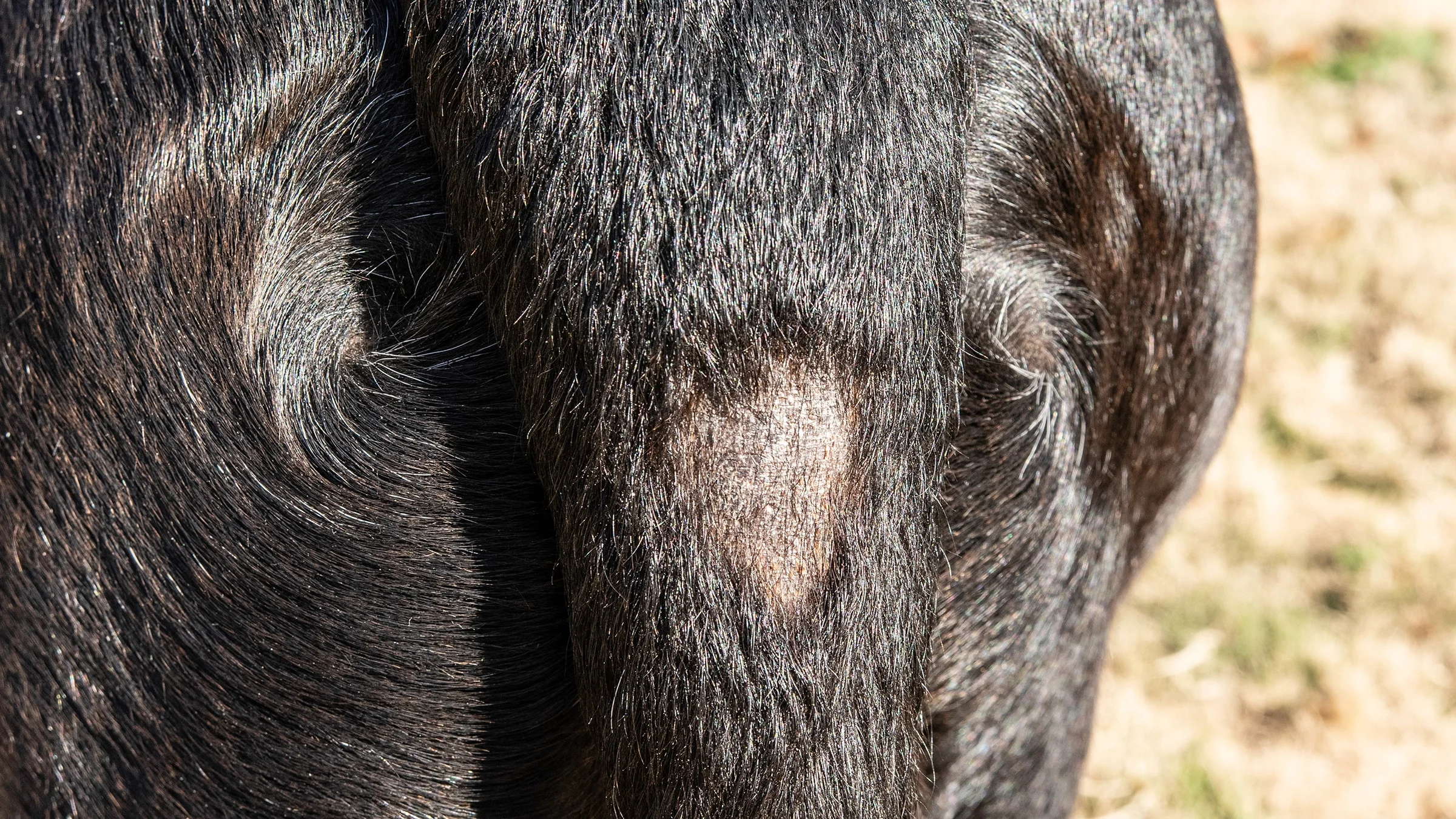
Not every thin tail is a disease. Some dogs have naturally thin hair, seasonal shedding, or coat patterns that make the tail look less full. However, true bald spots, redness, scabs, odor, itching, or rapid change are not normal shedding signs.
What the Pattern of Hair Loss May Mean
The pattern can help narrow the possibilities, but it cannot replace a diagnosis. Use it as a reason to arrange the right type of veterinary check, not as a home diagnosis.
| Hair-loss pattern | Possible causes | Clues to look for |
|---|---|---|
| Tail base and rump | Fleas or flea allergy | Biting, scabs, flea dirt, intense itch |
| Top of the tail | Supracaudal gland disease, fleas, allergy | Greasy coat, blackheads, odor |
| One small spot | Injury, bite, rubbing, localized infection | Wound, swelling, pain |
| Circular patches | Ringworm, mites, bacterial disease | Scaling, broken hairs, crusts |
| Both sides of the body | Hormone disorder, allergy, chronic disease | Little itch, skin darkening, repeated infections |
| Entire tail becomes thin | Widespread skin disease, endocrine disease, severe chewing | Hair loss in other areas |
| Hair loss near the anus | Anal gland pain, allergy, parasites | Scooting, odor, swelling, licking |
Why tail-base hair loss often suggests fleas
Flea allergy commonly affects the lower back and tail base because fleas feed and move through these areas. A dog may scratch the back legs, chew the rump, or create scabs along the tail.
A flea comb can help find flea dirt. Place any dark material on a damp white paper towel. Flea dirt may dissolve into reddish-brown streaks because it contains digested blood. This test is only a clue. A negative combing session does not rule out fleas.
Why a thin tail can suggest a broader problem
If the tail is thinning without much scratching, examine the rest of the coat. Hair loss on the trunk, flanks, neck, or thighs may point to a systemic problem such as an endocrine disorder.
A “rat tail” is a description, not a diagnosis. It may occur with hypothyroidism, Cushing’s disease, severe skin disease, or other conditions.
When Should You Take Your Dog to the Veterinarian?
Arrange a veterinary appointment when hair loss lasts more than a few days, spreads, or returns after treatment. A prompt visit is also wise when the dog is very itchy, has repeated skin problems, or cannot stop chewing the tail.
Seek same-day veterinary care for:
- Bleeding that does not stop with gentle pressure
- Deep wounds, bites, or burns
- Pus, marked swelling, or a foul odor
- Severe pain
- A limp, cold, or discolored tail
- Trouble passing stool
- Swelling near the anus
- Fever, weakness, vomiting, or poor appetite
- Rapidly spreading redness
- A suspected chemical exposure
Contact a veterinarian soon if people or other pets have itchy skin or circular lesions. A contagious infection or parasite may be involved.
Puppies, senior dogs, and dogs with diabetes or immune problems may need earlier evaluation because skin disease can worsen quickly.

How Veterinarians Diagnose Tail Hair Loss
A veterinarian begins with the history and a full skin examination. The useful details include when the hair loss began, whether it is spreading, how much the dog itches, what preventives the dog receives, and whether other pets or people have symptoms.
Common diagnostic steps include:
-
Coat and skin examination
The veterinarian checks for fleas, flea dirt, scabs, redness, odor, wounds, scale, and greasy skin. -
Flea combing
This may reveal adult fleas or flea dirt. -
Skin scraping or hair examination
These tests can help detect some mites and other skin problems. -
Skin cytology
A sample from the skin can show bacteria, yeast, inflammatory cells, or other changes. -
Fungal testing
A culture or molecular test may be used when ringworm is possible. -
Blood and urine tests
These may be needed when the pattern suggests thyroid disease, Cushing’s disease, diabetes, or another internal problem. -
Diet trial
A controlled elimination diet may be used when food allergy is suspected. -
Biopsy
A skin biopsy may help when the disease is unusual, severe, or not responding to treatment.
The first test is not always the last test. Skin disease can look similar across different causes, and some dogs have allergies plus infection or parasites plus self-trauma.
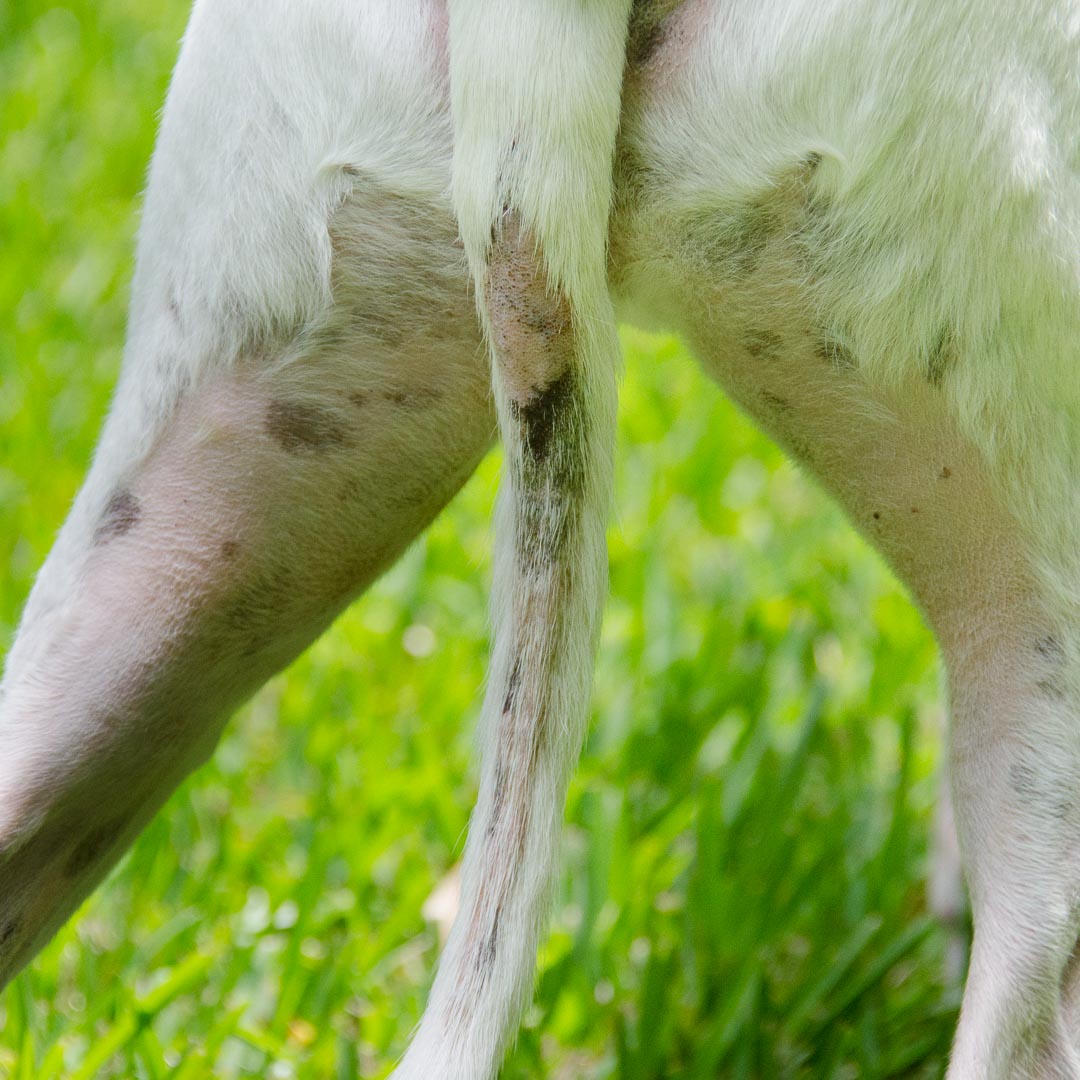
What You Can Do at Home Before the Appointment
Safe home care should protect the skin and preserve useful clues. It should not delay care for a painful, infected, or rapidly worsening tail.
Safe steps
- Take clear photos of the tail each day.
- Note the start date and whether the area is growing.
- Check for fleas with a flea comb.
- Wash your hands after touching irritated skin.
- Prevent licking with a properly fitted cone if your veterinarian has recommended one.
- Keep the dog away from harsh chemicals and hot surfaces.
- Wash bedding if fleas or a contagious infection may be present.
- Keep the dog’s regular parasite prevention current, using a product recommended for that dog.
Avoid these common mistakes
- Do not use human steroid, antibiotic, antifungal, or pain creams without veterinary direction.
- Do not give essential oils to the dog or apply them to the skin.
- Do not use leftover antibiotics or old prescriptions.
- Do not shave an inflamed tail unless a veterinarian advises it.
- Do not squeeze lumps, pustules, or anal glands.
- Do not assume a flea-free indoor dog cannot have flea allergy.
- Do not change several treatments at once if you want to know what helped.
Some human products can be toxic when swallowed. Dogs often lick topical products from the tail, so even a small amount may matter.

Treatment Depends on the Cause
There is no single best treatment for tail hair loss. The correct plan may include more than one part.
| Cause | Veterinary treatment may include |
|---|---|
| Fleas or flea allergy | Reliable flea control for the dog and household, itch relief, and treatment of skin infection |
| Mites | A prescription product that targets the identified mite and treatment of affected pets when needed |
| Bacterial infection | Vet-selected topical or oral treatment based on the infection and its severity |
| Yeast infection | Antifungal treatment and control of the underlying allergy or skin disease |
| Ringworm | Antifungal treatment, cleaning, and steps to reduce spread |
| Food allergy | A strict veterinary elimination diet followed by a controlled food challenge |
| Environmental allergy | Itch control, skin care, infection treatment, and long-term allergy management |
| Stud tail | Cleansing or medicine directed by the veterinarian and treatment of related skin inflammation |
| Hormone disease | Testing and long-term treatment of the underlying endocrine disorder |
| Injury | Wound care, pain control, and protection from further trauma |
Hair usually grows back only after the cause is controlled. Regrowth may take weeks or months. Chronic inflammation, scarring, repeated infection, or some endocrine diseases can delay or limit regrowth.

How to Prevent Hair Loss on a Dog’s Tail
Prevention focuses on reducing parasites, skin damage, and delayed treatment.
- Use year-round flea prevention when recommended by your veterinarian.
- Check the tail after hikes, dog parks, swimming, and outdoor play.
- Dry the coat well after bathing or swimming.
- Use dog-safe shampoos suited to the skin problem.
- Keep nails trimmed to reduce damage from scratching.
- Treat ear, skin, and allergy problems early.
- Avoid tight collars, rough surfaces, and poorly fitted equipment.
- Keep bedding clean.
- Do not breed a dog with suspected inherited skin disease without veterinary guidance.
- Ask about diet changes before switching foods.
A healthy coat is supported by balanced nutrition, but supplements do not correct every cause of hair loss. Fish oil and other supplements can also interact with health conditions or medications. Ask a veterinarian before adding them.

Frequently Asked Questions
Can fleas cause hair loss only on a dog’s tail?
Yes. Flea allergy often causes hair loss at the tail base and lower back. However, fleas are not the only possible cause. Allergies, mites, infection, pain, and repeated chewing can look similar.
Will my dog’s tail hair grow back?
Often, yes, once the underlying cause is treated and the dog stops damaging the skin. Regrowth can take several weeks or longer. Scarring, chronic inflammation, and some hormone disorders may prevent full regrowth.
Is a bald tail in a dog always serious?
No. A small area may result from rubbing, a minor injury, or temporary irritation. Still, baldness with redness, scabs, odor, pain, severe itching, or spread needs veterinary attention.
Can I put coconut oil or human cream on my dog’s tail?
It is safer not to use them without veterinary advice. Dogs may lick the product, and some human creams contain ingredients that can harm dogs. Oils can also trap moisture and worsen some infections.
Why is my dog losing hair on the tail but not scratching?
Hair loss without obvious itching can occur with hormone disorders, some infections, gland disease, scarring, or normal coat variation. A veterinarian should assess persistent or spreading hair loss.
Can stress make a dog lose hair on the tail?
Stress may lead to repeated licking or chewing, which can remove hair. It should not be assumed to be the cause until parasites, allergies, infection, pain, and medical disease have been considered.
Is tail hair loss contagious?
Some causes, such as ringworm and certain mites, can spread to other animals or people. Fleas can also spread through a household. Until the cause is known, wash your hands and limit close contact between affected pets and vulnerable people.
Key Takeaways
- Hair loss on a dog’s tail most often involves itching, parasites, allergies, infection, or chewing.
- Hair loss at the tail base commonly raises concern for fleas or flea allergy.
- Greasy, crusty hair loss on the top of the tail may involve the supracaudal gland.
- A thin tail with hair loss elsewhere may point to a hormone disorder or widespread skin disease.
- Do not use human medication or essential oils on the tail without veterinary advice.
- See a veterinarian for persistent, spreading, painful, infected, or rapidly changing hair loss.
Conclusion
A dog losing hair on its tail may have a simple irritation, but the pattern can also reveal fleas, allergy, infection, gland disease, pain, or a medical disorder. Check for itching, scabs, odor, greasy skin, wounds, and hair loss in other areas. Then arrange a veterinary exam if the problem persists, spreads, or causes discomfort.
The safest next step is to photograph the area, prevent further chewing, avoid unapproved treatments, and share the dog’s flea-prevention history with the veterinarian.