Why Do Dogs Try To Mate With Humans: Causes Explained
Dogs usually do not try to mate with humans in a sexual sense. What people often see is humping, which is usually a behavior linked to excitement, stress, overarousal, play, habit, or sometimes a medical issue. In the United States, this behavior is common enough that many dog owners ask about it, especially when a dog targets a leg, lap, arm, or other person-shaped object.

What “Mating” Actually Means in Dogs
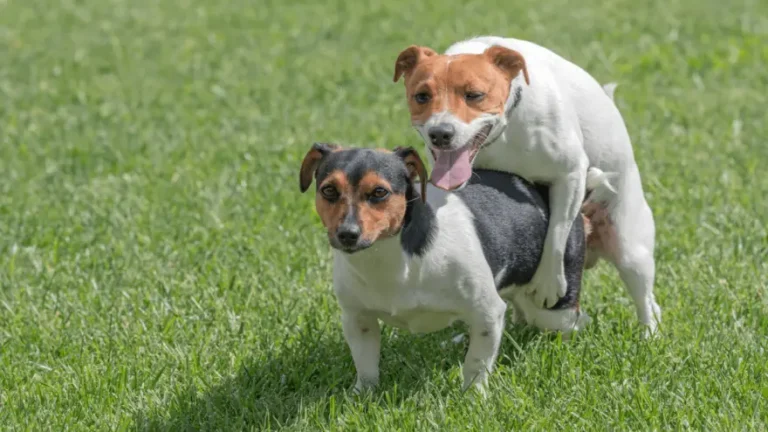
In dogs, mating is a reproductive behavior between dogs. A dog mounting a person is not the same thing as a dog choosing a human as a mate. Most of the time, the behavior is better described as mounting or humping, not true mating.
That distinction matters because the cause is usually behavioral, not sexual attraction to humans. Dogs do not understand human bodies the way people do. They may react to movement, scent, excitement, or routine, then repeat the behavior because it has worked before or reduced tension.
Why Dogs Hump People
Dogs hump people for several common reasons, and sexual intent is rarely the main one. The most likely causes are excitement, overstimulation, stress, attention-seeking, or learned habit.
1. Excitement and Overarousal
Some dogs hump when they get too excited. This can happen during greetings, play, visitors arriving, or busy household moments.
When a dog’s arousal level gets too high, humping can become an outlet. Think of it like a pressure valve. The dog is not being “naughty”; the dog is struggling to regulate energy.
2. Play Behavior
Young dogs and some adult dogs mount during play. They may do it with other dogs, toys, cushions, or people.
If the behavior appears in the middle of rough play or happy chaos, the dog may be responding to stimulation rather than trying to mate. In that case, the best fix is usually to interrupt the play calmly and redirect the dog before the habit gets stronger.
3. Stress or Anxiety
Some dogs hump when they feel uneasy. New environments, strangers, changes in routine, or conflict with other pets can trigger the behavior.
In these cases, humping can act like a displacement behavior. That means the dog is doing something repetitive to cope with tension. If the behavior appears with whining, pacing, lip licking, or tucked posture, stress is a strong possibility.
4. Attention-Seeking
If a dog has learned that humping gets a big reaction, the behavior may continue. People often shout, laugh, push the dog away, or make sudden movements, and that can be rewarding to the dog.
Even negative attention can reinforce the behavior. The dog learns, “When I do this, people focus on me.” For some dogs, that is enough to keep the habit alive.
5. Habit or Learned Association
Dogs repeat behaviors that have been reinforced. If humping once led to excitement, attention, or release of energy, the dog may keep doing it.
This is why the behavior can become a pattern. The dog does not need a deep reason each time. It may simply be following a learned routine.
6. Medical Causes
Sometimes humping increases because of a physical issue. Skin irritation, urinary problems, hormone-related conditions, pain, or neurological issues can contribute.
If the behavior is sudden, frequent, or paired with licking, scooting, restlessness, or changes in urination, a veterinarian should evaluate the dog. Medical causes should not be guessed away.
Is It Sexual?
Usually, no. Most dog-to-human mounting is not evidence that the dog is sexually attracted to humans.
Dogs may mount during mating with other dogs, but when they hump people, the motivation is usually different. The behavior is often about arousal, control, habit, or stress management. That is why neutering or spaying may reduce some cases but does not always stop the behavior.
Does Neutering Stop Humping?
Neutering can reduce hormone-driven behavior in some dogs, but it does not guarantee the behavior will stop. Many dogs continue to hump after neutering because the habit has become behavioral rather than reproductive.
If the dog humps because of excitement, stress, or learned reinforcement, training and management matter more than surgery alone. Neutering may still help in certain cases, but it is not a universal fix.
What You Should Do When a Dog Humps You
If your dog starts humping you, stay calm and avoid a big reaction. Sudden yelling, pushing, or laughing can make the behavior worse.
Use this simple sequence:
- Stop the interaction calmly.
- Turn away or step out of reach.
- Redirect the dog to a simple cue like sit, down, or place.
- Remove the trigger if excitement or guests are causing the behavior.
- Reward calm behavior right away.
If the dog keeps returning to hump, shorten the play session or give a break. The goal is to lower arousal before the dog crosses that threshold again.
How to Reduce the Behavior Long Term
Long-term improvement usually comes from managing arousal, reinforcing calm behavior, and identifying triggers.
Practical steps that help
- Give the dog enough exercise for its age and health.
- Use short training sessions to build impulse control.
- Teach a reliable “place” or “settle” cue.
- Interrupt overstimulating play before it escalates.
- Avoid rough handling that increases excitement.
- Reward calm greetings and relaxed body language.
If the dog humps mainly during playdates or around visitors, those situations need structure. If the dog humps when stressed, reduce exposure to the trigger and make the environment easier to handle.
When Humping Is a Warning Sign
Humping is usually a behavior issue, but it can sometimes signal a deeper problem. Contact a veterinarian if the behavior is new, extreme, or linked to other changes.
Watch for these signs:
- Sudden increase in humping
- Humping plus licking of genitals
- Scooting or signs of irritation
- Urinating more often or having accidents
- Restlessness or signs of pain
- Aggression, fear, or obsessive behavior
If the behavior seems compulsive or difficult to interrupt, a certified dog trainer or veterinary behavior professional may also help.
Common Mistakes Owners Make
One common mistake is treating humping like defiance. Dogs are not trying to dominate people in the simple way many online myths suggest.
Another mistake is giving too much attention during the behavior. Even negative attention can keep it going. A third mistake is ignoring medical causes when the behavior appears suddenly.
The best response is calm, consistent, and practical. Treat the behavior as information, not a personal insult.
Why This Behavior Happens More in Some Dogs Than Others
Some dogs hump more because of age, temperament, environment, or learned habit. Puppies and adolescents often show more impulsive behavior. High-energy dogs may also be more likely to do it when they get overexcited.
Households with lots of stimulation can also see more mounting. Guests, children, fast play, and inconsistent rules can all make the behavior easier to trigger. The dog is responding to the environment as much as to internal feelings.
Key Takeaways
- Dogs usually are not trying to sexually mate with humans.
- Most humping is linked to excitement, stress, play, attention, or habit.
- Medical problems can sometimes play a role.
- Neutering may help, but it does not always stop the behavior.
- Calm interruption, redirection, and training are the most useful first steps.

FAQs
Why does my dog hump me specifically?
Your dog may hump you because you are the closest moving target, because the dog is excited around you, or because the behavior has been reinforced before.
Is humping a sign of dominance?
Not usually. In most home settings, humping is better understood as overarousal, stress, or learned behavior rather than dominance.
Should I punish my dog for humping?
No. Punishment can increase stress and make the behavior worse. Calm redirection works better.
Will spaying or neutering stop humping?
Sometimes it helps, but not always. If the behavior is learned or excitement-based, training is still needed.
When should I call a vet?
Call a vet if the behavior starts suddenly, becomes intense, or comes with licking, scooting, pain, urinary changes, or other unusual symptoms.
Conclusion
Dogs try to hump humans for reasons that are usually behavioral, not sexual. The most common causes are excitement, stress, play, attention, and habit. If the behavior is new or extreme, rule out a medical issue first. If it is a training issue, calm management and consistent redirection are the most effective next steps.