Why Does My Dog Eat Mint Leaves: What It Means
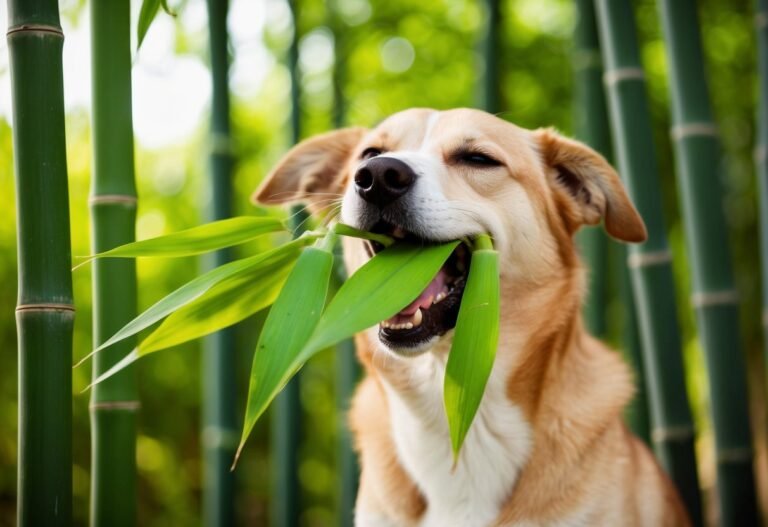
A dog may eat mint leaves because the scent and cool taste interest them, because they like to graze, or because they are bored. A few plain leaves usually cause no lasting harm in many dogs, but mint is not a safe treat to offer freely. Some mint plants can upset a dog’s stomach, and pennyroyal mint and concentrated mint oils can be dangerous.
The plant must be identified before you decide what to do. Common garden mint is different from pennyroyal, and fresh leaves are very different from essential oil. If your dog ate an unknown mint plant, a large amount, or shows signs of illness, call your veterinarian or a U.S. animal poison service.

Is Mint Safe for Dogs?
Mint is not uniformly safe for dogs. The risk depends on the mint species, the amount eaten, the part of the plant, and whether the plant had pesticides or other chemicals on it.
The ASPCA lists garden mint, or Mentha spicata, as toxic to dogs. The reported signs include vomiting and diarrhea. This does not mean that one small leaf will always cause poisoning, but it does mean mint should not become a regular snack.
Common mint compared with pennyroyal
| Plant or product | Main concern for dogs | What to do |
|---|---|---|
| Spearmint or garden mint | May cause vomiting, diarrhea, or stomach upset | Remove access and monitor |
| Peppermint leaves | May irritate the stomach, especially in larger amounts | Call your veterinarian if symptoms develop |
| Pennyroyal mint | Can cause serious poisoning and liver injury | Contact a veterinarian or poison service at once |
| Mint essential oil | Highly concentrated; can be toxic if swallowed or placed on the skin | Treat as a possible poisoning |
| Mint-flavored gum or candy | May contain xylitol, which is highly dangerous to dogs | Seek urgent veterinary help |
Pennyroyal is especially important because its common name includes “mint,” but its oil contains compounds that can damage the liver. Do not assume a plant is safe just because it smells like peppermint.
The ASPCA Animal Poison Control Center can be reached in the United States at (888) 426-4435. The Pet Poison Helpline is available at (855) 764-7661. Fees may apply, so keep the plant label or a clear photo ready when you call.
Why Does My Dog Eat Mint Leaves?
Dogs eat mint leaves for several ordinary reasons, but eating them does not prove that mint is helping a health problem.
1. The smell and taste attract them
Mint has a strong scent. Dogs experience the world largely through smell, so a fresh mint plant may stand out during a walk or in a garden.
Some dogs also like the plant’s cool, sharp taste. A dog may chew a mint leaf for the same simple reason it chews grass, leaves, or other plants: the texture and flavor are interesting.
2. Your dog may be grazing
Many dogs nibble grass and plants during outdoor time. This behavior can be casual and short-lived. It may happen during exploration rather than because the dog needs a specific nutrient.
There is no good evidence that dogs reliably choose mint to treat a stomach problem. A dog that eats mint after feeling sick may simply be attracted to the plant or may already have an illness that needs attention.
3. Boredom can lead to plant chewing
Dogs with little exercise, play, or mental activity may chew plants because the behavior gives them something to do. This is more likely when a dog repeatedly seeks out leaves, digs near plants, or chews household objects.
More walks, scent games, food puzzles, and supervised play can reduce this pattern. These steps help with the behavior, but they do not make an unsafe plant safe.
4. The behavior may be self-rewarding
Chewing produces a taste, texture, and sensory change. If the dog enjoys that experience, they may return to the same plant.
A dog can also learn that plant chewing brings attention. Chasing or scolding may accidentally make the behavior more exciting. Calmly interrupting the dog and offering a safe alternative usually works better.
5. Nausea or another health issue may be present
Occasional plant eating is not usually enough to diagnose illness. However, frequent or sudden plant eating paired with vomiting, diarrhea, drooling, appetite loss, belly pain, or low energy deserves veterinary attention.
Dogs may also chew or swallow nonfood items because of anxiety, intestinal disease, nutritional problems, or a condition called pica. A veterinarian can help separate a habit from a medical problem.

What Should You Do If Your Dog Eats Mint?
Start by checking the plant, estimating the amount, and looking for symptoms. Do not make your dog vomit unless a veterinarian or poison professional specifically tells you to do so.
Follow these steps
- Move your dog away from the plant. Prevent more eating while you investigate.
- Identify the plant. Look for the label, take clear photos of the leaves and flowers, and note where it grew.
- Estimate the amount. A few chewed leaves are different from a large mouthful, a whole plant, or an essential-oil product.
- Check for added chemicals. Recent lawn treatments, insect sprays, fertilizer, or slug products may create a separate poisoning risk.
- Watch your dog closely. Look for vomiting, diarrhea, drooling, weakness, unusual behavior, tremors, breathing trouble, or collapse.
- Call for advice when the risk is unclear. Contact your veterinarian, ASPCA Animal Poison Control, or Pet Poison Helpline.
Do not give milk, salt, oil, hydrogen peroxide, or human medicine as a home remedy. These actions can cause further harm or make treatment harder.
When is it an emergency?
Seek urgent veterinary care if your dog ate pennyroyal, mint oil, an unknown plant, or a mint-flavored product that may contain xylitol. Urgent help is also needed for:
- Repeated vomiting or severe diarrhea
- Extreme sleepiness, weakness, or collapse
- Tremors or seizures
- Trouble breathing
- Pale gums
- Severe drooling or trouble swallowing
- A painful or swollen abdomen
- Known exposure to pesticides or fertilizer
- A very young, elderly, pregnant, or medically fragile dog
Do not wait for symptoms after a suspected pennyroyal or essential-oil exposure. Some toxic effects can become more difficult to treat after they progress.

Can Dogs Eat Fresh Mint, Peppermint, or Spearmint?
A small amount of plain fresh mint may cause no problem in some dogs, but that is not a reason to feed it on purpose. Peppermint and spearmint can still irritate the digestive tract, and plant identification can be difficult.
Fresh leaves should never be confused with these higher-risk products:
- Essential oils: These are concentrated and can be harmful when swallowed, inhaled in high amounts, or applied to the skin.
- Mint candies and gum: Sugar-free products may contain xylitol, an ingredient that can cause a rapid and dangerous drop in blood sugar and may injure the liver.
- Mint tea or extracts: These may contain concentrated ingredients or other herbs that are not safe for dogs.
- Pennyroyal products: These can be especially dangerous because of their liver-toxic compounds.
If you want to freshen your dog’s breath, use a veterinary dental product made for dogs rather than human mint products. Bad breath can come from dental disease, so persistent odor should be checked by a veterinarian.

How Can You Stop Your Dog From Eating Mint Leaves?
The safest approach is to block access and teach a replacement behavior. Do not rely on the dog to identify which plants are safe.
Make the area safer
Remove mint from places your dog can reach, use a secure garden barrier, or keep your dog on a leash near unknown plants. Avoid chemical treatments in areas where your dog grazes unless the product label and your veterinarian support safe use.
Keep essential oils, herbal products, gum, candy, and gardening supplies in closed cabinets. A sealed container is safer than a countertop or open bag.
Teach “leave it”
Practice indoors first:
- Place a low-value item on the floor.
- Say “leave it” once.
- Reward your dog when they look away from the item.
- Repeat with gradually more tempting items.
- Practice near plants only when your dog can respond reliably.
Use a high-value dog-safe treat. Do not punish the dog after they reach a plant. Instead, guide them away and reward the choice to follow you.
Add safe outlets
Offer daily walks, sniffing time, chew toys, training games, and food puzzles. If your dog still eats plants whenever possible, discuss the behavior with a veterinarian or qualified veterinary behavior professional.

Mint Leaves Versus Other Common Plant Risks
Mint is only one part of the plant-safety problem. A dog may eat a plant because it is available, not because it can tell whether the plant is toxic.
Be especially cautious around:
- Sago palm
- Oleander
- Azaleas and rhododendrons
- Lilies, particularly around cats in the same home
- Tulip and daffodil bulbs
- Mushroom growth in lawns
- Unknown wild plants
- Plants treated with herbicides or insecticides
The safest rule is simple: identify plants before allowing access. The ASPCA’s searchable plant database can help with first identification, but a veterinarian or poison professional should guide urgent treatment decisions.
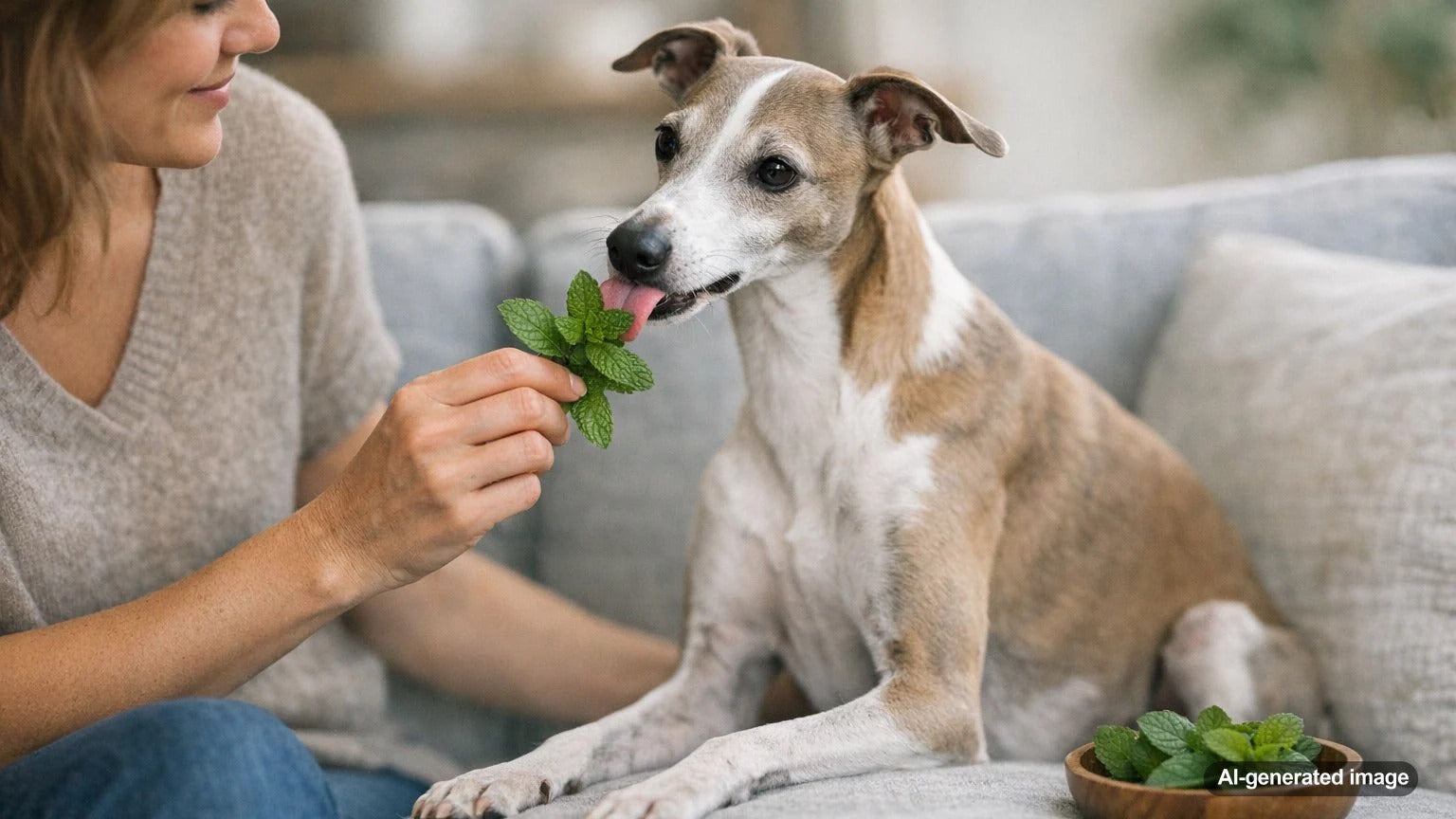
Common Mistakes to Avoid
Assuming “natural” means safe
Mint is a natural plant, but natural substances can still irritate the stomach or harm the liver. Essential oils are natural and highly concentrated at the same time.
Treating every mint plant as the same
Common names can be confusing. Take a photo and confirm the species, especially if the plant came from a wild area or an unlabeled garden bed.
Waiting for severe symptoms
Mild signs can worsen, and some toxic exposures need early treatment. Call promptly when the plant or product is high risk.
Giving human breath products
Human gum, candy, toothpaste, and mouthwash may contain xylitol, alcohol, or other ingredients that dogs should not swallow.
Assuming plant eating is always behavioral
A new pattern of grazing, repeated vomiting, appetite loss, or weight change may point to a medical issue. A veterinary exam is the right next step.

Frequently Asked Questions
Is one mint leaf dangerous for a dog?
One plain leaf may not cause a serious problem, but no one can assess the risk without knowing the plant species, amount, and dog’s health. Monitor your dog and call your veterinarian if the plant is unknown or symptoms appear.
Can dogs eat mint leaves to freshen their breath?
Do not use mint leaves as a breath treatment. Ongoing bad breath may signal dental disease or another health problem. Ask your veterinarian about dog-safe dental care.
Is peppermint oil safe for dogs?
Do not give peppermint oil to your dog or apply it to the skin unless a veterinarian specifically directs you. Essential oils are concentrated and may cause poisoning.
What if my dog ate pennyroyal?
Treat pennyroyal as an urgent poisoning risk. Call your veterinarian or a U.S. animal poison service immediately, even if your dog seems normal.
Can mint leaves cause vomiting or diarrhea?
Yes. The ASPCA identifies garden mint as toxic to dogs and lists vomiting and diarrhea among possible signs. The risk may be higher after a larger amount or exposure to concentrated mint products.
Key Takeaways
- Dogs may eat mint because of its smell, taste, texture, boredom, or grazing habit.
- Mint is not a dependable remedy for nausea or bad breath.
- Common garden mint can cause vomiting or diarrhea.
- Pennyroyal and mint essential oils are higher-risk exposures.
- Mint gum and candy may contain xylitol.
- Identify the plant, stop further access, and contact a veterinarian when the amount or species is unknown.
- Never induce vomiting or give home remedies without professional instructions.
Conclusion
Your dog may eat mint leaves out of curiosity or habit, but the behavior does not show that mint is beneficial. Keep dogs away from mint plants when possible, especially unknown varieties, pennyroyal, treated garden plants, and essential oils.
If your dog ate a small amount of identified garden mint and feels well, remove access and monitor closely. If the plant was unknown, the amount was large, or your dog has vomiting, diarrhea, weakness, tremors, or other unusual signs, contact a U.S. veterinarian or animal poison service without delay.