Why Does My Dog Eat Loropetalum Leaves: Safe Advice
Introduction
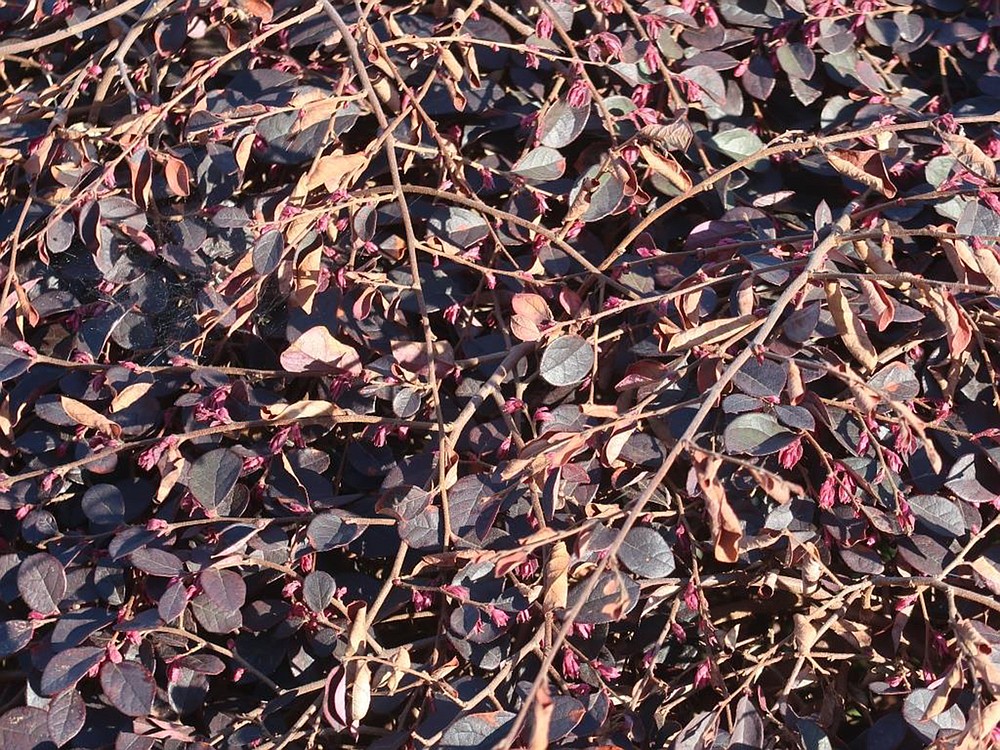
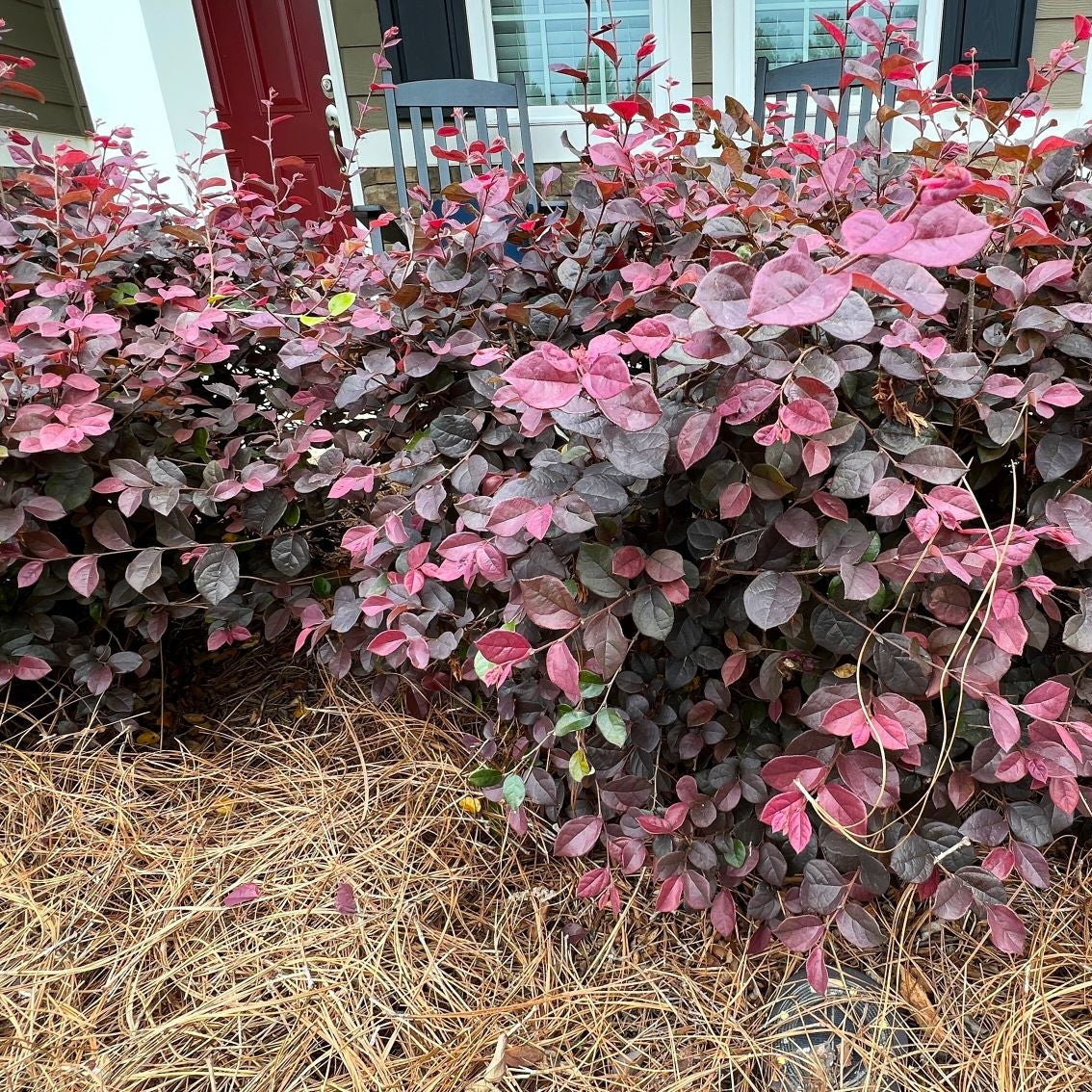
If your dog eats loropetalum leaves, the most likely reasons are simple: curiosity, boredom, grazing, taste, or an upset stomach. Loropetalum, also called Chinese fringe flower, is a common landscape shrub in the southern United States and other warm parts of the country.
A small amount of plain leaf material is not usually treated as a serious poisoning risk. However, the plant may have been sprayed with an insecticide, herbicide, or fertilizer. Large amounts of any plant can also cause vomiting, diarrhea, or choking. Watch your dog closely, remove access to the shrub, and call your veterinarian if symptoms appear or if you do not know what was applied to the plant.
Is Loropetalum Poisonous to Dogs?
Loropetalum is not widely recognized as a common poisonous plant for dogs. The ASPCA’s toxic and non-toxic plant database is a useful first check, but a plant’s absence from a list does not prove that every part is safe in every amount.
The main risk often comes from how much your dog ate and what was on the leaves, rather than from loropetalum itself. Garden chemicals can be more dangerous than the plant tissue.
Possible problems include:
- Mild stomach upset
- Drooling or lip licking
- Vomiting
- Loose stool or diarrhea
- Reduced appetite
- Mouth irritation
- Choking if a large piece was swallowed
- Chemical poisoning from treated leaves
- Intestinal blockage in unusual cases involving large amounts of plant matter
Dogs can react differently based on size, age, health, and the amount eaten. A small dog that eats a large bundle of leaves may face more risk than a large dog that chews one or two leaves.
Why plant material can upset a dog’s stomach
Dogs do not digest all plant fibers well. Leaves contain fiber and other compounds that can irritate the stomach or move through the gut poorly. Even a non-toxic shrub can cause temporary symptoms when eaten in large amounts.
This is similar to eating too much grass. The plant may not be poisonous, but the quantity can still upset the digestive system.

Why Does My Dog Eat Loropetalum Leaves?
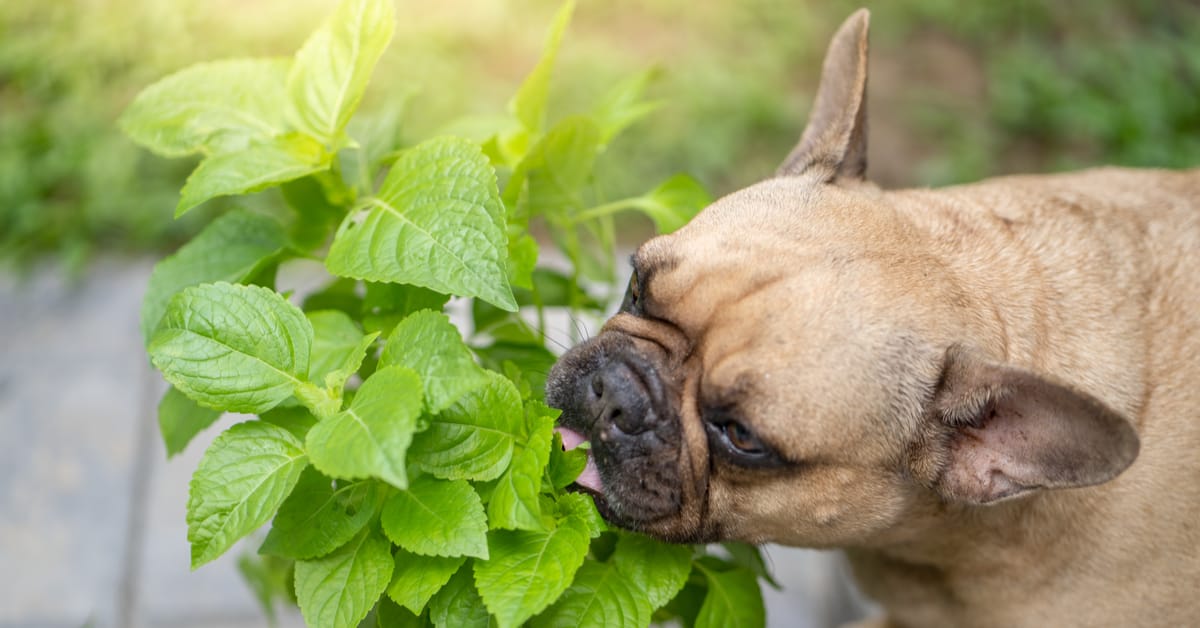
Your dog may eat loropetalum leaves because of normal grazing behavior, boredom, curiosity, or a medical issue. The pattern matters more than one isolated bite.
1. Your dog is exploring the yard
Dogs use their mouths to investigate new smells and textures. Fresh leaves may be interesting because they carry strong plant scents, moisture, or traces of insects.
This is especially common in puppies and young dogs. They often chew plants as part of normal exploration.
2. Your dog enjoys grazing
Some dogs regularly eat grass, leaves, or other plants. Grazing does not always mean that a dog feels sick. Many dogs eat plants without vomiting afterward.
Still, frequent plant eating deserves attention if it has increased suddenly or occurs with weight loss, diarrhea, pain, or appetite changes.
3. Your dog is bored or under-stimulated
A dog with too little exercise or mental activity may turn shrubs into a source of entertainment. Chewing can help pass time and may provide a calming activity.
This is more likely when your dog eats leaves while alone, waits near the shrub, or ignores other plants during walks but targets the same bush at home.
4. The leaves may taste or smell appealing
loropetalum leaves may have a texture or scent your dog likes. Moist leaves can also be more attractive after rain or watering.
Dogs may target a shrub because insects, bird droppings, compost, mulch, or fertilizer have added appealing smells.
5. Your dog may have pica
Pica is the repeated eating of non-food items. A dog with pica may eat plants, soil, rocks, fabric, plastic, or paper.
Pica can relate to habit, anxiety, poor diet, intestinal disease, parasites, or other health problems. A veterinarian should assess repeated or intense plant eating, especially when your dog eats many non-food items.
6. A health problem may be contributing
Plant eating alone does not diagnose an illness. However, a sudden change in eating behavior can occur with:
- Nausea
- Intestinal irritation
- Parasites
- Dietary imbalance
- Anxiety
- Pain
- Endocrine disease
- Problems that affect appetite or digestion
Do not assume that eating leaves is your dog’s way of treating an illness. Dogs cannot reliably choose plants as medicine.

What to Do If Your Dog Ate Loropetalum
If your dog ate a small amount of untreated loropetalum and seems normal, remove access and monitor closely. Do not give home remedies or make your dog vomit unless a veterinarian or poison professional tells you to do so.
Follow these steps:
- Move your dog away from the shrub. Prevent more eating while you assess the situation.
- Estimate the amount eaten. Note whether your dog took one bite, chewed several leaves, or swallowed a large branch.
- Check for garden chemicals. Look for recent applications of weed killer, insect spray, slug bait, fertilizer, or systemic products.
- Save the product label if one was used. The product name and active ingredient help a veterinarian judge the risk.
- Inspect your dog. Look for drooling, vomiting, diarrhea, weakness, mouth irritation, coughing, or breathing trouble.
- Offer normal access to fresh water. Do not force water, food, oil, milk, salt, or other substances.
- Call your veterinarian if symptoms develop or the amount is uncertain.
If your dog is unconscious, having seizures, struggling to breathe, collapsing, or bleeding, seek emergency veterinary care at once.
When to call a poison service
Call a pet poison service or emergency veterinarian when:
- The leaves may have pesticide or herbicide residue.
- Your dog ate a large amount.
- Your dog is very small, elderly, pregnant, or medically fragile.
- Your dog is already vomiting or acting abnormal.
- The product used on the shrub is unknown.
- Your dog ate treated mulch, bait, or fertilizer along with the leaves.
In the United States, your veterinarian may direct you to the ASPCA Animal Poison Control Center or the Pet Poison Helpline. These services can assess the specific plant, chemical, amount, and timing.

Symptoms to Watch for After Leaf Ingestion
Mild symptoms may pass, but persistent or severe signs need veterinary advice. Use the table below as a guide, not as a diagnosis.
| Sign | Possible concern | What to do |
|---|---|---|
| One or two chewed leaves with normal behavior | Minor plant ingestion | Remove access and monitor |
| Mild drooling or lip licking | Mouth or stomach irritation | Contact your vet if it continues |
| One episode of vomiting | Stomach irritation or another cause | Watch closely; call if repeated |
| Repeated vomiting or diarrhea | Significant irritation, toxin, or illness | Call a veterinarian promptly |
| Weakness, wobbling, tremors, or collapse | Possible poisoning or serious illness | Seek emergency care |
| Coughing, choking, or trouble breathing | Airway problem | Seek emergency care immediately |
| Belly pain, bloating, or repeated straining | Possible obstruction or severe illness | Seek veterinary care |
| No appetite lasting into the next day | Ongoing stomach or health problem | Call your veterinarian |
A dog that has mild, short-term stomach upset may recover without treatment. You cannot safely rule out chemical exposure based only on the plant’s name.

How to Stop Your Dog From Eating Loropetalum
The safest solution is to block access and replace the behavior. Do not rely only on verbal correction after your dog has already grabbed a leaf.
Use a physical barrier
Install a garden fence, low plant guard, or temporary exercise pen around the shrub. A barrier works best when it prevents access even when you are not watching.
Keep fallen leaves picked up. Do not leave pruned branches in the yard.
Supervise outdoor time
Take your dog outside on a leash while you teach a “leave it” cue. Reward your dog as soon as they turn away from the plant.
Use a calm voice. Punishment can increase anxiety and may make a dog grab leaves more quickly when you are not looking.
Add exercise and mental work
Daily walks, scent games, food puzzles, short training sessions, and safe chew items can reduce boredom. The right amount depends on your dog’s age, breed, health, and energy level.
A dog that has enough activity is not guaranteed to stop eating plants, but enrichment can reduce the need to create its own entertainment.
Check the whole yard
If your dog targets one shrub, inspect the area for:
- Fertilizer granules
- Pesticide residue
- Moldy mulch
- Compost
- Animal waste
- Insects
- Standing water
- Other toxic plants
A dog may appear to be eating loropetalum when the true attraction is fertilizer or something under the shrub.
Review the behavior with your veterinarian
Arrange a veterinary visit if the behavior is new, intense, or paired with digestive signs. Bring a photo of the plant and a list of any lawn or garden products used nearby.

Loropetalum Leaf Eating: Common Situations
The best response changes with the situation.
| Situation | Likely meaning | Recommended response |
|---|---|---|
| One small bite, no symptoms | Curiosity or grazing | Remove access and monitor |
| Several leaves eaten after spraying | Possible chemical exposure | Call your vet or poison service |
| Repeated eating every day | Habit, boredom, pica, or health issue | Use barriers and schedule a vet check |
| Eating leaves with grass and soil | Broad grazing behavior | Improve supervision and enrichment |
| Eating leaves with vomiting | Stomach upset or another illness | Contact your veterinarian |
| Chewing the plant only when alone | Boredom or anxiety | Add enrichment and assess stress |
| Eating branches or large bundles | Choking or obstruction risk | Call a veterinarian promptly |
Do not use this table to estimate a safe dose. There is no reliable home dose chart for loropetalum leaves because risk depends on the dog, the product exposure, and the amount eaten.

What Not to Do
Avoid several common responses that can make the situation worse.
- Do not induce vomiting with hydrogen peroxide unless a veterinarian specifically directs you.
- Do not give salt, oil, milk, charcoal, or human medicine without veterinary advice.
- Do not assume “natural” means safe. Some natural garden products can harm dogs.
- Do not wait for severe symptoms if pesticide or fertilizer exposure is possible.
- Do not punish your dog after the fact. Dogs usually do not connect delayed punishment with the earlier behavior.
- Do not replace the shrub with another plant without checking its safety. Some common landscaping plants are highly toxic to dogs.
If you are unsure which plant your dog ate, take clear photos of the leaves, flowers, bark, and whole shrub. Plant identification can change the advice.
When Loropetalum Eating Signals a Bigger Problem
A single episode is often a behavior issue. Repeated or intense leaf eating needs a wider look.
Contact your veterinarian if your dog:
- Eats plants daily or compulsively
- Eats soil, rocks, plastic, fabric, or other objects
- Loses weight
- Has ongoing vomiting or diarrhea
- Has blood in the stool
- Seems painful, tired, or restless
- Drinks or urinates much more than usual
- Has a sudden change in appetite
- Develops the behavior as an adult without a clear cause
Your veterinarian may ask about diet, bowel movements, medications, stress, parasite prevention, and access to chemicals. Testing may be needed when the behavior occurs with other signs.

Frequently Asked Questions
Can loropetalum leaves make my dog sick?
They can cause stomach upset, especially when eaten in a large amount. The greater concern may be chemicals placed on the shrub. Call your veterinarian if your dog vomits repeatedly, develops diarrhea, acts weak, or may have eaten treated leaves.
Should I make my dog vomit after eating loropetalum?
No. Do not make your dog vomit unless a veterinarian or poison professional gives clear instructions. Vomiting can cause additional injury or aspiration in some situations.
Why does my dog eat leaves but seem fine?
Some dogs graze out of curiosity, habit, or boredom. A dog can eat leaves without being ill, but repeated behavior should still be managed. Block access and ask your veterinarian about it if the habit is persistent or increasing.
Can dogs eat loropetalum flowers or bark?
Do not let your dog eat any part of the shrub. The safety of a plant part can differ, and flowers or bark may carry chemicals or create a choking risk. Contact a veterinary professional if your dog ate a large amount.
What plants are safer alternatives for a dog-friendly yard?
No plant is risk-free if a dog eats a large amount or if the plant is treated with chemicals. Before planting, check the ASPCA plant database and confirm the identification with a local nursery or extension service. Also avoid fertilizer, pesticide, and mulch products that are unsafe for pets.
Conclusion
Your dog may eat loropetalum leaves because of curiosity, grazing, boredom, taste, or a repeated behavior pattern. A small amount of untreated leaf material is not usually considered a major poisoning emergency, but it can still cause stomach upset.
Remove access, check whether the shrub was treated, and monitor your dog. Get veterinary help quickly for repeated vomiting, weakness, breathing trouble, tremors, collapse, severe pain, or any known chemical exposure. If leaf eating keeps happening, treat it as a behavior or health clue rather than simply a bad habit.
Sources and further reading
- ASPCA Animal Poison Control Center
- ASPCA Toxic and Non-Toxic Plants
- Pet Poison Helpline
- North Carolina Extension Gardener Plant Toolbox