The safest way to get an old dog to eat is to first find the reason for reduced appetite, then improve food smell, comfort, routine, and meal appeal while watching for signs that need veterinary care.
Across the United States, many families share their homes with senior dogs that have been loyal companions for years. When an older dog suddenly eats less or refuses meals, owners often worry that aging alone is the cause. However, appetite changes in older dogs can come from many factors, including dental discomfort, health problems, medication effects, stress, or simple changes in taste and smell.
Helping an old dog eat again starts with understanding why the dog is avoiding food. A senior dog may need softer meals, stronger food aromas, smaller portions, or a calmer feeding area. At the same time, a sudden loss of appetite should not be ignored because it can sometimes signal an underlying medical issue that requires a veterinarian’s evaluation.
This guide explains practical steps for encouraging an old dog to eat, what adjustments owners can safely try at home, mistakes to avoid, and when professional help is needed.
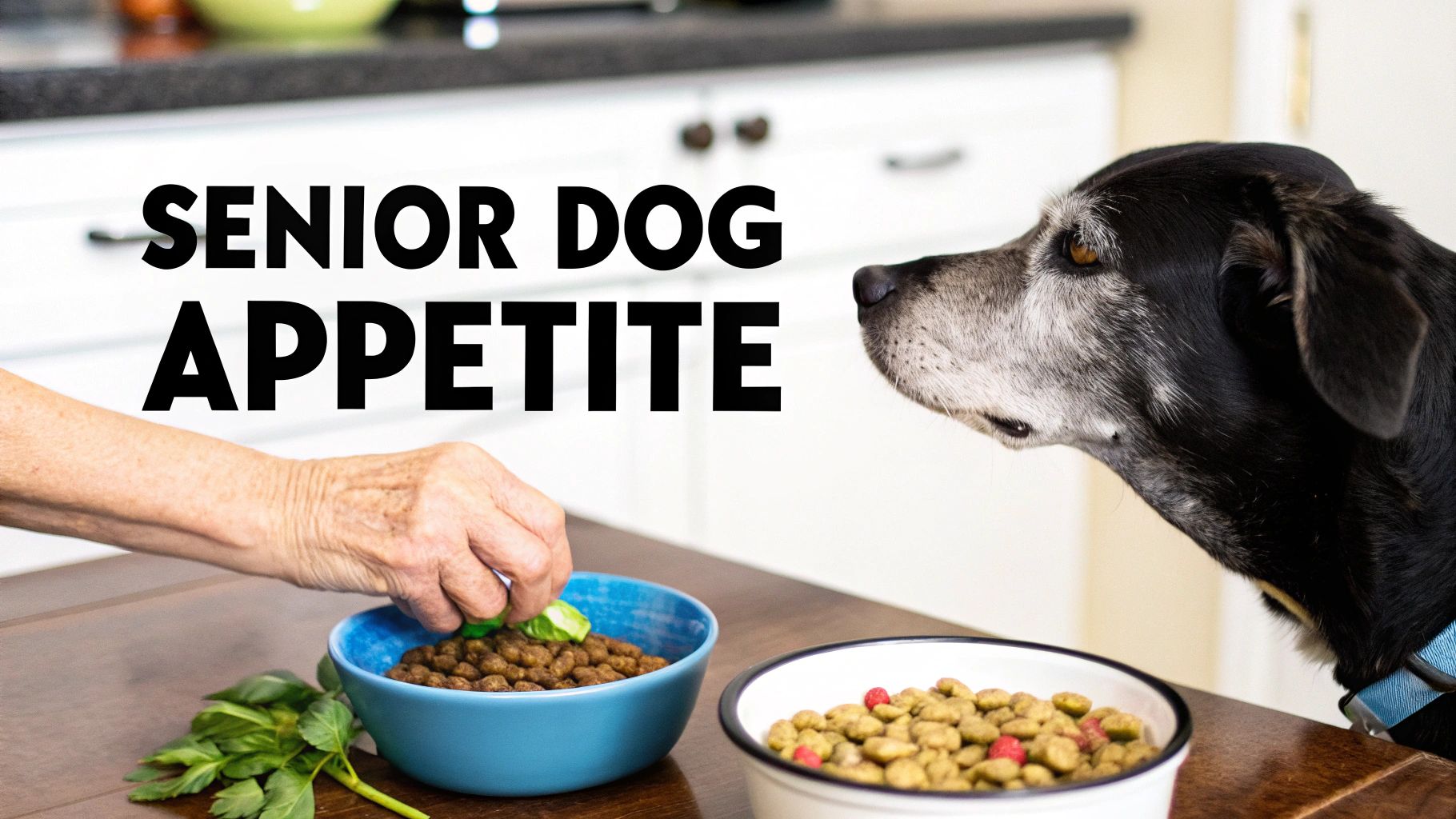
Source: storage.googleapis.com
Why Old Dogs Stop Eating As They Age
Older dogs may eat less for many different reasons. Aging itself can change a dog’s senses, activity level, digestion, and interest in food, but reduced appetite should still be evaluated carefully.
The most helpful first step is to observe changes around the eating problem. Note when the appetite decreased, whether the dog refuses all food or only certain foods, and whether other symptoms appear.
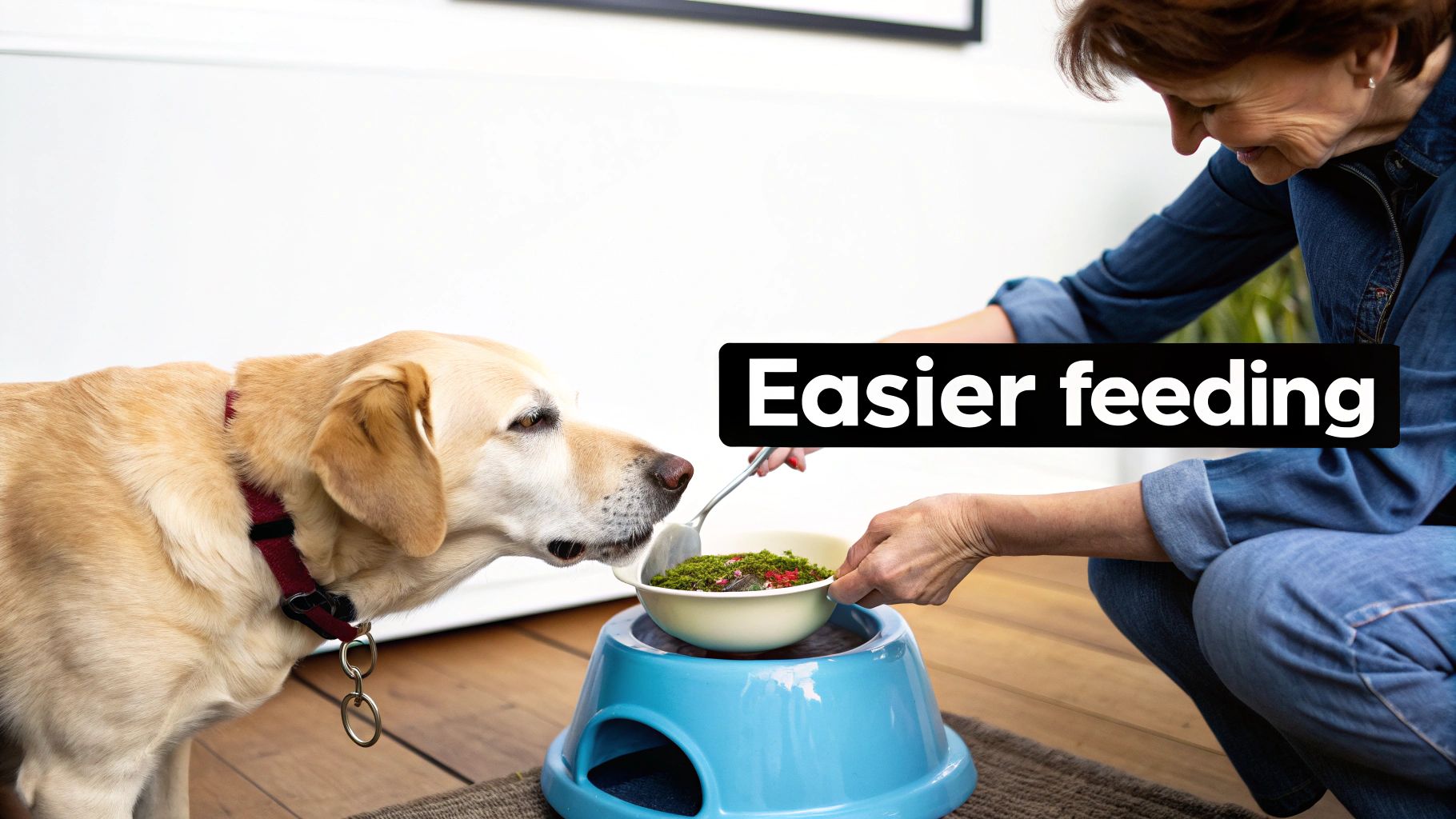
Source: chowpownow.com
Dental discomfort
Tooth disease, sore gums, or mouth pain can make chewing uncomfortable. A dog may approach food but avoid eating because the process hurts.
Reduced sense of smell
Dogs rely heavily on smell when deciding whether food is appealing. Older dogs may respond better to foods with stronger natural aromas.
Health conditions
Kidney disease, digestive problems, infections, pain, and other medical issues can reduce appetite in senior dogs.
Medication effects
Some medications can change appetite, taste, thirst, or digestion. A veterinarian can help determine whether a medication may be involved.
How To Tell If Appetite Loss Needs Attention
A temporary decrease in interest after a stressful event may resolve, but ongoing refusal to eat deserves attention. Older dogs have fewer reserves than younger dogs, especially if they already have health concerns.
Contact a veterinarian if your dog refuses food for a prolonged period, loses weight, seems weak, has repeated vomiting or diarrhea, shows pain, or has major behavior changes.
Monitor changes
Track meals, water intake, body weight changes, energy level, and bathroom habits.
How To Get An Old Dog To Eat More Comfortably
The best feeding approach depends on why the dog is not eating. Start with simple changes that make meals easier and more appealing without creating unhealthy habits.
The goal is not to force eating but to remove barriers. A comfortable senior dog is more likely to approach food when the meal feels safe, smells appealing, and matches the dog’s physical needs.
Source: caringforaseniordog.com
Warm the food slightly
Gentle warming can increase aroma and make food more appealing. Avoid serving food that is too hot.
Offer smaller meals
Some older dogs handle several small meals better than one large portion because digestion and appetite may change with age.
Improve texture
Dogs with dental issues may prefer softer food or food that is easier to chew.
Create a calm feeding space
Noise, competition from other pets, or uncomfortable surroundings can reduce interest in eating.
Adjust Food Without Causing Stomach Problems
Sudden food changes can upset a dog’s digestive system. If you introduce a new food, a gradual transition is usually easier for many dogs to tolerate.
Avoid adding large amounts of table scraps or high-fat foods to encourage eating because these can create digestive problems and may not meet a senior dog’s nutritional needs.
Change slowly
Mix increasing amounts of the new food with the old food when a complete diet change is needed.
A Step-By-Step Plan For Encouraging An Older Dog To Eat
A simple routine can help you identify what works. Make one change at a time so you can understand which adjustment improves your dog’s appetite.
Patience matters because senior dogs may need more time to adapt to changes in food, environment, or daily routine.
Source: chowpownow.com
Step 1: Check the basics
Confirm that the food is fresh, the bowl is clean, and the feeding area is comfortable.
Step 2: Make meals easier
Try softer textures, smaller portions, or a slightly warmer meal if appropriate.
Step 3: Keep a schedule
Regular meal times can help some dogs develop predictable eating habits.
Step 4: Observe results
Record whether appetite improves and watch for new symptoms.
Signs The Feeding Changes Are Helping
Positive signs include returning interest in meals, eating a reasonable amount, maintaining weight, and showing normal energy for the dog’s age and condition.
Improvement should be judged over time rather than from a single meal because appetite naturally varies.
Better meal response
The dog approaches food willingly and eats without signs of discomfort.
Common Mistakes When Feeding A Senior Dog That Will Not Eat
Owners often try to help by offering many different foods, hand-feeding constantly, or forcing meals. Some of these actions may create more problems instead of solving the original issue.
A better approach is to balance encouragement with careful observation. Food refusal is communication from your dog that something has changed.
Source: storage.googleapis.com
Do not force-feed without guidance
Pushing food into a dog’s mouth can cause stress and may create choking risks, especially if the dog has swallowing difficulties.
Do not ignore sudden changes
A sudden appetite loss in an older dog may need medical evaluation.
Do not rely only on treats
Treats may encourage eating temporarily but should not replace a balanced diet.
When A Veterinarian Should Be Involved
Veterinary support is especially important when appetite loss happens with other changes. Older dogs can have several conditions at once, and symptoms may overlap.
A veterinarian may recommend an examination, dental evaluation, laboratory tests, or other checks depending on the dog’s symptoms and history.
Examples include severe weakness, repeated vomiting, difficulty breathing, significant weight loss, pain, or refusing food for an extended period.
Food Choices And Feeding Adjustments For Older Dogs
There is no single food that works for every senior dog. The right choice depends on the dog’s health, body condition, activity level, and veterinarian recommendations.
Some older dogs need diets designed for specific health needs, while others simply need changes that make eating easier and more comfortable.
Source: storage.googleapis.com
Soft food options
Moist or softened foods may be easier for dogs with chewing challenges.
Balanced nutrition
Meals should still provide appropriate nutrients instead of only focusing on making the dog eat something.
Individual needs
Age alone does not determine the best diet because senior dogs have different health conditions.
Understanding The Difference Between Picky Eating And A Health Problem
Some dogs become selective as they age, but a major appetite change is different from normal preferences. A dog that suddenly avoids food may be experiencing discomfort or illness.
The pattern matters. A dog refusing one type of food but eating treats may have different needs than a dog refusing all food and water.
Look for patterns
Compare current eating habits with your dog’s normal behavior.
Frequently Asked Questions
Q
How long can an old dog go without eating?
The answer depends on the dog’s health, age, size, and condition. A senior dog that stops eating should be monitored closely, especially if other symptoms appear. Contact a veterinarian if the refusal continues or the dog seems unwell.
Q
Should I hand-feed my old dog to make it eat?
Hand-feeding can help some dogs temporarily, especially if they need encouragement, but it should not replace finding the reason for appetite loss. If a dog only eats when hand-fed, discuss the change with a veterinarian if it continues.
Q
Why does my old dog want treats but not regular food?
Treats often have stronger smells and flavors, which can make them more attractive. However, refusing regular meals may still indicate dental discomfort, illness, or a preference issue that needs attention.
Q
Can dental problems stop an old dog from eating?
Yes. Dental pain can make chewing uncomfortable. Dogs with mouth pain may show interest in food but avoid eating or chew differently.
Q
What should I do if my senior dog suddenly stops eating?
Check for other symptoms, provide fresh water, avoid forcing food, and contact a veterinarian if the problem is significant or continues.
✦ Wrapping Up
Conclusion
Getting an old dog to eat requires patience, observation, and a focus on comfort. The most effective approach is usually to identify the reason behind the appetite change, then make safe adjustments that support easier and more enjoyable meals.
A senior dog’s eating habits can change with age, but major or sudden appetite loss should never be dismissed. Careful monitoring and timely veterinary support can help protect your dog’s health and quality of life.
💡 Key Takeaway
Start by checking for health concerns, then improve meal comfort with small changes such as softer food, stronger aroma, smaller portions, and a calm routine while monitoring your dog’s response.