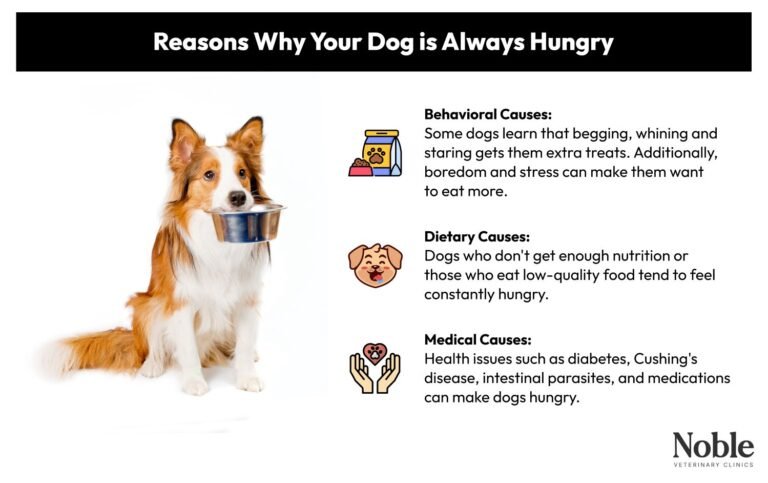
Why Is My Husky Not Eating? Causes, Warning Signs, and What to Do
If you are asking, “why is my husky not eating,” start by looking at the whole dog, not just the food bowl. A Husky that skips one meal but stays playful, drinks water, and has normal stools may have a short-term appetite change. A Husky that refuses food and also seems weak, painful, sick, or unusually quiet needs more attention.
Huskies can also be selective eaters. They may eat less when the weather is hot, after a change in routine, or when they have had too many treats. Still, appetite loss can also be an early sign of dental disease, digestive trouble, infection, pain, or another medical problem. The safest approach is to look for other signs and watch how long the change lasts.
![Your husky won't eat for these 5 reasons. [Updated Guide]](https://i.ytimg.com/vi/pcKhednJhl8/hqdefault.jpg "Your husky won't eat for these 5 reasons. [Updated Guide]")
Why Is My Husky Not Eating?
There is no single answer to why is my husky not eating. Appetite can change for simple reasons, such as warm weather or a new food. It can also drop because your dog feels sick or has pain.
The key is to notice what else has changed. A healthy Husky that skips a meal is different from one that refuses food, vomits, hides, has diarrhea, or seems weak.
Dogs can have reduced appetite with digestive disease, mouth problems, pain, infections, and many other conditions. That is why a sudden and lasting change should not be ignored.
- ✦ Food preference
Your Husky may dislike a new flavor, texture, smell, or formula. Some dogs also lose interest in food after eating the same diet for a long time.
- ✦ Heat and activity
Hot weather can reduce appetite. This can be more noticeable during warm summers, especially when outdoor activity changes.
- ✦ Stress
Moving, travel, visitors, loud sounds, a new pet, or changes in daily routine can affect eating.
- ✦ Illness or pain
Dental pain, stomach problems, infection, injury, and other health issues can make a dog eat less or stop eating.
- ✦ Too many extras
Treats, table scraps, chews, and other snacks can reduce hunger at normal meal times.
A Husky May Simply Be Less Hungry
Not every missed meal means something is wrong. Some dogs naturally vary how much they eat from day to day. This can happen when activity, weather, or recent treat intake changes.
Even so, a pattern matters more than one meal. If your Husky keeps eating less or stops eating altogether, look for other signs and consider calling your veterinarian.
Watch the Difference Between Picky Eating and Appetite Loss
A picky Husky may refuse dry food but happily accept a favorite treat. A dog with true appetite loss may refuse even foods it normally loves. This difference can help you decide how closely to monitor the situation.
A dog that wants to eat but cannot chew or swallow may have a mouth, tooth, throat, or other physical problem. That situation also deserves veterinary attention.
Common Reasons Your Husky Stops Eating
When people ask why is my husky not eating, food and routine are often the first things to check. Think about anything that changed during the last few days. A new food, new treats, travel, heat, stress, or a change in exercise can all affect appetite.
Do not assume that a Husky is just being stubborn. If the appetite change comes with other symptoms, the cause may be medical.
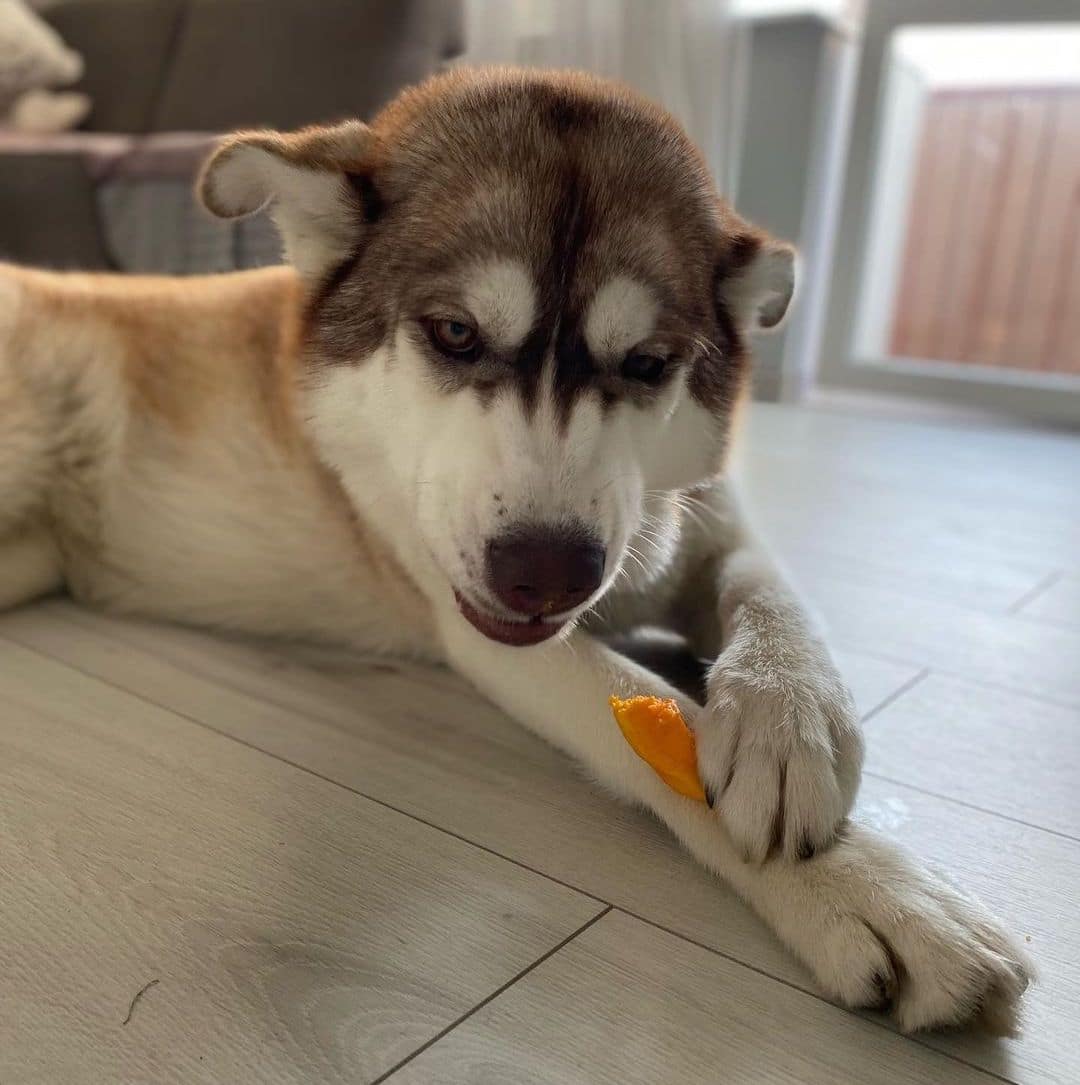
- ✦ Sudden food change
Switching food too fast can upset the stomach. A gradual change is usually easier for dogs to handle.
- ✦ Spoiled or stale food
Old food can smell or taste different. Check the package, storage conditions, expiration date, and freshness.
- ✦ Stress or anxiety
Changes at home can affect appetite. Some dogs eat less when they feel unsettled.
- ✦ Dental problems
Broken teeth, sore gums, mouth inflammation, or other oral problems can make eating painful.
- ✦ Stomach upset
Eating something unusual can lead to nausea, vomiting, diarrhea, or reduced appetite.
- ✦ Pain elsewhere
Pain from an injury or another health problem can reduce a dog’s desire to eat.
Food Changes and Food Aversion
Dogs rely heavily on smell when deciding whether food is appealing. A new formula may smell very different even when the ingredients look similar on the label.
If you recently changed foods, consider whether the change was gradual. Avoid switching between many foods at once because it can make it harder to tell what caused the problem.
Dental Pain Can Be Easy to Miss
Some dogs hide mouth pain well. Your Husky may approach the bowl, sniff it, and then walk away because chewing hurts.
Watch for bad breath, drooling, dropping food, chewing on one side, pawing at the mouth, or avoiding hard food. A veterinarian should check these signs.
Stress Can Change Eating Habits
Huskies are social dogs, and changes in their surroundings can affect normal habits. A move, new schedule, visitors, travel, fireworks, or another household change may lower appetite.
Give your dog a calm place to eat and keep meal times predictable. If the appetite does not return or other symptoms appear, do not blame stress without ruling out illness.
Could Heat or Weather Make a Husky Eat Less?
Warm weather can affect how much a dog wants to eat. This may be especially noticeable in Huskies because their thick double coat can make hot conditions harder to handle.
If your Husky eats less during a hot day but remains alert, drinks normally, and has no other worrying signs, heat may play a role. Offer fresh water and keep your dog in a cool, comfortable area.
Never assume that heat is the cause when your dog also has heavy panting, weakness, vomiting, collapse, confusion, or other signs of heat illness. Those signs need urgent veterinary care.
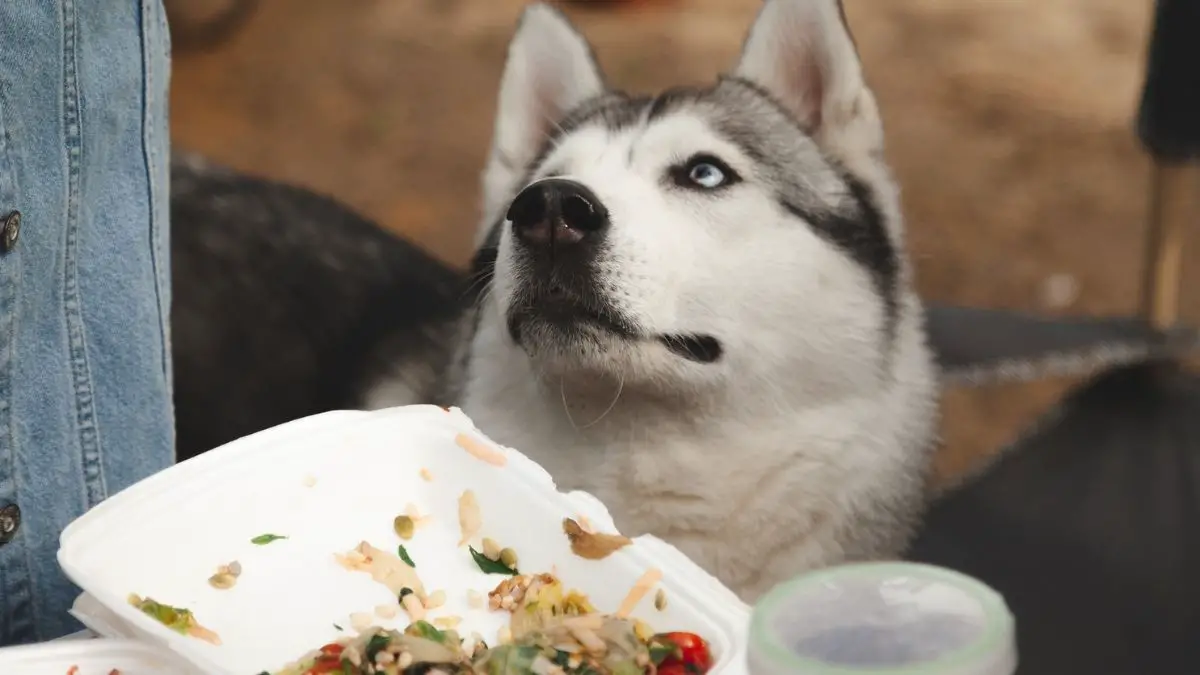
- ✦ Keep water available
Make sure your Husky has access to clean, fresh water at all times.
- ✦ Choose cooler meal times
During hot weather, some dogs eat better during cooler parts of the day.
- ✦ Reduce heat exposure
Provide shade, indoor cooling, and rest during very hot weather.
- ✦ Watch for heat illness
Severe panting, weakness, collapse, confusion, or vomiting can be emergencies and should not be treated as simple appetite loss.
Why Huskies May Eat Less in Summer
A Husky may have different energy needs on a hot day than on a cool day. If activity drops, hunger can drop as well.
Still, appetite should not be the only thing you watch. Check your dog’s water intake, energy, breathing, stool, and behavior.
Medical Reasons a Husky May Stop Eating
A major part of answering why is my husky not eating is knowing when appetite loss may signal illness. Reduced appetite can occur with digestive problems, mouth disease, infections, pain, and diseases that affect organs such as the liver or kidneys.
Digestive problems may also cause vomiting, diarrhea, abdominal pain, bloating, dehydration, or changes in stool. A swallowed object can cause an intestinal blockage, which can become an emergency.
Because many diseases share the same early signs, you cannot reliably diagnose the cause from appetite loss alone. A veterinarian may need a physical exam and, depending on the signs, blood tests, urine tests, stool tests, or imaging.
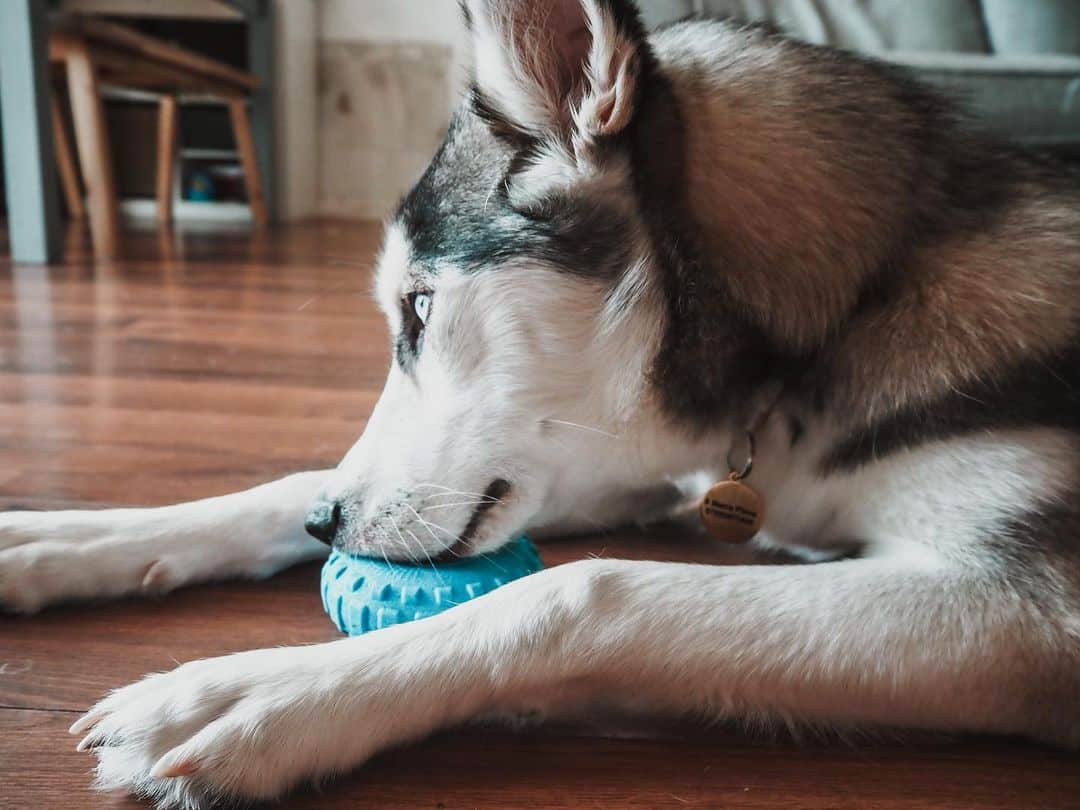
- ✦ Dental or mouth disease
Pain in the mouth can make chewing difficult or unpleasant.
- ✦ Gastrointestinal illness
Stomach or intestinal problems can cause nausea, vomiting, diarrhea, pain, and poor appetite.
- ✦ Foreign object
Swallowing a toy, cloth, bone, or another object can sometimes block the digestive tract.
- ✦ Infection
Some infections can cause fever, tiredness, digestive signs, and loss of appetite.
- ✦ Organ disease
Problems involving organs such as the liver, kidneys, or pancreas can affect appetite.
- ✦ Pain or injury
Pain anywhere in the body can reduce food intake.
- ✦ Medication effects
Some medicines can change appetite or cause stomach upset. Tell your veterinarian about every medicine and supplement your dog receives.
Stomach and Intestinal Problems
Digestive illness is one important reason a dog may stop eating. Signs can include vomiting, diarrhea, constipation, abdominal pain, bloating, drooling, or dehydration.
An intestinal blockage is especially important to recognize. Loss of appetite with vomiting, abdominal pain, weakness, or swelling can require urgent treatment.
Pancreas and Other Internal Problems
Conditions involving the pancreas and other organs can also change appetite. Some may cause vomiting, diarrhea, weight loss, weakness, or changes in thirst and urination.
These problems cannot be confirmed by watching the food bowl alone. A veterinarian can choose tests based on your Husky’s age, history, exam, and other signs.
When Should I Worry About My Husky Not Eating?
If you are wondering why is my husky not eating, the most useful question is whether your dog has any other symptoms. A mild appetite change in an otherwise normal adult dog is different from complete food refusal with pain or vomiting.
Veterinary guidance recommends prompt assessment when a pet has a marked decrease in appetite, refuses food, or seems painful while eating. The exact timing can depend on age, health, medications, and other symptoms.
Puppies, older dogs, pregnant or nursing dogs, and dogs with conditions such as diabetes may need faster attention. When in doubt, call your veterinary clinic and describe exactly what has changed.

- ✦ Call your veterinarian promptly
Contact your veterinarian when your Husky refuses food, has a clear appetite change, seems painful while eating, or the problem is not improving.
- ✦ Seek urgent care for repeated vomiting
Repeated vomiting with appetite loss can lead to dehydration and may point to a serious digestive problem.
- ✦ Treat severe weakness as urgent
Collapse, extreme weakness, confusion, or trouble breathing should be treated as urgent signs.
- ✦ Watch for a swollen or painful belly
A swollen abdomen, severe abdominal pain, or repeated unproductive retching needs urgent veterinary assessment.
- ✦ Do not wait on serious signs
Blood in vomit or stool, severe dehydration, or a suspected swallowed object can require immediate care.
Signs That Need Same-Day Veterinary Attention
A same-day veterinary call is sensible when your Husky has stopped eating and also has vomiting, diarrhea, unusual tiredness, pain, fever, dehydration, or a major behavior change.
A veterinarian can help decide whether your dog needs an office visit, urgent care, or emergency treatment.
- ✦ Pain
Whining, a tense belly, reluctance to move, or pain when touched can be important warning signs.
- ✦ Dehydration
Dry gums, marked weakness, or reduced water intake can be concerning, especially with vomiting or diarrhea.
- ✦ Repeated vomiting
Repeated vomiting can signal a digestive problem and can quickly worsen dehydration.
Emergency Warning Signs
Do not wait for a normal meal schedule if your Husky has trouble breathing, collapses, becomes severely weak, has a very swollen abdomen, or shows severe pain.
A suspected intestinal blockage, serious poisoning, heat illness, or another acute emergency also needs immediate veterinary help.
What to Do If Your Husky Is Not Eating
If your Husky is otherwise bright and comfortable, start with simple checks. Make sure the food is fresh, the bowl is clean, water is available, and the feeding area is calm.
Do not keep changing foods every few hours. Too many changes can upset the stomach and can also create a cycle where your dog waits for a more exciting option.
If your dog seems sick, painful, or unable to eat normally, home feeding tricks should not replace veterinary care.

- ✦ Check the food
Look at the expiration date and smell the food. Check whether the package has been stored properly.
- ✦ Check the mouth
If your dog allows it, look for obvious swelling, bleeding, broken teeth, or something stuck in the mouth. Do not force the mouth open or risk a bite.
- ✦ Keep the routine calm
Feed in a quiet area and keep meal times as regular as possible.
- ✦ Limit treats
Extra treats and table food can reduce hunger for normal meals.
- ✦ Keep fresh water available
Good access to water is important, especially if the weather is warm.
- ✦ Track symptoms
Write down when the appetite change began, what your dog ate, water intake, vomiting, stool changes, medications, and behavior.
Should You Try Wet Food or a Food Topper?
A small amount of a familiar, safe food may make a meal more appealing for a healthy dog with a mild appetite dip. However, using richer foods to hide illness can delay care.
If your Husky refuses even highly appealing food or seems sick, focus on finding the cause instead of repeatedly adding new foods.
Should You Force-Feed a Husky?
Do not force food into your Husky’s mouth unless a veterinarian has specifically instructed you how to do it. Force-feeding can cause stress and may be unsafe if your dog is vomiting, weak, or has trouble swallowing.
If your Husky cannot eat enough on its own, your veterinarian can decide whether supportive feeding or other treatment is needed.
How to Help Prevent Future Appetite Problems
You cannot prevent every cause of appetite loss, but good daily habits can make problems easier to spot. Feed a balanced diet that fits your dog’s age, size, activity, and health needs.
Keep treats within a reasonable part of the daily diet. Store food well, keep harmful objects out of reach, and avoid sudden diet changes unless your veterinarian recommends one.
Routine veterinary care also matters. Regular exams can help identify dental disease, weight changes, and other problems before they become harder to manage.

- ✦ Use a consistent feeding routine
Regular meal times make it easier to notice changes in appetite.
- ✦ Change food slowly
When a diet change is needed, ask your veterinarian how to transition it safely.
- ✦ Measure meals
Measuring food helps you notice whether your Husky is eating less than normal.
- ✦ Watch body condition
Track weight and body shape rather than judging health from appetite alone.
- ✦ Schedule routine checkups
Regular veterinary visits can help detect health and dental problems early.
Keep a Simple Appetite Record
A simple food log can be useful. Record how much food you offer, how much your Husky eats, treats given, water intake, stool changes, and unusual behavior.
This information can save time during a veterinary visit. It also helps you see whether the problem is a single missed meal or a growing pattern.
Questions to Ask Your Veterinarian
When a Husky stops eating, useful details can help your veterinarian find the cause faster. Before the visit, note when the appetite changed and whether your dog is drinking, urinating, defecating, vomiting, or acting differently.
Tell the veterinarian about recent food changes, treats, medications, supplements, travel, stressful events, possible access to trash or foreign objects, and any known medical conditions.
- ✦ When did the appetite change start?
The timing can help separate a short-term issue from a longer problem.
- ✦ Is your Husky drinking normally?
Changes in thirst can provide useful clues about overall health.
- ✦ Are there digestive signs?
Tell the veterinarian about vomiting, diarrhea, constipation, unusual stool, gas, or abdominal discomfort.
- ✦ Could your dog have eaten something unusual?
Mention access to trash, toys, bones, plants, human food, medications, or other objects.