Why Is My Old Dog Not Eating? Causes, Warning Signs, and What to Do
If you are asking, “why is my old dog not eating,” take the change seriously. Senior dogs can have small health problems that quickly affect appetite. A dog that skips food may simply feel unwell, but loss of appetite can also be an early sign of a more serious condition.
Age itself is not a disease. Older dogs can have changes in smell, taste, movement, digestion, and daily habits, but a new or lasting appetite change deserves attention. A veterinary exam can help tell the difference between a food preference issue and a health problem.
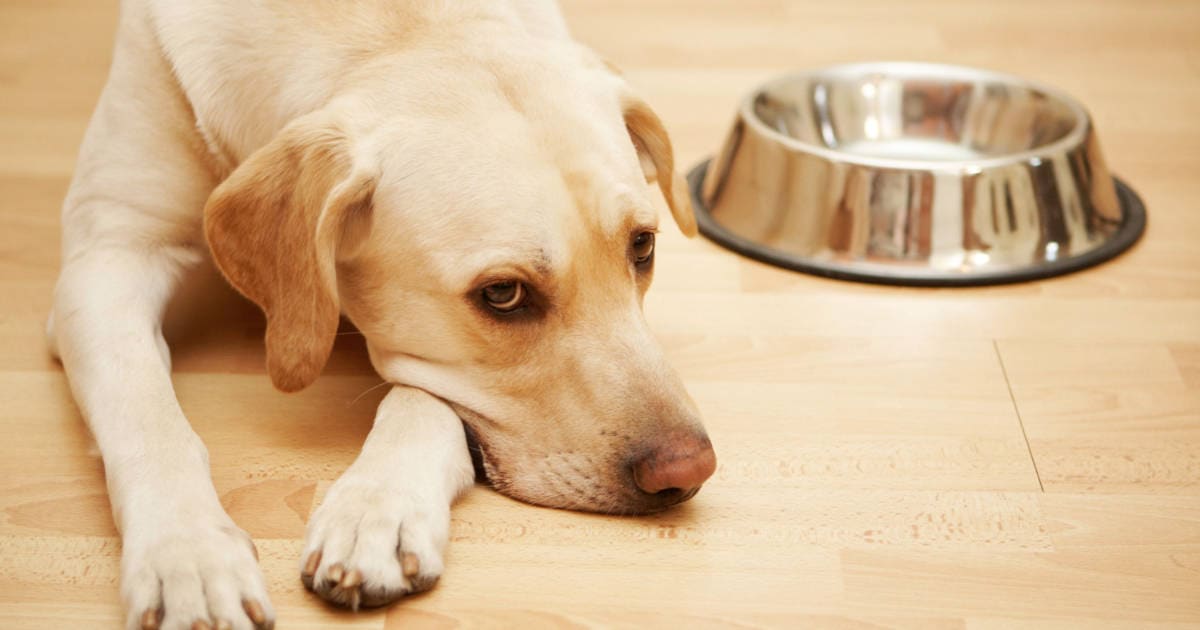
One useful clue is how your dog acts around food. If your dog walks to the bowl, smells the food, and then backs away, pain or nausea may be involved. If your dog wants to eat but drops food, struggles to chew, or cannot reach the bowl easily, the problem may be different from a true loss of appetite.
Why Is My Old Dog Not Eating?
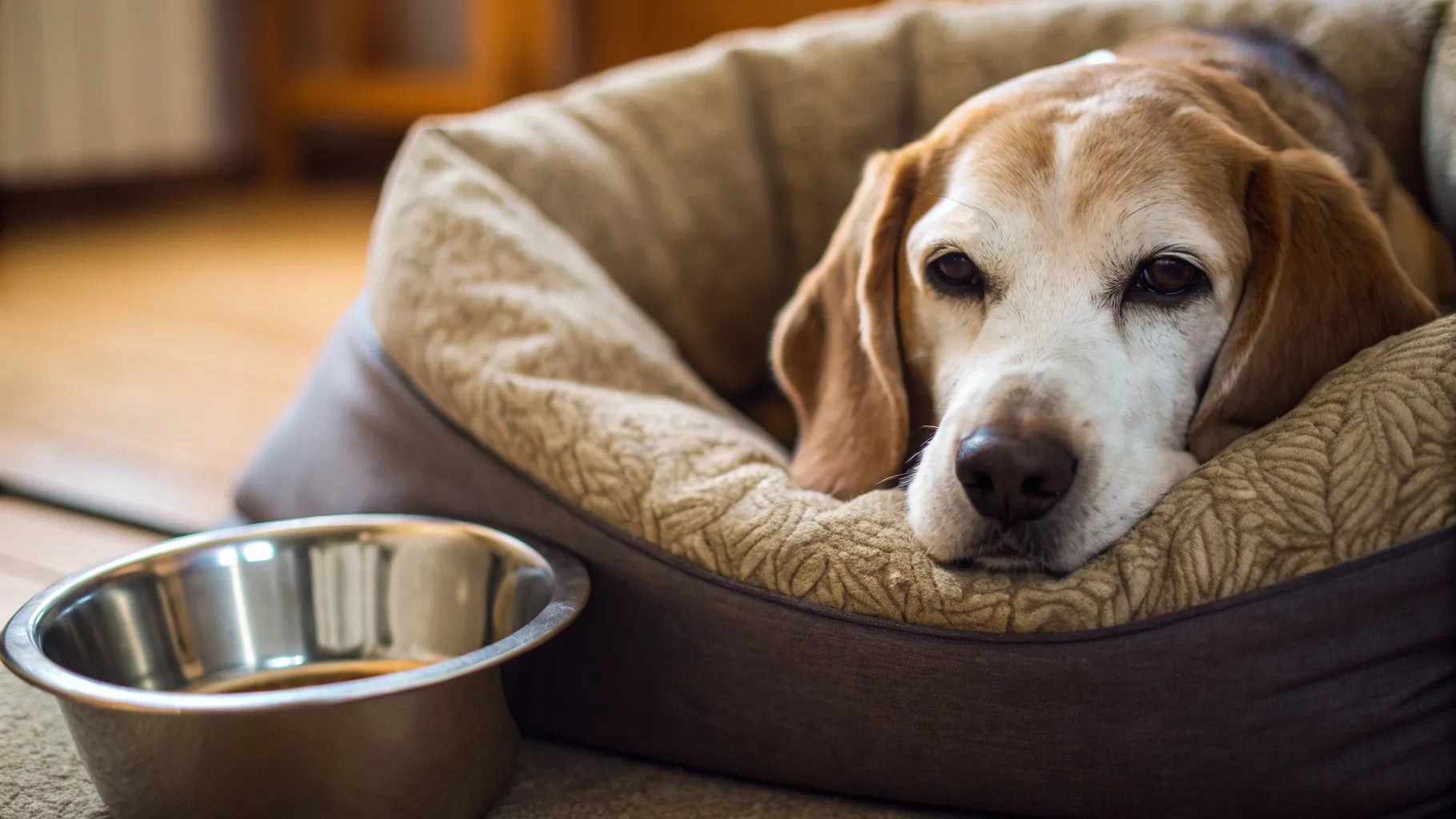
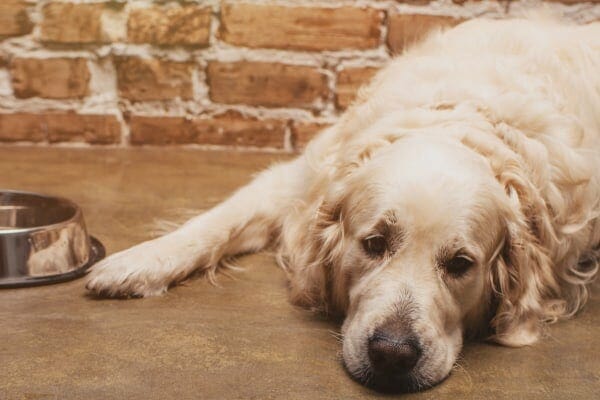
There is no single answer to the question, why is my old dog not eating. Appetite can fall because a dog feels pain, feels sick, cannot smell food well, has trouble chewing, or has an illness that affects the whole body.
Senior dogs are more likely to develop chronic health problems. Kidney disease, liver disease, heart disease, gastrointestinal problems, cancer, dental disease, arthritis, and other conditions can affect appetite. Some dogs also eat less after a change in food, routine, home life, or medication.
The length of time matters too. A dog that eats a little less at one meal is different from a dog that refuses food for a day or more. Other signs, such as vomiting, diarrhea, weight loss, weakness, changes in thirst, or pain, can make the situation more urgent.
- ✦ Dental pain
Bad teeth, gum disease, loose teeth, or mouth pain can make eating hard. Your dog may seem hungry but avoid dry food.
- ✦ Nausea or stomach trouble
Nausea, stomach upset, pancreatitis, constipation, or other digestive problems can make food seem unappealing.
- ✦ Pain
Arthritis, back pain, or another painful condition can reduce appetite. Getting up and walking to a food bowl may also be hard.
- ✦ Internal disease
Kidney, liver, heart, hormonal, infectious, and other diseases can cause reduced appetite.
- ✦ Stress or routine changes
Moving, a new pet, changes in family life, travel, noise, or a different feeding routine can affect some older dogs.
- ✦ Medication effects
Some medicines can cause nausea, stomach upset, or other effects that reduce food intake.
True Loss of Appetite vs. Trouble Eating
A dog with true appetite loss does not want food. A dog with a physical eating problem may still want food but cannot eat it comfortably. This difference can give your veterinarian an important clue.
Watch what happens when you offer a favorite soft food. If your dog shows interest but drops food, chews slowly, paws at the mouth, or walks away after trying to eat, mouth or swallowing problems may be involved.
- ✦ Watch for interest in food
Sniffing, licking, approaching the bowl, or begging can suggest that your dog still has an interest in eating.
- ✦ Watch for chewing problems
Dropping kibble, chewing on one side, crying while eating, or avoiding hard food can point to oral pain.
Common Medical Reasons an Old Dog Stops Eating
When people ask, why is my old dog not eating, medical causes should be considered early. Older dogs can hide pain and illness, so appetite changes may appear before other clear signs.
A veterinarian may need to examine the mouth, abdomen, joints, heart, lungs, and overall body condition. Blood tests and urine tests may also help find problems that cannot be seen from the outside.
Do not assume that a senior dog is simply becoming picky. A new appetite change can be an important health signal, especially when it comes with weight loss or changes in energy.
- ✦ Dental disease
Dental disease can cause sore gums, infected teeth, loose teeth, and pain when chewing. It may cause a dog to avoid food even when hungry.
- ✦ Kidney disease
Kidney problems can cause nausea, changes in thirst and urination, weight loss, and poor appetite.
- ✦ Liver disease
Liver problems can be linked with poor appetite, vomiting, diarrhea, weight loss, and low energy.
- ✦ Gastrointestinal disease
Stomach or intestinal problems can cause nausea, abdominal discomfort, vomiting, diarrhea, constipation, and reduced interest in food.
- ✦ Cancer
Some cancers can cause appetite loss, weight loss, weakness, pain, or digestive signs. Appetite loss alone does not prove that a dog has cancer.
- ✦ Arthritis and other pain
Pain can reduce appetite. A dog with stiff joints may also struggle to stand or bend down to reach a bowl.
Dental Problems Can Be Easy to Miss
Dental disease is a common reason an older dog may stop eating. Some problems sit below the gum line and may not be obvious during a quick look at home.
Signs can include bad breath, drooling, chewing slowly, dropping food, rubbing the face, swollen gums, or suddenly refusing dry kibble. A dog can still seem cheerful while living with painful dental disease.
- ✦ Check for changes
Look for bad breath, red gums, loose teeth, swelling, drooling, or a new dislike of hard food.
- ✦ Do not force a mouth check
A painful dog may bite even if it has never bitten before. Let a veterinary professional perform a full oral exam when needed.
Signs That Your Old Dog May Need a Vet
If you are wondering why is my old dog not eating, do not look at appetite alone. The safest approach is to check your dog’s full behavior, including energy, water intake, bathroom habits, breathing, movement, and signs of pain.
A prompt veterinary visit is wise when an older dog has a clear change in eating habits. Vets can use the history, physical exam, and tests to look for the cause rather than treating appetite loss as a problem by itself.
Some symptoms need faster attention. If your dog seems very sick, collapses, has trouble breathing, has severe pain, has repeated vomiting, has a swollen abdomen, or has very pale or abnormal gums, seek urgent veterinary care.
- ✦ Not eating for an extended period
A dog that refuses food for many hours, especially when this is unusual, should be discussed with a veterinarian. Urgent care may be appropriate sooner if other symptoms are present.
- ✦ Repeated vomiting
Repeated vomiting combined with poor appetite can lead to dehydration and may point to a significant illness.
- ✦ Severe weakness
Extreme tiredness, collapse, marked weakness, or a sudden change in behavior needs prompt veterinary attention.
- ✦ Breathing trouble
Fast, difficult, or labored breathing is not a normal sign of simple picky eating and needs urgent assessment.
- ✦ Pain
Whining, shaking, hiding, a hunched posture, trouble getting comfortable, or refusing to move can signal pain.
- ✦ Weight loss
Unplanned weight loss with reduced appetite is especially important in a senior dog and should be checked.
When Is a Senior Dog Not Eating an Emergency?
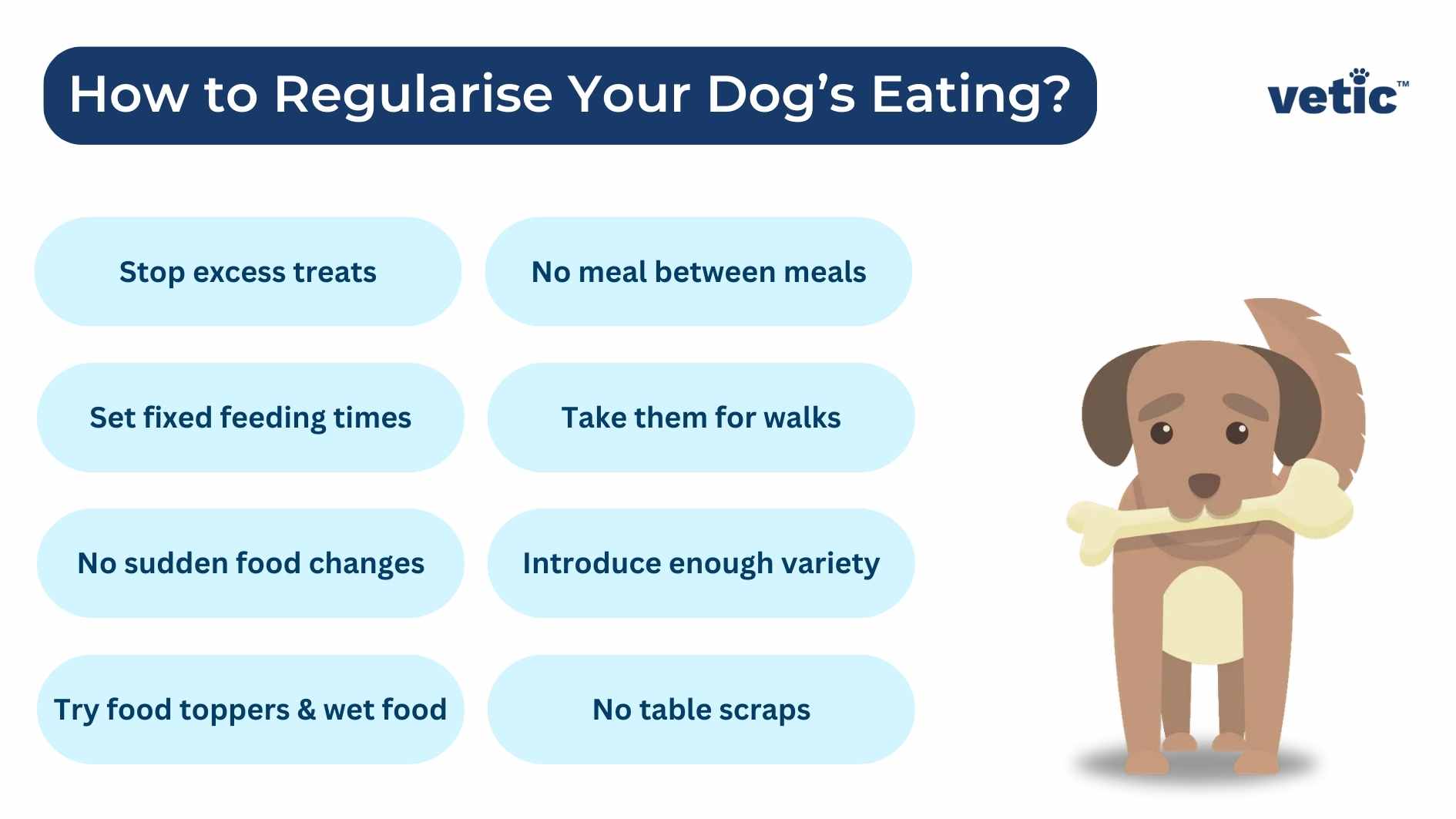
There is no single number of hours that makes every case an emergency. A small, healthy dog that skips one meal is not the same as a frail senior dog that refuses food and water while vomiting or acting weak.
For a senior dog, use the whole picture. If appetite loss comes with serious symptoms, call your veterinarian or an emergency veterinary hospital rather than waiting to see if the dog improves.
- ✦ Seek urgent help
Get urgent veterinary help for collapse, severe weakness, trouble breathing, severe pain, repeated vomiting, a swollen abdomen, or other signs of a serious illness.
- ✦ Call your regular veterinarian
Contact your vet promptly for a new or persistent appetite change, weight loss, increased thirst, changes in urination, diarrhea, dental pain, or reduced energy.
What to Do If Your Old Dog Is Not Eating
If your dog is otherwise stable, there are a few gentle steps you can try while arranging veterinary advice. The goal is not to hide the problem. The goal is to make food easier and more appealing while you watch for changes.
Start by offering the food your veterinarian has recommended in a quiet place. Some senior dogs eat better when they are not disturbed by children, other pets, loud sounds, or heavy household activity.
If your dog has trouble bending down because of stiffness, ask your veterinarian whether changing the bowl height or position would help. Never make a major diet change or give human medicines without veterinary guidance.
- ✦ Offer smaller meals
Several small meals may be easier for a dog with a poor appetite than one large meal.
- ✦ Try moist food
If chewing is difficult, a suitable wet or softened diet may be easier to eat. Ask your veterinarian which diet fits your dog’s health needs.
- ✦ Warm the food slightly
Gently warming suitable food can increase its smell and may make it more appealing. It should be warm, not hot.
- ✦ Keep fresh water available
Make clean water easy to reach. Watch for major changes in drinking because both increased and decreased water intake can be useful clues.
- ✦ Keep the feeding area calm
A quiet, comfortable feeding spot can help dogs that feel stressed or distracted.
- ✦ Track what your dog eats
Measure meals and note how much your dog actually eats. This gives your veterinarian useful information.
Should You Add Human Food to Get an Old Dog to Eat?
A small amount of a veterinarian-approved food topper may help some dogs, but too many treats or table foods can upset the stomach and unbalance the diet. It can also teach a picky dog to wait for something more exciting.
More importantly, a topper should not be used to cover up a medical problem. If your dog suddenly refuses normal food, focus first on finding out why.
- ✦ Use toppers carefully
Ask your veterinarian what foods are safe for your dog’s condition and keep extras within an appropriate portion of the daily diet.
- ✦ Avoid unsafe foods
Never offer foods known to be toxic to dogs, and avoid rich or fatty foods when your dog has stomach or pancreatic problems.
How Veterinarians Find the Cause of Appetite Loss
When a dog stops eating, the veterinarian will usually start with questions and a physical exam. You may be asked when the appetite changed, what food the dog normally eats, how much was eaten, and whether there were changes in water intake, urine, stool, energy, or behavior.
The vet may examine the mouth and teeth, feel the abdomen, check the heart and lungs, assess hydration, and look for signs of pain. These simple steps can provide important clues.
Depending on the findings, blood tests, urine testing, X-rays, ultrasound, dental testing, or other tests may be recommended. The exact tests depend on your dog’s age, symptoms, medical history, and physical exam.
- ✦ History
Your notes about food, treats, medications, symptoms, water, urine, stool, and behavior can help the veterinarian narrow the possible causes.
- ✦ Physical exam
The veterinarian can check the mouth, teeth, abdomen, heart, lungs, hydration, body condition, and signs of pain.
- ✦ Blood testing
Blood tests can provide clues about organ function, infection, inflammation, blood cell changes, and other health problems.
- ✦ Urine testing
Urinalysis can provide useful information about kidney function, urinary problems, hydration, and some metabolic conditions.
- ✦ Imaging
X-rays or ultrasound may be used when the veterinarian needs to examine the chest or abdomen more closely.
Why Senior Dogs May Need Regular Checkups
Older dogs can develop health problems without showing dramatic signs at first. Regular veterinary visits can help find changes earlier and create a baseline for future tests.
Senior dogs may benefit from more frequent checkups than younger adult dogs. Your veterinarian can recommend a schedule based on your dog’s age, breed, health, and medical history.
- ✦ Keep a health baseline
Knowing your dog’s normal weight, appetite, activity, thirst, and bathroom habits makes new changes easier to spot.
- ✦ Bring a food record
A short record of meals, treats, and appetite changes can make a veterinary visit more useful.
Can Age-Related Changes Make an Old Dog Eat Less?
Yes, age can change how a dog responds to food. Older dogs may have a weaker sense of smell or taste, lower activity, or changes in digestion. These changes can affect how much food they want.
But age should not be used as the only explanation. If an older dog suddenly eats much less, loses weight, or shows other changes, a health problem should be considered.
Pain can also change feeding behavior. A dog with arthritis may have trouble standing for a meal, while a dog with dental pain may avoid chewing. Making the feeding area easier to access can help, but the cause of pain still needs attention.
- ✦ Reduced smell
Because smell helps make food appealing, a reduced sense of smell may lower interest in food.
- ✦ Lower activity
A less active dog may need fewer calories, but a large or sudden appetite drop still deserves attention.
- ✦ Mobility problems
Stiff joints or back pain may make it difficult to walk to a bowl or lower the head to eat.
- ✦ Cognitive changes
Some senior dogs develop changes in sleep, behavior, or awareness. Appetite changes should still be discussed with a veterinarian.
Making Meals Easier for a Senior Dog
Comfort can make a big difference. Keep food and water in an easy-to-reach area with good footing, especially if your dog has weak legs or arthritis.
A comfortable feeding setup does not replace medical care. If your dog still refuses food, loses weight, or seems painful, contact your veterinarian.
- ✦ Use non-slip footing
A stable surface can make standing at the bowl easier for an older dog with weak or painful joints.
- ✦ Keep bowls easy to reach
Place food and water where your dog does not need to climb stairs or walk far.
What Not to Do When Your Old Dog Refuses Food
It is natural to worry when a senior dog stops eating. However, some common responses can make the problem harder to understand or may be unsafe.
Do not give human medicines to make your dog feel better unless a veterinarian specifically tells you to use them. Some human medicines can be dangerous for dogs, and the correct dose depends on the drug and the dog’s health.
Do not force food into a dog that is vomiting, struggling to swallow, very weak, or showing signs of pain. Forced feeding can increase stress and may create a risk of food entering the airway.
- ✦ Do not assume it is just old age
A senior dog can have a treatable health problem behind a sudden appetite change.
- ✦ Do not force-feed without guidance
Force-feeding can be unsafe in some situations, especially when swallowing or vomiting is a concern.
- ✦ Do not give random medicines
Human medicines and leftover pet medicines can cause harm or hide important symptoms.
- ✦ Do not wait through severe symptoms
Serious signs such as collapse, breathing problems, severe pain, repeated vomiting, or a swollen abdomen need prompt veterinary care.
- ✦ Do not keep changing foods repeatedly
Frequent diet changes can upset the digestive system and make it harder to identify which food your dog tolerates.
A Simple Appetite Log Can Help
Write down what your dog eats and drinks each day. Note vomiting, diarrhea, coughing, changes in urine, stool, energy, sleep, pain, and behavior.
This simple record can help you see trends and gives your veterinarian useful details. It can also show whether your dog is eating small amounts that are easy to miss.
- ✦ Record food
Write down the food offered and roughly how much your dog ate.
- ✦ Record symptoms
Note vomiting, diarrhea, pain, weakness, changes in drinking, urination, and behavior.