Why Is My Dog So Picky About Food? Causes, Signs, and What to Do
If you keep asking, why is my dog so picky about food, you are not alone. Many dog owners see their pets sniff a full bowl, walk away, and then act very interested when a treat appears. That can be frustrating, but picky eating does not always mean your dog dislikes the food or is being stubborn.
The first step is to look at the whole picture. A dog that has always eaten slowly but stays active and keeps a healthy weight is different from a dog that suddenly refuses food. The change, along with other signs, can help show whether the issue is a feeding habit or a reason to call your veterinarian.
In many homes, food choice is only part of the story. Treats, table scraps, frequent food changes, feeding schedules, stress, and learned behavior can all affect appetite. This guide explains why is my dog so picky about food, what you can try at home, and when professional care is important.

Why Is My Dog So Picky About Food?
There is no single answer to why is my dog so picky about food. Dogs can develop food preferences just like people do. Some care about texture or smell, while others learn that refusing dinner may lead to a tastier option.
Still, picky eating can sometimes point to a problem. Dental pain, stomach upset, illness, medication side effects, or stress may reduce a dog’s desire to eat. That is why you should look for changes in behavior, weight, energy, stool, and drinking habits instead of judging appetite by one missed meal.
A useful rule is simple: long-term mild fussiness in an otherwise healthy dog is usually less concerning than a sudden loss of appetite. If your dog’s eating pattern changes quickly, take the change seriously.
- ✦ Food preference
Your dog may prefer one flavor, smell, texture, or food temperature over another.
- ✦ Too many extras
Treats, chews, table food, and frequent snacks can reduce hunger at normal meal times.
- ✦ Learned behavior
If refusing food often results in a more exciting meal, your dog may learn to wait for it.
- ✦ Stress or change
Travel, guests, moving, a new pet, noise, or changes in routine can affect eating.
- ✦ Health problems
Dental pain, nausea, digestive trouble, pain, and other illnesses can cause a poor appetite.
Picky Eating Versus Not Feeling Well
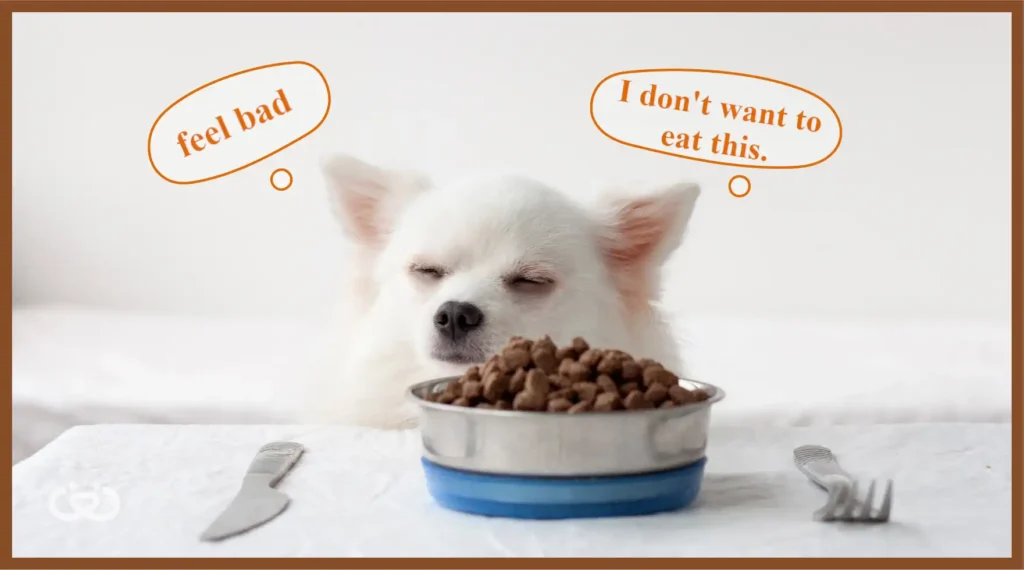
A picky dog may sniff the bowl and walk away but still want treats, play, and normal activities. A sick dog may lose interest in food and other things at the same time. Look at your dog’s behavior as a whole.
If your dog seems weak, painful, unusually sleepy, or unwell, do not assume the problem is simple fussiness. A veterinarian can help find the cause.
- ✦ More typical of fussiness
Your dog remains active, drinks normally, has normal bowel movements, and keeps a stable weight.
- ✦ More concerning
Your dog stops eating and also has vomiting, diarrhea, pain, weakness, major behavior changes, or weight loss.
Common Reasons Dogs Become Picky Eaters
Once you understand the common causes, the question why is my dog so picky about food becomes easier to answer. Start with the simplest factors before making major changes to the diet.
Your dog’s age, routine, health, and past feeding habits all matter. A young dog may eat differently from a senior dog, and a dog that gets many snacks may have a very different appetite from one that eats only at set meals.

- ✦ Too many treats
High-value treats can fill your dog up or make regular food seem less exciting.
- ✦ Table scraps
Human food can teach a dog to wait for better-smelling food instead of eating its normal meal.
- ✦ Frequent food changes
Changing foods again and again can make meals less predictable and may also upset the digestive system.
- ✦ Boredom with food
Some dogs appear less interested when meals stay the same, although many healthy dogs do well on one consistent diet.
- ✦ Food texture
Some dogs prefer dry kibble, while others favor wet food or a different kibble size and shape.
- ✦ Strong food preferences
Dogs can have individual preferences for smell, flavor, temperature, and texture.
- ✦ Stress
A noisy room, another pet, visitors, travel, or a new routine can make a dog less willing to eat.
- ✦ Food storage or freshness
Old, stale, poorly stored, or contaminated food may smell different and become less appealing.
Your Dog May Have Learned to Hold Out for Something Better
This is a common feeding pattern. A dog refuses kibble, and the owner offers chicken, cheese, wet food, or another favorite. The dog then learns that waiting can lead to a better reward.
This does not mean your dog is trying to control you. Dogs repeat actions that work. If you want to change the pattern, focus on a calm and consistent meal routine rather than offering a new food every time the bowl is ignored.
- ✦ Watch the extras
Keep treats and snacks limited so they do not replace balanced meals.
- ✦ Keep meals predictable
Offer food at regular times and avoid turning every refused meal into a new menu.
Could a Health Problem Be Causing Picky Eating?
When asking why is my dog so picky about food, health should never be ignored. A dog may avoid food because eating hurts, because the stomach feels upset, or because another condition has changed its appetite.
Dental problems are especially easy to miss. A dog may want to eat but struggle with hard kibble because chewing hurts. Dogs can also hide signs of pain, so changes in eating can be an early clue that something needs attention.
Do not try to diagnose the cause from appetite alone. If the change is sudden, lasts longer than expected, keeps returning, or comes with other symptoms, contact your veterinarian.
- ✦ Dental or mouth pain
Broken teeth, gum disease, mouth injuries, or other oral problems may make chewing uncomfortable.
- ✦ Nausea or digestive upset
Stomach or intestinal problems can reduce appetite and may occur with vomiting, diarrhea, or changes in stool.
- ✦ Pain elsewhere
Pain in another part of the body can reduce normal interest in food.
- ✦ Medication effects
Some medicines can change appetite or cause stomach upset. Ask your veterinarian about possible side effects.
- ✦ Other medical conditions
Many illnesses can affect appetite, so persistent or sudden food refusal deserves veterinary attention.
Signs That Deserve a Vet Call
There is no universal number of hours that makes every case of food refusal an emergency. A puppy, senior dog, dog with a known medical condition, or dog with other symptoms may need advice sooner than a healthy adult dog.
Call your veterinarian if your dog has a clear change in appetite or repeated refusal, especially when you notice other signs of illness. For severe symptoms or a dog that appears seriously unwell, seek urgent veterinary care.
- ✦ Vomiting or repeated diarrhea
These signs can occur with digestive illness and may lead to dehydration.
- ✦ Marked weakness
A dog that is unusually weak, difficult to rouse, or unable to act normally needs prompt attention.
- ✦ Pain
Whining, a tense body, trouble getting comfortable, or pain while eating should not be treated as simple pickiness.
- ✦ Weight loss
Ongoing weight loss suggests that your dog may not be getting enough nutrition or may have an underlying problem.
- ✦ Difficulty chewing or swallowing
Dropping food, chewing on one side, excessive drooling, or trouble swallowing can point to an oral or throat problem.
How to Tell If Your Dog Is Truly a Picky Eater
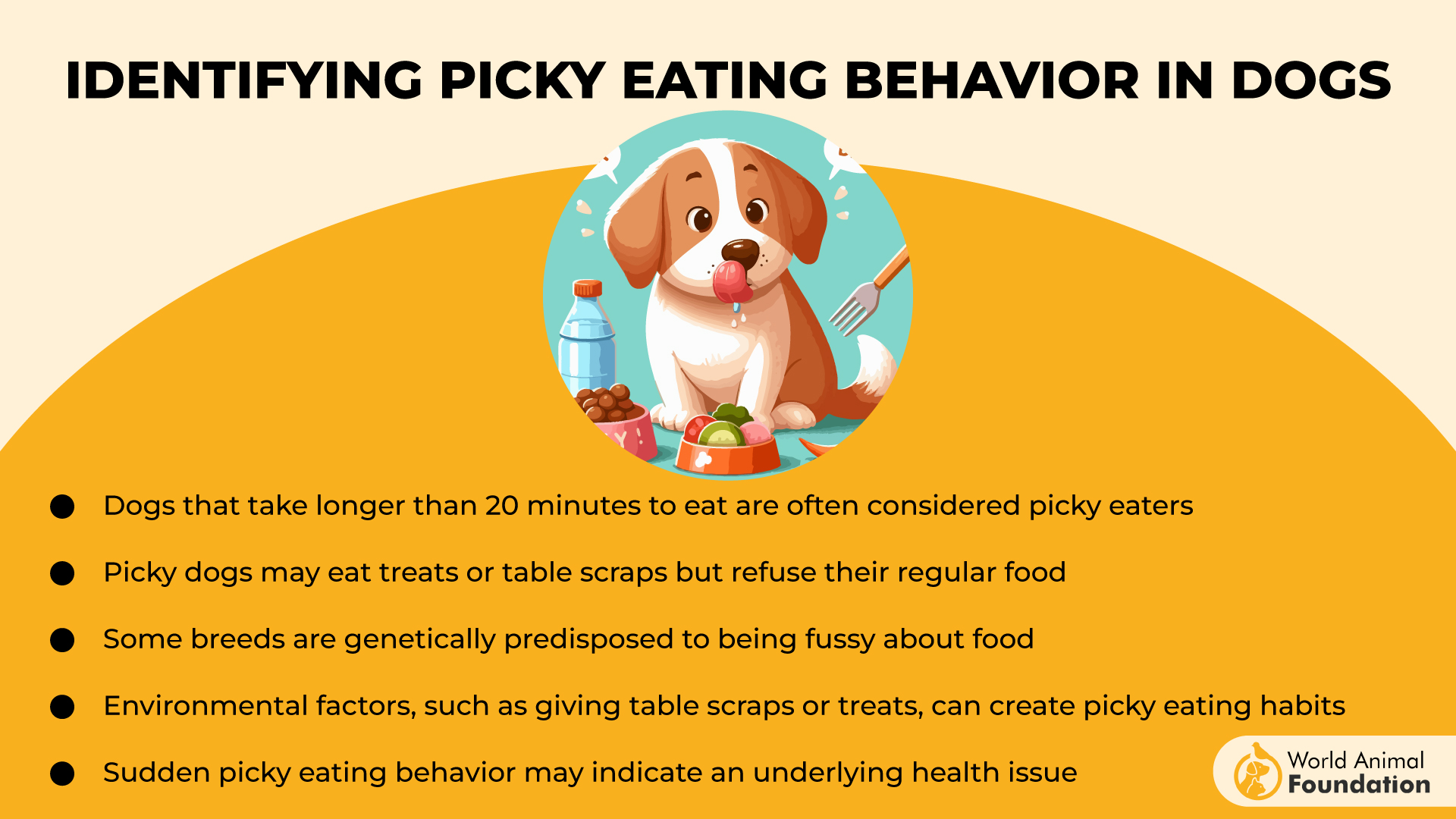
A dog that eats slowly is not always a picky eater. Some dogs simply have a lower appetite than others, and appetite can change with age, activity, weather, and daily routine.
Look at body condition and weight as well as the bowl. If your dog maintains a healthy weight, has normal energy, and eats enough of a complete and balanced diet, eating with less excitement may not be a problem.
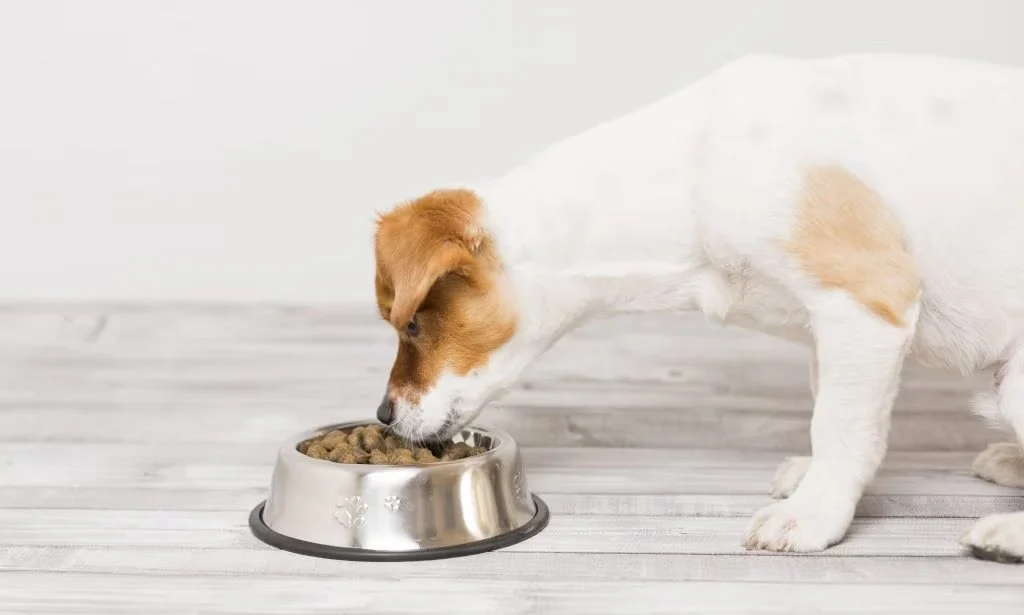
A simple food diary can help. Write down what your dog eats, how much it eats, treats, changes in food, stool changes, and any unusual behavior. This record can also give your veterinarian useful information.
- ✦ Track meals
Record how much food you offer and how much your dog actually eats.
- ✦ Track treats
Include training treats, chews, dental treats, and table food.
- ✦ Watch body condition
A stable, healthy body condition is more useful than judging appetite by how fast a dog empties a bowl.
- ✦ Notice patterns
See whether refusal happens at certain times, after certain treats, during stressful events, or with a particular food.
Why Eating Less Does Not Always Mean a Problem
Dogs have different energy needs. A small dog, an older dog, or a dog that gets less exercise may need less food than a highly active dog.
The goal is not to make every dog eat as fast as possible. The goal is to make sure the dog gets suitable nutrition and maintains a healthy body condition.
- ✦ Focus on health
Energy, weight, body condition, stool, and overall behavior can tell you more than speed of eating alone.
How to Help a Picky Dog Eat Better
If your dog is healthy and the problem appears to be food preference or feeding habits, start with simple changes. Avoid changing several things at once. Small, steady changes make it easier to see what helps.
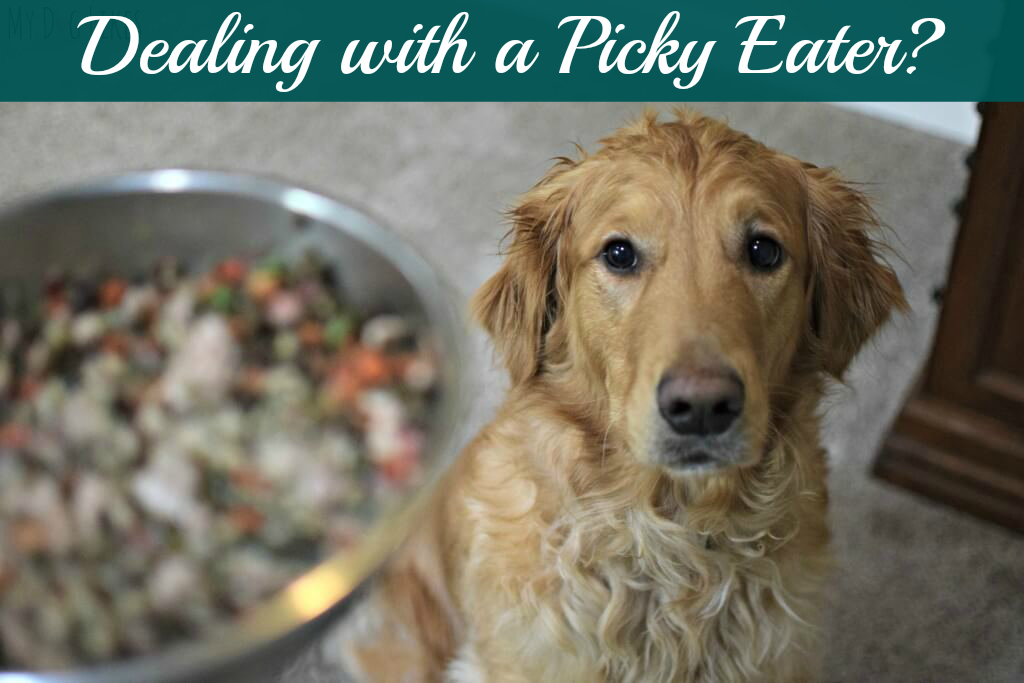
The best approach to **why is my dog so picky about food** is usually not to keep buying new foods. Instead, create a routine that makes meals calm, predictable, and nutritionally sound.
- ✦ Set regular meal times
Offer meals on a consistent schedule rather than leaving food available all day if your veterinarian agrees that scheduled meals suit your dog.
- ✦ Measure the food
Use a consistent amount based on your dog’s needs and your veterinarian’s guidance.
- ✦ Limit treats
Keep treats modest and include them when thinking about your dog’s total daily intake.
- ✦ Feed in a calm place
Reduce loud noise, competition from other pets, and other distractions during meals.
- ✦ Make food changes slowly
When changing diets, use a gradual transition that follows the new food’s feeding guidance or your veterinarian’s advice.
- ✦ Keep fresh water available
Clean drinking water should be available unless your veterinarian has given different instructions.
- ✦ Check the food
Look at the package date, storage conditions, smell, and texture before serving food that your dog suddenly rejects.
Should You Add Toppers to Dog Food?
A small amount of a suitable topper may make food more appealing for some dogs. However, toppers should not turn every meal into a high-calorie buffet or replace a nutritionally complete diet.
If you use a topper, keep the amount controlled and choose an option that fits your dog’s health needs. If your dog needs a special diet for a medical condition, ask your veterinarian before adding extras.
- ✦ Use small amounts
The main diet should still provide most of the nutrition and calories your dog needs.
- ✦ Avoid risky foods
Do not use foods that are toxic or unsafe for dogs, such as chocolate, grapes, raisins, onions, garlic, or products containing xylitol.
What Not to Do When Your Dog Refuses Food
When a dog skips a meal, it is tempting to try everything at once. That can make the situation harder to understand and may teach a healthy but fussy dog to wait for special food.
Avoid turning every meal into a negotiation. At the same time, do not use a strict feeding plan to ignore a sudden loss of appetite. If the change seems unusual or your dog shows signs of illness, health comes first.
- ✦ Do not keep switching foods
Constant changes can make it harder to identify the cause and may cause digestive upset.
- ✦ Do not rely on table scraps
Human foods can add excess calories and may encourage your dog to reject its regular diet.
- ✦ Do not force-feed without veterinary advice
Force-feeding can be unsafe and may make food aversion worse.
- ✦ Do not ignore sudden changes
A new appetite problem can be a sign of illness, pain, or another issue.
- ✦ Do not judge by one meal
Look for a pattern and consider your dog’s overall health and food intake.
Why Constant Food Changes Can Backfire
Suppose your dog refuses kibble and gets wet food instead. The next day, it refuses wet food and gets chicken. Over time, your dog may learn that refusing the current meal brings a new option.
A better plan for a healthy dog is to choose an appropriate diet and keep the routine stable. If a food truly does not suit your dog, change it with a clear reason and use a gradual transition.
- ✦ Pick a clear plan
Use a suitable complete and balanced diet that matches your dog’s age, size, lifestyle, and health needs.
- ✦ Change with purpose
Make diet changes for a clear nutritional, preference, or medical reason rather than after every skipped meal.
Choosing Food for a Picky Dog
If your dog is healthy but selective, the goal is not simply to find the most expensive food. Choose a diet that provides complete and balanced nutrition for your dog’s life stage and health needs.
Taste and texture still matter. Some dogs prefer wet food, while others prefer dry kibble. If you need to change diets, make the switch gradually and watch for digestive problems or a drop in appetite.
For dogs with allergies, chronic digestive issues, urinary problems, kidney disease, or other medical needs, food choice can be more complex. In these cases, your veterinarian should help guide the diet.
- ✦ Check the life stage
Choose food made for your dog’s current life stage unless your veterinarian recommends another plan.
- ✦ Consider texture
Texture can affect acceptance, especially in dogs with dental or chewing concerns.
- ✦ Read feeding guidance
Feeding amounts are starting points and may need adjustment based on your dog’s weight, activity, and body condition.
- ✦ Ask about special diets
Dogs with diagnosed medical conditions may need a diet chosen with veterinary guidance.
When a Picky Dog May Need a Diet Review
A diet review can help if your dog repeatedly refuses its food, gains or loses weight, has ongoing digestive issues, or needs nutrition for a medical condition. Your veterinarian can review the food, portion size, treats, and health history together.
This is often more useful than guessing from online food lists. A food that works well for one dog may not fit another dog’s needs.
- ✦ Bring the food label
Having the exact product and feeding information can help your veterinarian assess the diet.
- ✦ Bring your food diary
A record of meals, treats, symptoms, and weight changes can make the visit more useful.
A Simple Feeding Plan for a Picky Dog
If your dog has no signs of illness and your veterinarian has no concerns, a simple routine can help. The key is consistency. Give your dog a suitable diet, control extras, and keep meals calm.
Use the same basic plan for several days rather than changing the menu after every refusal. Watch your dog’s weight, energy, stool, and appetite. If the problem continues or gets worse, reassess the situation with your veterinarian.

- ✦ Step 1: Review health
Make sure there are no signs that suggest pain or illness.
- ✦ Step 2: Review extras
Count treats, chews, table food, and other calories your dog gets each day.
- ✦ Step 3: Set a routine
Use regular meal times and a quiet feeding area.
- ✦ Step 4: Keep food stable
Avoid unnecessary diet changes while you observe the pattern.
- ✦ Step 5: Monitor
Track appetite, weight, stool, energy, and other changes.
- ✦ Step 6: Get help when needed
Contact your veterinarian if appetite remains poor, the pattern changes suddenly, or other symptoms appear.
A Practical Example
Imagine a healthy adult dog that ignores breakfast but happily eats training treats all morning. The owner then adds chicken to dinner, and the dog eats only the chicken. In this case, the feeding pattern may be part of the problem.
Reducing extra snacks, using set meal times, and avoiding a new special meal after each refusal may help reset the routine. If the dog also loses weight, vomits, seems painful, or becomes unusually tired, the focus should shift from feeding habits to veterinary care.
- ✦ Look at the whole day
A dog that refuses one meal but eats many treats may not be refusing food because it dislikes eating.
- ✦ Watch for change
A new pattern is more important than whether your dog has always eaten slowly.