Why Does My Dog Not Want to Eat? Causes, Warning Signs, and What to Do
When a dog skips a meal, it can be hard to know what it means. Some dogs eat less for a short time and soon return to normal. Other dogs lose interest in food because something is wrong.
If you are asking, “why does my dog not want to eat,” start by looking at the whole picture. Check your dog’s energy, water intake, stool, vomiting, behavior, and any recent changes at home. A change in appetite matters more when it comes with other signs.
The goal is not to make a dog eat at any cost. The goal is to find out why the appetite changed and make sure your dog stays safe while you decide what to do next.
Why does my dog not want to eat?
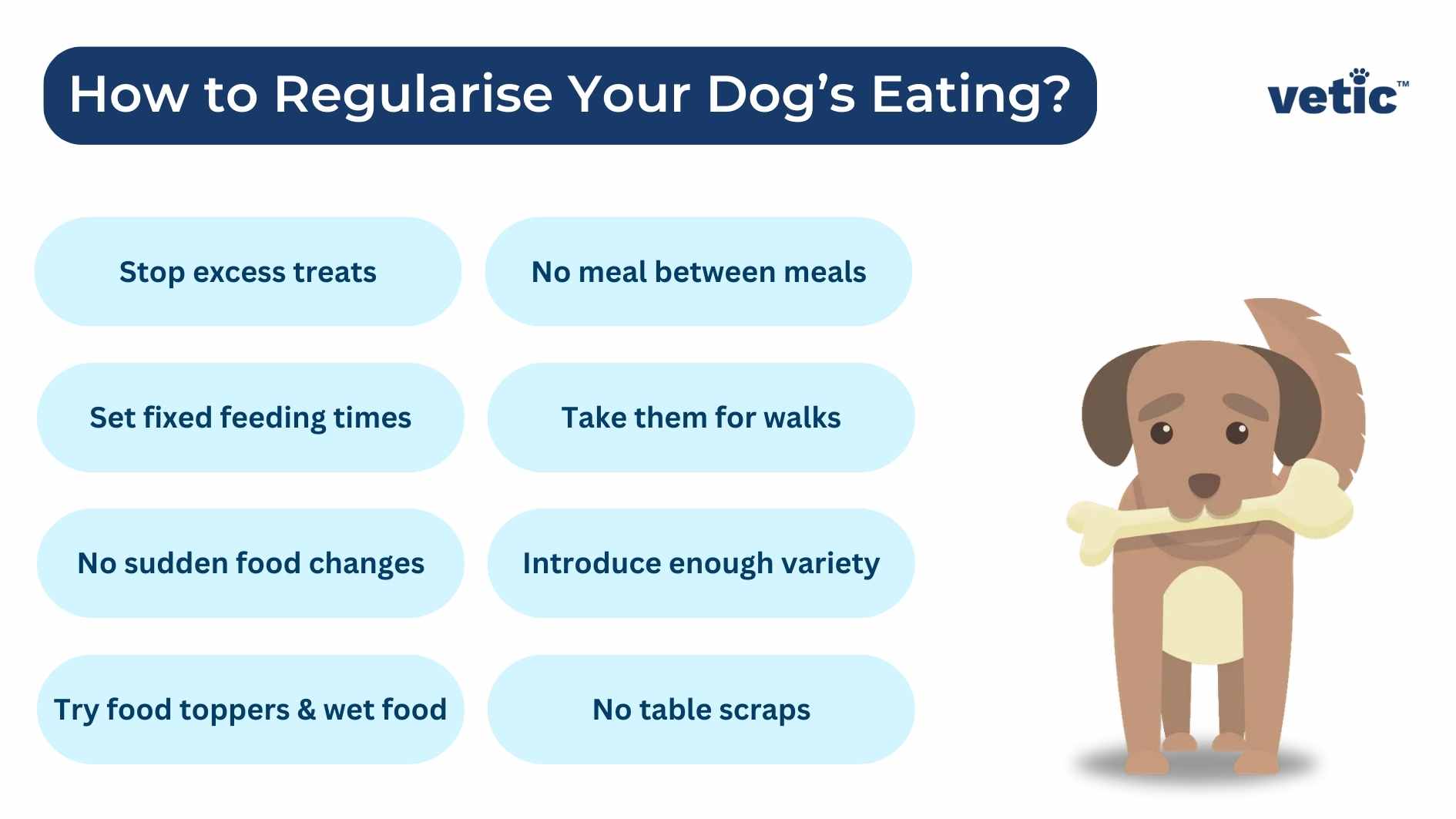
There is no single answer to why does my dog not want to eat. Dogs can refuse food for simple reasons, such as a new brand of food or too many treats. They can also stop eating because of dental pain, infection, stomach problems, or another health issue.
A dog that skips one meal but acts normal may need close watching. A dog that refuses food and seems sick needs more attention. Age also matters. Puppies, older dogs, and dogs with known health problems can need faster veterinary advice.
- ✦ Stress
Moving, travel, visitors, loud noise, boarding, or a new pet can reduce appetite in some dogs.
- ✦ Food changes
A sudden change in brand, recipe, flavor, texture, or feeding routine can make some dogs refuse a meal.
- ✦ Pain
Dental pain, mouth injuries, stomach pain, or pain elsewhere in the body can make eating difficult or unpleasant.
- ✦ Illness
Infections and many other medical problems can cause a dog to lose interest in food.
- ✦ Too many extras
Treats, table food, chews, and snacks can reduce hunger at regular meal times.
A dog may refuse food but still act normal
Some dogs skip food for a short time while remaining alert and active. This can happen after a stressful event or a change in food. Even then, watch closely for new symptoms and make sure fresh water is available.
- ✦ Watch the pattern
Note when your dog last ate, how much was eaten, and whether appetite returns at the next meal.
- ✦ Check for other changes
Look for changes in energy, drinking, bowel movements, urination, weight, or behavior.
Common reasons a dog suddenly stops eating
If you wonder why does my dog not want to eat all of a sudden, think about what changed during the past day or two. Dogs often respond to changes in their food, surroundings, schedule, or health.
Some causes are easy to correct. Others need a veterinary exam. A careful look at recent events can help you give your veterinarian useful information if an appointment becomes necessary.
- ✦ Stress or anxiety
Fireworks, storms, guests, travel, separation, moving, or changes in the household may affect appetite.
- ✦ Food does not seem right
Spoiled food, stale kibble, a changed recipe, or an unusual smell may cause a dog to reject a meal.
- ✦ Feeding routine changed
A new work schedule, different meal times, or less exercise may change when your dog feels hungry.
- ✦ Too many treats
Frequent snacks can fill a dog before the main meal and may teach some dogs to wait for tastier food.
- ✦ Motion sickness
Some dogs feel sick after car rides or travel and may eat less for a while afterward.
Check the food and feeding area
Start with simple checks. Make sure the food is fresh and stored well. Check the expiration date and look for a change in smell or appearance. Also make sure the bowl is clean and placed in a quiet spot where your dog can eat without pressure.
If you recently changed food, the change itself may be the problem. When possible, switch foods slowly over several days instead of changing the diet all at once.
- ✦ Fresh water
Keep clean, fresh water available and watch for a major increase or decrease in drinking.
- ✦ Quiet space
Give your dog a calm place to eat away from heavy traffic, loud sounds, and competition from other pets.
Health problems that can make a dog lose appetite
A key reason why does my dog not want to eat can be an underlying health problem. Appetite loss can occur with many conditions, so you cannot tell the cause from appetite loss alone.
Mouth pain is easy to miss. A dog may want food but struggle to chew it. Other dogs may avoid food because they feel nauseated or have pain in another part of the body.
- ✦ Dental or mouth pain
Broken teeth, gum disease, mouth sores, or other oral problems can make chewing painful.
- ✦ Stomach or intestinal trouble
Nausea, vomiting, diarrhea, constipation, or other digestive problems can reduce appetite.
- ✦ Infection
Illness caused by infection can lead to tiredness, fever, and reduced interest in food.
- ✦ Pain elsewhere
Pain from an injury or another medical problem may cause a dog to eat less.
- ✦ Organ problems
Problems involving organs such as the liver or kidneys can affect appetite and often cause other signs as well.
- ✦ Medication effects
Some medicines can change appetite or cause stomach upset. Ask your veterinarian if a new medicine may be involved.
Dental pain deserves special attention
A dog with dental pain may approach the bowl but then walk away. You may also notice slower chewing, dropping food, chewing on one side, bad breath, drooling, or a dislike of hard food.
Do not assume that a dog will show clear signs of mouth pain. Dogs can hide discomfort. A veterinary dental exam can help find problems that are not easy to see at home.
- ✦ Watch chewing
Notice whether your dog drops food, chews slowly, or seems uncomfortable while eating.
- ✦ Do not force an oral exam
A painful dog may bite when you touch its mouth. Let a veterinarian examine the mouth if pain is suspected.
Digestive problems can affect appetite
A dog with nausea may refuse food even when it normally loves to eat. Vomiting, diarrhea, belly pain, repeated swallowing, lip licking, or changes in stool can provide useful clues.
If digestive signs are severe, repeated, or paired with weakness or pain, contact a veterinarian rather than trying many home remedies.
- ✦ Vomiting
Repeated vomiting or vomiting with weakness, pain, blood, or other serious signs needs prompt veterinary attention.
- ✦ Diarrhea
Ongoing diarrhea can cause fluid loss and may need veterinary care, especially in young, old, or medically fragile dogs.
When should I worry if my dog will not eat?
The question why does my dog not want to eat becomes more urgent when appetite loss comes with other symptoms. A dog that refuses food and looks very sick should not be treated as a simple picky eater.
There is no single safe waiting period for every dog. Your dog’s age, size, medical history, symptoms, and access to water all matter. Puppies, very small dogs, senior dogs, and dogs with health conditions may need quicker advice.

- ✦ Call a veterinarian promptly
Seek veterinary advice when your dog refuses food and also has repeated vomiting, significant diarrhea, marked weakness, pain, fever, breathing trouble, or a major behavior change.
- ✦ Treat severe signs as urgent
Collapse, severe breathing difficulty, seizures, severe pain, heavy bleeding, or a swollen painful abdomen can require emergency veterinary care.
- ✦ Watch water intake
A dog that will not drink or cannot keep water down may become dehydrated and needs prompt veterinary guidance.
- ✦ Consider age and health
Young puppies, older dogs, pregnant or nursing dogs, and dogs with chronic illness may need a lower threshold for contacting a veterinarian.
Signs that should not be ignored
Do not focus only on the food bowl. Your dog’s overall condition gives important clues. If your dog seems painful, very weak, confused, unusually sleepy, or unable to keep water down, seek veterinary help.
- ✦ Severe weakness
A dog that is difficult to wake, collapses, or cannot stand normally needs urgent care.
- ✦ Breathing trouble
Labored, difficult, or abnormal breathing should be treated as an emergency.
- ✦ Possible toxin exposure
If your dog may have eaten a toxic substance, contact a veterinarian or animal poison service right away instead of waiting for appetite loss to pass.
What can I do at home when my dog will not eat?
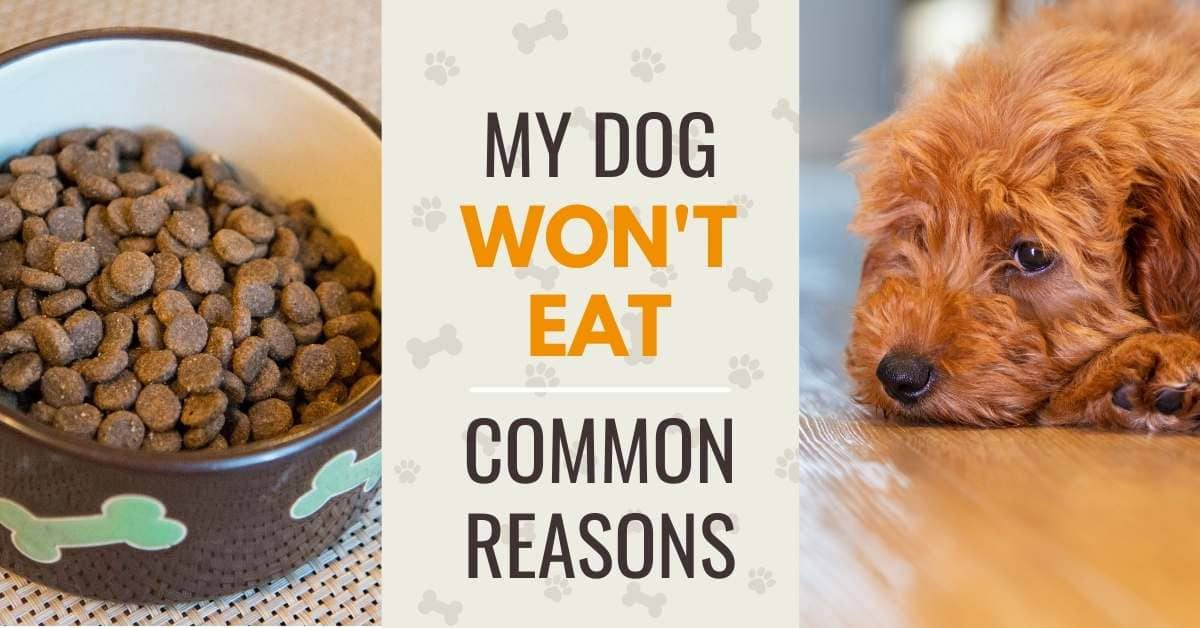
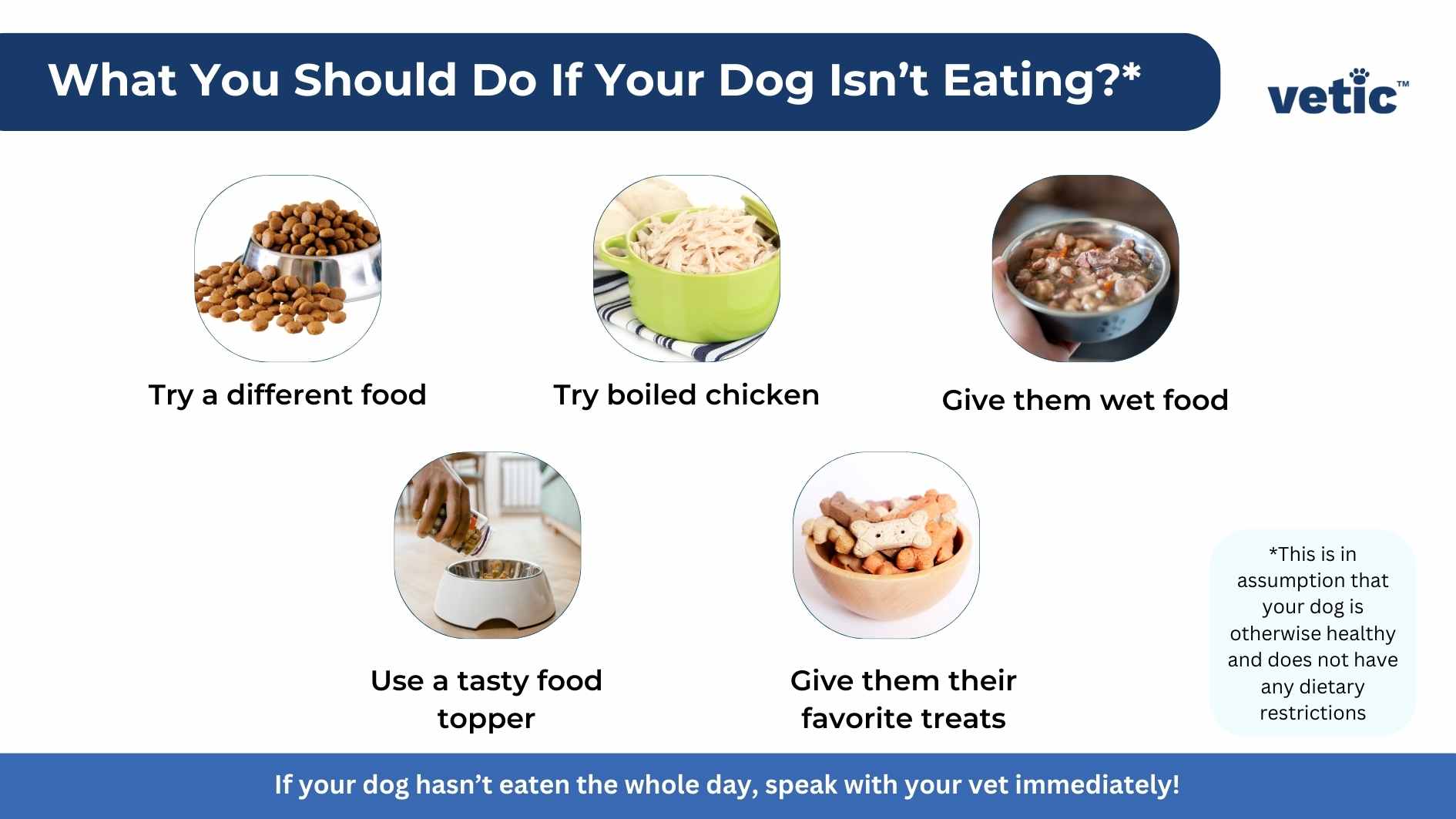
If your dog seems otherwise well, you can start with a few simple checks. Keep the feeding area calm, offer fresh water, and make sure the food is fresh and familiar.
Avoid turning every missed meal into a battle. Forcing food can increase stress and may be unsafe if your dog is nauseated or has trouble swallowing. If the appetite problem continues or other symptoms appear, ask your veterinarian what to do.

- ✦ Check the food
Make sure the food has been stored correctly and does not smell stale, spoiled, or unusual.
- ✦ Keep water available
Offer clean, fresh water and monitor whether your dog is drinking normally.
- ✦ Reduce stress
Let your dog eat in a quiet area away from noise, children, and other pets.
- ✦ Review recent changes
Think about recent changes in food, treats, travel, exercise, routine, medication, or the home.
- ✦ Avoid human medicine
Do not give human pain medicine or other drugs unless a veterinarian has specifically told you to do so.
- ✦ Track what happens
Write down meals, water intake, vomiting, stool changes, energy, and other symptoms. This can help your veterinarian.
Should I change my dog’s food?
A sudden food change can cause stomach upset or make a dog reject a new taste or texture. If a diet change is needed, a gradual transition is often easier for the digestive system than an abrupt switch.
If your dog refuses food because of suspected illness or pain, changing brands may not solve the real problem. Find the cause before making repeated diet changes.
- ✦ Use gradual changes
When changing diets, mix the old and new foods over several days unless your veterinarian gives different instructions.
- ✦ Avoid constant switching
Repeatedly offering new foods can make it harder to understand whether appetite loss comes from illness, stress, or food preference.
How to tell if your dog is being picky or actually sick
It can be tempting to call a dog picky when it refuses food. But appetite loss can have many causes, and you should not assume that a dog is simply being stubborn.
A dog that refuses one food but eagerly eats other foods may have a preference issue. A dog that refuses favorite treats, has low energy, or shows other symptoms may have a health problem. This difference can help guide your next step.

- ✦ Picky eating may look like food preference
Some dogs refuse one food but remain bright, active, and interested in treats or another familiar food.
- ✦ Illness often brings other changes
Loss of appetite with weakness, vomiting, diarrhea, pain, fever, breathing changes, or unusual behavior is more concerning.
- ✦ Favorite treats matter
A dog that normally loves treats but suddenly refuses all food deserves closer attention.
- ✦ Normal behavior is reassuring but not a guarantee
A dog can still act fairly normal during an early health problem, so watch the appetite trend and any new signs.
Keep a simple appetite diary
If you keep asking why does my dog not want to eat, a short appetite diary can make the pattern easier to see. Record meal times, food amounts, treats, water intake, stool, vomiting, and energy.
This record can also help your veterinarian. Clear details are often more useful than simply saying that your dog has not been eating well.
- ✦ Record meals
Note how much food your dog is offered and how much is actually eaten.
- ✦ Record symptoms
Write down vomiting, diarrhea, coughing, pain, unusual behavior, or other changes.
- ✦ Record recent events
Include travel, stressful events, new foods, new medicines, and changes in daily routine.
What a veterinarian may do if your dog is not eating
If the appetite loss does not improve or comes with other symptoms, a veterinarian can look for the underlying cause. The visit often starts with questions about eating, drinking, bowel movements, medicines, recent changes, and behavior.
The veterinarian may examine your dog’s mouth, teeth, abdomen, heart, lungs, and overall condition. Depending on the findings, tests such as blood work or imaging may be recommended. The right tests depend on the individual dog.
Treatment should target the cause rather than only the missed meal. For example, a dog with dental pain needs a different plan from a dog with stomach illness or another medical condition.
- ✦ History
Your veterinarian may ask when appetite changed, what your dog normally eats, and whether anything changed at home.
- ✦ Physical exam
The exam can help identify pain, dehydration, dental problems, fever, abdominal concerns, or other clues.
- ✦ Diagnostic tests
Blood tests, urine tests, stool tests, or imaging may be used when the exam suggests a medical problem.
- ✦ Treatment plan
Treatment depends on the cause and may include diet changes, fluids, medicine, dental care, or other veterinary treatment.
Why finding the cause matters
Trying to fix appetite alone may hide an important problem. A dog may eat after receiving a tempting food but still have pain or illness underneath.
That is why the answer to why does my dog not want to eat should focus on the reason for the appetite change. When the cause is found, your veterinarian can choose a safer and more useful treatment.
- ✦ Appetite is a symptom
Reduced food intake can be a sign of many different problems, so the symptom alone does not identify the cause.
- ✦ Individual care matters
The right response depends on your dog’s age, health history, symptoms, diet, and physical exam.