Keep your dog healthy by providing balanced food, regular exercise, preventive veterinary care, proper grooming, mental stimulation, and a safe daily routine.
In the United States, millions of families consider dogs part of the household, and keeping a dog healthy requires more than providing food and shelter. A healthy dog depends on consistent care choices that support physical health, emotional well-being, and disease prevention throughout life.
The best approach to dog health is preventive care. Regular veterinary visits, age-appropriate nutrition, daily activity, parasite control, dental care, and attention to behavior changes can help owners notice problems early and support a better quality of life. This guide explains practical steps owners can follow while recognizing when professional veterinary advice is needed.
Source: woofmeowjoy.com
Provide A Balanced Diet And Healthy Feeding Routine
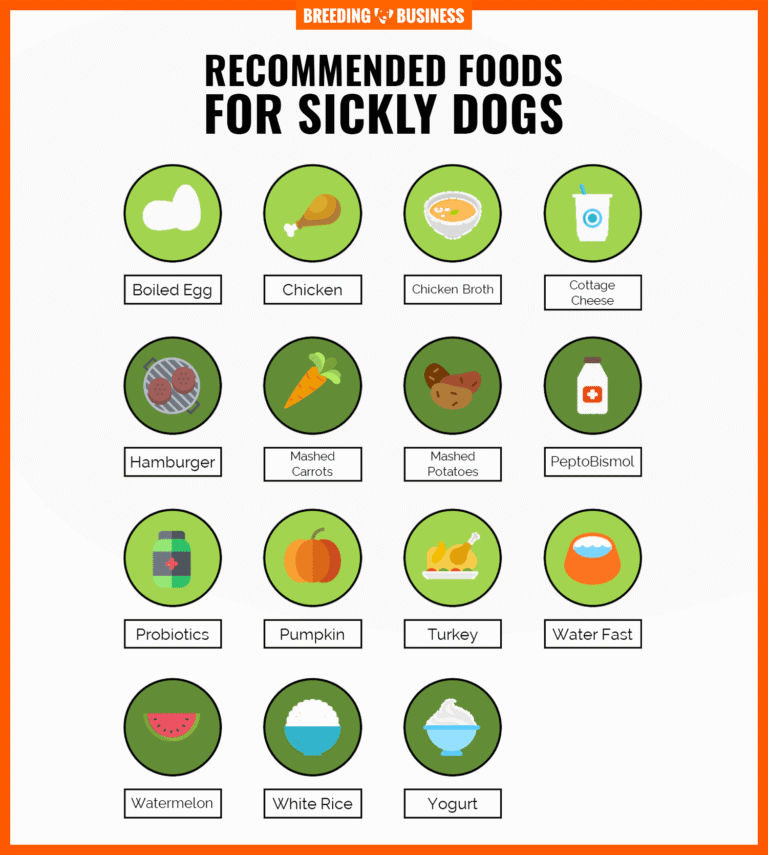
Proper nutrition is one of the foundations of keeping a dog healthy. Dogs need food that provides the right balance of protein, fats, carbohydrates, vitamins, minerals, and water. The correct diet depends on factors such as age, body size, activity level, and medical conditions.
Choose a complete and balanced dog food that meets recognized nutritional standards. The right amount of food is also important because overfeeding can lead to obesity, which may increase the risk of joint problems, diabetes, and other health issues.
Healthy feeding is not only about what a dog eats but also how consistently meals are provided. A predictable feeding schedule can help owners monitor appetite and identify changes that may signal illness.
Source: i.pinimg.com
Measure portions
Follow feeding guidelines while adjusting portions based on your dog’s body condition, activity, and veterinarian recommendations.
Maintain fresh water access
Provide clean water every day because hydration supports digestion, circulation, and normal body functions.
Avoid unsafe foods
Do not give dogs foods that may be harmful, including chocolate, grapes, raisins, onions, garlic, and certain artificial sweeteners such as xylitol.
How To Maintain A Healthy Dog Weight
A healthy weight allows dogs to move comfortably and reduces unnecessary stress on their bodies. Owners can monitor weight by checking body shape, feeling the ribs with light pressure, and scheduling routine veterinary assessments.
If a dog gains or loses weight unexpectedly, the cause may involve diet, activity, stress, dental issues, or underlying disease. Sudden weight changes should be discussed with a veterinarian.
Use treats carefully
Treats should make up only a limited part of daily calories and should not replace balanced meals.
Give Your Dog Regular Exercise And Activity
Exercise helps dogs maintain a healthy weight, build muscle, manage stress, and develop good behavior. The amount of exercise needed varies widely between dogs. A young working breed may need much more activity than a senior small breed.
Daily movement should match the dog’s age, health condition, and physical ability. Walking, playing, training games, and safe outdoor activities can all contribute to a healthier lifestyle.
Exercise should be increased gradually, especially for dogs that are overweight, older, or returning to activity after illness.
Source: static.wixstatic.com
Choose suitable activities
Walking, swimming, play sessions, and training games can provide physical and mental benefits.
Watch for warning signs
Stop activity and seek veterinary advice if your dog shows severe fatigue, breathing difficulty, weakness, or pain.
Mental Exercise Matters Too
Dogs need mental stimulation because boredom can contribute to unwanted behaviors. Puzzle toys, obedience training, scent games, and new experiences can keep a dog’s mind active.
Mental enrichment should be safe and appropriate for the dog’s size, age, and temperament.
Use training sessions
Short positive training sessions can strengthen communication while giving dogs a mental challenge.
Schedule Preventive Veterinary Care
Routine veterinary care is one of the most effective ways to support long-term dog health. Veterinary visits allow professionals to monitor weight, teeth, skin, heart health, mobility, and other important areas.
Preventive care often includes vaccinations, parasite prevention, health screenings, and advice tailored to the dog’s life stage. Puppies, adult dogs, and senior dogs may need different schedules and assessments.
Owners should not wait until a dog appears seriously ill before seeking help. Early attention to changes can improve treatment options and outcomes.
Source: nepapetsitting.com
Keep health records
Maintain vaccination, medication, and veterinary visit information so important details are easy to track.
Discuss prevention plans
Ask your veterinarian about parasite control, dental care, nutrition, and screenings based on your dog’s needs.
Signs Your Dog May Need Veterinary Attention
Changes in normal behavior are often the first signs that something may be wrong. Owners know their dogs best and should pay attention to unusual patterns.
Contact a veterinarian when concerns are persistent, severe, or sudden.
Possible warning signs
Examples include loss of appetite, repeated vomiting, unusual tiredness, sudden aggression, difficulty breathing, or unexplained weight changes.
Maintain Grooming And Dental Care Habits
Grooming is not only about appearance. Regular brushing, bathing when needed, nail care, ear checks, and dental care help protect a dog’s comfort and health.
Dental disease is common in dogs and can affect eating, comfort, and overall wellness. Regular tooth brushing with products designed for dogs can help reduce plaque buildup.
Grooming routines also give owners a chance to notice lumps, skin changes, parasites, injuries, or other concerns early.
Source: i.pinimg.com
Brush regularly
Brushing frequency depends on coat type, but regular care helps reduce mats and removes loose hair.
Trim nails safely
Overgrown nails can affect movement and comfort, so trim them appropriately or seek professional help.
Create A Simple Home Health Check
A short weekly check can help owners notice changes early. Look at eyes, ears, skin, paws, coat condition, and behavior.
A home check does not replace veterinary care, but it helps owners become familiar with what is normal for their dog.
Track changes
Write down unusual symptoms, appetite changes, or activity differences to discuss with a veterinarian.
Create A Safe And Healthy Daily Environment
A dog’s environment affects both physical and emotional health. Safe living spaces, supervision, proper identification, and protection from hazards reduce preventable problems.
Dogs need a balance of routine and positive experiences. A stable schedule for meals, exercise, rest, and training can help many dogs feel secure.
Owners should adjust care as dogs age because senior dogs may need easier exercise, mobility support, or changes in daily routines.
Source: petdogplanet.com
Prevent household risks
Store chemicals, medications, toxic foods, and dangerous objects away from pets.
Provide rest
Dogs need comfortable resting areas and enough sleep to support recovery and normal behavior.
Common Mistakes That Can Harm Dog Health
Many health problems develop from small repeated mistakes rather than one major event. Understanding common errors helps owners make better choices.
Avoid making sudden diet changes, ignoring dental care, skipping preventive visits, or assuming every dog has the same exercise needs.
Avoid one-size-fits-all care
Every dog has different needs based on breed, age, genetics, and health status.
Frequently Asked Questions
Q
What is the most important thing to keep a dog healthy?
The most important part of dog health is consistent preventive care. A balanced diet, regular activity, veterinary care, and attention to changes work together to support a dog’s well-being.
Q
How often should a healthy dog visit the veterinarian?
Many dogs benefit from regular wellness examinations, but the ideal schedule depends on age, health history, and risk factors. Your veterinarian can recommend the right timing.
Q
How can I tell if my dog is healthy?
A healthy dog usually has normal appetite, stable weight, good energy, clean skin and coat, normal bathroom habits, and typical behavior. Sudden changes should be evaluated.
Q
Can exercise improve my dog’s health?
Yes. Appropriate exercise supports muscle strength, weight control, mobility, and mental health. The right amount depends on the individual dog.
Q
What should I do if my dog suddenly seems unhealthy?
Monitor the symptoms and contact a veterinarian if changes are severe, sudden, or continue. Emergency signs such as breathing problems, collapse, or poisoning require immediate professional help.
✦ Wrapping Up
Conclusion
Keeping a dog healthy is a daily process built from simple habits. Good nutrition, exercise, preventive care, grooming, and a safe environment create the foundation for a longer and more comfortable life.
The best care plan is one that matches your dog’s individual needs. Regular observation and communication with a veterinarian help owners make informed decisions as their dogs grow and change.
💡 Key Takeaway
Start with one healthy habit today, such as measuring meals, scheduling a wellness check, adding daily activity, or creating a simple grooming routine.