To get a sick dog to eat, first address the cause of appetite loss, offer small portions of easy-to-digest food, make meals more appealing, keep your dog hydrated, and contact a veterinarian if refusal to eat continues or other warning signs appear.
Across the United States, many dog owners face the same concern when a normally hungry pet suddenly ignores food. A temporary loss of appetite can happen during mild illness, stress, stomach upset, medication use, or recovery from a procedure. However, a dog that refuses food may also be showing a sign of a more serious health problem, so safe steps matter.
The best way to encourage eating is not to force food but to make eating easier while watching for changes in behavior, hydration, and symptoms. A sick dog may need a quieter feeding area, smaller meals, a different texture, or veterinary care depending on the reason for the appetite change.
This guide explains practical ways to help a sick dog eat, what foods may be appropriate, mistakes to avoid, and when a lack of appetite becomes a reason to call a veterinarian.
Source: animalia-life.club
Why A Sick Dog May Stop Eating
A sick dog may stop eating because the body is responding to discomfort or illness. Appetite is controlled by many systems, including digestion, hormones, the nervous system, and emotional state. When one of these systems changes, a dog may ignore food even if it normally eats quickly.
The cause of appetite loss helps determine the safest solution. A dog with mild stomach upset may respond to small meals, while a dog with pain, infection, or another medical issue may need treatment instead of food changes.
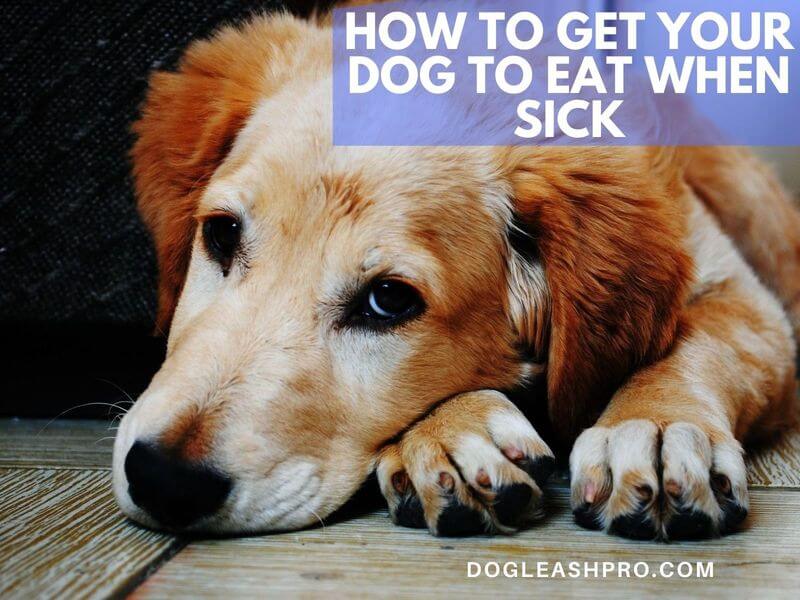
Source: dogleashpro.com
Digestive problems
Nausea, vomiting, diarrhea, constipation, or stomach irritation can make eating uncomfortable.
Pain or discomfort
Dental pain, injuries, inflammation, or internal discomfort may reduce interest in food.
Stress and environmental changes
Travel, new surroundings, loud environments, or changes in routine can affect appetite.
Medication effects
Some medicines can change taste, cause nausea, or reduce hunger temporarily.
When Appetite Loss Needs Extra Attention
A missed meal is not always an emergency, but appetite loss becomes more concerning when it happens with other symptoms. Puppies, senior dogs, and dogs with existing health conditions may need earlier veterinary advice because they can become weak faster.
Contact a veterinarian if your dog has repeated vomiting, severe diarrhea, trouble breathing, extreme tiredness, signs of pain, dehydration, or refuses food for a concerning length of time.
Prepare A Comfortable Feeding Environment
A calm feeding space can help a sick dog feel safe enough to eat. Illness often lowers a dog’s tolerance for noise, activity, and distractions. Moving the bowl to a quiet area can make meals less stressful.
Keep food bowls clean and place fresh water nearby. Strong smells, dirty dishes, or crowded areas may reduce interest in food, especially when a dog already feels unwell.
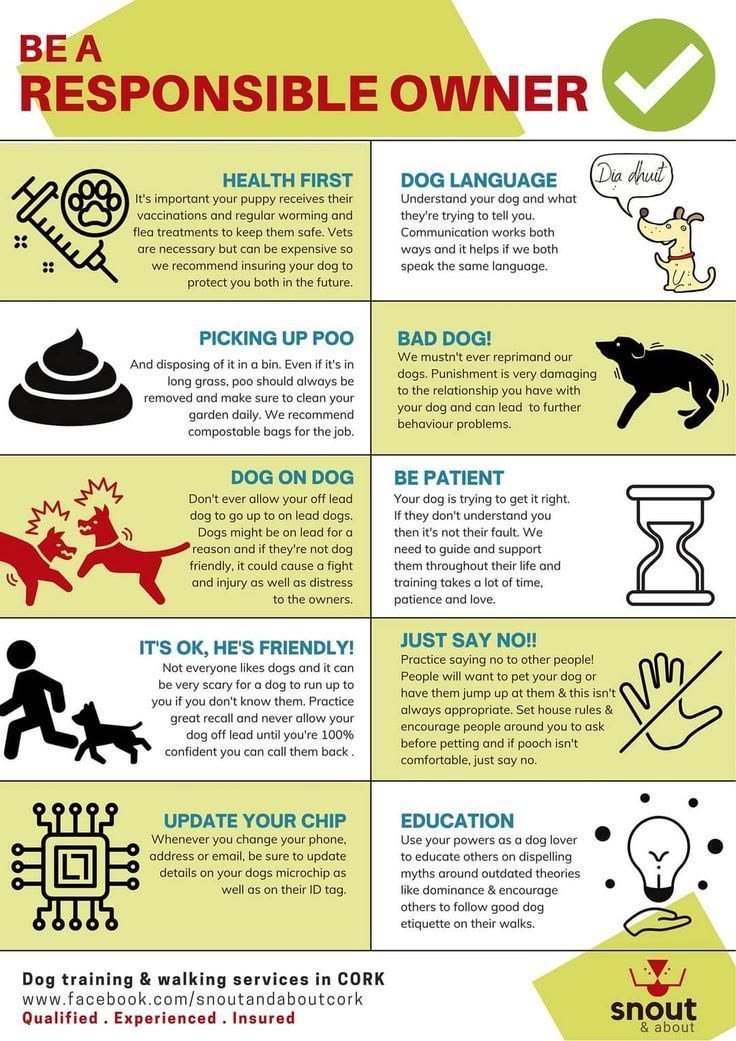
Source: communikait.com
Reduce distractions
Feed your dog away from loud sounds, other pets, and busy areas of the home.
Use fresh food
Fresh meals often smell stronger and may be more appealing than food left out for long periods.
Maintain routine
Keeping familiar meal times can help reduce stress during recovery.
Signs The Feeding Setup Is Helping
Positive signs include approaching the bowl, smelling food, licking small amounts, or eating tiny portions. Small improvements can be meaningful during recovery.
Track changes
Write down what your dog eats, drinks, and any symptoms so you can share accurate information with a veterinarian if needed.
Offer Foods That May Be Easier For A Sick Dog To Eat
When a dog feels sick, softer and more aromatic foods may be easier to accept than regular dry food. Any food change should consider your dog’s condition and dietary needs.
Many veterinarians recommend bland diets for certain short-term digestive issues, but the correct food depends on the individual dog. Dogs recovering from surgery, chronic disease, or serious illness may need specific nutrition plans.
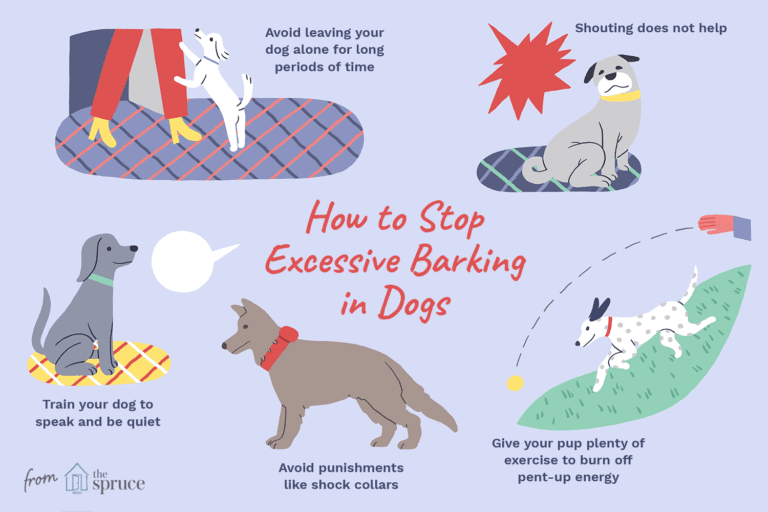
Source: puppysimply.com
Warm food slightly
A mild increase in temperature can improve aroma and may make food more attractive. Avoid serving food that is hot.
Try smaller portions
A few bites at a time may feel easier than a full meal for a nauseated dog.
Consider texture
Some dogs prefer soft food or moistened meals when they feel weak.
Foods To Avoid Without Veterinary Advice
Do not give human foods simply because they seem appealing. Some common foods can be unsafe for dogs, and rich foods may worsen stomach problems.
Avoid sudden diet changes
Rapid food changes can cause digestive upset and make recovery harder.
Use A Step By Step Approach To Encourage Eating
Helping a sick dog eat works best as a gradual process. The goal is to create interest in food without causing pressure or stress.
Observe your dog’s response after each step. If your dog refuses food repeatedly or symptoms worsen, changing food alone may not solve the problem.
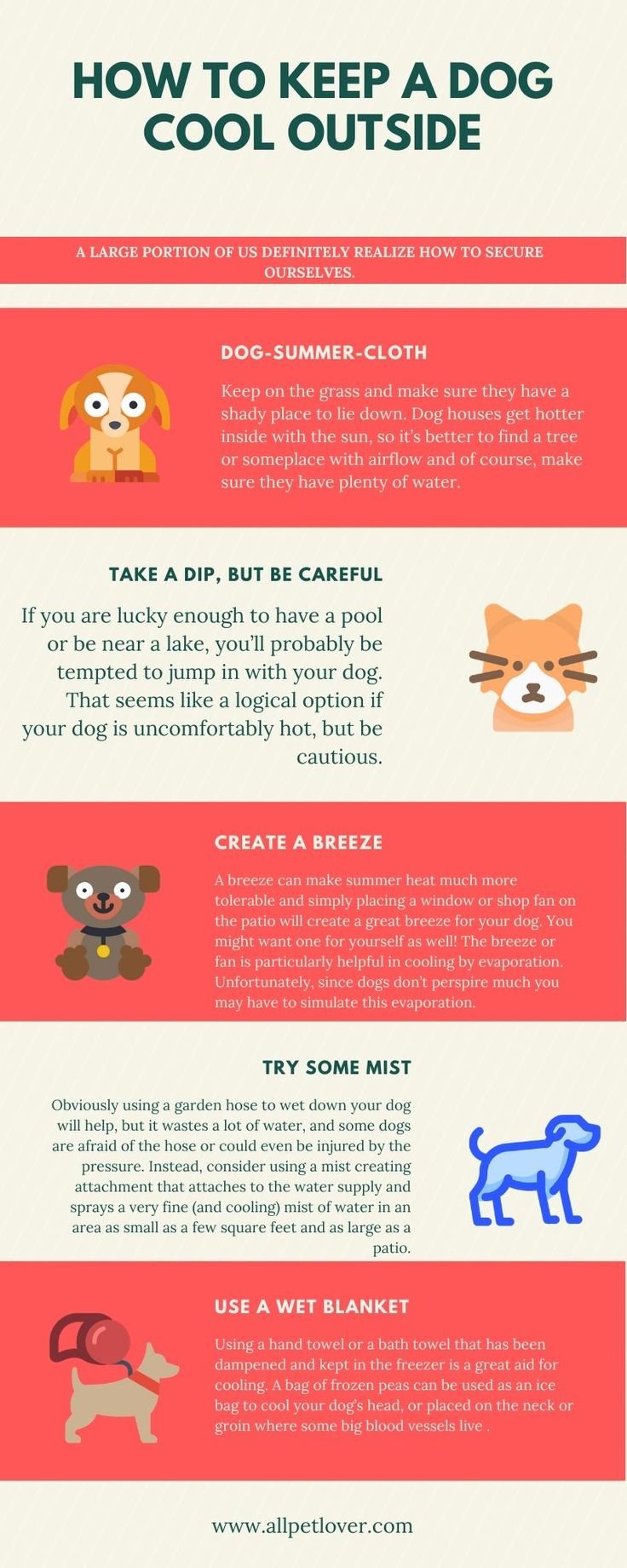
Source: storage.googleapis.com
Step 1: Check basic needs
Make sure your dog has access to clean water and a comfortable resting area.
Step 2: Offer a small meal
Provide a small amount of suitable food and allow your dog time to investigate it.
Step 3: Monitor response
Watch for eating, drinking, energy level, and changes in symptoms.
Step 4: Seek help if needed
Contact a veterinarian when appetite loss is persistent or combined with concerning symptoms.
Why Force Feeding Is Usually Not The First Choice
Force feeding can create stress and may be unsafe if a dog has nausea, swallowing problems, or certain medical conditions. A veterinarian can advise when assisted feeding is appropriate and how to do it safely.
Safer approach
Encourage voluntary eating first and use professional guidance for feeding assistance.
Common Mistakes When Feeding A Sick Dog
Many caring owners try to help by offering many different foods, treats, or large meals. However, too many changes can make it harder to identify what is helping and may upset digestion.
The safest approach combines patience, observation, and timely veterinary care when needed.
Source: storage.googleapis.com
Offering too many treats
Treats may reduce interest in balanced meals and can worsen some digestive problems.
Ignoring water intake
A dog that is not drinking may need attention even if food is the main concern.
Waiting too long
Persistent appetite loss can require professional evaluation.
How To Know If Your Dog Is Improving
Improvement may appear as increased interest in food, better energy, normal drinking habits, and fewer illness symptoms. Recovery can happen gradually, so small positive changes matter.
Continue monitoring
Keep observing your dog even after eating returns because the original illness may still need attention.
Frequently Asked Questions
Q
How long can a sick dog go without eating?
The safe amount of time depends on the dog’s age, size, health condition, and reason for refusing food. Puppies, senior dogs, and dogs with medical conditions may need veterinary advice sooner than healthy adult dogs.
Q
Should I give my sick dog human food to make it eat?
Some plain foods may be appropriate in certain situations, but not every human food is safe for dogs. Ask a veterinarian if you are unsure what food fits your dog’s condition.
Q
Why is my dog drinking water but not eating?
A dog may continue drinking while avoiding food because nausea, pain, stress, or other problems affect appetite more than thirst. Continued refusal should be monitored closely.
Q
Can I give my dog appetite stimulants?
Only use appetite medications when prescribed or recommended by a veterinarian. The correct treatment depends on why your dog is not eating.
Q
When should I call a veterinarian about my dog not eating?
Seek veterinary advice if your dog has serious symptoms, appears very weak, shows pain, cannot keep food or water down, or continues refusing food longer than is appropriate for their situation.
✦ Wrapping Up
Conclusion
Getting a sick dog to eat starts with understanding why appetite has changed. A calm environment, small meals, suitable food choices, and careful monitoring can help many dogs regain interest in food.
However, appetite loss is a symptom rather than a diagnosis. If your dog refuses food for too long or shows other signs of illness, veterinary guidance is the safest next step.
💡 Key Takeaway
Offer small, gentle meals, monitor hydration and symptoms, avoid force feeding, and contact a veterinarian when your dog’s condition does not improve or warning signs appear.