Why Do Dogs Get Along With Humans: The Science Behind It
Dogs get along with humans because thousands of years of domestication shaped them to read our cues, seek our attention, and fit into human social life. In the United States, that bond now shows up in everyday routines like walks, training, play, and even family travel. The short answer is simple: dogs are biologically wired to connect with people, and most humans reinforce that connection with food, care, structure, and affection.
Dogs do not just “like” people by chance. They evolved alongside humans, and over time, dogs that were calmer around people, better at understanding signals, and easier to live with were more likely to thrive. That history still matters today in American homes, where dogs often treat humans as social partners, not just providers.

The main reason dogs and humans connect so well
Dogs get along with humans because they are unusually good at forming cross-species social bonds. Compared with wolves, dogs are more responsive to human gestures, more tolerant of close contact, and more likely to look to people for help or guidance. That makes the human-dog relationship feel natural on both sides.
This connection is not built on one factor alone. It comes from a mix of evolution, behavior, and daily reinforcement. Human beings feed dogs, protect them, train them, and provide routine. Dogs learn that people are predictable sources of safety and rewards.
Domestication changed how dogs think and behave
Domestication is the biggest reason dogs and humans work so well together. Early dogs that were less fearful and more interested in people had an advantage around human settlements. Over many generations, that process selected for dogs that could live near people without constant conflict.
That shift changed more than temperament. Dogs became better at noticing human movement, tone of voice, and pointing. They also became more flexible in social settings, which helps them adapt to homes, neighborhoods, parks, and veterinary care across the United States.
What domestication likely selected for
Dogs are more likely than wolves to:
- seek human attention
- tolerate handling
- respond to human cues
- show social flexibility
- recover faster from mild stress in human settings
These traits do not make every dog friendly. They do mean the species as a whole is better suited to human companionship than most other mammals.
Dogs are skilled at reading human signals
Dogs get along with humans partly because they are excellent at social perception. They notice facial expressions, body posture, tone of voice, and even pointing. In practical terms, this helps dogs understand what people want before a full command is spoken.
This is why many dogs can follow a hand signal, sit when a person pauses near the leash, or move toward a door when they hear a familiar cue. The dog is not reading language the way a person does. Instead, it is learning patterns from repeated human behavior.
Common human cues dogs often understand
| Human signal | What dogs often infer | Practical effect |
|---|---|---|
| Pointing | Direction or target | Helps with fetching, finding toys, or following a cue |
| Eye contact | Attention is focused on them | Often starts communication |
| Tone of voice | Calm, praise, or warning | Changes the dog’s response |
| Body orientation | Where a person may move next | Helps dogs anticipate actions |
| Routine actions | Predictable event is coming | Supports house training and schedules |
Dogs usually get better at this with practice. A dog that lives with consistent rules will often seem more “in tune” with its family than a dog in a chaotic environment.
Human care creates trust
Dogs get along with humans because people consistently meet many of their basic needs. Food, water, shelter, grooming, medical care, and protection all create a strong association between humans and safety. Over time, that association turns into trust.
Trust matters because dogs are social animals. When a dog believes a human is a reliable source of comfort, it is more likely to seek closeness, accept handling, and stay calm in unfamiliar situations. This is one reason shelter dogs often bond quickly with adopters who provide a stable routine.
What builds trust fastest
- predictable feeding times
- calm handling
- gentle training
- safe resting space
- consistent rules
- positive reinforcement
Trust can break down if a dog experiences harsh punishment, unpredictable behavior, or rough handling. In those cases, the dog may still live with humans, but the relationship becomes less secure.
Oxytocin helps strengthen the bond
Researchers have found that positive interaction between dogs and humans can increase oxytocin, a hormone involved in bonding and social connection. This does not mean dogs and people bond for one chemical reason alone. It does mean the bond has a biological reward system behind it.
Simple interactions can matter: petting, soft speech, play, and mutual eye contact can support that feedback loop. The result is a relationship that feels rewarding to both species. In everyday life, that is part of why a dog may follow its owner from room to room or settle down beside them on the couch.
Dogs and humans benefit from each other
The relationship works because it helps both sides. Humans gain companionship, emotional support, and practical assistance. Dogs gain food, safety, social contact, and a stable environment. That mutual benefit is one reason the bond has lasted so long.
In the United States, dogs also play many roles beyond family pets. They serve as service dogs, therapy dogs, search-and-rescue dogs, and working dogs on farms and in law enforcement. Those jobs depend on the same core strengths that support household companionship: social sensitivity, trainability, and trust.
Why some dogs bond more easily than others
Not every dog gets along with humans in the same way. Breed tendencies, early socialization, age, past experiences, and health can all shape behavior. A dog raised with kind handling and steady exposure to people is usually easier to place in a human home than a dog with little socialization or a traumatic history.
Factors that can change the bond
- Early socialization: Puppies exposed to calm people early often adjust better later.
- Breed traits: Some breeds were selected more for cooperation with humans.
- Past experience: Fear, neglect, or abuse can make trust harder.
- Health and pain: Illness or discomfort can make a dog more defensive.
- Individual temperament: Just like people, dogs have distinct personalities.
This is why two dogs in the same home can behave very differently. The species explains the broad pattern, but the individual dog still matters.
Common misunderstandings about dogs and humans
One common myth is that dogs love everyone automatically. That is not true. Dogs often prefer familiar people, safe routines, and clear communication. Many dogs are friendly, but friendliness is still shaped by experience and training.
Another misunderstanding is that dogs “know” what humans mean every time we speak. Dogs can learn many words and phrases, but they rely heavily on tone, repetition, and context. If a dog seems to understand a sentence, it is often responding to a learned pattern rather than full human language.
Signs a dog trusts a human
A dog that gets along well with humans often shows clear signals of comfort. These signs can include:
- relaxed body posture
- soft facial expression
- approaching voluntarily
- leaning in for contact
- following a person around the home
- responding well to cues
- settling near people without agitation
These behaviors suggest the dog feels safe. They do not guarantee perfect behavior in every situation, but they are strong signs of a healthy bond.
When the relationship does not come easily
Some dogs struggle with people because of fear, pain, poor socialization, or stressful experiences. In those cases, forcing interaction can make the problem worse. A safer approach is gradual trust-building with patience, structure, and professional help when needed.
If a dog shows persistent aggression, intense fear, or sudden personality changes, a veterinarian should check for medical causes first. Pain, thyroid issues, neurological problems, and other conditions can affect behavior. A qualified behavior professional can then help with a plan if the issue is behavioral rather than medical.
How to strengthen the bond with your dog
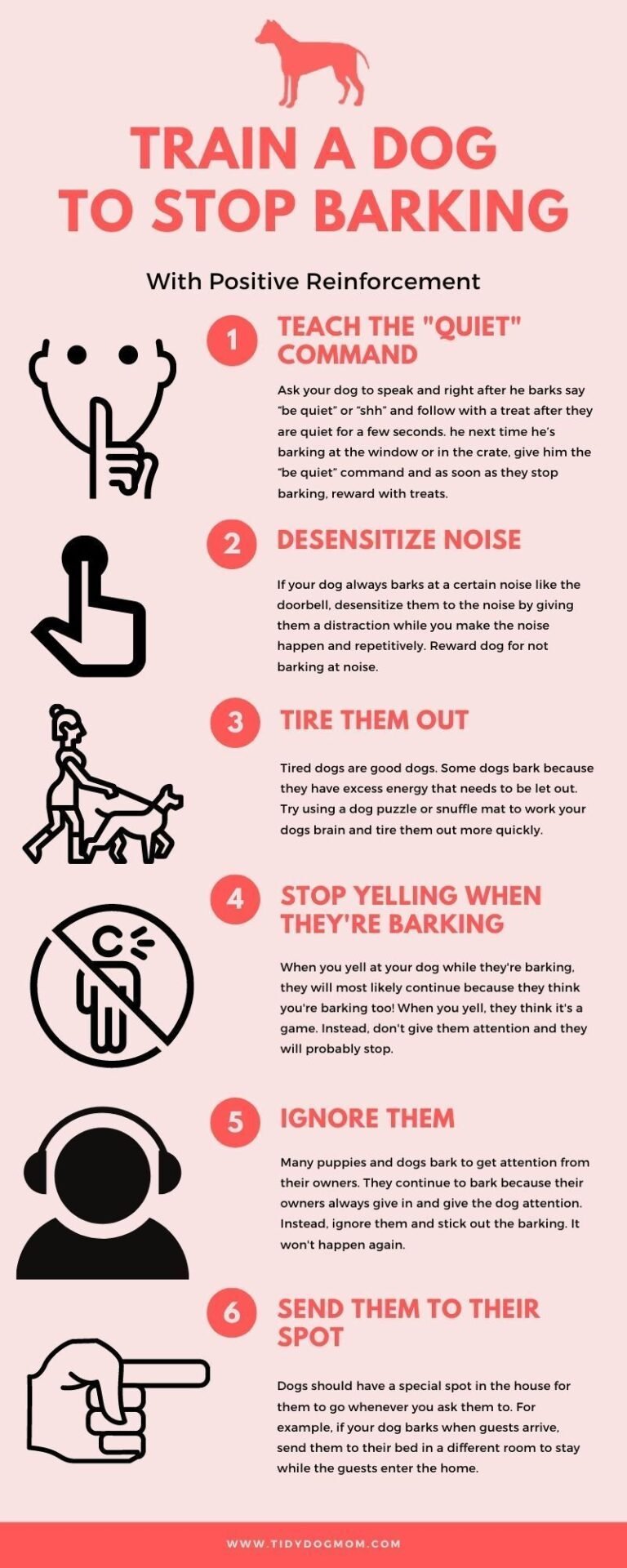
The best way to improve the human-dog relationship is to make life predictable and rewarding for the dog. Keep routines steady, use clear cues, and reward the behavior you want. Short training sessions often work better than long, frustrating ones.
Practical ways to build trust
- Feed and walk on a regular schedule.
- Use the same cues for the same actions.
- Reward calm behavior with praise, treats, or play.
- Avoid yelling or harsh corrections.
- Give the dog space when it seems overwhelmed.
- Use short, consistent training sessions.
- If problems persist, consult a veterinarian or certified trainer.
Success usually looks like a dog that is calmer, more responsive, and more willing to approach people voluntarily.
FAQs
Why do dogs like humans more than other animals?
Dogs are adapted to human social behavior. They are better at reading our cues and more likely to see people as safe, rewarding partners.
Do dogs actually love humans?
Many dogs form strong attachment bonds with humans. Their behavior often shows comfort, trust, and preference for familiar people.
Can any dog learn to trust people?
Many dogs can improve with patience, structure, and positive experiences. Some may need professional help, especially if fear or aggression is involved.
Why does my dog follow me everywhere?
Following often means attachment, curiosity, or a desire for security. It can also reflect routine and learned reinforcement.
Are some breeds better with humans than others?
Some breeds were selected for close work with people, so they may be especially responsive to human cues. Still, individual temperament and early experience matter a lot.
Conclusion
Dogs get along with humans because evolution, learning, and daily care all point in the same direction. Over time, dogs became animals that can read people, rely on people, and live comfortably in human homes. In return, humans give dogs the structure, safety, and attention that make that bond strong.
If you want a better relationship with your dog, focus on consistency, patience, and positive reinforcement. That is usually the clearest path to trust.