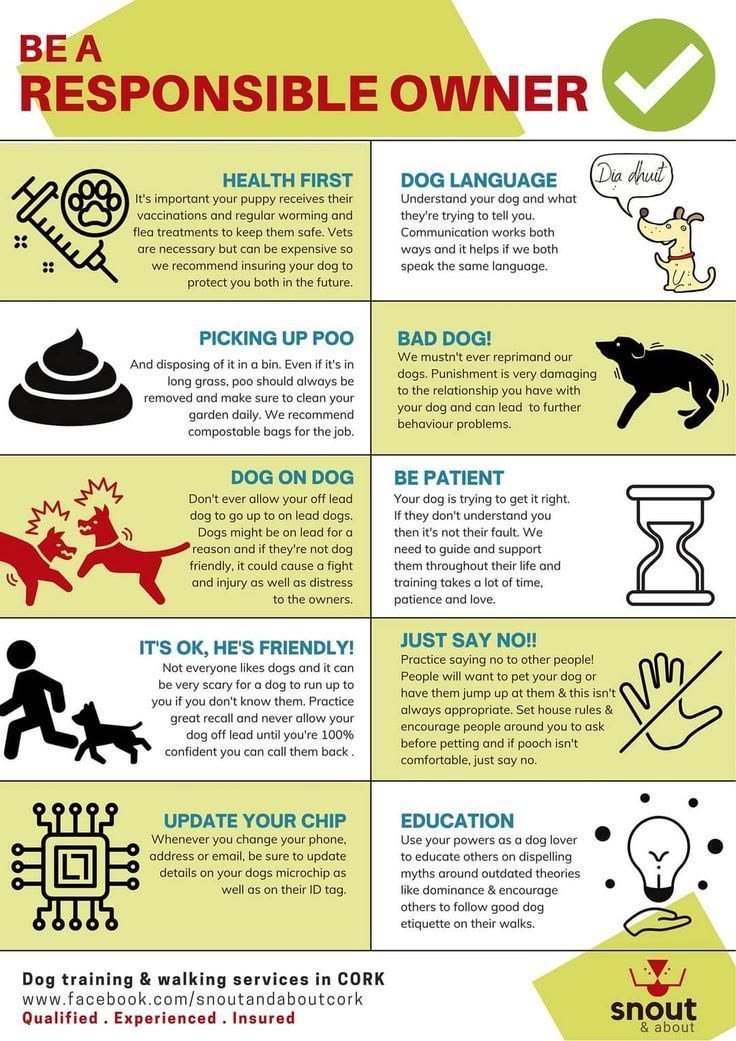
How to prepare for a dog starts with choosing the right dog for your lifestyle, making your home safe, gathering essential supplies, planning veterinary care, and creating a daily routine before your new companion arrives.
Across the United States, millions of households welcome dogs as family companions, but successful dog ownership begins before the first walk or play session. A prepared home helps a dog adjust faster and gives owners a clearer understanding of the time, cost, training, and care involved.
Preparing for a dog is more than buying food bowls and toys. A new owner needs to consider housing rules, exercise needs, feeding schedules, grooming, safety risks, training goals, and long-term veterinary care. The right preparation creates a stable environment where a dog can develop good habits and feel secure.
Source: animalia-life.club
Understand What Owning A Dog Requires Before Bringing One Home
The first step in preparing for a dog is understanding the daily responsibility involved. Dogs depend on people for food, exercise, safety, medical care, and social interaction throughout their lives. The commitment can last many years, so preparation should begin with an honest review of your lifestyle.
Different dogs have different needs. A young, active dog may require more exercise and training than an older dog. A large dog may need more space and food, while a small dog may still need significant mental stimulation and attention.
Source: allaboutantenatal.co.uk
Time commitment
Dogs need regular feeding, bathroom breaks, exercise, training, and companionship. Consider whether your daily schedule allows consistent care.
Financial planning
Plan for food, preventive veterinary care, medications, grooming, supplies, training, and unexpected medical expenses.
Lifestyle match
Choose a dog based on energy level, temperament, size, and care needs rather than appearance alone.
Decide Whether A Puppy Or Adult Dog Fits Your Situation
Puppies require frequent supervision, house training, socialization, and basic obedience work. They can be rewarding for owners who have time for early training but may be challenging for busy households.
Adult dogs may already have established behaviors and routines. They can be a good option for people who want a companion with a more predictable personality.
Puppy consideration
Expect more training, chewing management, bathroom accidents, and close supervision.
Adult dog consideration
Consider the dog’s history, behavior, health needs, and adjustment period.
Prepare Your Home Before Your Dog Arrives
A safe home helps prevent accidents during the adjustment period. Dogs explore with their noses and mouths, so items that seem harmless to people may become dangerous for a curious pet.
Walk through your home from a dog’s perspective. Look for objects that can be chewed, swallowed, knocked over, or reached by climbing or jumping.
Source: animalia-life.club
Remove household hazards
Store cleaning products, medications, toxic foods, small objects, and unsafe plants away from your dog’s access.
Create a rest area
Set up a quiet space with a bed, crate if appropriate, and water where your dog can relax.
Check outdoor areas
Inspect fences, gates, pools, and yard hazards before allowing your dog outside.
Set Up A Dog-Friendly Space
A designated area gives a new dog a predictable place to sleep and relax. This can reduce stress because the dog has a familiar location during the transition into a new home.
Keep this area away from heavy foot traffic if possible. Dogs need both interaction and quiet time to rest.
Comfort items
Provide suitable bedding, safe toys, and fresh water.
Training support
Use the area consistently to encourage calm behavior and routine.
Buy The Essential Supplies Before Bringing Home A Dog
Having basic supplies ready prevents unnecessary stress during the first days. The exact items depend on the dog’s size, age, health, and habits, but most new owners need a reliable set of everyday tools.
Avoid buying large amounts of supplies before learning your dog’s preferences. Some dogs prefer certain toy types, food textures, or bedding styles.
Source: artofit.org
Food and water supplies
Prepare appropriate dog food, food bowls, and clean water access.
Walking equipment
Have a properly fitted collar or harness, leash, and identification information.
Cleaning supplies
Keep waste bags, stain cleaners, and grooming tools available.
Training supplies
Use safe treats and suitable toys to support positive training.
Choose Supplies Based On Your Dog’s Needs
A small puppy, senior dog, working breed, and apartment dog may need different equipment. Buying based only on general recommendations can lead to wasted money or unsuitable products.
For example, a strong chewer may need durable toys, while a senior dog may benefit more from comfort-focused items and easier access to food and water.
Size matters
Select collars, crates, beds, and toys that match your dog’s current size and expected growth.
Plan Your Dog’s First Days And Daily Routine
Dogs usually adjust better when life follows a predictable pattern. A routine helps them understand when to eat, sleep, go outside, play, and receive attention.
The first days should focus on calm adjustment rather than overwhelming experiences. Give your dog time to explore the new environment and learn household expectations.
Source: annmariejohn.com
Create feeding times
Feed meals at consistent times and follow appropriate guidance for your dog’s age and health.
Schedule bathroom breaks
Take puppies and newly adopted dogs outside regularly while they learn the routine.
Start basic training
Teach simple cues and reward desired behaviors with consistency.
Introduce Your Dog Slowly To Family Members
A new dog may feel uncertain around unfamiliar people, sounds, and routines. Calm introductions allow the dog to build confidence without excessive pressure.
Children should learn how to interact safely with dogs, including avoiding rough play and respecting the dog’s resting space.
Supervise interactions
Monitor children, guests, and other pets during early introductions.
Arrange Veterinary Care And Long-Term Dog Health Planning
A veterinary visit is an important part of preparing for a dog. A veterinarian can help establish preventive care plans, discuss vaccinations, check health concerns, and answer questions about nutrition or behavior.
Keep records of your dog’s medical history, medications, and previous treatments. Organized information helps future care decisions become easier.
Source: animalia-life.club
Schedule an initial checkup
Arrange a veterinary appointment after bringing your dog home according to your veterinarian’s guidance.
Discuss preventive care
Ask about parasite prevention, vaccinations, dental care, and wellness needs.
Prepare emergency information
Know where to seek urgent veterinary help and keep important contact details available.
Know Signs That Your Preparation Needs Adjustment
Even careful preparation may need changes after your dog arrives. Watch your dog’s behavior and health signs to identify problems early.
Changes such as ongoing fear, destructive behavior, appetite changes, or bathroom problems may require adjustments or professional guidance.
Behavior concerns
Consider training support if unwanted behaviors continue despite consistent routines.
Health concerns
Contact a veterinarian when symptoms suggest illness or discomfort.
Frequently Asked Questions
Q
What should I do before bringing a dog home?
Prepare a safe living area, buy essential supplies, remove hazards, plan veterinary care, and create a daily routine before your dog arrives.
Q
How long does it take a new dog to adjust?
Adjustment time varies depending on the dog’s age, history, temperament, and environment. Some dogs settle quickly, while others need several weeks or more.
Q
What supplies do I need for my first dog?
Most new owners need food and water bowls, appropriate food, identification, leash equipment, bedding, cleaning supplies, grooming tools, and safe toys.
Q
Should I train my dog immediately after bringing it home?
Begin with simple routines and positive training from the start, but allow your dog time to adjust before expecting advanced behaviors.
Q
What is the biggest mistake new dog owners make?
A common mistake is focusing only on supplies while underestimating the importance of time, consistency, training, and long-term care planning.
✦ Wrapping Up
Conclusion
Preparing for a dog means creating a safe home, understanding your responsibilities, and building routines that support your dog’s physical and emotional needs. Good preparation makes the transition easier for both the dog and the owner.
A successful relationship with a dog grows through patience, training, attention, and responsible care. The preparation you complete before arrival provides the foundation for many years of companionship.
💡 Key Takeaway
Before bringing home a dog, complete a safety check, gather essential supplies, schedule veterinary care, and create a realistic daily routine that you can maintain.