Why Do Dogs Move Their Ears: Ear Movement Explained
Introduction
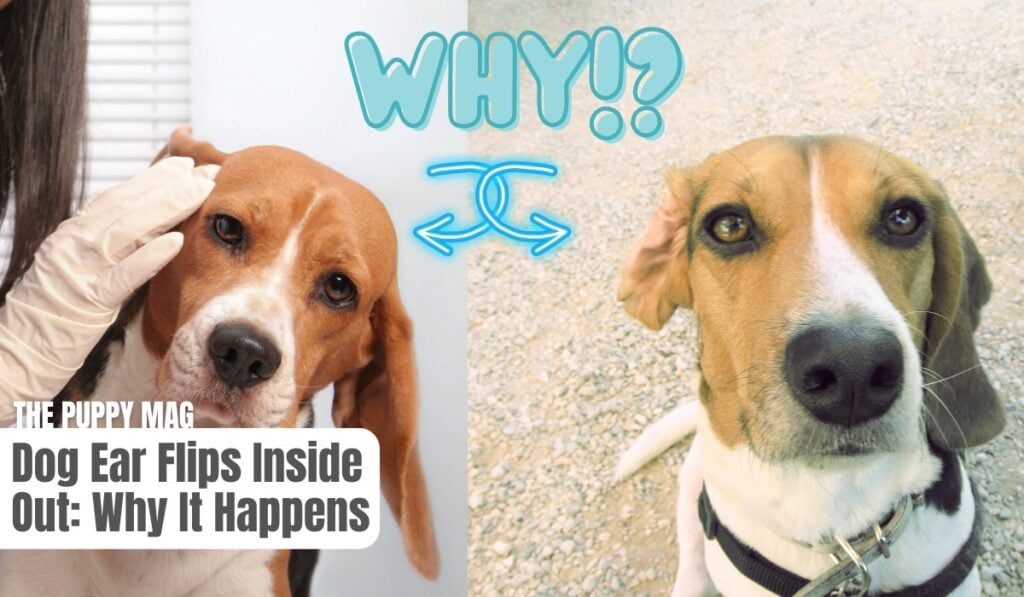
For dog owners in the United States, a dog moving its ears is usually a normal way to respond to sounds, people, animals, and changing emotions. A dog may lift its ears to listen, turn one ear toward a noise, flatten both ears when afraid, or move them back during friendly contact.
Ear movement is useful body language, but it should not be read alone. Your dog’s breed, ear shape, tail, eyes, mouth, posture, and the situation all affect what the movement means. Sudden ear changes, frequent scratching, odor, discharge, swelling, or signs of pain may point to an ear problem that needs veterinary care.
The short answer: why do dogs move their ears?
Dogs move their ears to:
- Find and focus on sounds
- Show alertness or interest
- Communicate fear, stress, trust, or excitement
- Support social signals with other dogs and people
- Protect the ear during conflict or discomfort
- Adjust to touch, wind, movement, or a new setting
A dog’s outer ear is called the pinna. Muscles around the pinna help move the ear in different directions. Dogs can often shift each ear on its own, which helps them locate where a sound comes from.
Ear movement is not a perfect code. An ear held back may show fear in one dog and relaxed attention in another. Always read the whole dog and the setting.
What common dog ear positions mean
The same ear position can have more than one meaning. Use the following guide as a starting point, not a diagnosis.
| Ear position or movement | Common meaning | What else to check |
|---|---|---|
| Ears forward | Interest, alertness, focus, or confidence | Stiff body, hard stare, raised hackles, and a closed mouth may signal tension |
| Ears turn toward a sound | Sound tracking and attention | A relaxed body often suggests simple curiosity |
| One ear forward and one ear back | Mixed attention or sound tracking | The dog may be listening to two things at once |
| Ears held loosely to the side | Relaxation or mild uncertainty | Look for soft eyes and a loose body |
| Ears pulled back but not tight | Friendly greeting, uncertainty, or mild stress | A loose tail and wiggly body differ from a tucked tail and crouched posture |
| Ears pinned tightly against the head | Fear, distress, submission, or pain | Look for trembling, hiding, panting, or attempts to escape |
| Ears move rapidly back and forth | Uncertainty, stress, or active listening | The setting and the dog’s other signals matter |
| One ear suddenly droops | Pain, injury, infection, swelling, or nerve trouble | A new droop needs closer attention, especially with head shaking |
| Ears held low with scratching | Possible itch or ear disease | Check for odor, redness, heat, fluid, or discharge |
Ears forward: “I am paying attention”
Forward-facing ears often mean that a dog has noticed something. The dog may be watching a squirrel, hearing a delivery truck, or waiting for a familiar cue.
Forward ears do not always mean the dog is friendly. If the body is stiff, the mouth is closed, and the eyes are fixed, the dog may feel tense or ready to react. Give the dog space rather than reaching over its head.
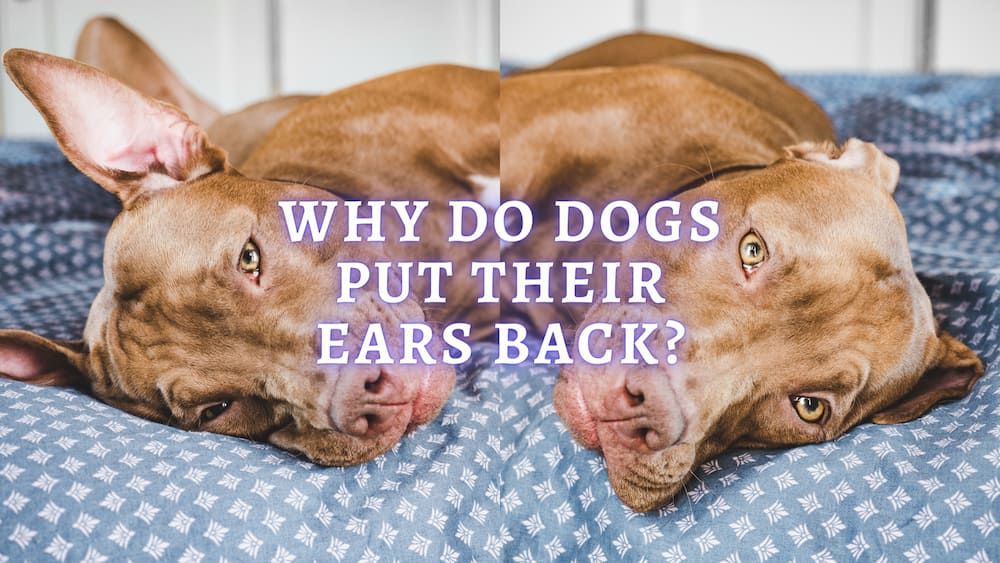
Ears back: “I may feel unsure, stressed, or social”
Dogs often pull their ears back when they feel uncertain. Some dogs also do this when greeting a trusted person. A loose body, soft eyes, open mouth, and relaxed tail can point to a friendly greeting.
Tight ears, a lowered body, tucked tail, lip licking, yawning, shaking, or hiding suggest stress. Do not punish these signs. Move the dog away from the trigger and give it time to settle.
One ear moving at a time: “I am tracking sound”
A dog may point one ear toward a person and the other toward a nearby sound. This is common when the dog is trying to work out what is happening.
A single ear movement is not usually a concern by itself. It becomes more concerning when one ear stays drooped, the dog reacts when you touch it, or the movement begins after an injury.

How dogs use their ears to hear and communicate
Dogs move their ears for both hearing and social communication. These functions often work together.
Ear movement helps locate sound
The outer ear collects sound and helps direct it into the ear canal. By turning the pinnae, a dog can change the direction from which it receives sound. This may help the dog decide whether a noise is close, far away, familiar, or worth investigating.
You may see this when your dog hears a sound that you cannot detect. The ears may lift, rotate, or pause while the dog listens. The dog may then turn its head, walk toward the sound, or return to rest.
Ear signals support other body language
Dogs communicate with a group of signals rather than one body part. Ears are most useful when read with:
- Eyes: Soft eyes may suggest calmness; a hard stare may suggest tension.
- Mouth: A loose, open mouth differs from a tight, closed mouth.
- Tail: A tucked tail often signals fear or stress, while a loose wag can signal comfort. A wag alone does not always mean happiness.
- Body: A curved, loose body usually differs from a stiff, still body.
- Weight shift: Leaning away can show discomfort; leaning forward can show interest or tension.
- Vocal sounds: Growling, whining, barking, or silence add context.
The safest rule is simple: if the dog looks stiff or tries to move away, stop the interaction.
Ear shape changes what you can see
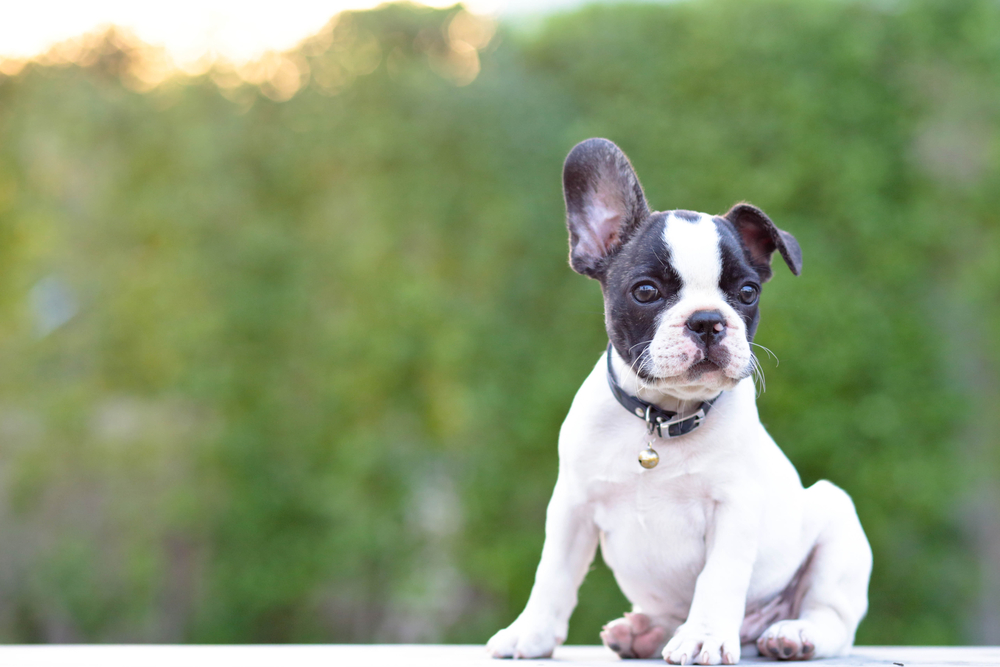
A German Shepherd, Labrador Retriever, Chihuahua, and Basset Hound may show the same emotion in very different ways. Prick ears can move clearly. Floppy ears may show smaller changes because the pinna is heavier or partly covered.
Dogs with cropped ears may also have a different range of motion. A dog with limited ear movement can still communicate through its eyes, mouth, tail, and body posture.
Do not compare one dog’s ear position with another dog’s position as if they use the same scale. Compare the dog with its own normal behavior.
What ear movements may reveal about emotion
Ear movement can help you spot changes in comfort before a dog growls or snaps. This makes it useful for safer handling.
Relaxed or comfortable
A relaxed dog may have:
- Ears in a natural position
- Soft eyes
- A loose jaw
- A relaxed tail
- A body that bends or shifts easily
- Normal interest in food, play, and people
The ears may still move when the dog hears a noise. Normal movement does not mean the dog is frozen or inactive.
Curious or excited
A curious dog may:
- Turn its ears toward a sound
- Raise its head
- Look toward the source
- Move closer
- Keep a loose body
- Return to normal after the sound ends
Excitement can become frustration or over-arousal. If the dog barks, lunges, jumps, or cannot respond to you, increase distance and lower the intensity of the situation.
Afraid or anxious
A worried dog may flatten its ears or hold them back. Other signs may include:
- Tucked tail
- Crouched posture
- Lip licking
- Yawning
- Panting when the room is not hot
- Trembling
- Turning away
- Hiding
- Trying to leave
Do not force a fearful dog to greet a person or another dog. Give it a quiet exit and avoid looming over it.
Aggressive or highly tense
Ear position alone does not prove aggression. However, ears forward or pulled back may appear with:
- A stiff body
- Fixed stare
- Raised hackles
- Weight shifted forward
- Tight mouth
- Growling
- Snarling
- Lunging
Treat the entire picture seriously. Do not reach for the collar or place your face near the dog. Create distance and seek help from a qualified veterinary behavior professional if the pattern continues.

When ear movement may signal an ear problem
A dog’s ears may move because the ears hurt or itch. Ear disease can affect the outer ear, ear canal, middle ear, or inner ear. Common causes include inflammation, allergies, parasites, foreign material, bacterial or yeast overgrowth, injury, and growths.
Watch for these signs:
- Repeated head shaking
- Scratching one or both ears
- Rubbing the ear on furniture or the floor
- Redness or heat
- Bad odor
- Brown, yellow, bloody, or pus-like discharge
- Swelling of the ear flap
- Sensitivity when touched
- A new head tilt
- Loss of balance
- Nausea or vomiting
- Reduced response to sound
- Sudden behavior change
A swollen ear flap can be an aural hematoma
An aural hematoma is a pocket of blood within the ear flap. It can occur after repeated head shaking or scratching. The ear may look thick, soft, warm, or swollen.
A hematoma needs veterinary assessment. Treating only the swelling may not solve the cause, such as an ear infection or allergy. Do not drain it at home.
Inner-ear problems can affect balance
The inner ear helps with balance. A problem in this area may cause a head tilt, stumbling, falling, circling, rapid eye movements, or vomiting.
These signs need prompt veterinary advice. Keep the dog away from stairs and prevent falls while you arrange care.
A new drooping ear deserves attention
A new drooping ear may result from pain, swelling, injury, or a nerve problem. It is not always an ear infection. If the dog also has facial drooping, trouble blinking, uneven pupils, weakness, or trouble walking, seek urgent veterinary care.

What to do if your dog keeps moving one ear
If the movement is brief and your dog acts normal, observe first. A sound, insect, wind gust, or mild itch may cause a short response.
Use this safe check:
- Watch from a distance. Note when the movement starts and what happens before it.
- Compare both ears. Look for swelling, redness, discharge, or a change in shape.
- Check general behavior. Is your dog eating, playing, resting, and walking normally?
- Do not push objects into the ear. Cotton swabs can injure the canal or push material deeper.
- Do not use leftover medication. Ear drops may be unsafe if the eardrum is damaged, and the wrong medicine can worsen some conditions.
- Call your veterinarian if the signs persist or return.
Take a short video if the behavior comes and goes. A video can help your veterinarian see the movement when it is not happening during the visit.
When to contact a veterinarian
Schedule veterinary care for repeated ear movement with scratching, odor, discharge, redness, pain, or a new droop. Contact a veterinarian promptly if your dog has a head tilt, balance problems, severe pain, facial changes, or sudden hearing loss.
Seek emergency care for serious trauma, heavy bleeding, collapse, severe balance loss, or signs of a possible toxin or neurologic emergency. If you are unsure, call your local veterinary hospital for triage advice.
Common mistakes when reading dog ears
Mistake 1: Treating one ear position as a fixed meaning
Ears back do not always mean fear. Ears forward do not always mean friendliness. Read the ears with the eyes, mouth, tail, body, and setting.
Mistake 2: Ignoring the dog’s normal ear position
Breed and individual anatomy matter. A floppy-eared dog may show less visible movement than a dog with upright ears. Sudden change from that dog’s normal pattern matters more than a textbook position.
Mistake 3: Touching a painful ear to “test” it
A painful dog may bite even if it is normally gentle. Do not squeeze, bend, or clean a sore ear. Let a veterinary professional examine it.
Mistake 4: Using human ear medicine
Human products may contain ingredients that are not safe for dogs. Some ear medicines can harm hearing if the eardrum is not intact. Use only treatment prescribed or approved by your veterinarian for that dog.
Mistake 5: Punishing warning signals
Growling, turning away, or flattening the ears can warn that a dog feels unsafe. Punishment may suppress the warning without removing the fear. Change the situation and seek qualified behavior help when needed.
A simple way to read your dog’s ear language
Use the context–change–whole-body method:
- Context: What happened just before the ear movement? Was there a doorbell, stranger, child, dog, meal, or touch?
- Change: Is this normal for your dog, or is it new?
- Whole body: Is the dog loose and calm, or stiff and distressed?
- Health signs: Is there scratching, odor, discharge, swelling, pain, or balance trouble?
- Response: If the dog appears worried, add space and stop the interaction.
Example
Your dog hears a truck outside. Both ears move forward, the head turns, and the body remains loose. After a few seconds, the dog returns to resting. This pattern most likely reflects normal attention.
Now consider a dog that keeps one ear down, shakes its head, scratches, and pulls away when touched. That pattern is more consistent with discomfort and warrants a veterinary call.

Frequently asked questions
Why do dogs move their ears when you talk to them?
Dogs may move their ears to focus on your voice, understand a familiar cue, or track sounds around you. The movement may also reflect interest or uncertainty. Check the rest of the body to tell whether the dog feels relaxed.
Why does my dog move its ears while sleeping?
Small ear twitches during sleep are common. Dogs may respond to sounds or show normal muscle movement during dream sleep. Wake the dog gently if needed; avoid touching suddenly, since a sleeping dog may startle.
Why does my dog put its ears back when I pet it?
Some dogs pull their ears back during a friendly greeting. Others do it because they feel unsure or dislike the contact. Stop petting if the dog becomes stiff, turns away, licks its lips, hides, or tries to leave.
Why does my dog keep shaking its head and moving its ears?
Repeated head shaking often means irritation, itch, pain, or inflammation. Possible causes include infection, allergies, parasites, foreign material, or injury. Arrange a veterinary examination rather than treating the ear on your own.
Can dogs move their ears independently?
Yes. Dogs can often move one ear without moving the other. Independent movement helps them focus on different sounds. A sudden loss of movement in one ear, especially with facial changes or balance problems, needs veterinary attention.
Key takeaways
- Dogs move their ears to hear, locate sounds, and communicate.
- Ear position must be read with the dog’s full body language.
- Forward ears often show attention; pulled-back ears may show fear, stress, greeting, or pain.
- A new drooping ear, repeated head shaking, odor, discharge, swelling, or balance trouble may signal illness.
- Never put cotton swabs or unapproved medicine into a painful dog’s ear.
- When in doubt, record the behavior and contact a veterinarian.
Conclusion
Dogs move their ears because ears help them listen and communicate. The meaning depends on the dog’s breed, normal posture, surroundings, and other body signals.
A brief ear turn after a sound is usually normal. A persistent or sudden change, especially with itching, pain, discharge, swelling, head tilt, or balance trouble, is different. Give your dog space, avoid home treatment, and contact a veterinarian when health signs appear.