Why Do Dogs Eat Goldenrod Leaves: Safety Guide
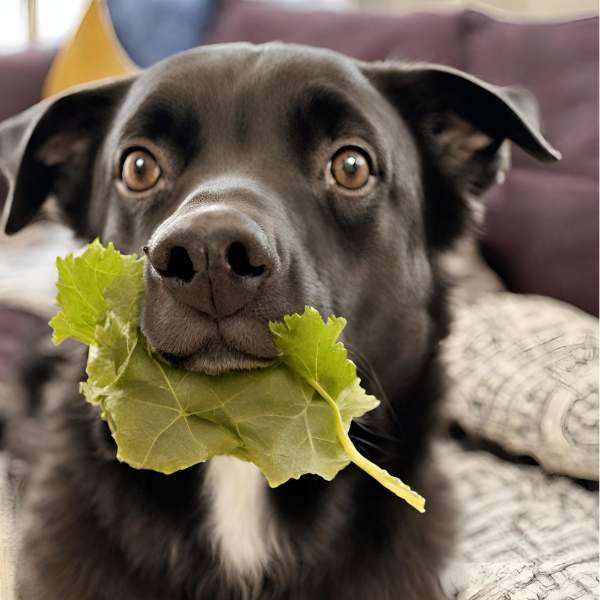
In the United States, dogs may chew goldenrod leaves while walking through yards, parks, trails, or fields. Most true goldenrod plants (Solidago species) are listed as non-toxic to dogs, but eating the leaves can still cause stomach upset. A dog may also mistake goldenrod for another plant, such as ragweed or a harmful garden plant.
A small nibble from an untreated goldenrod plant is usually not an emergency if your dog acts normal. The safer response is to identify the plant, remove access, check for chemicals, and watch for signs of illness.

What Is Goldenrod?
Goldenrod is a group of yellow-flowering plants in the Solidago genus. Many species grow naturally across the United States. You may see them along roadsides, open fields, woodland edges, and late-summer gardens.
Goldenrod leaves are often narrow, green, and slightly rough. The plant usually has tall stems with clusters of small yellow flowers. Common North American species include:
- Canada goldenrod
- Tall goldenrod
- Showy goldenrod
- Sweet goldenrod
- Zigzag goldenrod
Goldenrod is not the same plant as:
- Ragweed
- Golden pothos
- Golden trumpet
- Yellow oleander
- Tansy
- Foxglove
This difference matters. A dog owner may use the word “goldenrod” for any yellow-flowering plant. A correct plant ID gives a much safer answer.
The ASPCA lists goldenrod as non-toxic to dogs, cats, and horses. That listing does not mean dogs should eat large amounts. Any plant material may irritate the digestive tract, especially in a dog with a sensitive stomach.
Goldenrod also produces pollen. In the United States, people often blame goldenrod for fall allergies. Ragweed pollen is a more common cause of seasonal hay fever, while goldenrod pollen is heavy and less likely to travel far in the wind. This confusion can also lead to mistaken plant identification.
Why Do Dogs Eat Goldenrod Leaves?
Dogs may eat goldenrod leaves because of normal foraging behavior, plant texture, taste, or simple curiosity. Eating a few leaves does not prove that a dog is sick or trying to induce vomiting.
Common reasons include:
Curiosity and exploration
Dogs investigate the world with their noses and mouths. A new plant may attract a dog because it has a strong scent, a fresh texture, or an interesting taste.
This is especially common in puppies and young dogs. They often chew grass, leaves, sticks, and other outdoor items while learning about their surroundings.
Foraging behavior
Domestic dogs still show some natural food-seeking behavior. Green plants may offer moisture, rough texture, or a small amount of fiber. A dog that eats plants during a walk may simply be foraging.
Some dogs also learn that chewing leaves gets attention. If the owner reacts with alarm or excitement, the dog may repeat the action.
Taste or texture
Goldenrod leaves can have a strong plant taste. Dogs do not share human food preferences, so a bitter or sharp flavor may still interest them.
A dog may prefer young leaves, fallen leaves, or plants growing in damp soil. This choice may reflect texture rather than a nutritional need.
Hunger or boredom
A hungry dog may sample plants when food is not available. A bored dog may chew plants as an activity, much like chewing a toy or stick.
Repeated plant eating may point to a need for more exercise, play, training, or safe chewing options. It does not always indicate a medical problem.
Nausea or digestive discomfort
Dogs sometimes eat grass or plants when they feel unwell. However, research does not prove that plant eating usually means nausea or that dogs use plants to make themselves vomit.
A dog that eats goldenrod and then vomits may have swallowed too much plant material, but the vomiting could also come from another illness. Look at the full pattern, not just the plant-eating behavior.

Is Goldenrod Safe for Dogs?
True goldenrod is generally considered non-toxic to dogs, but large amounts, contaminated plants, and mistaken plant identity create safety concerns.
The main risks are not usually a specific goldenrod poison. They are:
- Stomach irritation from eating plant material
- Exposure to herbicides, pesticides, or fertilizers
- Choking or intestinal blockage from stems or other objects
- Confusion with a different plant
- An unrelated illness that begins after the dog eats the leaves
Possible mild effects
A dog that eats a small amount may show no symptoms. Some dogs may develop:
- Drooling
- Lip licking
- Mild nausea
- One episode of vomiting
- Soft stool
- Temporary gas
- Reduced interest in food for a short time
These signs often improve after the dog stops eating the plant. Still, the dog’s size, health, and the amount eaten can change the risk.
Chemical exposure
Goldenrod from a lawn, roadside, public park, or managed field may have pesticide or weed-control residue. Fertilizer granules can also cling to leaves or soil.
Chemical exposure may cause:
- Excessive drooling
- Vomiting or diarrhea
- Weakness
- Tremors
- Trouble breathing
- Unsteady walking
- Seizures
If you suspect chemical exposure, do not wait for symptoms. Call your veterinarian or a U.S. animal poison service for guidance.
Plant identification errors
A photo can help, but it may not always confirm a plant. The flower color alone is not enough for a safe identification.
Take a clear photo of the whole plant, leaves, stem, and flowers. Note where it grew and whether it was recently treated. Do not let your dog eat more while you investigate.

What to Do If Your Dog Eats Goldenrod Leaves
Use this simple response if your dog has just eaten goldenrod.
1. Stop further access
Call your dog away from the plant. Remove loose leaves from the mouth only if you can do so safely. Do not put your fingers deep into the mouth of a frightened or choking dog.
Keep the dog away from the area until you know whether the plant or soil contains chemicals.
2. Estimate what your dog ate
Try to determine:
- The plant’s identity
- The amount eaten
- Whether your dog swallowed leaves, stems, or soil
- When the eating occurred
- Whether the plant was sprayed
- Your dog’s weight and health history
A few bites from an untreated plant are different from a large meal of leaves from a recently treated garden.
3. Do not induce vomiting at home
Do not give hydrogen peroxide, salt, oil, milk, or other home remedies unless a veterinarian specifically tells you to do so. Inducing vomiting can cause additional harm, especially if the dog is sleepy, choking, having seizures, or has swallowed a caustic substance.
4. Offer normal access to water
Provide clean water. Do not force your dog to drink. Continue the usual diet unless a veterinarian advises a change.
Avoid giving rich treats or human medicines to “settle” the stomach. Some human drugs are dangerous for dogs.
5. Monitor for changes
Watch your dog closely for the next several hours. Check for vomiting, diarrhea, weakness, breathing changes, tremors, pain, or unusual behavior.
If the dog remains bright, walks normally, drinks normally, and has no continuing symptoms, home observation may be reasonable after a small amount of untreated goldenrod. When uncertain, call your veterinarian.
When Should You Call a Veterinarian?
Call a veterinarian promptly if your dog has repeated vomiting, ongoing diarrhea, marked tiredness, abdominal pain, or refuses water. Seek urgent veterinary care for breathing trouble, collapse, seizures, severe weakness, or suspected chemical exposure.
Contact a veterinary professional sooner if the dog is:
- A puppy
- Elderly
- Pregnant or nursing
- Very small
- Living with kidney, liver, or digestive disease
- Taking medicine that affects the stomach or nervous system
- Known to swallow foreign objects
Call even if the plant is believed to be safe when the dog ate a large amount or the identification is uncertain.
In the United States, you can also contact:
These services may charge a fee. Have the plant photo, product label, estimated amount, and your dog’s weight ready.
Signs that need emergency care
Go to an emergency veterinary clinic if you notice:
- Trouble breathing
- Blue, pale, or gray gums
- Collapse
- Seizures
- Severe tremors
- Repeated retching
- A swollen or painful abdomen
- Blood in vomit or stool
- Extreme weakness
- Inability to stand
- Suspected poisoning
Do not wait for every sign to appear. A dog can worsen after a toxic exposure, obstruction, or serious illness.

How to Stop a Dog From Eating Goldenrod
Training and management work better than punishment. Prevent access first, then teach a safer behavior.
Use a leash in plant-heavy areas
A shorter leash gives you time to interrupt the behavior. Walk around dense stands of goldenrod and unknown plants until your dog responds well to cues.
Teach “leave it”
Practice indoors with a safe object and a reward. When your dog moves away from the object, praise and reward the choice. Slowly practice outdoors with low-risk distractions.
Do not use the cue only when something dangerous appears. Regular practice makes the response faster and calmer.
Provide safe chewing options
A dog that chews plants from boredom may benefit from:
- Food puzzles
- Short training sessions
- Sniff walks
- Durable dog-safe chew items
- More play and exercise
- Supervised time in a clean yard
Choose chew items based on your dog’s size and chewing style. No chew is risk-free.
Remove treated or unknown plants
Do not allow dogs to roam near plants treated with weed killer, insecticide, slug bait, or fertilizer. Follow the product label’s reentry instructions before allowing pets onto treated grass or soil.
If you cannot identify a plant, treat it as potentially unsafe. Identification is more useful than guessing from flower color.
Ask about repeated plant eating
Frequent plant eating may be a habit, but it can also occur with poor diet, intestinal parasites, gastrointestinal disease, or other problems. A veterinarian can help decide whether an examination or diet review is needed.
Goldenrod Leaves vs. Other Common Plant Risks
The table below separates true goldenrod from look-alikes and common outdoor hazards.
| Plant or exposure | Main concern for dogs | Practical response |
|---|---|---|
| True goldenrod (Solidago species) | Usually non-toxic; may cause stomach upset | Remove access and monitor |
| Ragweed | Irritation, plant material, possible allergy concerns | Confirm the plant and watch for symptoms |
| Golden pothos | Toxic plant sap; mouth and stomach irritation | Call a veterinarian or poison service |
| Fertilizer-treated plant | Chemical exposure | Contact a veterinary professional promptly |
| Herbicide-treated plant | Chemical exposure depends on the product | Find the product label and call for advice |
| Unknown yellow-flowering plant | Identity is uncertain | Prevent more eating and seek plant identification |
The key point is that “yellow flower” is not a reliable safety test. Leaf shape, stem, flower arrangement, and growing site all help with identification.
Frequently Asked Questions
Do dogs eat goldenrod leaves because they need vitamins?
There is no good evidence that dogs eat goldenrod to correct a vitamin deficiency. Plant eating is more often linked with curiosity, foraging, taste, habit, or boredom. A dog with repeated unusual eating may need a veterinary check.
Can goldenrod make a dog vomit?
Goldenrod is not a reliable or safe vomiting treatment. A dog may vomit after eating leaves because the plant material irritated the stomach, because of another illness, or because of a toxic exposure. Never use goldenrod or a home remedy to make a dog vomit.
Is goldenrod pollen harmful to dogs?
Goldenrod pollen is not generally considered poisonous when inhaled or brushed against. Some dogs may develop seasonal allergy signs, such as itchy skin, licking, sneezing, or watery eyes. Severe symptoms or breathing trouble require veterinary care.
What if my dog ate goldenrod and is now vomiting?
Remove access to the plant and assess how often the dog vomits. One mild episode in an otherwise normal dog may pass, but repeated vomiting, weakness, pain, blood, dehydration, or suspected chemical exposure requires prompt veterinary advice.
Should I remove goldenrod from my yard?
You do not need to remove every goldenrod plant solely because it is present. Remove it or fence it off if your dog eats large amounts, if the plant cannot be identified, or if chemicals may have been used nearby. Preventing access is the safest choice for dogs that repeatedly chew plants.
Conclusion
Dogs may eat goldenrod leaves because they are curious, hungry, bored, or interested in the plant’s taste and texture. True goldenrod is generally regarded as non-toxic to dogs, but it can still cause digestive upset, and a similar-looking plant or chemical treatment may pose a greater risk.
If your dog ate a small amount of untreated goldenrod and seems normal, remove access and monitor closely. Call a veterinarian or U.S. animal poison service when the plant is uncertain, the amount was large, chemicals may be involved, or symptoms develop.