Why Do Dogs Tails Stick Up: Meaning And Body Language
For dog owners in the United States, a tail held high is a common sight at parks, homes, and veterinary clinics. It often means a dog feels alert, excited, or confident. But a raised tail does not always mean a happy dog. The tail’s position must be read with the ears, eyes, mouth, body tension, and the situation.
A dog’s tail may stick up because of natural body language, breed shape, confidence, curiosity, fear, or strong excitement. A tail that suddenly stays upright, looks painful, or appears with other symptoms may point to an injury or medical problem.

The Short Answer: Why Do Dogs’ Tails Stick Up?
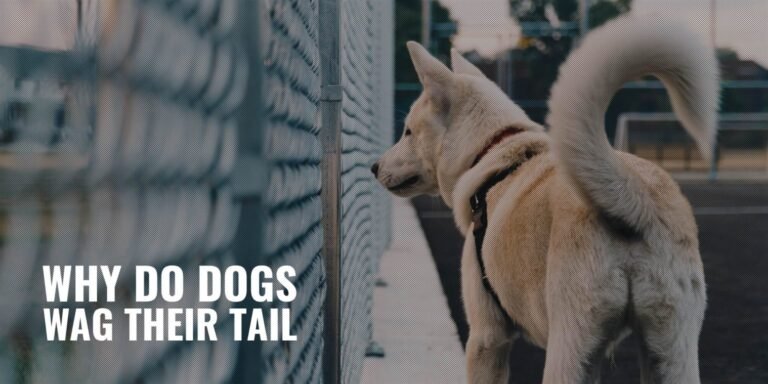
Dogs raise their tails to send signals. A high tail can make a dog look larger and help spread its scent. It may also show alertness, confidence, excitement, or social tension.
The meaning depends on four main factors:
- Tail height: Low, level, or high
- Tail movement: Loose wag, stiff wag, or no movement
- Body posture: Relaxed, tense, leaning forward, or crouched
- Situation: Play, greeting, fear, guarding, or pain
A loose, gently wagging tail with a soft body often signals friendly interest. A high, stiff tail with a frozen body can signal stress, warning, or a risk of aggression. The tail is one part of the message, not the whole message.
What a Raised Dog Tail Can Mean
A raised tail has several possible meanings. The same dog may hold its tail high in one setting and low in another.
Alertness and attention
A dog may lift its tail when it notices a sound, smell, person, or animal. This is common when a dog sees a squirrel in the yard or hears someone at the front door.
The tail may stay still or move in small, slow motions. The dog may also point its ears forward, close its mouth, and focus its eyes on the new event.
This posture does not tell you whether the dog feels friendly. It mainly shows that the dog is paying close attention.
Confidence
Some dogs raise their tails when they feel secure. They may stand tall, keep their muscles loose, and approach with a smooth gait.
A confident dog often has:
- A relaxed face
- A level back
- A loose mouth
- Natural ear movement
- A broad, easy tail wag
Confidence can become tension if another dog or person comes too close. Watch for changes in stiffness, staring, growling, or a closed mouth.
Excitement and arousal
Excitement can make a dog’s tail rise. A dog may do this before a walk, during a game of fetch, or when greeting a familiar person.
In behavior science, arousal means a dog’s level of emotional and physical activation. High arousal can come from joy, fear, frustration, or anger. Therefore, a raised tail tells you that the dog is activated, but it does not identify the emotion by itself.
Social signaling
Dogs use posture to communicate with other dogs. A high tail may make a dog appear larger and more noticeable. It can also help release scent from glands near the anus.
This scent carries information about the dog. A raised tail may make that scent easier to spread. Dogs may also raise their tails during a tense meeting to communicate confidence or social pressure.
Do not force two dogs to greet when one dog has a high, rigid tail. Give both dogs space and let them move away.

How to Tell if a Raised Tail Means Relaxation or Stress
The best way to read a dog’s tail is to observe the whole body. Tail height alone can mislead even experienced owners.
| Tail and body pattern | More likely meaning | What to do |
|---|---|---|
| High tail, loose wag, soft body | Interest, confidence, or excitement | Allow calm interaction |
| High tail, stiff body, fixed stare | Tension, warning, or possible aggression | Create distance |
| High tail, bouncing steps, open mouth | Play or strong excitement | Lower excitement if play becomes rough |
| High tail, ears back, lip licking | Unease or conflict | Give the dog space |
| Low tail, tucked posture, crouching | Fear or distress | Do not reach over the dog |
| Tail held high but dog avoids touch | Possible pain or discomfort | Stop handling and assess the dog |
| Tail position changes during urination or defecation | Normal movement or focus | Watch for pain or straining |
Look at the dog’s eyes
Soft eyes and normal blinking often fit a relaxed state. Hard staring, wide eyes, or visible whites around the eyes can signal stress.
A dog that stares while holding its tail high deserves extra space. Do not interpret the posture as an invitation to pet the dog.
Check the ears and mouth
Forward ears can show attention. Ears pulled far back may show fear, discomfort, or appeasement.
An open mouth with relaxed facial muscles can fit a calm dog. A tightly closed mouth, wrinkled nose, or lifted lip may signal rising tension.
Watch the movement
A loose tail that sweeps from side to side is different from a rigid tail that moves only at the tip. Some dogs wag stiffly when they feel threatened.
A wag means emotional activity, not always happiness. Research on dog communication has also found that the direction and form of a wag may carry information, but owners should not rely on wag direction alone.
Notice the whole posture
A dog with a high tail and loose muscles may be comfortable. A dog with a high tail, raised hackles, weight shifted forward, and a stiff back may be ready to defend itself.
When in doubt, choose distance. Space helps a dog calm down and gives you time to understand the signal.
Does Breed Affect How High a Dog’s Tail Stands?
Yes. Breed anatomy strongly affects tail position. Some dogs naturally carry their tails high, while others have curled, plume-like, or tightly bent tails.
Examples include:
- Spitz-type breeds: Many have tails that curl over the back.
- Terriers: Some naturally carry their tails upright.
- Sighthounds: Many hold their tails lower or in a gentle curve.
- Retrievers: Their tails often move in a broad, level arc.
- Bulldogs and similar breeds: Their tail shape may limit visible movement.
- Dogs with docked tails: Their communication signals may be harder to read.
Mixed-breed dogs can show any combination of these traits. A tail that is normal for one dog may look unusual in another.
The most useful comparison is your dog’s own normal posture. Learn how the tail looks when your dog is calm, playing, meeting people, and feeling unsure.
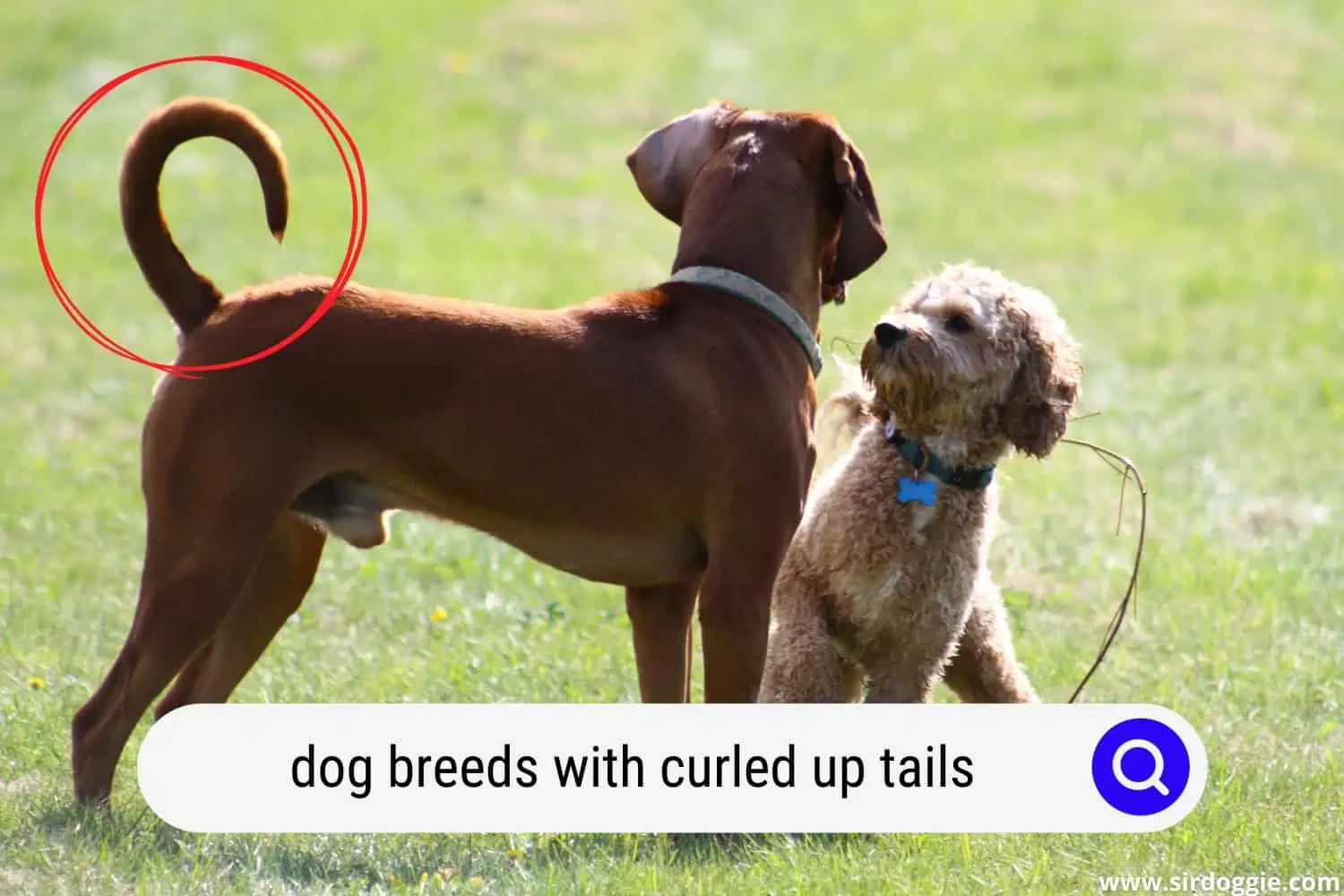
Curled tails and upright tails are not the same
A naturally curled tail may rest over the back even when the dog is relaxed. The curl alone does not prove confidence or aggression.
Instead, look for changes in muscle tone and movement. A curled tail that becomes rigid, paired with a hard stare, is more concerning than a soft, mobile curled tail.

Why Does My Dog’s Tail Stick Up Around Other Dogs?
A dog may raise its tail around other dogs to show interest, confidence, excitement, or tension. The meaning depends on the meeting.
A calm greeting may include:
- Loose movement
- Curved approaches rather than a direct charge
- Brief sniffing
- Regular pauses
- Easy movement away
A tense greeting may include:
- A stiff, high tail
- Direct staring
- A closed mouth
- A tall, rigid stance
- Slow movement
- Growling or a low rumble
Do not punish a dog for growling. A growl is a warning signal. Punishing the warning can remove an important sign without removing the dog’s fear or discomfort.
Instead, calmly increase distance. In the United States, many veterinary behavior specialists and certified trainers recommend reward-based methods for behavior work. Avoid physical corrections, shock, or forced greetings.
A high tail does not mean your dog wants to play
Play behavior usually has more than one sign. A play bow, loose movement, open mouth, and quick recovery can suggest play.
A dog that stands tall with a rigid tail but does not bow may not be playful. Let the dog choose whether to approach. Never make a dog greet another dog on a tight leash if either animal looks tense.
Why Does My Dog’s Tail Stick Up at Home?
At home, a raised tail may result from excitement, alertness, or a learned routine. Common triggers include:
- Hearing a delivery person
- Smelling food
- Preparing for a walk
- Seeing a favorite toy
- Hearing another animal outside
- Expecting a meal
- Greeting a family member
If the tail rises only during a specific event, the trigger may explain the behavior. For example, a dog may raise its tail when it hears the leash because it expects a walk.
A tail that stays raised for long periods without a clear reason deserves closer observation. Check whether the dog can lower it, sleep normally, eat, walk, and accept gentle contact.
Can a Raised Tail Mean a Medical Problem?
Sometimes. A raised tail by itself is usually a behavior signal, not a diagnosis. A sudden change from normal tail posture can point to pain, injury, skin irritation, or nerve problems.
Contact a veterinarian if the dog also has:
- Crying, flinching, or guarding the tail
- Swelling, bleeding, or a visible wound
- A tail that bends at an unusual angle
- Trouble sitting or lying down
- Trouble walking or climbing stairs
- Excessive licking or chewing at the tail
- Hair loss, redness, odor, or discharge
- Trouble passing stool or urine
- Weakness in the back legs
- Loss of bladder or bowel control
- A sudden major change in behavior
Tail injuries can happen after a door closes on the tail, a dog falls, or a tail is hit during vigorous activity. Nerve injuries near the base of the tail can affect movement and bathroom control.
What about “limber tail”?
Limber tail, also called swimmer’s tail or cold-water tail, usually causes a tail to hang limp or become painful near the base. It is not the typical cause of a tail that sticks up.
It can occur after intense exercise, swimming, or other heavy activity. A painful or suddenly limp tail should be checked by a veterinarian, especially if the dog seems unwell.
Do not give human pain medicine unless a veterinarian specifically tells you to do so. Common human drugs can harm dogs.
Why Does My Puppy Hold Its Tail Up?
Puppies raise their tails as they explore and learn social skills. A puppy may lift its tail when it sees a new person, hears a sound, or becomes excited during play.
Puppies also have less control over their emotions. A quick shift from high excitement to fear can happen in seconds. Watch for signs such as hiding, freezing, repeated lip licking, or trying to escape.
Use calm exposure rather than forced contact. Let the puppy approach at its own speed. Reward calm behavior with treats, praise, or a short play session.
A puppy’s tail position will also change as its body grows. Breed traits become clearer over time. Compare the tail with the puppy’s overall body language, not with a single picture or breed chart.
What Should You Do When Your Dog’s Tail Is Raised?
Use a simple three-step check:
- Pause and observe. Look at the ears, eyes, mouth, back, and legs.
- Identify the trigger. Note whether another dog, person, sound, toy, or touch caused the change.
- Give space if the body looks stiff. Move away without pulling hard, yelling, or forcing contact.
If the dog looks relaxed, you can continue the activity while keeping the arousal level moderate. If the dog looks tense, end the interaction and help it settle in a quiet area.
Keep children from hugging, climbing on, or reaching over a dog with a stiff raised tail. Children may miss early warning signs. Supervise every child and dog interaction.
If this posture occurs often or leads to snapping, lunging, or fear, contact your veterinarian. A veterinarian can check for pain and may refer you to a qualified behavior professional.

Common Mistakes When Reading a Dog’s Tail
Many misunderstandings come from treating one signal as a complete answer.
Mistake 1: Assuming every wag means happiness
Dogs wag when they feel many emotions. Excitement, conflict, fear, and frustration can all cause tail movement.
Mistake 2: Ignoring breed and tail shape
A curled tail, short tail, or docked tail may not show the same signals as a long, straight tail. Read the rest of the body.
Mistake 3: Approaching a stiff dog
A high, stiff tail can be a warning. Do not pet, hug, corner, or stare at a dog that looks tense.
Mistake 4: Punishing warning signals
Growling, freezing, and raised posture can warn that a dog needs space. Punishment may increase fear and make future incidents harder to predict.
Mistake 5: Missing a sudden change
If your dog’s tail posture changes sharply, look for pain or illness. A vet check is safer than guessing.

Frequently Asked Questions
Is a dog with its tail up happy?
Not always. A raised tail may show happiness, confidence, alertness, excitement, fear, or tension. A loose body and relaxed face suggest comfort more than tail height alone.
Why does my dog’s tail stick straight up and wag fast?
This often means high arousal. The cause may be play, excitement, frustration, or a perceived threat. Check whether the body is loose or stiff before approaching.
Why does my dog raise its tail when it sees another dog?
Your dog may feel curious, confident, excited, or socially tense. Give both dogs room and look for loose movement, curved approaches, and regular pauses.
Should I worry if my dog’s tail suddenly stays up?
A sudden change deserves attention, especially if the dog shows pain, swelling, weakness, trouble walking, or problems using the bathroom. Contact a veterinarian if any of these signs occur.
Can dogs control their tails?
Yes. Dogs can move their tails through muscles and nerves, but natural tail shape affects how much movement you can see. Pain or nerve damage can reduce control.
Conclusion
Dogs’ tails stick up for many reasons. The posture may show alertness, confidence, excitement, social signaling, or stress. Breed shape and tail type also play a major role.
The safest approach is to read the tail with the entire body. A loose dog with a raised tail may be comfortable. A stiff dog with a high tail may need distance. If the change is sudden or comes with pain and other symptoms, contact a veterinarian.
Start by learning your dog’s normal signals. Then watch for changes in context, movement, and body tension. That simple habit can prevent misunderstandings and help your dog feel safe.