Why Are Dogs Loyal To One Person: Explained
Dogs are often loyal to one person because that person usually becomes their main source of safety, food, routine, training, and positive attention. In U.S. households, this bond often grows fastest with the person who feeds the dog, handles daily care, and spends the most calm, consistent time with them. That does not mean the dog does not love the rest of the family; it usually means one human has become the dog’s strongest attachment figure.
What dog loyalty actually means
Dog loyalty is not a moral choice in the human sense. It is a learned social bond shaped by attachment, reinforcement, and familiarity.
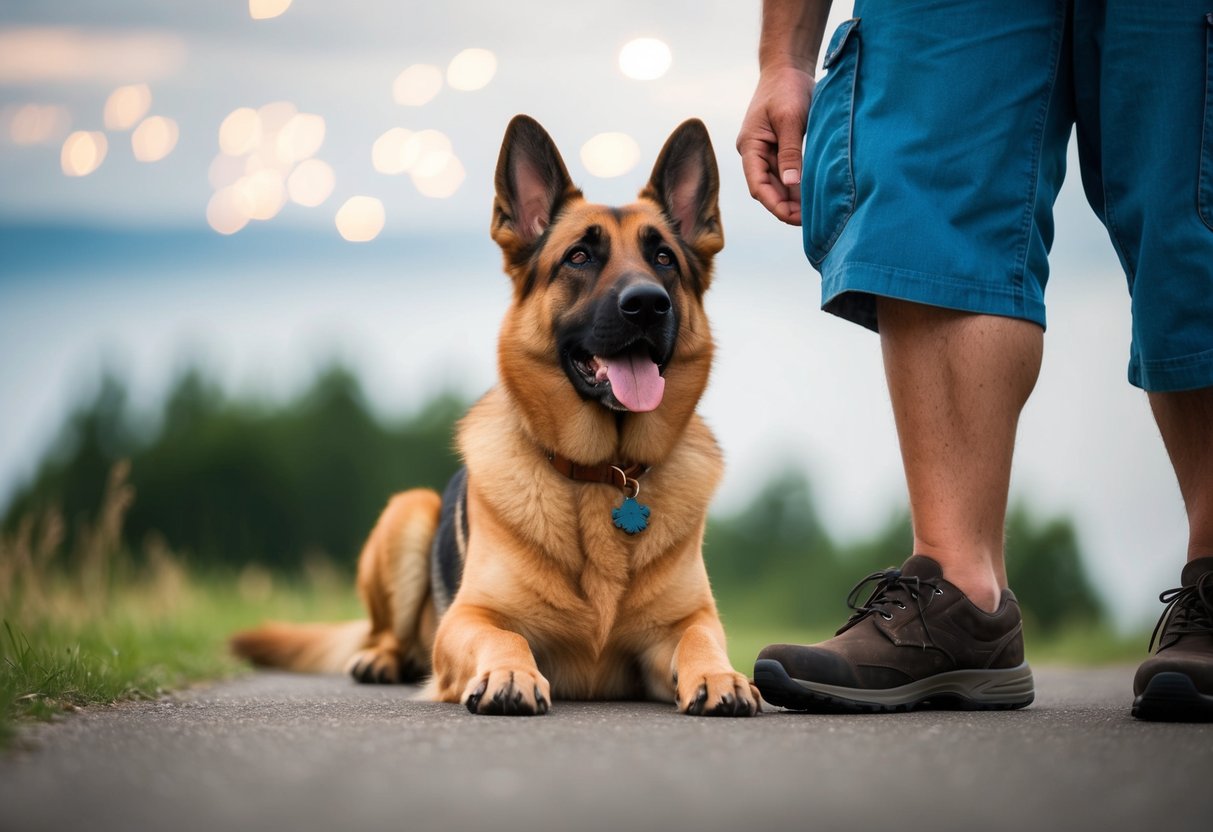
A dog may follow one person, look to them first in new situations, sleep near them, or become excited when they return. Those are signs of a strong attachment, not proof that the dog “prefers” one person forever in every situation.
In practical terms, loyalty often means:
- the dog feels safest with one person
- the dog expects rewards or comfort from that person
- the dog has more positive experiences with that person
- the dog has learned that person is predictable
Why dogs often bond most strongly with one person
Dogs usually form their strongest bond with the person who meets their needs most consistently. That person becomes the dog’s emotional anchor.
1. Consistency builds trust
Dogs learn through repetition. If one person feeds them, walks them, trains them, and responds the same way each day, the dog can predict what will happen next. Predictability lowers stress and strengthens attachment.
This is especially important for rescue dogs, shy dogs, and dogs with a history of instability. A calm, steady routine can make one person stand out as the “safe” human.
2. Positive reinforcement matters
Dogs connect good outcomes with the person who causes them. If one family member gives treats, praise, play, and attention in a clear way, the dog naturally seeks that person out.
This does not mean bribery. It means the dog has learned, through repeated experience, that this person is worth trusting because good things happen around them.
3. Early socialization shapes attachment
A dog’s early weeks and months matter a lot. Puppies that spend important bonding time with one person may later show a stronger preference for that person.
Early life experiences also matter after adoption. A dog that comes into a new home may latch on to the first person who feels safe, calm, and patient.
4. Body language can make one person more approachable
Dogs read posture, voice tone, eye contact, and movement. A person who is gentle, calm, and easy to predict may feel safer than someone who is loud, quick, or inconsistent.
A dog may choose the person who:
- speaks softly
- moves slowly
- respects boundaries
- avoids forced interaction
That preference is often about comfort, not “personality” in the human sense.
5. One person may handle the dog’s core needs
In many U.S. homes, one adult ends up doing more of the hands-on care. That person may be the one who:
- feeds the dog
- administers medication
- handles vet visits
- takes the dog outside
- does most of the training
dogs remember who provides care. Over time, that caregiving role often becomes a bond.
6. Breed tendencies can influence attachment style
Breed does not determine loyalty on its own, but it can influence how social or handler-focused a dog may be. Some dogs are naturally more people-oriented, while others are more independent.
Working breeds, companion breeds, and dogs bred for close human cooperation may be more likely to attach closely to one person. Still, individual temperament and life experience matter more than breed alone.
Signs a dog has bonded with one person
A dog with a primary person often shows a clear pattern of attention and comfort.
Common signs include:
- following one person from room to room
- choosing to sleep near that person
- greeting that person first
- seeking that person during stress
- making eye contact with that person before acting
- relaxing faster around that person
- listening more readily to that person’s cues
These signs are useful, but they are not absolute. A dog may still love other family members and simply feel most secure with one main caregiver.
When a dog prefers one person more than others
A strong preference is normal, but a sudden change in preference can signal a problem. If a dog starts clinging to one person after a move, illness, conflict, or routine change, the dog may be reacting to stress.
Here is a simple guide:
| Pattern | Likely meaning | What to do |
|---|---|---|
| Gradual bond with one person in a stable home | Normal attachment | Keep routines steady |
| Strong preference after adoption or relocation | Adjustment behavior | Give time, calm handling, predictable care |
| Sudden fear of a family member | Possible bad experience or pain | Review recent changes and contact a veterinarian if needed |
| Clinginess plus anxiety, pacing, barking, or destructive behavior | Possible separation anxiety or stress | Ask a veterinarian or qualified trainer for help |
Why some dogs ignore everyone else
Sometimes people mistake attachment for rejection. A dog that stays close to one person is not necessarily unfriendly or disloyal.
Common reasons include:
- the dog is timid or under-socialized
- one person is the main caregiver
- other people approach too fast
- the dog has had negative experiences with strangers
- the dog is anxious in busy homes
If a dog seems to “choose” one person only, the issue may be safety, comfort, or habit rather than affection alone.
How to build a stronger bond with your dog
The best way to earn a dog’s trust is through calm, repeated care. Dogs usually respond better to steady actions than to intense bursts of attention.
What helps most
- Feed and walk the dog on a regular schedule.
- Use the same cues and rules each time.
- Reward calm behavior with praise or treats.
- Let the dog approach you instead of forcing closeness.
- Spend quiet time together, not just high-energy play.
- Handle the dog gently and predictably.
- Avoid punishment that creates fear or confusion.
What success looks like
A stronger bond usually shows up as:
- more relaxed body language
- better recall
- more willingness to check in with you
- easier grooming and handling
- quicker settling in new places
Common mistakes that weaken the bond
Some well-meant actions can make a dog less secure.
Avoid these mistakes:
- switching rules all the time
- using harsh punishment
- forcing hugs or close contact
- overwhelming the dog with too much excitement
- ignoring fear signals like lip licking, yawning, or turning away
- letting one person do all the care while others only appear for play
A dog bonds more deeply when life with people feels safe, simple, and consistent.
When loyalty is a problem
Most one-person loyalty is harmless. In some cases, though, it can point to anxiety or poor socialization.
Watch for these red flags:
- panic when the preferred person leaves
- refusal to eat unless that person is present
- aggression toward others
- constant shadowing that prevents rest
- destructive behavior tied to separation
If these behaviors are severe, speak with a veterinarian first to rule out pain or medical causes. Then consider a qualified positive-reinforcement trainer or behavior professional.
FAQs
Do dogs choose one favorite person?
Yes, many dogs do. They often choose the person who provides the most consistent care, calm handling, and positive experiences.
Can a dog love more than one person?
Yes. A dog can bond with several people and still have one primary attachment figure.
Why does my dog follow only me?
Your dog may see you as the safest, most predictable person. Feeding, training, and daily routine often strengthen that bond.
Will my dog stop loving me if another person feeds them?
Not usually. Dogs can adjust to new caretakers, but they often keep their strongest bond with the person they already trust most.
Is one-person loyalty normal in rescue dogs?
Yes. Rescue dogs often attach strongly to the first person who feels safe, calm, and consistent.
Conclusion
Dogs are loyal to one person because that person usually becomes their most reliable source of safety, care, and trust. In most cases, the bond grows from daily routine, positive reinforcement, and emotional security, not from a mysterious “favorite human” instinct.
If you want your dog to trust you more, focus on consistency, calm handling, and predictable care. That is how loyalty usually grows in real life.