Why Do Dogs Flap Their Ears: Common Causes Explained
Dogs flap or shake their ears for many reasons. A quick flap may help move water, dust, or a small bit of debris. It can also show excitement or help a dog reset after a new sound.
But repeated ear flapping often means the ear feels itchy, painful, or blocked. Ear infections, allergies, ear mites, foreign objects, and skin problems are common causes. Watch for other signs, such as redness, odor, discharge, swelling, head shaking, or pain.
Key Takeaways
- A short ear flap is often normal.
- Frequent ear flapping can signal an ear problem.
- Ear odor, discharge, redness, pain, or head shaking need attention.
- Do not put cotton swabs, alcohol, peroxide, oil, or human medicine in your dog’s ear.
- Contact a veterinarian if the behavior continues or your dog seems uncomfortable.
- Seek prompt care for severe pain, loss of balance, a swollen ear flap, or a sudden onset after outdoor activity.

Why Do Dogs Flap Their Ears?
Dogs flap their ears to remove irritation, respond to sound, express emotion, or move their ears back into a comfortable position. The meaning depends on how often it happens and what other signs you see.
A dog may flap its ears after:
- Waking up
- Getting wet
- Playing
- Hearing a sudden sound
- Wearing a new collar, harness, or costume
- Meeting a new person or dog
- Getting dust or grass near the ear
One or two quick flaps are usually not a concern. The concern rises when the flapping is frequent, strong, or linked with signs of pain.
Ear flapping versus head shaking
Ear flapping is a movement of the ear itself. Head shaking involves the whole head and neck. Dogs often shake their heads when an ear feels itchy, painful, or full.
These actions can happen together. A dog with an ear infection may flap one ear, shake its head, scratch the same side, and avoid touch.
Normal ear movement
Dogs use their ears to gather sound and show attention. A dog may move, lift, pin, or flap its ears during changes in mood or focus.
For example, a dog may briefly flap its ears after hearing a noise behind it. If the ears return to their normal position and the dog acts well, no care may be needed.
Common Reasons Dogs Flap Their Ears
The cause may be harmless, but repeated flapping deserves a closer look. The most useful clues are frequency, timing, one-sided symptoms, and changes in the ear.
Water in the ear
Dogs often flap their ears after a bath, swim, or walk in the rain. Water can remain in the ear canal and cause a wet, itchy feeling.
Moisture may also support the growth of bacteria or yeast. This is one reason ear problems can appear after swimming, especially in dogs with narrow or floppy ear canals.
Dry only the outer ear with a clean towel. Do not push a towel, cotton swab, or other object into the canal.
Dirt, grass, or another foreign object
A small piece of grass, seed, dirt, or plant material can irritate the ear. This may cause sudden, strong flapping or head shaking.
A foreign object is more likely when:
- The behavior starts soon after a walk
- Your dog keeps rubbing one ear
- The problem affects only one side
- Your dog cries or pulls away when you touch the ear
Do not try to dig into the ear at home. A lodged object may move deeper or damage the eardrum. A veterinarian can inspect the canal with the right tools and remove the object safely.
Ear infection
Ear infections are a common reason dogs shake their heads or flap their ears. Infection may affect the outer ear canal, but deeper infections can also occur.
Possible signs include:
- Redness
- Warmth
- Bad odor
- Brown, yellow, or bloody discharge
- Frequent scratching
- Pain when the ear is touched
- Head tilting
- Reduced response to sound
Bacteria and yeast are common contributors. The correct treatment depends on the cause and on which parts of the ear are affected. A vet may examine a sample under a microscope before choosing ear drops or another treatment.
Allergies
Allergies can cause itchy skin and inflamed ears. Dogs may react to environmental allergens, food ingredients, fleas, or other triggers.
Ear flapping linked to allergies often comes with:
- Itchy paws
- Face rubbing
- Skin redness
- Repeated licking
- Recurrent ear problems
- Hair loss from scratching
An ear infection can develop after the skin becomes inflamed. Treating only the infection may not stop the problem if the underlying allergy remains.
Ear mites
Ear mites are tiny parasites that can cause intense itching. They are more common in puppies, kittens, and dogs that live with infected animals, though any dog can be affected.
Dark, crumbly debris may appear in the ear. This debris can look like coffee grounds, but appearance alone cannot confirm mites. A veterinarian needs to examine the material.
Do not use over-the-counter mite treatment unless a veterinary professional confirms that it is suitable. Similar signs can come from infection, allergy, or a foreign body.
Earwax buildup
Some dogs produce more earwax than others. Wax can trap debris and make the ear itchy.
A small amount of light-colored wax may be normal. Heavy wax, foul odor, pain, or discharge is not something to manage by repeated deep cleaning. Too much cleaning can irritate the skin and make the problem worse.
Skin growths or deeper ear problems
A lump, polyp, cyst, or other growth can narrow the ear canal. These problems may lead to repeated flapping, odor, discharge, or infection.
Deep ear disease may also affect balance. Signs can include:
- Walking in circles
- Falling
- A head tilt
- Rapid eye movements
- Nausea or vomiting
These signs need prompt veterinary care.
Stress or excitement
Some dogs flap their ears during excitement, stress, or social interaction. A dog may do this after play or when entering a busy setting.
Body language helps explain the cause. A relaxed body, soft eyes, normal appetite, and no ear symptoms suggest a behavior response. A stiff body, tucked tail, lip licking, hiding, or panting may point to stress.
Stress-related flapping should not be assumed if the dog also scratches, shakes its head, or shows pain.

How to Tell If Ear Flapping Is a Problem
Look at the pattern, not just one ear movement. A simple check can help you decide what to do next.
| What you notice | Possible meaning | Best next step |
|---|---|---|
| One or two flaps after waking | Normal adjustment | Monitor |
| Flapping after a bath or swim | Water or moisture | Dry the outer ear and watch |
| Repeated flapping all day | Irritation, infection, allergy, or foreign object | Arrange a vet visit |
| Strong flapping in one ear | Foreign object or one-sided ear disease | Contact a vet soon |
| Flapping with odor or discharge | Infection or inflammation | Veterinary exam |
| Flapping with a swollen ear flap | Possible ear hematoma | Prompt veterinary care |
| Flapping with balance problems | Possible deeper ear disease | Same-day veterinary advice |
Check the outside of the ear
In good light, look at the ear flap and the visible opening. Compare both ears.
Look for:
- Red skin
- Swelling
- Scabs
- Hair loss
- Crusts
- Discharge
- Blood
- A new lump
- A strong odor
Do not force the ear open. Do not insert anything into the canal.
Watch your dog’s behavior
Pain may show as more than crying. Your dog may avoid touch, hide, keep the head low, eat less, or become irritable.
A dog can have a serious ear problem while still eating and acting fairly normal. Dogs often hide pain, so repeated symptoms matter.
Note the timing
Write down when the flapping began. Also note recent baths, swimming, grooming, walks through tall grass, new foods, new medications, or contact with other animals.
This information can help a veterinarian narrow the cause.

When Should You Call a Veterinarian?
Call your veterinarian if ear flapping continues, keeps returning, or comes with other ear symptoms. A mild issue can become more painful if inflammation or infection is left untreated.
Seek care promptly if your dog has:
- Repeated head shaking
- Ear pain
- Redness or swelling
- Bad odor
- Discharge
- Bleeding
- A sudden one-sided problem
- A swollen ear flap
- A visible foreign object
- Trouble hearing
- Loss of balance
- A head tilt
- Vomiting linked with balance changes
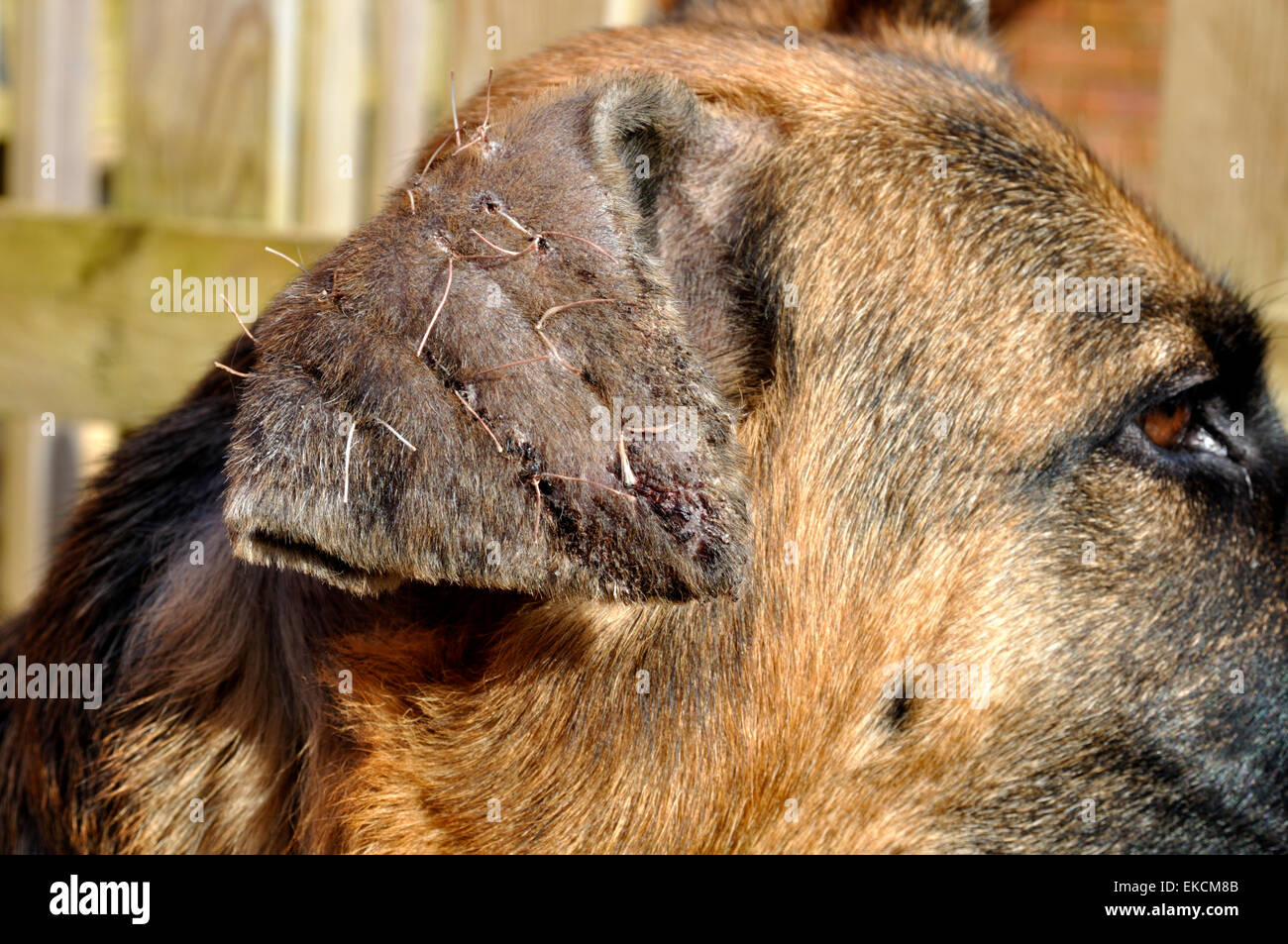
A swollen ear flap may be an aural hematoma. This happens when blood collects between layers of the ear flap, often after repeated shaking or scratching. The ear may look thick, soft, or balloon-like. It needs veterinary treatment.
Emergency warning signs
Contact an emergency veterinary clinic when your dog has severe pain, cannot stand normally, collapses, has marked balance problems, or develops sudden neurological signs.
A deep ear infection can affect structures involved in balance. It may need fast treatment.
Puppies, older dogs, and dogs with other health problems may need earlier care. When in doubt, call a veterinary office and describe the signs.
What a Veterinarian May Do
A vet will first ask about the timing and pattern of the ear flapping. The exam may include a look at the ear flap, ear canal, skin, mouth, and nervous system.
Common steps include:
- Visual examination: The vet checks for redness, swelling, discharge, mites, growths, and foreign material.
- Otoscope examination: This tool helps view the ear canal and eardrum when the dog can tolerate it.
- Ear cytology: A sample may be checked for yeast, bacteria, or inflammatory cells.
- Parasite testing: The vet may look for mites or other causes of irritation.
- Sedation: A painful or blocked ear may require sedation for a safe, complete exam.
- Treatment plan: Treatment may include prescription ear medication, pain control, parasite treatment, allergy care, or removal of a foreign object.
The eardrum matters. Some ear cleaners and medicines are unsafe if the eardrum is damaged. That is why a professional exam is important before using medication.
Safe Care at Home
Home care is limited to gentle observation and basic prevention. It should not replace an exam when symptoms continue.
Safe steps
- Keep your dog’s ears dry after bathing or swimming.
- Wipe the outer ear with a clean, soft cloth.
- Use only an ear cleaner recommended for your dog by a veterinarian.
- Follow the label and veterinary directions.
- Keep the ears free from excess hair only as advised by a professional.
- Keep flea prevention current if your veterinarian recommends it.
- Stop your dog from scratching if scratching is causing injury.
What not to do
Do not:
- Use cotton swabs inside the ear canal
- Pour hydrogen peroxide or rubbing alcohol into the ear
- Use vinegar, essential oils, or household products
- Use human ear drops
- Use leftover medicine from another ear problem
- Force open a painful ear
- Pull out a deep foreign object
- Clean the ear again and again to remove odor
These actions can cause pain, push debris deeper, or hide signs that help a vet make a diagnosis.
Cleaning after a vet visit
If your vet approves home cleaning, use the prescribed product and method. Some dogs need regular cleaning, while others develop irritation from over-cleaning.
Stop and call the vet if cleaning causes pain, bleeding, severe head shaking, or worsening redness.

How Ear Flapping Differs by Ear Type
Ear shape can change the risk of moisture and debris buildup, but it does not diagnose a problem.
Dogs with floppy or hairy ears may have less airflow around the canal. Retrievers, spaniels, poodles, hounds, and similar breeds can be prone to recurring ear trouble. Still, any dog can develop an ear infection or foreign body.
Dogs with upright ears can also have allergies, mites, injury, or infection. Breed alone should not determine whether you seek care.
The key factors are the dog’s symptoms, history, exam findings, and response to treatment.
Common Mistakes Dog Owners Make
Waiting because the dog still eats
A normal appetite does not rule out ear pain. Dogs may continue eating while an ear problem worsens.
Treating odor without finding the cause
Odor may come from yeast, bacteria, wax, or inflammation. A cleaner may reduce the smell for a short time without treating the cause.
Assuming brown debris means ear mites
Dark debris can have several causes. A microscope exam is more reliable than color alone.
Reusing old ear drops
An old prescription may not fit the new problem. It may also be unsafe if the eardrum is damaged.
Over-cleaning
Frequent cleaning can strip protective oils and irritate the ear canal. Follow a veterinary plan rather than a fixed routine.
Treating both ears the same
One ear may have a foreign object while the other is healthy. Check both ears, but do not apply medication unless instructed.
Frequently Asked Questions
Why does my dog flap one ear but not the other?
One-sided flapping may point to a foreign object, local injury, ear infection, or a growth. It is more concerning when it starts suddenly or causes pain. Arrange a veterinary exam if it continues.
Why do dogs flap their ears after a bath?
Water may remain in the outer ear or canal. A brief flap is common after bathing. Dry the outer ear gently, and watch for ongoing shaking, odor, redness, or discharge.
Is ear flapping a sign of an ear infection?
It can be. Ear infections often cause repeated flapping or head shaking, along with odor, redness, discharge, scratching, or pain. Only an exam can confirm the cause.
Can allergies make a dog flap its ears?
Yes. Allergies can inflame the skin inside and around the ears. Dogs with allergies may also lick their paws, rub their faces, or develop repeated ear infections.
Should I clean my dog’s ears when they flap?
Do not clean deep inside the ear unless a veterinarian has shown you how and recommended it. If the ear is painful, red, swollen, or has discharge, seek veterinary advice first.
Why is my dog flapping its ears but not shaking its head?
The behavior may be a normal response to sound, excitement, or a small irritation. If it happens often, affects one side, or comes with scratching or odor, an ear problem remains possible.
Can ear flapping cause a swollen ear?
Repeated shaking and scratching can damage small blood vessels in the ear flap. Blood may then collect inside the flap, causing an aural hematoma. A swollen ear needs veterinary care.
Conclusion
Dogs flap their ears for both normal and medical reasons. A brief flap after waking, playing, or getting wet is often harmless. Repeated flapping, especially with head shaking, odor, discharge, redness, swelling, or pain, suggests that the ear needs attention.
Start by checking the outside of both ears and noting when the behavior occurs. Keep the ears dry, avoid home remedies and cotton swabs, and call a veterinarian when symptoms continue or your dog seems uncomfortable.
Further Reading
- Merck Veterinary Manual: Otitis Externa in Animals
- Merck Veterinary Manual: Aural Hematoma in Dogs and Cats
- VCA Animal Hospitals: Ear Infections in Dogs
- American Kennel Club: Dog Ear Care