Why Are Dogs Loyal To Abusive Owners: The Real Reason
Dogs can stay attached to abusive owners because loyalty in dogs is not the same as human judgment. A dog may cling to the person who feeds, houses, or controls them, even when that person also causes fear or pain. In the United States, this pattern is often seen in cases involving neglect, cruelty, or domestic violence, where a dog’s survival, routine, and attachment system all become tied to the same person.
That does not mean abuse creates true loyalty. It usually means the dog has learned dependence, fear-based attachment, and predictable reward patterns. Dogs are social animals, and they often keep seeking connection even when the relationship is unsafe.
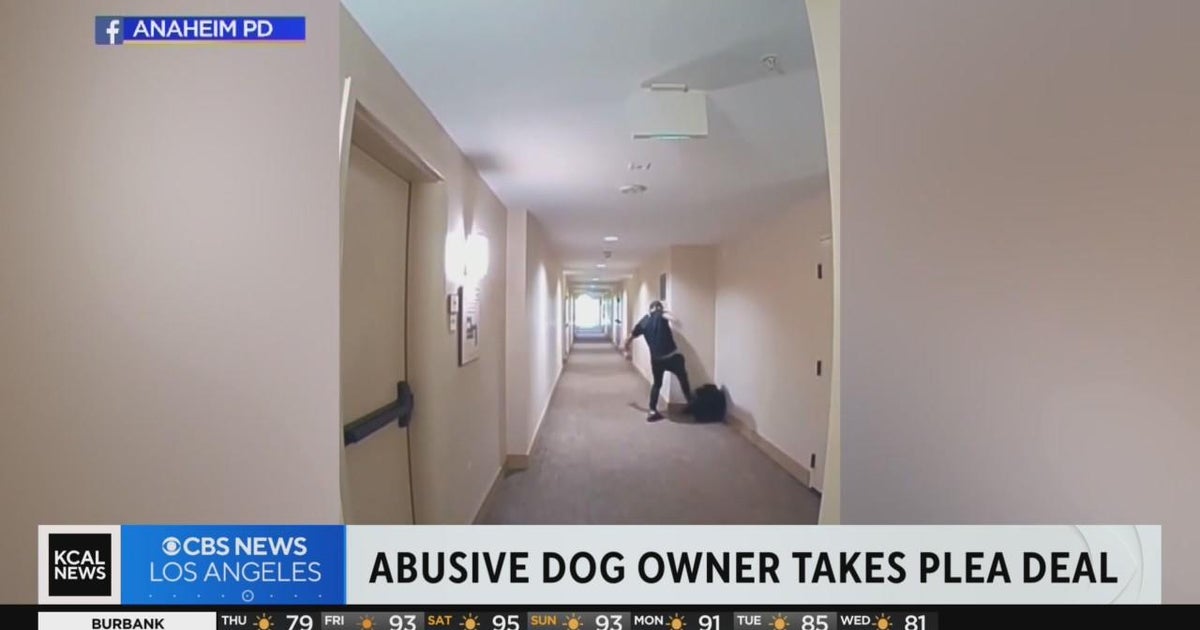
The short answer: dogs do not “approve” of abuse
Dogs that stay near abusive owners are usually responding to survival pressure, not moral loyalty. They may stay because the owner controls food, shelter, attention, leash access, or escape routes. They may also remain bonded because dogs form attachments through repetition, not through a human-style evaluation of whether someone is kind.
A dog can be afraid and attached at the same time. That mix is common in abusive environments. The behavior can look like devotion from the outside, but it is often a stress response built around dependence.
What “loyalty” means in dogs
Dog loyalty is better understood as attachment, familiarity, and learned dependence. In everyday language, people call it loyalty when a dog follows, waits for, or protects one person. In behavioral terms, the dog may simply see that person as the center of safety, food, structure, and routine.
This matters because abusive treatment can still create strong attachment patterns. A dog does not need a healthy bond to remain bonded. It only needs enough repetition, dependency, and social contact to keep returning to that person.
Why dogs form attachments so quickly
Dogs evolved to live closely with humans. Over time, they became highly sensitive to human tone, movement, routine, and emotional state. That sensitivity helps explain why even a poor caretaker can become the dog’s main reference point.
A dog’s brain is built to notice who provides resources and who controls access to comfort. If one person is the only stable figure in the dog’s world, the dog may stay close to that person no matter how harmful the relationship is.
Why abusive owners can still become the dog’s “safe” person
Abusive owners often create an unstable environment that still has patterns the dog can predict. Predictability matters to dogs. Even if the pattern includes yelling, rough handling, or neglect, the dog may still learn when food appears, when the person returns, and when tension rises.
That predictable cycle can strengthen attachment. The dog may watch the owner closely, try to avoid punishment, or offer submissive behavior to reduce conflict. From the dog’s point of view, staying near the owner may feel safer than trying to leave.
Intermittent kindness makes the bond stronger
One of the strongest reasons dogs stay attached is intermittent reinforcement. If an abusive owner is cruel some of the time but affectionate at random moments, the dog may become even more focused on them. unpredictable rewards can strengthen seeking behavior.
This is not unique to dogs. Many animals and humans keep chasing inconsistent approval because the occasional reward feels powerful. In dogs, that can look like excitement, tail wagging, or intense proximity seeking after a period of fear or neglect.
Fear can look like affection
A frightened dog may wag, lick, roll over, or stay close. People often read those behaviors as trust, but they can also be appeasement signals. The dog is trying to prevent more harm.
That means a dog may appear “loyal” while actually being stressed. A frightened dog often monitors the owner’s mood, posture, and voice very carefully. If the owner is the source of both danger and relief, the dog may keep trying to manage the owner rather than escape them.
Why dogs do not always leave harmful situations
Dogs usually cannot leave on their own. In a home, a yard, a crate, or a tethered situation, the owner controls the dog’s movements. Even when a door is open, the dog may not know where to go, where food is available, or whether strangers are safe.
Many abused dogs also have learned helplessness. After repeated punishment or failed attempts to avoid harm, they may stop trying to resist. This can make them seem passive, clingy, or strangely calm, but it often reflects exhaustion, not comfort.
Common factors that keep a dog bonded to an abusive owner
| Factor | What it does | How it affects the dog |
|---|---|---|
| Food control | Owner provides meals | Increases dependence |
| Shelter control | Owner controls safe space | Reduces freedom to leave |
| Routine | Daily patterns become familiar | Builds attachment through predictability |
| Intermittent kindness | Rewards arrive unpredictably | Strengthens seeking behavior |
| Isolation | Dog has limited contact with others | Makes the owner the main social figure |
| Fear | Punishment discourages resistance | Encourages appeasement and compliance |
Signs a dog may be attached but not truly comfortable
A dog can stay near an owner and still be distressed. Look for body language and behavior that suggest fear, not ease. A comfortable dog usually moves freely, seeks contact voluntarily, and shows relaxed muscles.
Signs of stress may include cowering, trembling, lip licking, whale eye, pinned ears, tail tucked low, freezing, avoidance, or sudden submission. Some dogs also become hypervigilant, watching every movement the owner makes. Those behaviors are more consistent with fear-based attachment than with healthy loyalty.
What changes the answer: temperament, history, and environment
Not every dog responds the same way. Breed is less important than individual temperament, past trauma, early socialization, and current living conditions. A well-socialized dog may recover faster than a dog with chronic neglect or repeated punishment.
Age also matters. Puppies and young dogs may bond rapidly to whoever handles them most. Adult rescue dogs may carry old fear patterns into new homes, which can make them seem overly attached or unusually wary.
A simple decision guide
If the dog:
- follows the owner everywhere but relaxes easily, the bond may be strong and mostly secure.
- follows the owner everywhere but looks tense, the bond may be fear-based.
- avoids the owner yet remains trapped nearby, the dog may be protecting itself.
- seems unusually flat, still, or unresponsive, the dog may be shut down from chronic stress.
Why this matters for people in the United States
In the U.S., dogs are often family members, but they are also legally protected animals under state cruelty laws and, in many situations, local animal control rules. If a dog is being hurt, the right response is not to assume the animal is “too loyal to leave.” The better interpretation is that the dog may be dependent, frightened, or unable to escape.
This is especially important in homes where domestic violence is present. Animals in those homes may remain close to the abusive person, the non-abusive caregiver, or both. That does not mean the dog understands the situation in human terms. It means the dog is trying to survive in a confusing and unsafe environment.

What to do if you think a dog is attached to an abusive owner
If you are trying to help the dog, focus on safety first. Do not assume the dog will run to you or accept comfort right away. A fearful dog can bite if cornered, startled, or pushed too fast.
Start by creating distance from the abusive situation when possible. Contact local animal control, a humane society, a rescue organization, or law enforcement if there is immediate danger. If the case involves a household with human safety concerns, consider a domestic violence service provider that works with pet safety planning.
Safe first steps
- Observe the dog’s body language from a distance.
- Do not confront the owner alone if violence is possible.
- Document dates, times, injuries, and visible neglect if it is safe to do so.
- Contact local authorities or an animal welfare agency.
- Arrange veterinary care if the dog can be removed safely.
- Use a calm, quiet environment if the dog is placed in foster or rescue care.
Common mistakes people make
One common mistake is calling the behavior “loyalty” and stopping there. That can hide abuse. Another mistake is rushing a rescue dog into affection and expecting gratitude right away. Fearful dogs often need time before they can trust.
People also sometimes assume a wagging tail means the dog feels safe. It does not always. The full body picture matters more than one signal.
When professional help is needed
Get help from a veterinarian, certified behavior professional, shelter professional, or rescue group if the dog shows severe fear, repeated aggression, shutdown behavior, self-injury, or medical signs of abuse. If the dog has been chained, starved, beaten, or denied medical care, a full welfare check is warranted.
If you suspect active cruelty in the United States, contact local animal control, police, or a humane law enforcement agency where available. If the dog is tied to domestic violence or family abuse, safety planning should include both the human and the animal.
FAQs
Can an abused dog love its owner?
Yes, a dog can still show attachment, but that attachment may be mixed with fear, dependence, or learned coping. Love in the human sense is not the best label for it.
Why does my dog still go back to an abusive person?
The dog may be seeking food, routine, or the only familiar person in its environment. The dog may also be trapped by habit and fear.
Will a dog remember abuse?
Dogs can remember negative experiences and the people linked to them. They may react later to similar voices, movements, places, or smells.
Can a dog recover after abuse?
Yes. Many dogs improve with safety, patience, routine, veterinary care, and behavior support. Recovery is often gradual.
Should I try to “rescue” the dog myself?
Only if it is safe and legal to do so. If violence, property disputes, or cruelty are involved, contact professionals first.
Bottom line
Dogs are not loyal to abuse in the human sense. They are often attached because they depend on the owner for survival, fear change, and learn to cling to the only familiar figure in a stressful world. What looks like devotion may actually be a survival strategy.
If you are seeing this in the United States, treat it as a welfare issue, not a quirk of personality. The best response is safety, distance from harm, and support from trained professionals.