Why Do Dogs Ears Flip Inside Out: Causes And Fixes
Introduction
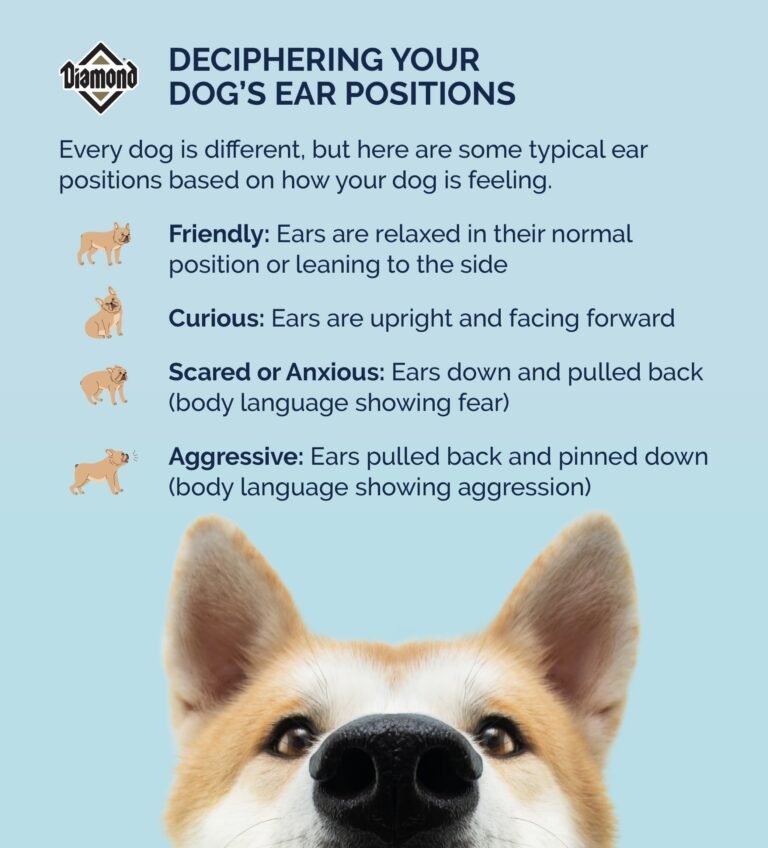
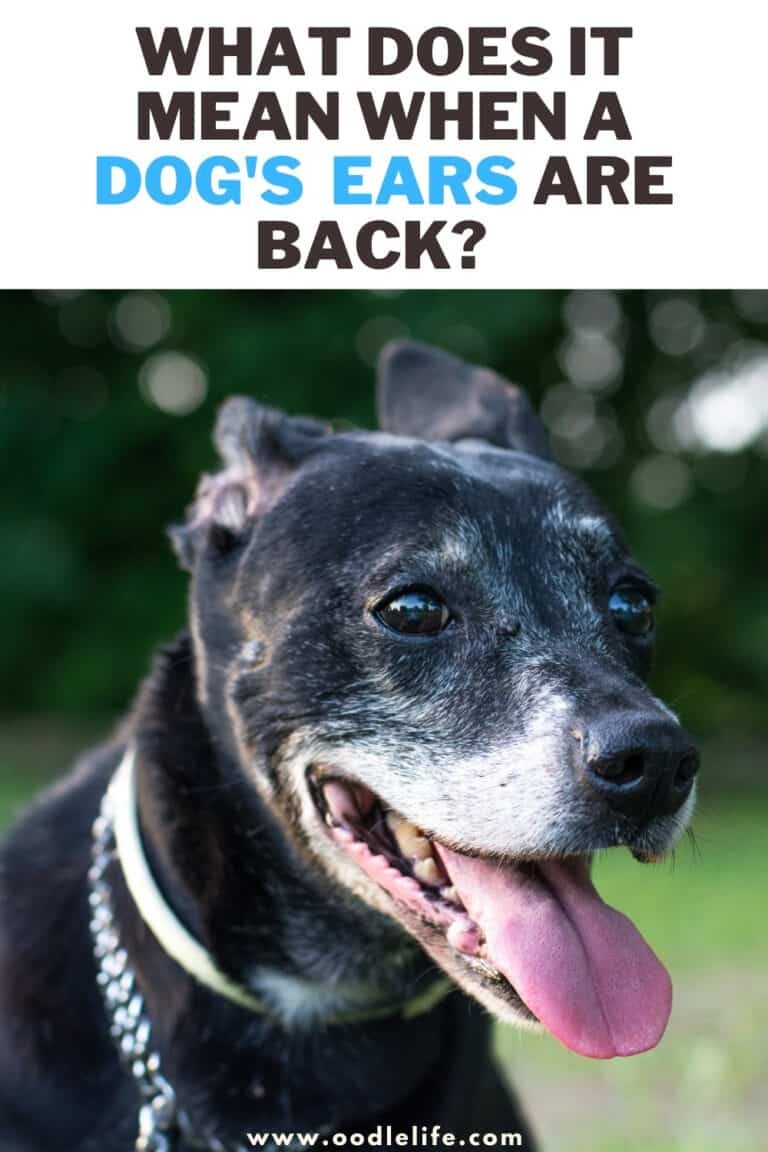
A dog’s ears may flip inside out because the thin ear flap, or pinna, is flexible and can fold, twist, or turn during sleep, play, head shaking, scratching, or rubbing. In many cases, the change is brief and harmless.
For dogs in the United States, the main concern is not the flipped shape itself. The concern is whether it comes with pain, swelling, odor, discharge, repeated scratching, or frequent head shaking. Those signs may point to an ear infection, allergy, ear mites, a foreign object, or an ear-flap injury that needs veterinary care.
This guide explains why dog ears flip inside out, how to tell a normal event from a health problem, and what you can safely do at home.
What does “inside-out” mean in a dog’s ear?
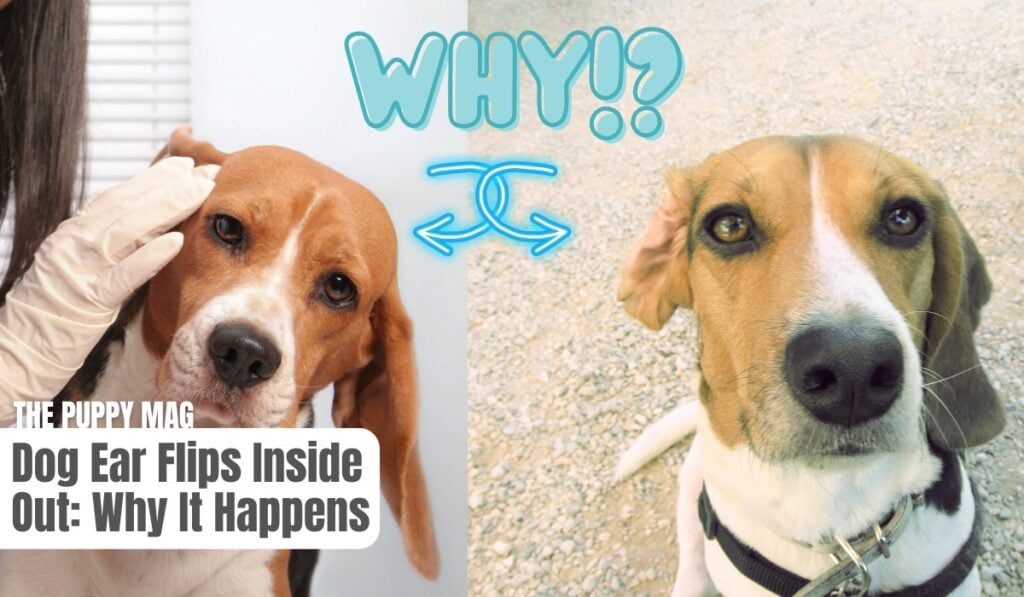
An “inside-out” ear is usually a temporary fold of the ear flap. The outer ear flap folds backward or rolls so the inner surface faces outward.
The flap contains skin, hair, blood vessels, nerves, and a thin sheet of cartilage. This cartilage gives the ear its shape, but it is still flexible. The ear can move in response to muscles, body position, touch, sound, and air movement.
This is different from a problem deeper in the ear canal. The visible ear flap is called the pinna. The ear canal is the passage that leads inward toward the eardrum.
A flipped pinna may look odd, but the appearance alone does not show that the ear is diseased.
Why do dogs’ ears flip inside out?
Dogs’ ears most often flip inside out because of normal movement or pressure on the flexible ear flap. The most common causes include the following.
Sleep and resting position
A dog may lie on one ear, press it against a bed, or tuck it under the head. When the dog wakes, the ear may remain folded backward for a short time.
This is especially common in dogs with:
- Long, soft ears
- Heavy ear leather
- Floppy ears
- Thin or flexible cartilage
- Hair that changes the ear’s weight
If the ear returns to its usual position after the dog stands, moves, or shakes the head, the cause is often harmless.
Head shaking
A quick head shake can push the ear flap backward. The same thing may happen after a dog swims, gets wet, or tries to remove water from the ear.
Occasional head shaking is normal. Repeated head shaking is different. It can signal irritation in the ear canal and may worsen swelling or cause injury to the ear flap.
Scratching or rubbing
A dog may flip an ear while scratching near the neck or rubbing the side of the face on a carpet, couch, crate, or floor.
The scratching may be due to a simple itch. It may also come from:
- Allergies
- Ear infection
- Flea bites
- Ear mites
- A grass awn or other foreign material
- Skin irritation
The flipped ear is then an effect of the rubbing, not the root problem.
Wind, fans, and fast movement
Moving air can catch a light ear flap and turn it backward. A dog may also flip an ear while running, riding in a car, or playing.
This is more likely in dogs with upright ears that are partly folded or ears with loose tips. The ear should usually return to its normal shape once the movement stops.
Breed and ear shape
Ear structure has a major effect on how often this happens. Some dogs naturally have ears that fold, tip, or change position.
Examples include dogs with:
- Rose ears
- Button ears
- Semi-prick ears
- Drop ears
- Large, pendulous ear flaps
A young dog’s ears may also change position as the cartilage develops. In puppies, an ear that flips during growth is not automatically a concern.
Collar, harness, or grooming pressure
A collar, harness strap, bandana, or grooming style may push an ear into an unusual position. Mats or long hair near the ear can also pull the flap backward.
Check whether the change began after:
- A new collar or harness
- A grooming appointment
- Ear hair trimming
- A bow, wrap, or accessory
- Increased time in a crate
- A change in bedding
Do not use tight wraps or tape to force the ear into place unless a veterinarian has prescribed that method.
Ear discomfort or disease
An ear that keeps flipping may be reacting to pain or itch. Common medical causes include external ear inflammation, known as otitis externa.
Possible causes include:
- Bacteria
- Yeast
- Allergies
- Parasites
- Moisture trapped in the ear
- A foreign object
- Excess wax or debris
- Trauma
The Merck Veterinary Manual describes ear disorders in dogs as problems that can involve inflammation, infection, parasites, foreign bodies, or other changes in the ear canal.

Is it normal for a dog’s ear to flip inside out?
It is usually normal when the ear flips briefly and your dog seems comfortable. A normal event often has these features:
- The ear changes position after sleep, play, wind, or movement.
- Your dog does not yelp or resist gentle observation.
- There is no strong odor or fluid.
- The ear flap is not swollen, hot, or thick.
- Your dog is not scratching repeatedly.
- The ear returns to its usual position on its own.
A temporary fold is similar to a shirt sleeve turning over. It looks unusual, but the shape alone does not mean the material is damaged.
Still, watch the pattern. A sudden change that continues for hours or days deserves more attention than a brief fold after a nap.
When is a flipped ear a sign of a problem?
A flipped ear may need veterinary attention when it occurs with other symptoms. The most useful clues are your dog’s behavior and the condition of the ear.
| Sign | What it may suggest | Recommended response |
|---|---|---|
| Brief flip after sleep | Pressure or normal flexibility | Monitor |
| Occasional head shake | Water, dust, or brief irritation | Check the visible ear |
| Repeated head shaking | Ear canal irritation, infection, or foreign object | Arrange a veterinary exam |
| Strong odor | Infection or heavy inflammation | Contact a veterinarian |
| Dark, yellow, green, or bloody discharge | Infection, injury, or parasites | Veterinary care |
| Red, hot, or painful ear | Inflammation or trauma | Veterinary care |
| Thick, soft, swollen ear flap | Possible aural hematoma | Prompt veterinary care |
| Head tilt, loss of balance, or vomiting | Deeper ear or neurologic concern | Urgent veterinary care |
| Ear stays folded and cannot return | Swelling, pain, or structural change | Veterinary exam |
Aural hematoma
An aural hematoma is a pocket of blood that forms between layers of the ear flap. It often follows repeated head shaking or scratching.
The ear may look:
- Puffy
- Thick
- Warm
- Soft and fluid-filled
- Similar to a small balloon or cushion
The swelling may affect part or all of the ear. Aural hematomas can be painful and may heal with permanent thickening or wrinkling if untreated. The VCA Animal Hospitals guide to aural hematomas explains that treatment often requires addressing both the blood pocket and the reason the dog was shaking or scratching.
Do not puncture or drain a swollen ear at home.
Ear infection
Ear infections can cause a dog to hold the ear differently or flip it while trying to relieve discomfort. Look for redness, odor, discharge, pain, or frequent scratching.
A dog can have an ear infection even when the visible ear flap looks only mildly abnormal. A veterinarian may need to examine the ear canal and inspect a sample under a microscope to identify yeast, bacteria, parasites, or mixed inflammation.
Foreign material
Grass seeds, plant pieces, dirt, and other material can enter the ear canal. A sudden onset after a walk, hike, or time outdoors raises this possibility.
Do not push cotton swabs, tweezers, or other tools into the ear canal. A foreign object may be deeper than it appears, and probing can cause pain or damage.

What should you do when your dog’s ear flips inside out?
If your dog is calm and the ear looks healthy, use a simple observation process.
- Look at the ear flap. Check for swelling, redness, cuts, crusts, or unusual warmth.
- Check for odor or discharge. Do not force the ear open if your dog shows pain.
- Observe behavior. Note scratching, head shaking, whining, head tilting, or reluctance to be touched.
- Remove obvious outside pressure. Take off a loose bandana or adjust a collar if it is pressing on the ear. Do not tighten anything around the neck.
- Give the dog time to move. Many ears return to position after walking, stretching, or shaking naturally.
- Record the pattern. A short video can help your veterinarian if the event keeps happening.
- Call your veterinarian when warning signs appear.
Do not force the ear flat, massage a swollen flap, or apply human ear medicine. Human products may contain ingredients that are unsafe for dogs or harmful if the eardrum is damaged.
Can you gently flip the ear back?
You can usually leave a healthy, painless ear alone. If the ear is only lightly folded and your dog accepts touch, you may gently support the flap and let it fall back into place.
Stop at once if your dog pulls away, cries, snaps, or seems uncomfortable. Pain means the ear may not be a simple positioning issue.
Never force an ear into a shape. Dogs with cropped, taped, or surgically altered ears have different care needs, so follow the veterinarian’s instructions for that individual dog.
How long can a dog’s ear stay flipped?
A harmless flipped ear often corrects itself within minutes or after the dog changes position. There is no single safe time limit for every dog, because ear shape and cause vary.
Call a veterinarian if the ear:
- Remains folded and your dog seems uncomfortable
- Keeps flipping because of repeated scratching or shaking
- Develops swelling, heat, redness, or discharge
- Changes suddenly and does not return to normal
- Looks thicker or heavier than the other ear
The duration matters less than the full pattern. A brief flip with no symptoms is usually less concerning than a five-minute event that happens every few minutes with intense scratching.

Do floppy-eared dogs have more ear problems?
Floppy ears do not guarantee an infection, but they can create conditions that make ear problems more likely. A covered ear canal may have less airflow and may retain moisture after bathing or swimming.
Dogs with allergies, narrow ear canals, heavy ear hair, or repeated moisture exposure may also be prone to inflammation. The American Kennel Club notes that ear shape and moisture can influence ear health, but routine cleaning should be based on the dog’s needs rather than a fixed schedule.
Safe ear care includes:
- Drying the outer ear after swimming or bathing
- Checking the ears during regular grooming
- Using only a cleaner recommended for your dog
- Keeping nails trimmed to reduce skin damage from scratching
- Treating allergies or parasites with veterinary guidance
Avoid routine deep cleaning unless your veterinarian recommends it. Overcleaning can irritate the ear canal and make some problems worse.
Common mistakes to avoid
Several well-meant responses can create new problems.
Do not use cotton swabs deep in the ear
A cotton swab can push debris farther inward or injure the ear canal. Use it only on the visible outer folds if a veterinarian has specifically approved that approach.
Do not use vinegar, alcohol, peroxide, or essential oils without guidance
These substances may irritate inflamed tissue. Essential oils can also be toxic if swallowed or absorbed in unsafe amounts.
Do not drain a swollen ear
A swollen ear flap may contain blood. Draining it at home can cause infection, bleeding, pain, or further tissue damage.
Do not assume every odor is normal
A mild natural smell can occur, but a strong, sour, yeasty, or foul odor may signal inflammation or infection.
Do not ignore repeated head shaking
Repeated shaking can create an aural hematoma and may indicate a painful ear problem. The American Veterinary Medical Association advises owners to seek veterinary care for signs associated with ear infections rather than treating the problem blindly.

When should you call a veterinarian?
Contact a veterinarian soon if your dog has a flipped ear plus scratching, repeated head shaking, odor, discharge, redness, or pain.
Seek urgent veterinary care for:
- Sudden head tilt
- Trouble walking or loss of balance
- Vomiting with ear symptoms
- Severe pain
- Heavy bleeding
- A rapidly enlarging ear flap
- Facial weakness
- A foreign object that cannot be safely removed from the outer ear
A veterinarian may use an otoscope to inspect the canal and eardrum. They may also collect ear debris for testing. This matters because yeast, bacteria, parasites, allergies, and foreign objects need different treatments.
Quick decision guide
Use this short guide when you notice the ear flip:
- It flips after sleep or play, then returns to normal: Monitor.
- It flips with mild, occasional scratching: Check the ear and observe closely.
- It flips with repeated scratching or head shaking: Schedule a veterinary exam.
- It is swollen, hot, painful, or thick: Contact a veterinarian promptly.
- Your dog has balance problems, a head tilt, or severe pain: Seek urgent care.
The safest next step is to treat the ear flip as a clue, not a diagnosis.

FAQs about dogs’ ears flipping inside out
Why does my dog’s ear flip inside out when sleeping?
Pressure from the floor, bed, or the dog’s head can fold the flexible ear flap backward. If the ear returns to normal after waking and there are no signs of pain or irritation, this is usually harmless.
Why does my dog keep flipping one ear?
One-sided flipping may come from the dog’s sleeping position, but it can also point to irritation on that side. Repeated head shaking, scratching, odor, discharge, or pain makes an ear problem more likely.
Can allergies make a dog’s ear flip inside out?
Yes. Allergies can cause itchy skin and ear inflammation. A dog may scratch or rub the ear, which can make the flap fold or flip. Allergies often affect both ears or recur over time, but only a veterinary exam can identify the cause.
Should I tape my dog’s ear back into place?
No, not unless a veterinarian has given you a specific method for that dog. Tape can restrict blood flow, trap moisture, irritate skin, or hide swelling.
Will my puppy’s ear stay inside out?
Usually, no. Puppy ears can change position as cartilage and surrounding tissue develop. If the puppy has pain, swelling, discharge, odor, or persistent scratching, arrange a veterinary examination.
Can an ear infection change the shape of a dog’s ear?
Yes. Inflammation, swelling, pain, and repeated shaking can make the ear look folded, drooped, or uneven. Treating the infection and its cause is more important than manually correcting the ear’s position.
Conclusion
Dogs’ ears flip inside out mainly because ear flaps are flexible. Sleep, play, wind, head shaking, scratching, and ear shape can all cause a temporary fold.
A brief flip is usually not a problem when your dog is comfortable and the ear quickly returns to normal. Repeated flipping, intense scratching, head shaking, odor, discharge, pain, or swelling can signal an ear infection, allergy, foreign object, or aural hematoma.
Check the visible ear without forcing it open, avoid home remedies and deep cleaning, and contact a veterinarian when warning signs appear.