Why Do Dogs Eat Elm Leaves: Reasons And Safety Tips
Dogs may eat elm leaves because they are curious, bored, hungry, or attracted to the leaves’ taste and texture. In many cases, eating a small number of clean elm leaves does not cause serious harm. However, the exact elm species, chemical treatments, amount eaten, and your dog’s symptoms all matter.
In the United States, elm trees may include American elm, slippery elm, Siberian elm, and Chinese elm. These trees are not identical, and a dog may also eat leaves from a nearby plant that only looks like elm. If your dog ate a large amount, ate treated leaves, or now has symptoms, contact a veterinarian or a U.S. animal poison service for advice.
Are Elm Leaves Poisonous to Dogs?
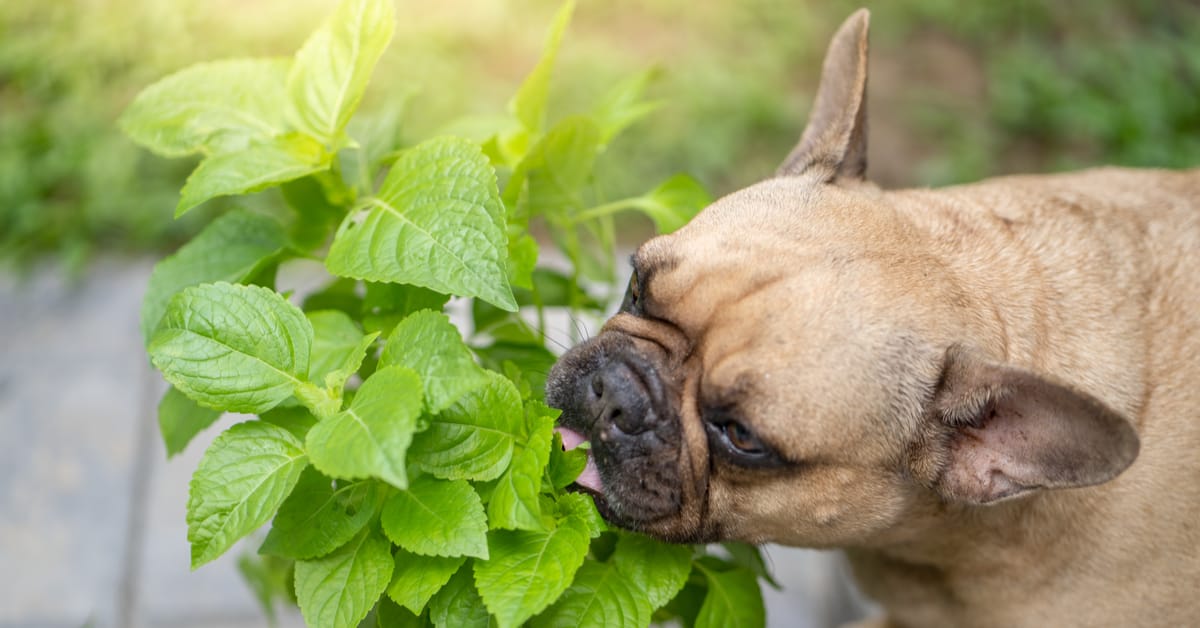
Elm leaves are not usually listed as a classic poisonous plant for dogs by major veterinary poison resources. Still, that does not mean every elm leaf is harmless in every situation.
A few fresh leaves from an untreated tree may pass without trouble. Some dogs may vomit or develop loose stool after eating leaves, especially if they eat a large amount. Plant material can irritate the stomach even when the plant itself is not considered toxic.
Several factors change the risk:
- Tree species: American elm, slippery elm, Siberian elm, and other elms have different traits.
- Amount eaten: A few leaves pose less concern than a large pile.
- Chemical exposure: Herbicides, pesticides, fertilizers, and tree treatments can be more dangerous than the leaves.
- Your dog’s health: Puppies, small dogs, senior dogs, and dogs with stomach or intestinal disease may react more strongly.
- Other material swallowed: Twigs, bark, seeds, mulch, or landscaping products can create separate risks.
The ASPCA Animal Poison Control Center maintains a plant safety database for pets. If you cannot confirm the tree species, do not assume that an unknown leaf is safe based on its appearance alone.
Why Do Dogs Eat Elm Leaves?
Dogs eat elm leaves for many of the same reasons they eat grass or other outdoor plants. The behavior often starts with normal exploration, but repeated leaf eating can sometimes point to a health or behavior issue.
1. Curiosity and normal exploration
Dogs use their mouths to investigate the world. A moving, fresh, or scented leaf can be interesting, especially to puppies and young dogs.
Dogs may also notice:
- A new tree or fallen leaves
- Leaves wet with rain or morning dew
- Insects on the leaves
- Strong smells from soil or mulch
- Leaves moved by wind
- Leaves dropped near food or animal scents
A dog that takes one or two leaves and then returns to normal activity may simply be exploring.
2. Taste, texture, or natural chewing behavior
Some dogs enjoy the feel of leafy plants. A crisp leaf can offer a mild chewing activity, much like grass or a vegetable.
This behavior may be stronger in dogs that:
- Like to chew
- Eat quickly
- Seek new textures
- Have limited enrichment outdoors
- Spend time near trees during walks
Leaf chewing is not proof that a dog needs a certain nutrient. Dogs do not usually select plants with the accuracy needed to correct a specific vitamin or mineral deficiency.
3. Hunger or interest in food
A hungry dog may eat plants while searching for something edible. Dogs with strong scavenging habits may also taste leaves simply because they are available.
Check whether the behavior began after:
- A change in meal size
- A new feeding schedule
- More exercise than usual
- A missed meal
- A diet change
- Access to fallen food or animal waste outdoors
Do not increase food or add supplements based only on leaf eating. First look for a clear pattern and discuss ongoing concerns with your veterinarian.
4. Boredom or a need for more activity
A dog with too little exercise or mental stimulation may turn leaves into a game. Chasing, chewing, and tearing leaves can be self-rewarding.
This is more likely when your dog eats leaves during quiet yard time but not during walks, training, or play. Short training sessions, sniff walks, food puzzles, and safe chew toys may reduce the habit.
5. Nausea or stomach discomfort
Many people believe dogs eat grass or leaves to make themselves vomit. This explanation is not well established. Research on grass eating suggests that dogs often eat plants without vomiting, and plant eating is not a reliable way for a dog to treat an upset stomach.
If your dog eats leaves and then repeatedly vomits, the leaves may be part of the event rather than the cause. Possible medical causes include:
- Dietary upset
- Parasites
- Pancreatitis
- Intestinal blockage
- Toxin exposure
- Inflammatory bowel disease
- Other digestive problems
Repeated plant eating with vomiting, diarrhea, weight loss, pain, or appetite changes deserves veterinary attention.
6. Pica or compulsive eating
Pica is the repeated eating of items that are not normal food. A dog with pica may eat leaves, rocks, fabric, plastic, wood, or dirt.
Pica can relate to:
- Anxiety or stress
- Boredom
- Learned behavior
- Nutritional problems
- Gastrointestinal disease
- Compulsive behavior
A dog that only nibbles a leaf now and then is not automatically showing pica. The concern rises when the dog seeks out leaves often, eats large amounts, or swallows other nonfood objects.
What Should You Do If Your Dog Eats Elm Leaves?
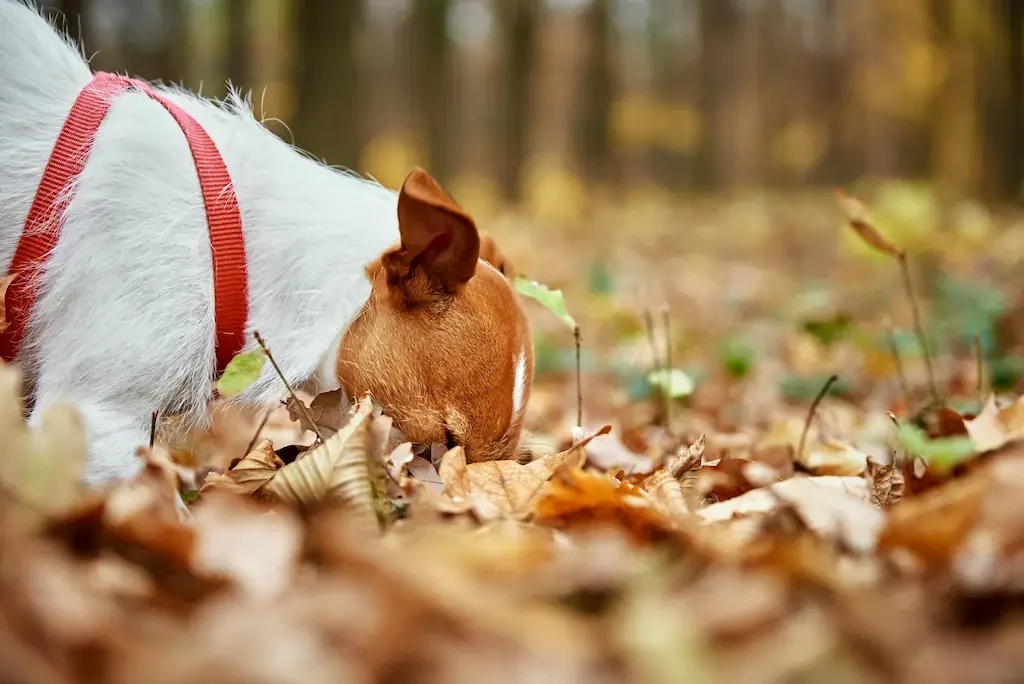
If your dog ate a small number of leaves and acts normal, remove access and monitor the dog. Do not make your dog vomit unless a veterinarian or poison professional specifically tells you to do so.
Use this simple response:
- Move your dog away from the tree. Prevent further eating.
- Identify the plant. Take clear photos of the leaves, bark, tree shape, and surrounding area.
- Check for chemicals. Ask whether the tree or lawn was treated with pesticide, herbicide, fertilizer, or another product.
- Estimate the amount eaten. Note whether your dog chewed a few leaves or swallowed a large quantity.
- Watch for symptoms. Check for vomiting, diarrhea, drooling, weakness, belly pain, coughing, or unusual behavior.
- Save product information. Keep labels or treatment records if chemicals may be involved.
- Call for help when needed. Contact your veterinarian, an emergency veterinary hospital, or an animal poison service.
Do not give hydrogen peroxide, milk, oil, human medicine, or home remedies without professional guidance. These actions can worsen an injury or delay proper treatment.
When monitoring at home may be reasonable
Home monitoring may be reasonable when all of these conditions apply:
- Your dog ate only a small amount.
- The leaves came from a known, untreated elm.
- No pesticide, fertilizer, or other chemical was present.
- Your dog is alert and breathing normally.
- Your dog has no repeated vomiting, severe diarrhea, pain, or weakness.
Keep fresh water available, but do not force your dog to drink. Offer the normal diet unless your veterinarian advises a change.
When to call a veterinarian promptly
Call your veterinarian if your dog:
- Eats a large amount of leaves
- Is very small, very young, elderly, pregnant, or medically fragile
- Vomits more than once
- Has ongoing diarrhea
- Shows belly pain, bloating, or repeated retching
- Becomes weak, confused, unusually sleepy, or unsteady
- Drools heavily or has trouble swallowing
- Refuses food or water
- May have eaten treated leaves
- Swallows twigs, bark, mulch, or another object
Seek emergency care for trouble breathing, collapse, seizures, severe weakness, pale gums, a swollen abdomen, or repeated unproductive retching.
For suspected poisoning in the United States, you can contact:
- ASPCA Animal Poison Control Center: 888-426-4435
- Pet Poison Helpline: 855-764-7661
Fees may apply. These services can help assess the plant, product, amount, and symptoms.

How Can You Stop a Dog From Eating Elm Leaves?
The safest approach is to manage access first, then teach an alternative behavior. Punishment may increase stress and does not show your dog what to do instead.
Reduce access
Use one or more of these steps:
- Rake fallen leaves from the yard.
- Fence off the tree when possible.
- Keep your dog on a leash near unknown plants.
- Do not allow chewing during walks.
- Remove treated leaves after lawn or tree care.
- Keep leaf piles away from dogs and children.
- Inspect mulch and yard debris for sticks or sharp material.
If you use a lawn or tree treatment, follow the product label. Keep pets away for the full time listed on the label, not only until the surface looks dry.
Teach “leave it”
Practice indoors before using the cue near the tree:
- Place a low-value treat in your closed hand.
- Wait until your dog stops trying to get it.
- Mark the calm moment with “yes” or another reward word.
- Give a better treat from your other hand.
- Add the words “leave it” as your dog begins to look away.
- Practice with the treat on the floor, then in the yard.
- Reward your dog for walking past leaves.
Keep sessions short. The goal is to make ignoring leaves more rewarding than eating them.
Add safe outlets
Offer activities that meet the same need without plant material:
- Sniff walks
- Short obedience games
- Puzzle feeders
- Supervised chew toys
- Fetch or tug
- Scatter feeding in a safe area
- Daily play suited to your dog’s age and health
If your dog continues to eat leaves despite these changes, schedule a veterinary exam. A behavior professional may also help if anxiety or compulsive behavior appears to be involved.

Elm Leaves vs. Slippery Elm Supplements
Fresh elm leaves are not the same as slippery elm products sold for dogs.
Slippery elm usually refers to the inner bark of Ulmus rubra, also called red elm. It is often sold as a powder, capsule, or ingredient in pet products. Some people use it to support dogs with digestive problems, but product quality, dose, and suitability can vary.
Do not give a slippery elm supplement simply because your dog ate elm leaves. Ask your veterinarian first, especially if your dog:
- Takes prescription medicine
- Has chronic vomiting or diarrhea
- Has kidney, liver, or intestinal disease
- Is pregnant or nursing
- Has trouble swallowing
- Needs a special diet
Fiber-based supplements may affect how some medicines are absorbed. A veterinarian can help decide whether a supplement is appropriate and how to use it safely.

Can Elm Leaves Cause Vomiting or Diarrhea?
Elm leaves can contribute to mild stomach upset, especially when a dog eats many leaves. However, vomiting or diarrhea after leaf eating may also come from chemicals, another plant, spoiled material, infection, parasites, or an unrelated illness.
Watch the timing and severity:
| What you observe | What it may mean | Best next step |
|---|---|---|
| One or two leaves, no symptoms | Normal exploration is possible | Remove access and monitor |
| A few leaves, mild loose stool | Plant material or diet upset | Call your vet if it continues |
| Repeated vomiting | Stomach illness, toxin, or obstruction is possible | Contact a veterinarian promptly |
| Drooling, weakness, tremors, or seizures | Possible toxin exposure or serious illness | Seek emergency help |
| Leaves plus twigs, mulch, or rocks | Possible foreign-body risk | Call a veterinarian |
| Repeated leaf eating over days or weeks | Behavior or medical issue may be present | Arrange a veterinary exam |
Do not judge risk by the leaf alone. A treated tree, contaminated ground, or swallowed branch can create more danger than a small amount of clean foliage.

Common Mistakes to Avoid
Several common responses can make the situation harder to assess.
Assuming every elm is the same
Different elm species may grow in U.S. yards, parks, and streets. If the tree is unfamiliar, take photos and ask a professional to identify it.
Assuming plant eating always means a nutrient deficiency
Leaf eating does not prove that a dog lacks vitamins or minerals. Adding supplements without testing can create new problems and may mask the real cause.
Making the dog vomit at home
Inducing vomiting is not safe in every situation. It may be dangerous after chemical exposure, swallowing sharp plant parts, or showing certain symptoms.
Ignoring repeated behavior
A single leaf is usually less concerning than a pattern. Repeated eating may signal boredom, anxiety, pica, stomach disease, or easy access to an unsafe area.
Focusing only on toxicity
Even a nonpoisonous leaf can irritate the gut. Large amounts of plant material can also contribute to vomiting or, in unusual cases, an intestinal blockage.

Frequently Asked Questions
Can dogs eat American elm leaves?
A small amount of clean American elm leaf may not cause a serious reaction in many dogs, but no plant should be treated as universally safe. Confirm the species, consider chemical exposure, and monitor your dog for symptoms.
Will elm leaves make my dog sick?
They can cause stomach upset, particularly when eaten in large amounts. Vomiting or diarrhea may also indicate another problem, so repeated or severe symptoms require veterinary advice.
Should I let my dog eat leaves from the yard?
It is safer to prevent leaf eating when you cannot confirm the plant, treatment history, or condition of the yard. Fallen leaves may carry pesticides, fertilizers, mold, feces, parasites, or other debris.
Why does my dog eat leaves and then vomit?
The leaves may irritate the stomach, or your dog may already feel sick from another cause. Dogs do not reliably use leaves as a treatment for nausea. Repeated vomiting should be assessed by a veterinarian.
Is slippery elm safe for dogs?
Slippery elm products are different from fresh elm leaves. Ask your veterinarian before using one, because the right product, amount, timing, and safety depend on your dog’s health and medications.
Bottom Line: Should You Worry About Elm Leaves?
A dog that eats one or two clean elm leaves and remains normal often needs only observation and better access control. The risk is higher when the tree is unknown, the leaves were chemically treated, a large amount was eaten, or symptoms develop.
Remove the leaves, identify the tree, check for yard chemicals, and watch your dog closely. Call a veterinarian or a U.S. animal poison service promptly for severe symptoms, suspected chemical exposure, or repeated leaf eating.