You can stop a dog from barking at other dogs by identifying the reason for the barking, creating enough distance from triggers, teaching a calm response, and rewarding quiet behavior consistently.
Across the United States, many dog owners deal with barking during neighborhood walks, trips to local parks, or encounters with dogs passing by homes. A dog that barks at other dogs is not always being aggressive. The behavior may come from excitement, fear, frustration, uncertainty, or a desire to interact.
The most effective approach is usually behavior training that changes how a dog feels and reacts when another dog appears. Instead of only trying to stop the sound, owners should teach an alternative behavior such as looking at the handler, walking calmly, or staying focused on a reward.
Successful training takes time because barking is often a learned response that becomes stronger through repetition. With consistent practice, many dogs can learn that seeing another dog does not require barking or lunging.
Source: i.pinimg.com
Why Do Dogs Bark At Other Dogs?
Dogs bark at other dogs for several reasons, and understanding the cause is the first step toward changing the behavior. Barking is a form of communication, not simply a bad habit.
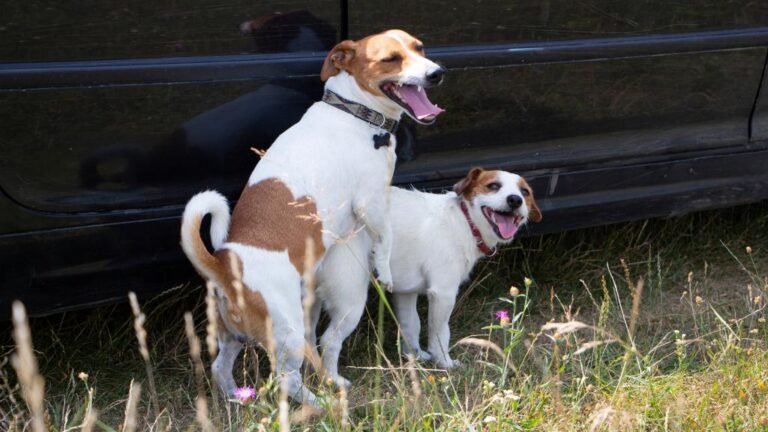
Some dogs bark because they are excited and want to greet another dog. Others bark because they feel unsafe, trapped on a leash, or unsure how to respond. A dog that cannot move away from a trigger may use barking to create space.
The same outward behavior can have different meanings. A happy, loose-bodied dog pulling forward is different from a fearful dog hiding behind its owner while barking.
Source: img-s-msn-com.akamaized.net
Excitement barking
The dog may bark because seeing another dog creates high energy and anticipation of play or interaction.
Fear-based barking
The dog may bark to make another dog move away because the situation feels threatening.
Leash frustration
A dog that cannot approach another dog may become frustrated and vocal.
How To Identify Your Dog’s Trigger
Watch your dog’s body language before, during, and after barking. Signs such as stiff posture, staring, raised hackles, tucked tail, or avoidance may suggest stress. Loose movement, play bows, and relaxed facial muscles may suggest excitement.
Keep notes about where barking happens, how close another dog is when it starts, and what happens after your dog reacts. These details help you create a training plan.
Track patterns
Notice whether barking happens only on walks, near the home, in vehicles, or in dog parks.
Prepare Before Training Your Dog Around Other Dogs
Good preparation makes training easier because a dog cannot learn well when it is already overwhelmed. Start in situations where your dog can notice another dog but still respond to you.
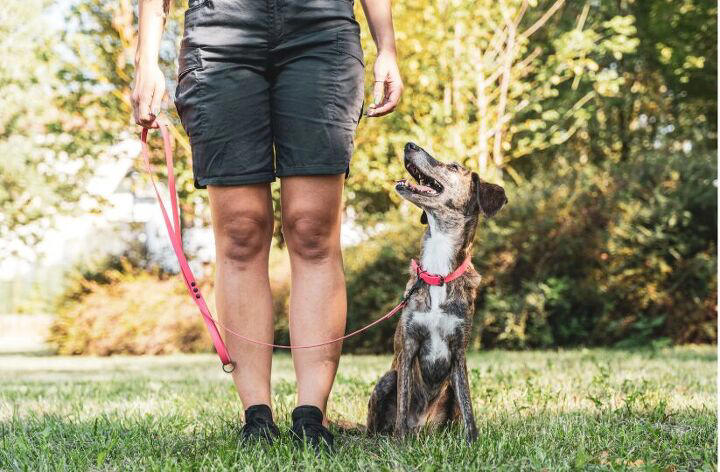
Choose a safe walking setup. A secure leash and properly fitted collar or harness can help you guide your dog without creating discomfort. Bring small treats or another reward your dog values.
The goal is not to force your dog to be close to other dogs. The goal is to teach calm behavior while your dog stays below the point where barking begins.
Source: img-s-msn-com.akamaized.net
Use enough distance
Begin training far enough away that your dog can see another dog without immediately barking.
Choose a reward
Use a reward your dog enjoys so calm choices become more valuable.
Signs Your Dog Is Ready To Learn
A dog is ready for training when it can notice another dog and still take treats, respond to its name, or follow a simple cue. If your dog cannot focus, increase the distance.
Calm attention
The dog can look at the trigger and return attention to the owner.
Step-By-Step Training To Stop Barking At Other Dogs
The most useful training method is to change the dog’s emotional response to seeing another dog. Instead of reacting automatically, the dog learns that calm behavior brings rewards.
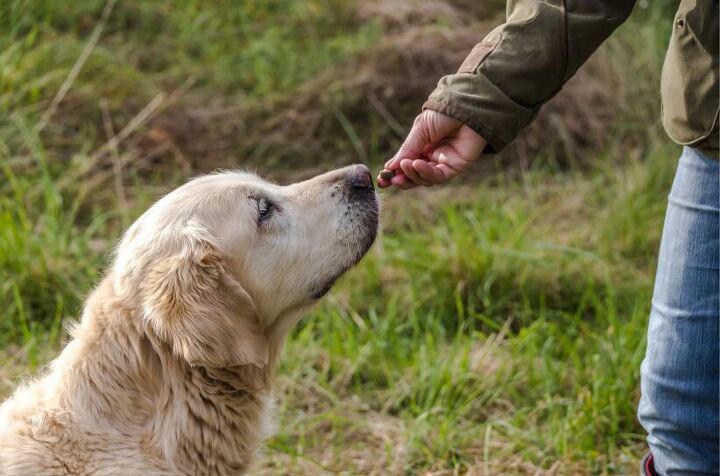
Start with a distance where your dog notices another dog but does not bark. When your dog looks at the other dog, reward calm behavior. Repeat this process many times during short training sessions.
Over time, slowly reduce the distance only when your dog remains relaxed. Moving too quickly can cause setbacks because the dog may return to the old barking pattern.
Source: i.pinimg.com
Step 1: Find the starting distance
Identify how far away another dog can be before your dog begins barking.
Step 2: Reward calm reactions
Give rewards when your dog notices another dog and remains quiet.
Step 3: Increase difficulty slowly
Practice in different locations while keeping the challenge manageable.
Teach An Alternative Behavior
Teaching a replacement behavior gives your dog something else to do when another dog appears. Useful options include looking at you, sitting, walking beside you, or turning away calmly.
Practice these skills when no other dogs are present first. Dogs learn better when the behavior is already familiar before distractions appear.
Look command
A trained attention cue can help your dog focus on you instead of the trigger.
What To Do During A Real Walk When Another Dog Appears
Real walks are harder than training sessions because distractions are unpredictable. If another dog appears suddenly, focus on safety first rather than forcing your dog to stay close.
Create distance by crossing the street, changing direction, or moving behind a barrier when possible. Giving your dog space can prevent the barking cycle from becoming stronger.
Reward any calm behavior you see, even if your dog only stays quiet for a few seconds. Small improvements build the foundation for longer calm periods.
Source: i.pinimg.com
Avoid tight leash pressure
Constant tension can increase frustration or stress in some dogs.
Stay calm
Dogs often respond to their owner’s body language and emotional state.
Common Walking Mistakes
Many owners wait until barking begins before responding. At that point, the dog may already be too excited or stressed to learn. Earlier action usually works better.
Allowing repeated barking episodes without changing the situation can strengthen the habit because the dog practices the behavior again and again.
Waiting too long
Intervene when your dog first notices another dog, not after a full reaction begins.
When Dog Barking Problems Need Extra Help
Some barking problems require professional guidance, especially when the behavior involves fear, aggression, or safety concerns. A qualified trainer or veterinary behavior professional can help identify the cause and create a structured plan.
Seek help if your dog attempts to bite, cannot recover after seeing another dog, redirects aggression toward people or animals, or shows severe anxiety. These situations need careful management.
Training progress can vary depending on the dog’s history, age, environment, and the consistency of practice.
Source: fthmb.tqn.com
Aggressive reactions
Lunging, snapping, or biting attempts require additional safety planning.
Extreme fear
A fearful dog may need a slower approach and professional support.
How To Measure Progress
Progress is shown by smaller reactions, faster recovery after seeing another dog, and more ability to focus on the owner. A dog does not need to love every dog it sees to be successful.
The realistic goal is calm behavior and safe walks, not forcing every dog to interact socially.
Look for improvement
Notice reduced barking intensity, shorter reactions, and better attention.
Frequently Asked Questions
Q
Why does my dog bark at other dogs on walks?
Dogs may bark at other dogs because of excitement, fear, frustration, or uncertainty. The reason behind the barking determines which training approach will work best.
Q
Should I punish my dog for barking at other dogs?
Punishment can increase stress in some dogs and may not address the reason for barking. Reward-based training usually focuses on teaching a calmer response.
Q
How long does it take to stop a dog from barking at other dogs?
The timeline depends on the dog’s age, history, trigger intensity, and training consistency. Some dogs improve quickly, while others need months of gradual practice.
Q
Can socializing my dog stop barking at other dogs?
Controlled social experiences can help some dogs, but forcing interactions is not recommended. The goal is calm behavior, not making every dog become a playmate.
Q
What should I do if my dog suddenly starts barking at dogs?
Check for changes such as stressful events, new environments, pain, or fear. If the behavior changes suddenly or becomes severe, consider consulting a veterinarian or qualified behavior professional.
✦ Wrapping Up
Conclusion
Stopping a dog from barking at other dogs requires understanding the cause, preventing overwhelming situations, and teaching a better response. Calm behavior grows through repeated practice, not through a single training session.
The most effective approach is to reward your dog for staying relaxed, increase challenges slowly, and adjust the plan when your dog struggles. Safe and patient training can help many dogs become more comfortable around other dogs.
💡 Key Takeaway
Start by finding the distance where your dog can see another dog without barking, then reward calm behavior consistently before slowly reducing that distance.