Why Do Dogs Have Soft Ears: Why It Happens
Introduction
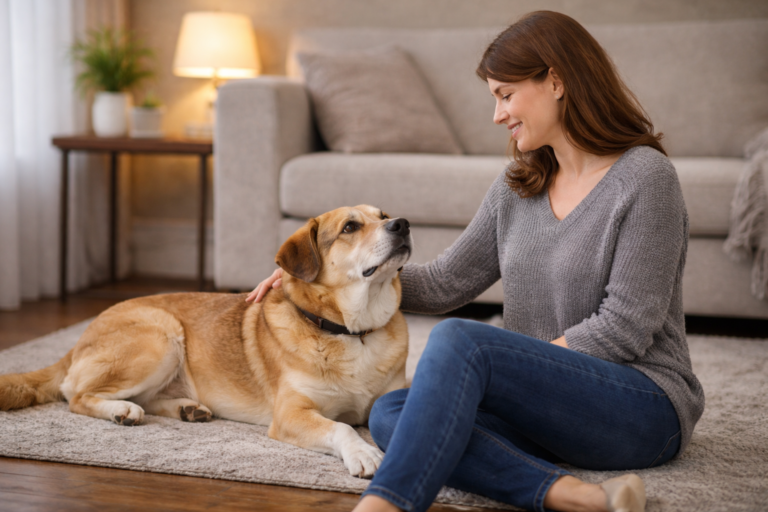
Across the United States, dog owners often notice that a dog’s ears feel soft, warm, or floppy. In most cases, this is normal. A dog’s outer ear, called the pinna, contains thin skin, fur, small muscles, blood vessels, and flexible cartilage rather than hard bone.
Soft ears help the pinna bend, move, and change shape. Breed genetics, age, ear size, and cartilage strength all affect how an ear feels. However, a sudden change in texture, swelling, pain, odor, or discharge can signal an ear problem that needs veterinary care.
Quick answer: Why do dogs have soft ears?
Dogs have soft ears because the outer ear is made mainly of skin and flexible cartilage. It does not contain a rigid bone structure. The cartilage gives the ear support while allowing it to move, bend, and fold.
A dog’s ear may feel especially soft when:
- The dog has naturally floppy ears.
- The dog is young and its cartilage is still developing.
- The ear has thin skin and a fine coat.
- The ear flap contains little fat or muscle.
- The breed has genes linked to long, folded, or dropped ears.
Softness alone is usually not a health concern. The more useful question is whether the ear feels different from normal or shows other signs of disease.

What part of a dog’s ear feels soft?
The soft outer flap is the pinna. It is the part that people can see and touch. The pinna connects to the ear canal, which carries sound toward the eardrum.
The pinna has several parts:
- Skin: Covers both sides of the ear flap.
- Fur or hair: Adds protection and warmth.
- Cartilage: Gives the ear shape without making it rigid.
- Small muscles: Help some dogs lift, turn, or rotate their ears.
- Blood vessels and nerves: Support tissue health and help the dog detect touch and temperature.
The ear canal is different from the ear flap. It is a narrow passage that leads inward. In dogs, the canal has a vertical section and a horizontal section. This shape can make it harder for moisture and debris to drain, especially in dogs with heavy, folded ears. The Merck Veterinary Manual describes this structure as one factor that can contribute to canine ear disease.
A dog’s ear is therefore soft but not fragile by design. The cartilage acts like a flexible frame. It lets the ear move while helping it keep its general shape.

Why are some dogs’ ears floppy?
Some dogs have floppy ears because of inherited differences in ear size, cartilage shape, muscle control, and tissue weight. These traits vary widely among breeds and individual dogs.
Breeds with naturally dropped or folded ears include:
- Cocker Spaniels
- Basset Hounds
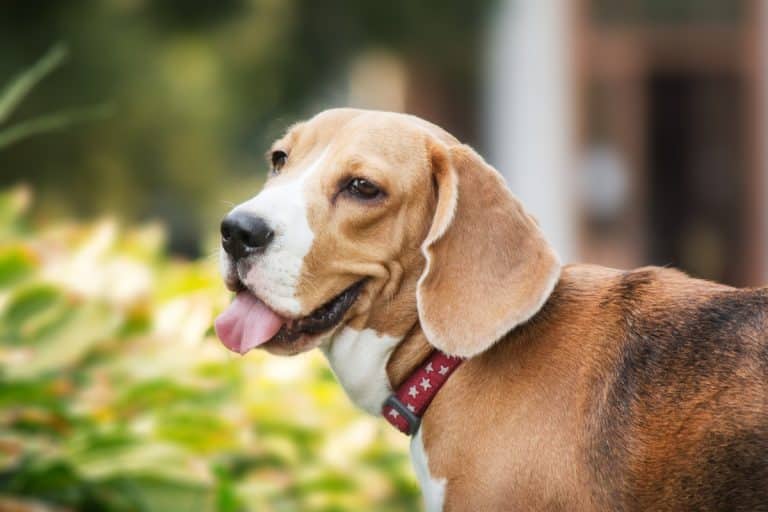
- Beagles
- Bloodhounds
- Labrador Retrievers
- Golden Retrievers
- Poodles
- Dachshunds
Breed names do not predict every individual dog’s ear shape. A mixed-breed dog may have upright ears, dropped ears, or one of each.
Genetics play the main role
Genes influence the shape and position of a dog’s ears. They can affect:
- The length of the pinna
- The thickness and curve of the cartilage
- The amount of ear tissue
- Muscle development
– Whether the ear stands upright or hangs down
A heavy ear flap may bend because its weight exceeds the support provided by its cartilage. A smaller or lighter ear may stand more easily.
Puppy ears can change
Puppies may have ears that rise, fall, or change position as they grow. Cartilage and supporting tissues continue to develop during early life. Teething, growth, and changes in the ear’s size can also make the ears look different for a time.
There is no single age at which every dog’s ears should stand. Breed and genetics matter more than a fixed timetable. Avoid forcing a puppy’s ears into a position without advice from a veterinarian or qualified breeder, since improper taping or handling can injure the skin.
Floppy ears do not mean a dog is unhealthy
A dropped ear is usually a normal breed trait. It does not prove that a dog has poor hearing or an ear infection. Still, the shape of the ear can affect airflow and moisture. Dogs with covered or folded ear canals may need closer monitoring for irritation.

Are soft dog ears normal?
Soft ears are normal when they match the dog’s usual appearance and do not cause discomfort. A healthy ear flap is often:
- Flexible but not limp
- Warm but not hot
- Smooth or lightly furred
- Free of major swelling
- Free of strong odor
- Free of pus, blood, or unusual fluid
- Comfortable when touched gently
A small amount of wax can be normal. Ear wax helps trap dust and protect the canal. The amount and color can vary, so a visual change should be judged along with smell, pain, scratching, and behavior.
The following table can help you decide what to do:
| What you notice | Possible meaning | Best next step |
|---|---|---|
| Soft ears that look and feel normal | Normal anatomy or breed trait | Continue routine checks |
| Mild wax with no pain or odor | Normal ear protection | Clean only if your veterinarian recommends it |
| Redness, repeated scratching, or head shaking | Irritation, allergy, parasites, or infection | Schedule a veterinary exam |
| Bad odor or dark, yellow, or bloody discharge | Possible ear disease | Contact a veterinarian promptly |
| Sudden thick, puffy, or spongy ear flap | Possible ear hematoma | Seek veterinary care |
| Severe pain, loss of balance, or a head tilt | Possible deeper ear problem | Seek urgent veterinary care |
These signs do not identify a specific disease by themselves. Ear problems can have similar symptoms but need different treatment.

When can soft ears signal a health problem?
Soft ears may signal a problem when the change is sudden or comes with pain, swelling, odor, discharge, or behavior changes. A dog may develop an ear issue in the ear flap, ear canal, or deeper ear structures.
Ear infection
An ear infection may cause:
- Frequent head shaking
- Scratching at one or both ears
- Redness
- Heat
- Odor
- Discharge
- Sensitivity when the ear is touched
- A tilted head
The cause may involve bacteria, yeast, parasites, allergies, moisture, or a foreign object. Treatment depends on the cause. A veterinarian may examine the ear with an otoscope and test a sample of the discharge.
Do not use leftover human ear drops or another pet’s medication. Some products can worsen irritation, and certain medications may be unsafe if the eardrum is damaged.
Ear hematoma
An aural hematoma is a pocket of blood that forms inside the ear flap. It often follows repeated shaking or scratching. The flap may feel thick, swollen, warm, or like a soft water-filled pouch.
A hematoma can be painful. It may also heal with permanent thickening or wrinkling if left untreated. A veterinarian should assess it, find the reason the dog was shaking or scratching, and recommend treatment.
Allergies and skin disease
Allergies can cause itchy skin around the ears and may contribute to repeated ear infections. Food allergies, environmental allergies, and skin conditions can look similar. Ear treatment alone may not solve the problem if the underlying itch continues.
Injury or foreign material
Grass awns, plant material, bites, cuts, and other injuries can cause sudden pain or swelling. A dog that reacts strongly when one ear is touched should receive a careful examination.
Signs of a deeper ear problem
A head tilt, poor balance, unusual eye movements, facial weakness, or trouble walking may point to middle- or inner-ear disease. These signs need prompt veterinary attention.

How do soft ears help dogs?
Soft, flexible ears allow dogs to move the pinna and change its position. Upright-eared dogs can often direct the ear toward a sound. Dogs with dropped ears may have less visible ear movement, but they can still detect and process sounds through the full hearing system.
The ear flap also helps guide sound toward the ear canal. Its exact role differs with ear size and shape. Softness is not a defect; it is part of a structure designed to balance support with movement.
A dog’s ear is not meant to be stiff like a human fingernail or a piece of bone. Flexible cartilage gives the pinna enough shape to work while allowing it to fold or bend during sleep, play, grooming, and daily movement.

How should you check a dog’s soft ears?
Check the ears once a week or as often as your veterinarian suggests. Regular checks help you learn what is normal for your dog.
- Look at both ears in good light. Compare one side with the other.
- Check the outer skin. Look for cuts, scabs, redness, swelling, or hair loss.
- Smell the ears gently. A strong or new odor can indicate a problem.
- Lift the ear flap without pulling. Do not force a painful ear open.
- Look only as far as you can see safely. Never push a cotton swab into the canal.
- Watch your dog’s reaction. Flinching, growling, pulling away, or crying can indicate pain.
- Record changes. A photo can help your veterinarian compare the ear over time.
Do not clean a healthy ear simply because it feels soft. Overcleaning can irritate the skin and disturb the ear’s normal protective environment.
If cleaning is needed, use a veterinary-approved ear cleaner and follow the product directions or your veterinarian’s instructions. Avoid hydrogen peroxide, alcohol, vinegar mixtures, essential oils, and homemade remedies unless a veterinarian specifically directs their use.

Why do dogs’ ears feel warm and soft?
Dog ears may feel warm because the pinna contains blood vessels close to the skin. Body temperature, exercise, warm rooms, excitement, and recent scratching can all affect how warm the ears feel.
Warmth alone does not prove that a dog has a fever or an ear infection. A hot, red, swollen, painful ear is more concerning than a mildly warm ear that looks normal.
If your dog also seems tired, refuses food, vomits, or behaves unusually, contact a veterinarian. A hand placed on the ear cannot accurately measure body temperature.
Common mistakes when handling soft dog ears
Several common habits can worsen ear problems:
Pulling or bending the ear
A dog’s ear flap is flexible, but rough handling can damage skin, cartilage, or small blood vessels. Handle the ear gently and stop if the dog shows pain.
Using cotton swabs deep inside the canal
Cotton swabs can push debris deeper, scratch the canal, or injure the eardrum. Use them only on areas that are easy to see, and only if your veterinarian says they are appropriate.
Treating without an examination
Ear infections do not all have the same cause. A cleaner or medication that helped once may be wrong for a different problem.
Ignoring repeated ear symptoms
If ear trouble returns, the dog may have an allergy, chronic skin disease, an anatomical risk, or an unresolved infection. Repeated short-term treatment may mask the cause.
Plucking or shaving ear hair without guidance
Ear hair management depends on the dog and the medical reason. Removing hair can irritate the canal in some dogs. Ask your veterinarian before changing the ear coat.

Frequently asked questions
Are soft ears a sign that a dog is relaxed?
Not by themselves. A dog may hold its ears low when relaxed, worried, fearful, or in pain. Read the ears with the rest of the body, including posture, eyes, tail position, appetite, and behavior.
Do floppy-eared dogs hear less well?
Floppy ears do not automatically mean poor hearing. Hearing depends on the entire ear and nervous system. However, severe wax buildup, infection, swelling, or blockage can reduce hearing temporarily or permanently.
Why does my puppy have one soft ear and one upright ear?
Uneven ear position can occur during growth. The ears may develop at different rates, and genetics can affect each side. If the change is sudden or painful, arrange a veterinary examination.
Should I massage my dog’s ears to make them stand?
No. Massage cannot reliably change inherited ear structure, and rough handling may cause pain or injury. If you have concerns about a puppy’s ears, ask your veterinarian or an experienced, welfare-focused breeder.
Can soft ears get sunburned?
Yes. Dogs with thinly haired, pale, or lightly pigmented ear flaps may be more prone to sun damage. Ask your veterinarian about safe sun protection. Do not apply human sunscreen unless a veterinary professional confirms that the product is safe for your dog.

Key takeaways
- Dogs have soft ears because the outer ear is made of skin and flexible cartilage, not bone.
- Genetics, breed, age, ear size, and cartilage shape affect whether ears stand or flop.
- Soft ears are usually normal when they match the dog’s usual appearance.
- Sudden swelling, pain, odor, discharge, redness, head shaking, or scratching needs veterinary attention.
- Do not place cotton swabs deep in the ear or use leftover medication.
- Check the ears gently and learn what is normal for your dog.
Conclusion
Dogs have soft ears because flexible cartilage gives the outer ear shape without making it rigid. This design supports movement and allows wide variation among breeds, from upright ears to long, folded flaps.
The key distinction is between a dog whose ears are naturally soft and a dog whose ear has recently become swollen, painful, smelly, or unusually sensitive. When a change appears, arrange a veterinary examination rather than trying home remedies.