Why Does My Dog Have One Floppy Ear: Causes And Care
Introduction
One floppy ear is often normal, especially in a puppy whose ears are still developing. However, a new change in an adult dog can point to an ear infection, injury, ear hematoma, or a nerve problem. The key clues are when the ear changed, whether your dog has pain or other symptoms, and whether the ear flap looks swollen or damaged.
If the ear suddenly dropped, your dog should have a veterinary exam. Ear problems can worsen even when the dog seems calm. A veterinarian in the United States can check the ear canal, eardrum, skin, nerves, and nearby tissues to find the cause.
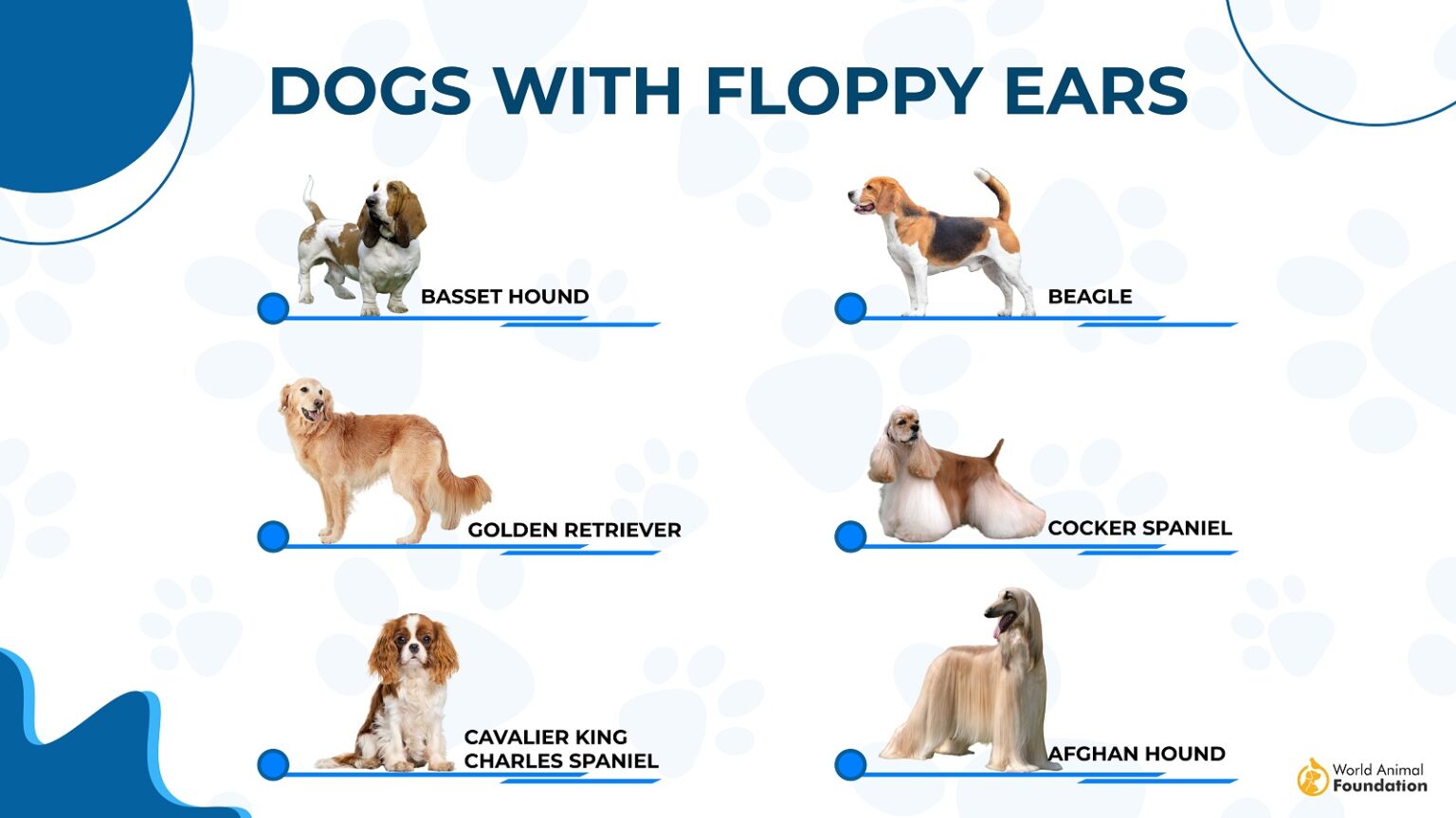
Common reasons a dog has one floppy ear
A dog may have one floppy ear because of normal growth, inflammation, trauma, swelling, or a problem with the nerves that control the ear. These causes can look similar at home, so the timing and other signs matter.
Normal ear development
Puppies often have uneven ears while they grow. This is common in breeds with naturally upright ears, including German Shepherd Dogs, Siberian Huskies, Corgis, and some terriers.
The ear cartilage may strengthen at different rates on each side. Teething, growth, and normal changes in cartilage can also make an ear rise and fall during puppyhood. One ear may stand in the morning and droop later in the day.
A floppy ear is more likely to be normal when your puppy:
- Has always had some ear movement or unevenness
- Shows no pain when the ear is touched
- Has no odor, discharge, redness, or swelling
- Eats, plays, and acts normally
- Is still young and developing
Do not tape, brace, or massage a puppy’s ears without advice from a veterinarian. Some methods can damage the skin or ear cartilage.
Ear infection
An ear infection can make one ear droop because the ear is painful or swollen. Dogs may develop infections in the outer ear canal, middle ear, or inner ear. Allergies, moisture, parasites, foreign material, and changes in the skin can contribute to outer ear disease.
Common signs include:
- Scratching one ear
- Shaking the head
- Redness or warmth
- Bad odor
- Dark, yellow, or bloody discharge
- Pain when the ear is touched
- Rubbing the ear on furniture or the floor
A dog may not cry or act sick even with a painful ear infection. A dropped ear can be the first sign that something is wrong.
The Merck Veterinary Manual explains that otitis externa, or inflammation of the outer ear canal, may cause pain, odor, redness, swelling, and discharge. Treatment depends on the cause. A veterinarian may need to examine ear debris under a microscope before choosing medication.
Ear hematoma
An ear hematoma is a pocket of blood between the skin and cartilage of the ear flap. It often develops after a dog shakes the head or scratches because of an infection, allergy, mites, or another source of irritation.
The ear may look:
- Thick or puffy
- Soft and fluid-filled
- Warm
- Heavy or folded
- Larger on one side
A hematoma can make a previously upright ear flop. It usually needs veterinary care because the blood pocket may return, scar, or cause a permanent “cauliflower ear” shape if it is not treated properly.
Do not try to drain an ear hematoma at home. Needles and unclean tools can introduce infection, cause bleeding, and delay proper treatment.
Injury or foreign material
A bite, scratch, thorn, grass awn, insect sting, or other injury can cause a dog to hold one ear down. A foreign object inside the ear canal may lead to sudden pain and repeated head shaking.
An injury is more likely if the change happened after:
- Rough play
- A dog fight
- A hike or run through tall grass
- Grooming
- A recent bath or swim
- Contact with an insect or plant
Look only at the visible outer ear. Do not force the ear open or push anything into the canal. Some foreign objects are deep and cannot be safely seen without veterinary equipment.
Facial nerve or ear-related nerve problems
The facial nerve helps control the ear, eyelids, lips, and facial muscles. A problem affecting this nerve can cause one ear to droop along with other changes on the same side of the face.
Possible signs include:
- A drooping lip
- Trouble blinking
- A dry or irritated eye
- Food or water falling from the mouth
- A tilted face
- Trouble standing or walking
- Loss of balance
Middle- or inner-ear disease can sometimes affect balance and facial nerve function. These signs need prompt veterinary attention.
A natural difference between the ears
Some dogs simply have ears that are shaped or carried differently. Breed traits, cartilage shape, past injury, and genetics can all play a role.
A naturally uneven ear is usually not a concern when the difference has been present for a long time and there are no signs of pain, itching, discharge, swelling, or behavior change.
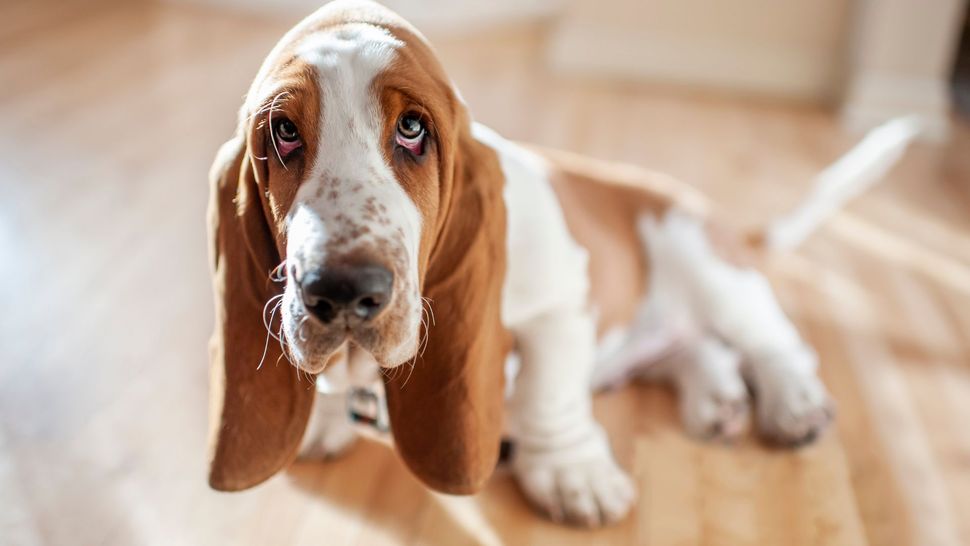
How to tell whether one floppy ear is a problem
The most useful clue is the speed of the change. A lifelong difference is often less concerning than an ear that dropped within hours or days.
Use this simple comparison:
| What you notice | More likely explanation | Recommended action |
|---|---|---|
| Puppy’s ear changes position during growth | Normal development | Monitor and mention it at routine visits |
| Adult ear suddenly droops | Infection, pain, injury, or nerve problem | Schedule a veterinary exam |
| Ear flap is swollen or fluid-filled | Ear hematoma | Arrange prompt veterinary care |
| Bad smell or discharge is present | Ear infection or foreign material | Do not self-treat; contact a veterinarian |
| Drooping ear plus facial weakness | Facial nerve or middle-ear disease | Seek prompt veterinary care |
| Drooping ear plus head tilt or poor balance | Inner-ear or neurologic problem | Use an emergency or same-day veterinary service |
Check the visible ear safely
Compare the floppy ear with the other ear. Look for:
- Redness
- Swelling
- Crusts or wounds
- Discharge
- A new odor
- A change in skin color
- A thickened or heavy ear flap
Watch your dog’s behavior. Scratching, head shaking, whining, hiding, reduced appetite, or avoiding touch can show discomfort.
Do not put liquid into the ear unless a veterinarian tells you to use that product. A damaged eardrum can make some cleaners or medicines unsafe. The American Kennel Club also warns against using cotton swabs deep in a dog’s ear because they can push debris farther inside or injure the canal.
Take a photo and note the timing
A clear photo can help you compare the ears over time. Write down:
- When you first noticed the change
- Whether it appeared suddenly or gradually
- Any recent swimming, bathing, grooming, or outdoor activity
- New foods, medicines, or possible allergy triggers
- Head shaking, scratching, odor, or discharge
- Any fall, bite, or rough play
This information can help your veterinarian decide how urgently to examine the dog.

When should you call a veterinarian?
Call your veterinarian promptly if one floppy ear is new, persistent, or linked with pain. Same-day care is especially appropriate when the ear is swollen, bleeding, very red, or producing discharge.
Seek urgent veterinary care if your dog has:
- A head tilt
- Loss of balance or trouble walking
- Repeated vomiting with ear or balance signs
- Severe pain
- Facial drooping
- An inability to blink
- Heavy bleeding
- Sudden weakness or unusual behavior
- A rapidly enlarging ear flap
A dog with only a mild, long-standing ear difference may not need an emergency visit. Still, mention it at the next wellness exam if you are unsure whether it is normal.
Do not wait several days if the dog keeps scratching or shaking the head. Repeated trauma can cause an ear hematoma, and untreated infection may spread deeper into the ear.

What will the veterinarian check?
A veterinarian will usually inspect both ears and compare their appearance. The exam may include an otoscope, which lets the veterinarian view the ear canal and eardrum.
The veterinarian may also:
- Ask about the timing and progression of the floppy ear.
- Check for pain, swelling, wounds, odor, and discharge.
- Examine ear debris for yeast, bacteria, mites, or inflammatory cells.
- Look for a foreign object.
- Check the eardrum when it can be seen safely.
- Evaluate facial movement, eye closure, balance, and walking.
- Recommend additional tests if the problem appears deeper or neurologic.
The treatment depends on the diagnosis. It may include prescribed ear medication, parasite control, allergy management, pain relief, removal of a foreign object, or treatment for an ear hematoma. Some hematomas need drainage or a procedure to prevent them from returning.
Never use leftover ear drops from a previous infection. The cause may be different, and the eardrum may not be intact. A medication that helped before can be ineffective or unsafe in a new situation.
What you should not do at home
Home care should focus on preventing more irritation until your dog is examined.
Avoid:
- Pouring hydrogen peroxide, alcohol, vinegar, or oil into the ear
- Using human ear medicine
- Inserting cotton swabs into the ear canal
- Draining a swollen ear flap
- Taping an ear that suddenly became floppy
- Cleaning repeatedly when the ear is painful
- Giving human pain medicine
Human pain relievers, including ibuprofen and acetaminophen, can seriously harm dogs. Ask a veterinarian before giving any medicine.
If your dog is scratching hard, an Elizabethan collar may help prevent additional injury until the appointment. Keep the ear dry, and do not allow swimming until the cause is known.

Can a floppy ear become upright again?
It depends on the cause. A puppy’s ear may stand as the cartilage matures, but it may also remain partly or fully floppy. Treating an infection or removing a foreign object may allow an adult dog’s ear to return to its usual position.
An ear affected by a hematoma may heal with thickening or a changed shape. Nerve-related drooping may improve when the underlying condition is treated, but recovery can vary.
Ear position alone does not predict health or recovery. The important question is whether the change reflects pain, swelling, infection, injury, or nerve dysfunction.
How can ear problems be prevented?
You cannot prevent every cause of a floppy ear, but routine care can reduce risk.
- Keep routine veterinary visits.
- Manage known allergies with veterinary guidance.
- Dry the visible ear after swimming or bathing.
- Check the ears weekly for odor, redness, debris, or swelling.
- Ask a veterinarian before using a cleaner.
- Avoid plucking ear hair unless a professional recommends it.
- Keep nails trimmed to reduce damage from scratching.
- Treat parasites with products recommended for your dog’s age and health.
Dogs with long, hanging ears or narrow ear canals may need closer monitoring. More cleaning is not always better. Frequent or harsh cleaning can irritate the ear canal and make inflammation worse.

Frequently asked questions
Is it normal for a puppy to have one floppy ear?
Yes, it can be normal. Puppy ears may develop at different speeds, especially in breeds expected to have upright ears. Contact a veterinarian if the ear is painful, swollen, smelly, or producing discharge.
Why did my adult dog’s ear suddenly become floppy?
A sudden change may result from an ear infection, injury, foreign object, ear hematoma, or facial nerve problem. Because the change is new, arrange a veterinary exam rather than assuming it is harmless.
Can ear mites cause one floppy ear?
Ear mites can cause intense itching, head shaking, and dark debris. They are more common in puppies and can affect one or both ears. A veterinarian should confirm the cause because yeast, bacteria, allergies, and foreign material can look similar.
Should I tape my dog’s floppy ear?
Do not tape the ear unless a veterinarian or qualified breed professional gives specific instructions. Taping a painful or infected ear can trap moisture, hide worsening signs, and damage the skin.
Can an ear infection make a dog’s ear droop?
Yes. Pain and swelling from an ear infection can cause a dog to hold one ear down. Odor, redness, discharge, scratching, and head shaking make infection more likely.
Is one floppy ear an emergency?
It is not always an emergency, but a sudden change deserves prompt attention. Use same-day or emergency care for severe pain, swelling, bleeding, facial weakness, head tilt, loss of balance, or trouble walking.
Conclusion
One floppy ear may be a normal part of puppy growth or a harmless lifelong trait. A new floppy ear in an adult dog, however, can signal infection, injury, an ear hematoma, or a nerve problem.
Check the visible ear without putting anything inside it. Note when the change began and watch for pain, odor, discharge, swelling, head shaking, facial changes, or balance problems. If the change is sudden or comes with other symptoms, contact a veterinarian promptly.