Why Do Dogs Flip Their Ears: What It Means
For dog owners across the United States, a quick ear flip can be a familiar part of daily life. Your dog may turn one ear back during a walk, lift both ears after hearing a sound, or pin them flat when meeting someone new. In most cases, this is normal body language. Dogs flip their ears to collect sound, show attention, manage emotion, or react to physical sensations.
The meaning depends on the full picture: your dog’s face, tail, body posture, behavior, and health. A single ear flip is usually harmless. A sudden change with scratching, odor, pain, swelling, or head shaking may point to an ear problem that needs veterinary care.

What Does It Mean When a Dog Flips Its Ears?
A dog flips its ears to change their position. This can help the dog hear, express emotion, or respond to something in the environment.
Dogs have strong ear muscles. These muscles let them raise, lower, rotate, or pull the ears back. Dogs with upright ears often show these movements clearly. Dogs with floppy ears may still move their ears, but the signs can be harder to see.
Common reasons include:
- Listening: The dog turns or lifts an ear toward a sound.
- Checking the environment: One ear may point forward while the other moves back.
- Showing emotion: Ears may shift during excitement, fear, stress, or calm attention.
- Communicating: Ear position works with the eyes, mouth, tail, and body.
- Reacting to discomfort: Irritation, infection, allergies, or a foreign object can cause repeated ear movement.
- Managing touch or wind: A dog may flip an ear after grooming, petting, wind, or contact with grass.
An ear flip does not have one fixed meaning. The same movement can mean curiosity in one moment and discomfort in another.
Why Dogs Move Their Ears
Dogs move their ears because hearing and social communication are closely linked. Their ear position gives the brain clues about where a sound comes from. It also helps other dogs and people read their mood.
Sound and attention
A dog may move one ear toward a sound while keeping the other ear in a different position. This helps the dog gather information from more than one direction.
You may see this when your dog hears:
- A car outside
- A person at the door
- A bird or squirrel
- A smoke alarm
- Another dog barking
- A new sound from a television or phone
An ear that points forward often shows attention. The dog may be interested, alert, or unsure. If the sound stops, the ears may return to their usual position.
Social signals
Ear position is part of canine body language. A relaxed dog may hold the ears in a natural position for its breed. A dog that pulls the ears back may feel worried, unsure, or submissive. A dog with ears held high may be alert or excited.
Do not read the ears alone. For example:
- Ears back plus a loose body and soft eyes may show calm friendliness.
- Ears back plus a stiff body, wide eyes, or tucked tail may show fear.
- Ears forward plus a stiff posture and hard stare may show high arousal or a warning.
- Ears that move freely with a wagging body may show curiosity or play.
The American Kennel Club’s guide to dog body language also stresses that posture and context matter when reading a dog’s signals.
Emotional response
A dog may flip its ears when it feels:
- Excited
- Nervous
- Confused
- Alert
- Frustrated
- Relaxed after tension
Ear movement can happen very quickly. A dog may lift its ears when you say “walk,” then pull them back when you reach for nail clippers. This change reflects the dog’s response to the situation.
Physical reflexes
A dog may flip an ear after feeling:
- A tickle from hair
- A bug or small piece of grass
- Wind
- Water after a bath
- A collar or harness rubbing near the ear
- A hand touching the ear
A brief movement that stops after the trigger ends is usually not a concern.

Why Does My Dog Flip One Ear Back?
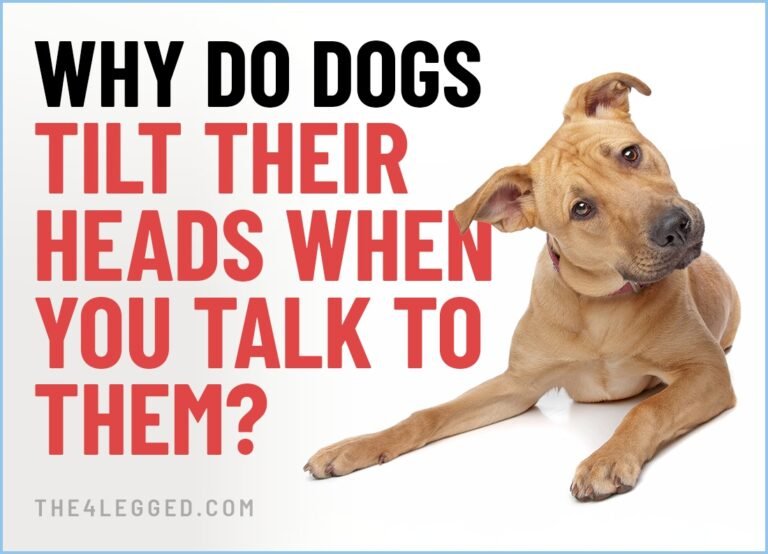
A dog may flip one ear back because it is listening in two directions or responding to a mild change in its surroundings. One ear may face a sound while the other stays relaxed or points behind the dog.
This is common when a dog is:
- Walking on a busy sidewalk
- Riding in a car
- Exploring a new room
- Listening to a person behind it
- Watching something in front of it
- Unsure about a new object
One-sided ear movement can also happen because of discomfort on that side. The key difference is what happens next.
Usually normal
One ear movement is more likely to be normal when your dog:
- Acts like itself
- Eats and sleeps normally
- Does not scratch the ear
- Does not shake the head often
- Has no strong odor or discharge
- Allows gentle handling without pain
- Stops the movement when the sound or trigger ends
More concerning
One-sided movement deserves closer attention when your dog also:
- Keeps the ear pulled back
- Shakes the head repeatedly
- Scratches or rubs the ear
- Tilts the head
- Resists touch
- Develops redness, swelling, odor, or discharge
- Seems less balanced
- Shows a sudden change in hearing or behavior
Pain can cause a dog to hold one ear differently from the other. Ear disease can affect the outer ear, ear canal, or deeper structures. The Merck Veterinary Manual describes signs such as head shaking, scratching, odor, redness, and discharge as common clues of ear disorders.

Why Do Dogs Flip Their Ears Back and Forth?
Repeated ear flipping may be normal if it follows sounds, movement, or brief stimulation. It is less likely to be normal when it happens often without a clear trigger.
Environmental triggers
Look for a pattern. Does the ear flipping happen:
- During walks?
- Near loud appliances?
- After a bath?
- When the dog enters tall grass?
- Around certain people or animals?
- After wearing a new collar or harness?
- In a room with strong air flow?
A clear trigger makes a harmless cause more likely. Remove the trigger when safe and watch whether the behavior stops.
Stress or uncertainty
Dogs may move their ears back and forth when they are trying to understand a situation. This may occur during a visit to a grooming salon, a trip to the veterinarian, or an encounter with an unfamiliar dog.
Other stress signs may include:
- Lip licking
- Yawning
- Turning away
- Panting without exercise
- Crouching
- Tucked tail
- Avoiding eye contact
- Showing the whites of the eyes
Give the dog space. Do not force contact or punish the dog for showing stress. Early signals can help prevent a situation from becoming more intense.
Itching or irritation
A dog may repeatedly flip an ear because the skin or ear canal itches. Causes may include allergies, parasites, moisture, wax buildup, or infection.
Do not put cotton swabs, hydrogen peroxide, alcohol, essential oils, or human ear medicine into a dog’s ear unless a veterinarian tells you to use a specific product. These substances can irritate the ear or worsen an injury.

Is Ear Flipping a Sign of Ear Infection?
Ear flipping alone does not prove that a dog has an ear infection. However, frequent ear movement can be one sign of irritation, especially when it occurs with other symptoms.
Watch for:
- Repeated head shaking
- Scratching at one or both ears
- Red or swollen ear tissue
- Bad odor
- Yellow, brown, or bloody discharge
- Crusts or sores
- Pain when the ear is touched
- A head tilt
- Trouble walking or balance changes
- Sudden hearing changes
Ear infections may involve bacteria, yeast, parasites, allergies, or other causes. Treatment depends on the cause. A veterinarian may need to examine the ear with an otoscope and test a sample from the ear canal.
Dogs with floppy ears, narrow ear canals, allergies, or frequent water exposure may be more prone to ear trouble. Still, any dog can develop an ear problem. Breed alone cannot tell you whether a particular ear movement is harmless.
When to seek veterinary care
Contact a veterinarian soon if ear flipping continues or comes with itching, odor, pain, redness, or discharge.
Seek urgent veterinary advice if your dog has:
- Severe pain
- A marked head tilt
- Loss of balance
- Trouble walking
- Facial weakness
- Blood from the ear
- Sudden severe hearing or behavior changes
These signs may involve deeper parts of the ear or another health problem. Do not wait for the issue to become severe.

How to Tell Normal Ear Flipping From a Problem
Use the whole-dog check below rather than judging the ear movement by itself.
| What you notice | More likely meaning | What to do |
|---|---|---|
| One quick flip after a sound | Attention or sound tracking | Watch briefly |
| Ears move during play | Excitement or communication | Read the full body posture |
| Ears move after a bath | Water or mild irritation | Dry the outer ear and monitor |
| Repeated flipping with scratching | Itching or irritation | Arrange a veterinary check |
| Ear movement with odor or discharge | Possible ear disease | Contact a veterinarian |
| Ear held down with pain | Injury or infection may be present | Do not force the ear open |
| Head tilt with poor balance | Possible deeper ear problem | Seek prompt veterinary care |
| Ears back with loose body | Calm or friendly signal | Give normal space |
| Ears back with stiff body | Fear, stress, or warning | Increase distance safely |
A short video can help your veterinarian understand the pattern. Record the ear movement from a safe distance. Do not provoke the dog or repeatedly touch a painful ear to recreate the sign.

What Should You Do When Your Dog Keeps Flipping Its Ears?
Start with observation, not home treatment. Your first goal is to find out whether the movement has a clear trigger and whether other symptoms are present.
1. Check the timing
Note when the behavior occurs. Write down whether it happens after sleep, exercise, bathing, outdoor play, grooming, meals, or contact with another animal.
2. Look at the outer ear
In good light, check only the visible outer ear. Look for redness, swelling, dirt, a sore, discharge, or a plant fragment.
Do not insert anything into the ear canal. A foreign object may be pushed deeper, and a painful dog may bite even if it is normally gentle.
3. Compare both ears
One ear may look different from the other. Compare odor, color, swelling, and discharge. Do not assume that a clean-looking outer ear means the deeper canal is healthy.
4. Stop possible irritants
If the movement started after a new grooming product, collar, harness, bedding material, or outdoor activity, stop that exposure when practical. Keep the dog away from tall grass or rough brush until you understand the pattern.
5. Contact your veterinarian when signs continue
A veterinary examination is the safest next step if the behavior continues, worsens, or comes with pain or other symptoms. The veterinarian can identify whether the problem involves infection, allergy, parasites, injury, wax, or a foreign body.

Common Mistakes Dog Owners Make
Several well-meant actions can make ear problems worse.
Cleaning too deeply
Cotton swabs can push wax and debris farther into the canal. They can also damage delicate tissue. Clean only as directed by your veterinarian.
Using leftover medication
A medicine that helped a previous ear infection may be wrong for a new problem. Some ear medications are unsafe when the eardrum is damaged. A veterinarian should choose treatment after examining the ear.
Treating odor as the only symptom
An ear can be unhealthy even without a strong smell. Repeated scratching, head shaking, pain, or a change in ear position can still require an exam.
Ignoring body language
Ears provide useful clues, but they do not tell the whole story. A wagging tail does not always mean a dog feels comfortable. Read the face, mouth, posture, movement, and situation together.
Waiting too long
Mild irritation can become painful. If your dog keeps flipping one ear for more than a short period, schedule advice rather than repeatedly guessing at the cause.

Key Takeaways
- Dogs flip their ears to hear, communicate, show emotion, or respond to touch and irritation.
- One quick ear flip after a sound is usually normal.
- Ear position must be read with the dog’s full body language.
- Repeated movement with scratching, head shaking, odor, redness, discharge, or pain may signal an ear problem.
- Do not place home remedies, cotton swabs, or human medication in a dog’s ear without veterinary direction.
- Head tilt, loss of balance, severe pain, or sudden hearing changes need prompt veterinary attention.
FAQs About Dogs Flipping Their Ears
Why does my dog flip its ears when I talk?
Your dog may be trying to locate your voice or understand your tone. The movement can show attention, curiosity, or uncertainty. If the dog also has a relaxed body and normal behavior, it is usually harmless.
Why does my dog flip its ears when I pet it?
Touch can stimulate the skin around the ear. Some dogs also move their ears when they feel excited or unsure about handling. Stop if your dog pulls away, stiffens, growls, scratches, or shows pain.
Why does my dog flip its ears after a bath?
Water, shampoo, or air movement may irritate the outer ear or ear canal. Dry the visible outer ear gently. If head shaking or ear flipping continues, ask your veterinarian for advice.
Do dogs flip their ears when they are happy?
They can. A happy or relaxed dog may move its ears during play or social contact. However, ear movement does not prove happiness. Look for a loose body, soft eyes, relaxed mouth, and comfortable movement.
Why does my dog keep one ear down?
One ear may stay down because the dog is listening, showing uncertainty, or reacting to discomfort. Persistent one-sided ear position, especially with scratching, odor, discharge, or pain, should be checked by a veterinarian.
Can allergies cause a dog to flip its ears?
Yes. Allergies can cause itchy skin and recurring ear inflammation. A dog with allergies may scratch, lick its paws, rub its face, shake its head, or move its ears often. Diagnosis and treatment should come from a veterinarian.
Conclusion
Dogs flip their ears for many normal reasons, including sound tracking, attention, emotion, and brief irritation. The movement becomes more concerning when it is frequent, one-sided, persistent, or linked with pain and other ear symptoms.
Watch the pattern, inspect only the visible outer ear, and avoid unapproved cleaning products or medicines. If your dog keeps flipping an ear or shows signs of infection, book a veterinary examination.