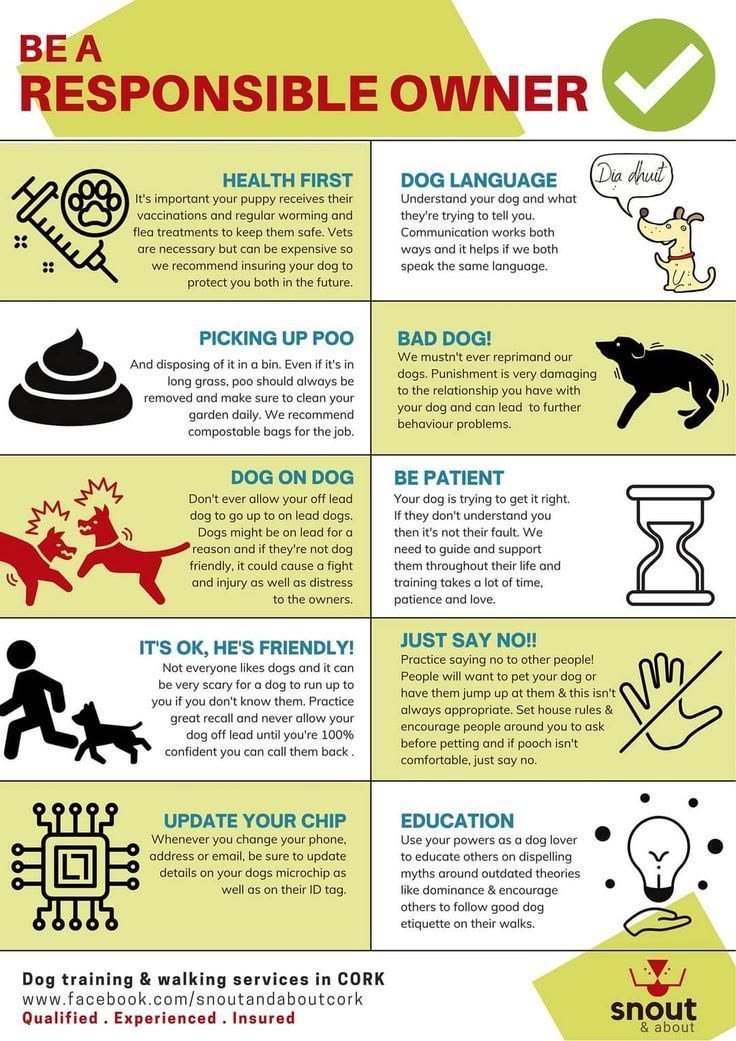
You can tell if your dog is sick by watching for changes in behavior, appetite, energy, bathroom habits, breathing, appearance, and normal daily routines. Sudden or severe changes may require a veterinarian.
Across the United States, millions of households rely on dogs as family companions, which makes noticing early health changes an important part of responsible pet care. A dog cannot explain where it hurts, so owners must look for clues in body language, habits, and physical signs.
A healthy dog usually has predictable patterns for eating, drinking, sleeping, playing, and going outside. When those patterns change, it may signal a minor problem, stress, injury, infection, or a more serious medical condition. Understanding the difference between a small change and a warning sign can help owners decide what action to take.
This guide explains how to tell if your dog is sick, what symptoms deserve attention, what checks you can safely perform at home, and when professional veterinary care is needed. General observations can help you notice problems early, but they cannot replace a veterinarian’s diagnosis.
Source: animalia-life.club
Common Signs That Your Dog May Be Sick
The first step in learning how to tell if your dog is sick is knowing what is normal for your individual dog. Age, breed, activity level, and health history all affect what is considered typical. A young active dog may naturally sleep less than an older dog, while a senior dog may have slower movement without being ill.
Illness often appears as a change from your dog’s usual habits. One unusual behavior does not always mean a medical problem, but repeated changes or several symptoms together deserve closer attention.
Dogs often hide discomfort because it is part of their natural survival behavior. Small clues, such as avoiding stairs or acting less interested in family activities, can sometimes be meaningful.
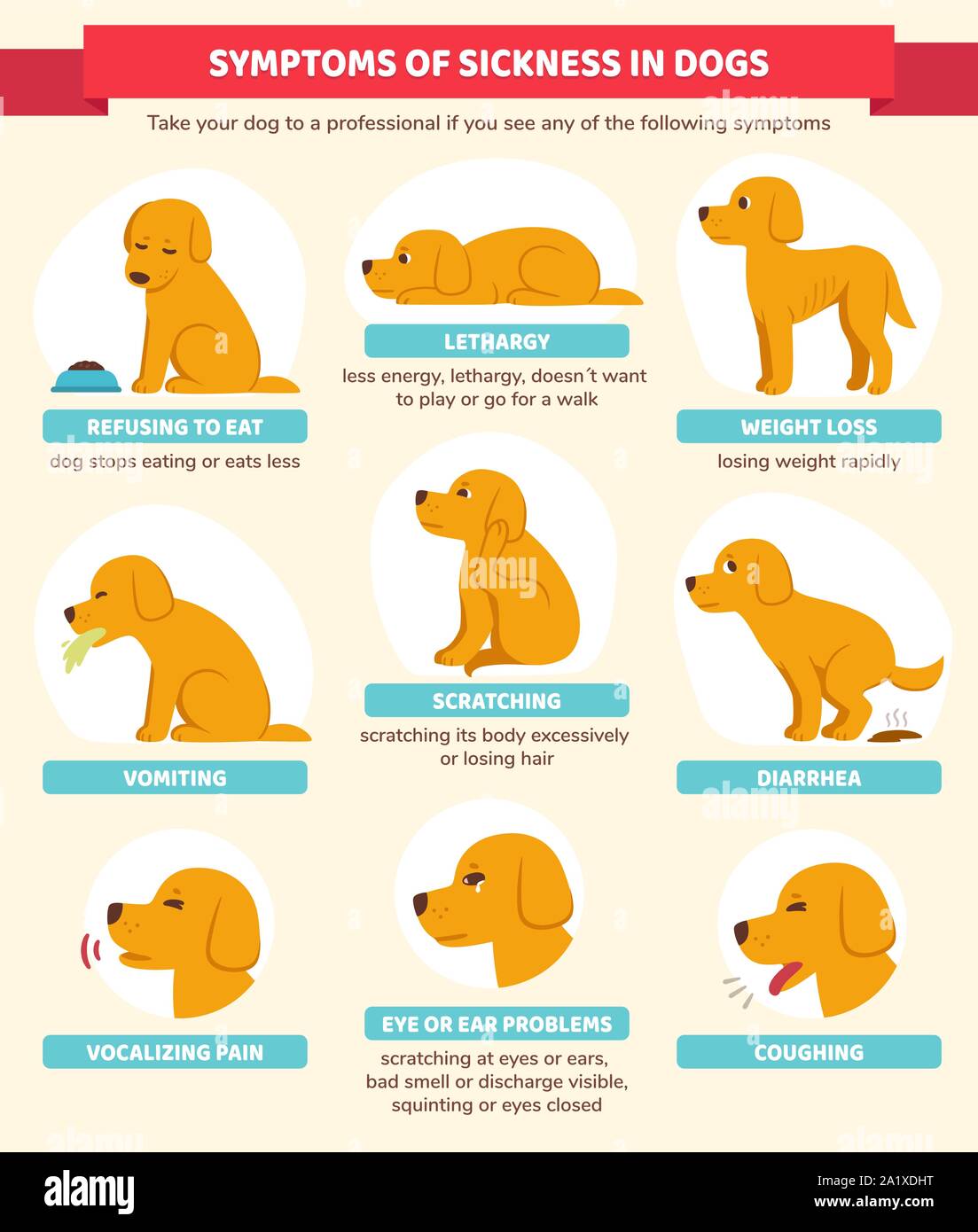
Lower energy
A dog that suddenly becomes weak, sleeps much more than normal, or avoids activities it usually enjoys may be showing a sign of illness.
Eating or drinking changes
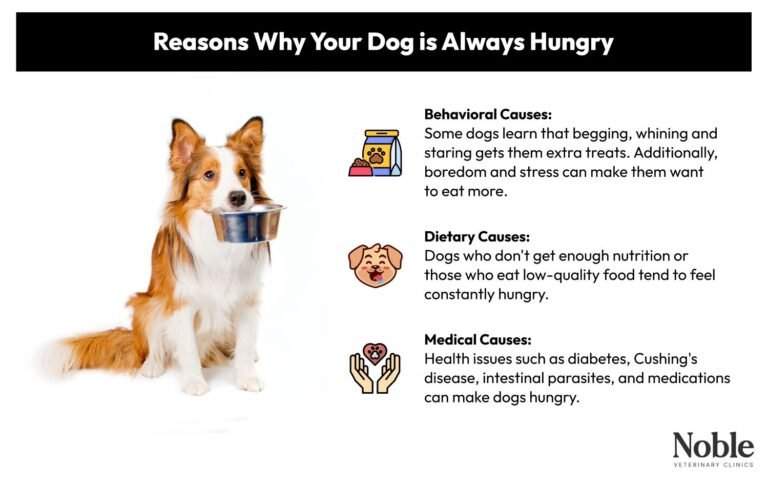
Loss of appetite, unusual hunger, increased thirst, or refusing water can be linked to different health concerns.
Behavior changes
Hiding, irritability, restlessness, unusual clinginess, or reduced interaction can indicate discomfort or stress.
Watch For Changes In Normal Daily Patterns
A useful method is to compare your dog’s current behavior with its normal routine. Ask whether the change appeared suddenly, whether it is getting worse, and whether other symptoms are present.
Routine check
Notice changes in meals, walks, sleep, play, grooming, and bathroom habits.
Physical Symptoms That Can Indicate Illness
Physical signs can provide important clues about your dog’s health. Some symptoms are mild and temporary, while others require quick attention. The meaning of a symptom depends on its severity, duration, and your dog’s overall condition.
Avoid diagnosing your dog based on one symptom alone. For example, occasional vomiting may have different causes than repeated vomiting combined with weakness or dehydration.
Source: www.pinterest.com
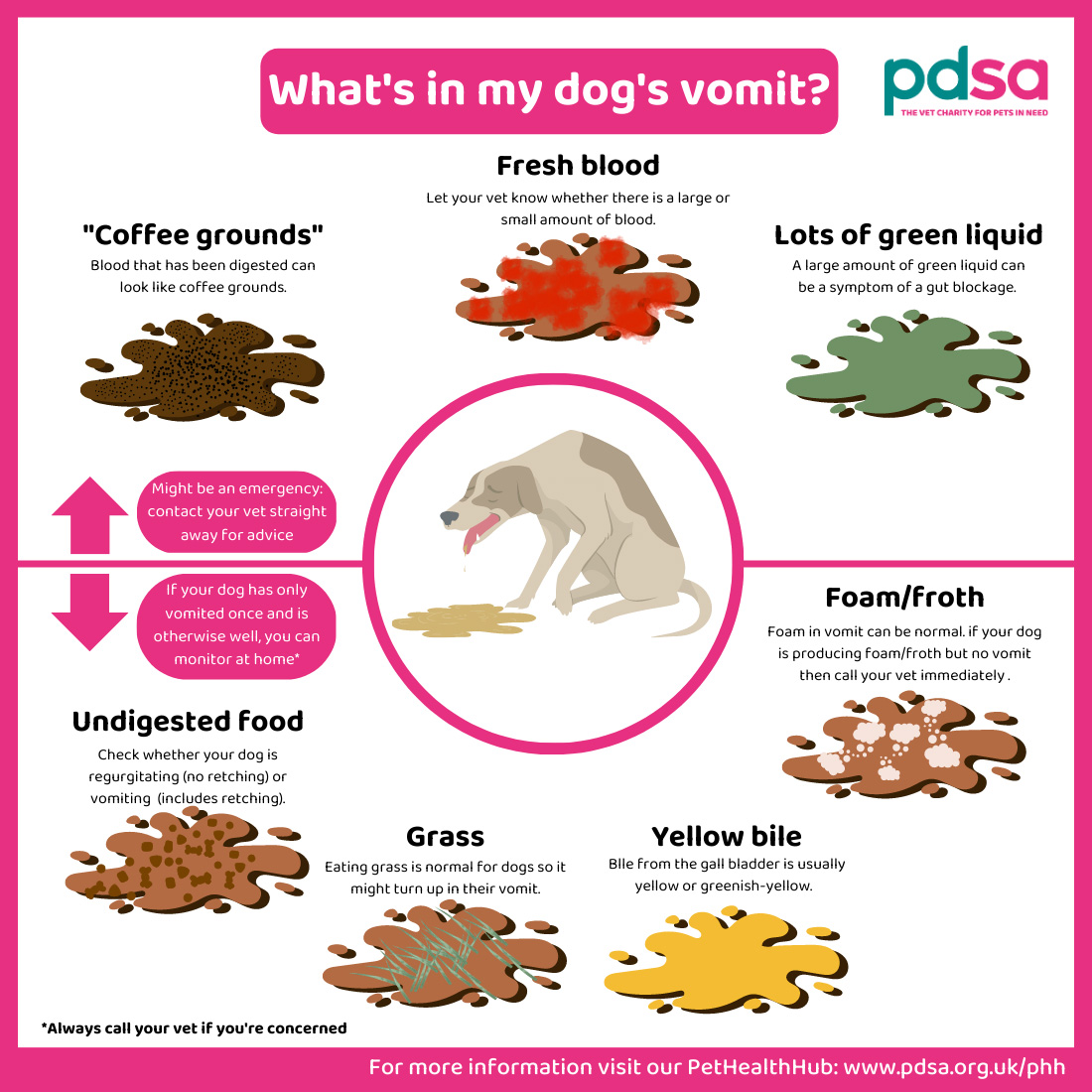
Vomiting or diarrhea
Digestive problems can happen for many reasons, including dietary changes, infections, swallowed objects, or other medical issues. Persistent symptoms should be discussed with a veterinarian.
Coughing or breathing changes
Fast breathing, difficulty breathing, repeated coughing, or unusual breathing sounds can be serious warning signs.
Skin and coat changes
Hair loss, itching, sores, lumps, redness, or a dull coat may indicate health problems that need evaluation.
Check Your Dog Safely At Home
Home checks should focus on observation, not diagnosis. Look at your dog’s eyes, ears, gums, coat, movement, and bathroom habits without causing stress or discomfort.
Look for discomfort
Notice limping, reluctance to move, shaking, unusual posture, or reactions when touched.
Observe hydration
Changes in drinking habits or signs of dehydration can require veterinary advice.
How To Decide If Your Dog Needs A Vet
The safest approach is to consider the whole picture. A mild symptom that improves quickly may only need monitoring, while a sudden or severe change may need professional care. Dogs with existing medical conditions, puppies, and senior dogs may need earlier evaluation.
Veterinary professionals use physical exams, medical history, and diagnostic tests to determine the cause of illness. Owners can support this process by recording symptoms, timing, food changes, medications, and behavior changes.
Source: animalia-life.club
Contact a veterinarian soon
Seek advice for ongoing appetite loss, repeated vomiting, persistent diarrhea, unexplained weight changes, pain signs, or major behavior changes.
Seek emergency help
Immediate care may be needed for breathing difficulty, collapse, seizures, severe injury, poisoning concerns, or uncontrolled bleeding.
Monitor mild changes
If a minor symptom appears and your dog otherwise acts normal, careful observation may help determine whether it improves or worsens.
Create A Simple Health Observation Routine
Regular observation makes it easier to recognize unusual changes. You do not need complicated equipment. Paying attention to normal habits is one of the most useful tools an owner has.
Daily habits
Notice appetite, energy, bathroom patterns, and mood.
Common Mistakes When Checking A Sick Dog
Many owners want to help quickly, but some common mistakes can delay proper care. Searching for answers online can provide general information, but symptoms alone rarely identify the exact cause of illness.
Avoid giving human medicine unless a veterinarian specifically instructs you to do so. Some medications that are safe for people can be dangerous for dogs.
Source: www.youtube.com > Dog Psychology 101
Waiting too long
Ignoring worsening symptoms because a dog still has moments of normal behavior can allow some problems to progress.
Using only one symptom
A single sign often has many possible causes, so consider the full situation.
Forcing food or water
If a dog is very sick, forcing intake may create additional risks. Ask a veterinarian for guidance.
Keep A Record Before A Veterinary Visit
A short record can help a veterinarian understand what changed. Write down when symptoms started, how often they happen, and any recent changes in food, environment, activity, or exposure.
Useful information
Include symptoms, timing, appetite, water intake, medications, and unusual events.
Special Situations That Need Extra Attention
Some dogs need closer monitoring because their bodies and health needs are different. Puppies, older dogs, pregnant dogs, and dogs with chronic conditions may show illness differently or become affected more quickly.
Breed and size can also influence health risks, but every dog is an individual. Owners should focus on their dog’s normal condition rather than comparing them with another dog.
Source: ar.inspiredpencil.com
Puppies
Young dogs can become dehydrated or weak quickly, so unusual symptoms should be taken seriously.
Senior dogs
Changes in movement, appetite, sleep, or behavior may need evaluation because older dogs often have different health concerns.
Dogs with existing conditions
A new symptom may affect an ongoing condition or medication plan.
Know Your Dog’s Normal Baseline
The best way to recognize sickness is to know what healthy looks like for your dog. Normal appetite, normal energy, and normal behavior create a baseline for comparison.
Healthy comparison
Changes are easier to identify when you understand your dog’s usual habits.
Frequently Asked Questions
Q
What is the first sign that a dog is sick?
The first sign is often a change from normal behavior. Reduced energy, appetite changes, hiding, unusual restlessness, or changes in bathroom habits may be early clues.
Q
How can I tell if my dog is sick or just tired?
A tired dog usually returns to normal after rest. A sick dog may continue showing unusual behavior, lose interest in normal activities, or develop other symptoms.
Q
Should I take my dog to the vet for vomiting?
Occasional vomiting can happen for different reasons, but repeated vomiting, weakness, blood, pain, dehydration signs, or other concerning symptoms should be discussed with a veterinarian.
Q
Can a dog be sick without obvious symptoms?
Yes. Some health problems develop quietly. Regular veterinary checkups and awareness of small behavior changes can help identify concerns earlier.
Q
What should I do if I think my dog is sick?
Observe your dog carefully, record symptoms, avoid unsafe home treatments, and contact a veterinarian when symptoms are persistent, severe, or unusual.
✦ Wrapping Up
Conclusion
Learning how to tell if your dog is sick starts with knowing your dog’s normal behavior and noticing meaningful changes. Appetite, energy, movement, breathing, bathroom habits, and mood can all provide clues.
Home observation is useful, but it has limits. A veterinarian is the right source for diagnosis and treatment decisions, especially when symptoms are severe, sudden, or getting worse.
💡 Key Takeaway
Spend a few minutes each day noticing your dog’s normal habits. Early awareness can help you recognize problems sooner and seek the right care when your dog needs it.