Why Do Humans Like Dogs So Much: Science Explained
Humans in the United States like dogs so much because dogs fit deeply into how people live, feel, and connect. Dogs offer companionship, routine, physical affection, social support, and a relationship that often feels simple, loyal, and rewarding. In plain terms: dogs meet emotional needs that many Americans still want, and they do it in a way that is easy to understand and hard to resist.
That bond is not random. Research in psychology, neuroscience, and animal behavior suggests that dogs trigger caregiving instincts, reduce stress for many people, and reinforce positive social behavior. In U.S. households, dogs also fit modern life well because they are familiar, family-oriented, and widely accepted as companions, protectors, and even helpers.
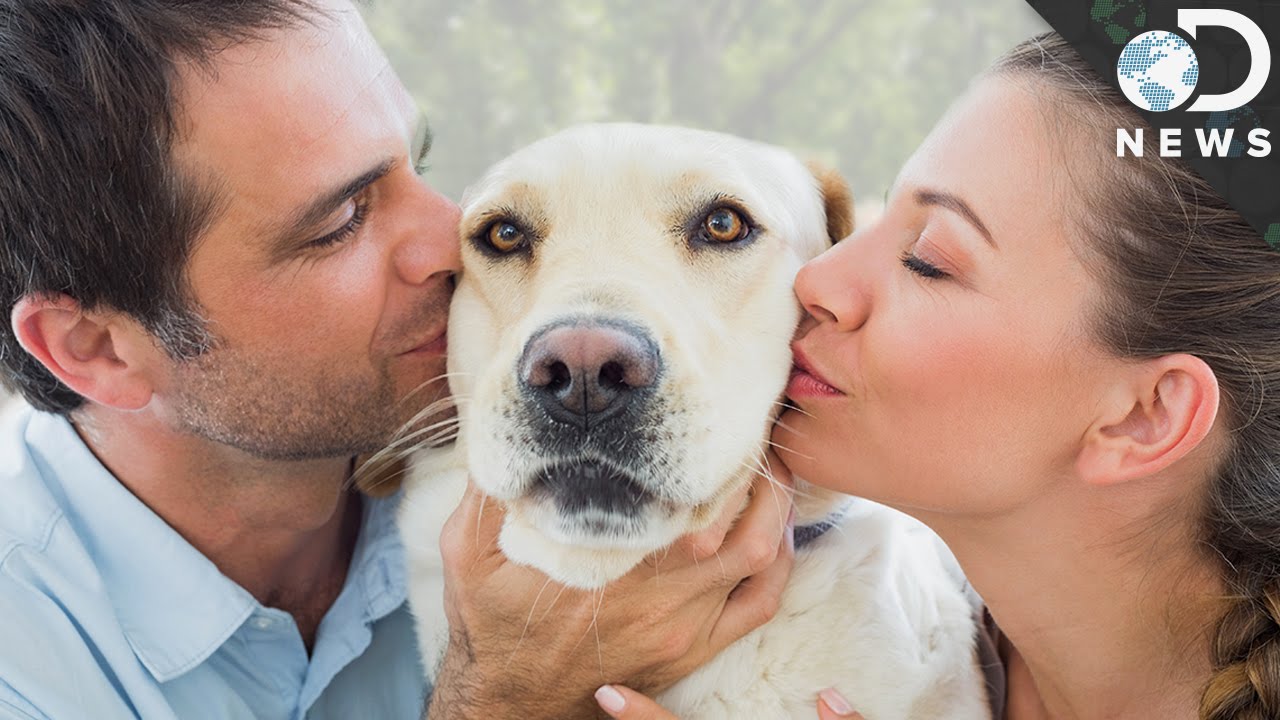
The short answer: dogs give people emotional, social, and practical benefits
Dogs are loved because they provide benefits that humans can feel quickly and often every day. They can make people feel less lonely, help build routine, encourage exercise, and create moments of joy through eye contact, play, and touch. Those rewards matter in American life, where many people live busy, isolated, or screen-heavy routines.
Dogs also give people a relationship that is steady and readable. A dog usually shows affection directly and without complicated social rules. That makes the bond feel safe, clear, and emotionally easy for many adults and children.
What makes dogs different from many other animals
Dogs evolved alongside humans for thousands of years, and that long partnership matters. Unlike many pets, dogs are highly responsive to human cues such as tone of voice, pointing, and facial expression. They are also social animals that often seem eager to cooperate.
That combination makes dogs feel less like background animals and more like social partners. People are not just observing dogs; they are interacting with them in a mutual way.
Why the human-dog bond feels so strong
The bond feels strong because dogs activate several systems in the human brain and body at once. People may feel comfort, trust, and attachment around dogs, and those feelings can be reinforced by repeated daily contact. Over time, the dog becomes part of the household’s emotional structure.
Dogs also provide what psychologists call nonjudgmental companionship. Many people experience that as a relief. A dog does not care about your job title, your mistakes, or your social status.
Dogs support attachment and caregiving instincts
Humans are built to respond to faces, eyes, movement, and need. Dogs display many signals that fit those human response systems. Puppies especially can trigger caregiving because they are small, expressive, and dependent.
Adult dogs can do this too. Their body language often invites touch, attention, and protection, which helps strengthen attachment. For many owners, caring for a dog feels meaningful because the relationship is reciprocal.
Dogs help reduce loneliness
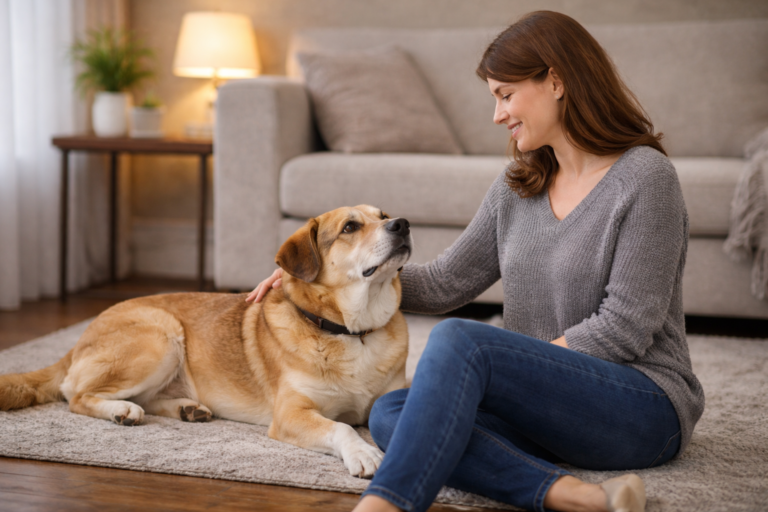
Dogs can ease loneliness because they create presence. A dog is there in the room, on the walk, and in the routine of the day. That can matter a lot for people who live alone or feel socially disconnected.
This does not mean a dog replaces human relationships. It means a dog can supplement them. In practice, that support may lower the emotional pressure of being alone.
Dogs create routine, and routine feels stabilizing
Dogs need feeding, walking, grooming, and attention. Those needs create structure. For many people, that structure is helpful because it gives the day a dependable rhythm.
Routine can improve how a person feels simply by reducing drift. A dog gives people a reason to get up, go outside, and stay engaged. That practical effect is one reason dog ownership often feels so rewarding.
Why dogs are easier for many people to love than other animals
Dogs are easier for many people to love because they are expressive and responsive. Their emotions are often obvious in their posture, ears, tail, and behavior. People do not have to guess as much about what a dog wants.
Dogs also tend to bond closely with humans. Many cat lovers would disagree with the idea that dogs are the only affectionate pets, but dogs often signal attachment in a more outward and socially active way. That difference matters to many people.
Dogs are highly social animals
Dogs are pack-oriented by nature, and domestic life often channels that trait into human families. They seek contact, inclusion, and feedback. That makes them feel like members of the group rather than independent house animals.
This social style fits human households well. Families often want a pet that reacts to people, joins activities, and responds to attention. Dogs do that better than many other animals.
Dogs are good at reading humans
Many dogs are skilled at following human gestures and learning human routines. They notice doors, leashes, shoes, mealtimes, and tone of voice. That makes them feel intuitive to live with.
People usually like animals that seem to “get” them. Dogs often do, at least enough to create that feeling. Even a small shared routine can make the relationship feel personal.
The role of biology: why dogs feel rewarding
Dogs may feel rewarding because human biology responds well to social bonding. Positive interaction with a dog can be calming, and in some people it can support a sense of safety and connection. Touch, eye contact, and play can all strengthen that effect.
This is one reason petting a dog can feel so good. The body is reacting not just to softness or warmth, but to a social bond that the brain recognizes as meaningful.
Oxytocin may help explain the bond
Oxytocin is a hormone involved in bonding and trust. Human-dog interaction has been associated in research with oxytocin changes in both species, especially during positive contact such as petting and mutual gaze. The important point is not that oxytocin explains everything, but that it may help reinforce the comfort people feel around dogs.
That helps explain why the bond can grow stronger over time. Repeated positive contact teaches the brain that dogs are safe, rewarding partners.
Stress may feel lower around dogs
Many people report feeling calmer with a dog nearby. Some research supports that pet interaction can be associated with lower stress responses, though the size of the effect can vary by person, setting, and relationship quality. A beloved family dog may help more than a strange dog in a noisy place.
In practical terms, dogs can act like emotional anchors. Their presence can shift attention away from worry and toward the present moment.
Why dogs fit American life especially well
Dogs fit American life because they work well in homes, suburbs, apartments, and family settings. They also fit a culture that values loyalty, companionship, and outdoor activity. In many U.S. communities, dogs are part of daily life in a very visible way.
Dogs also connect people socially. Walking a dog can spark conversation with neighbors, and dog parks can create casual community ties. That matters in a country where many adults say they want connection but struggle to find it.
Dogs encourage movement and outdoor time
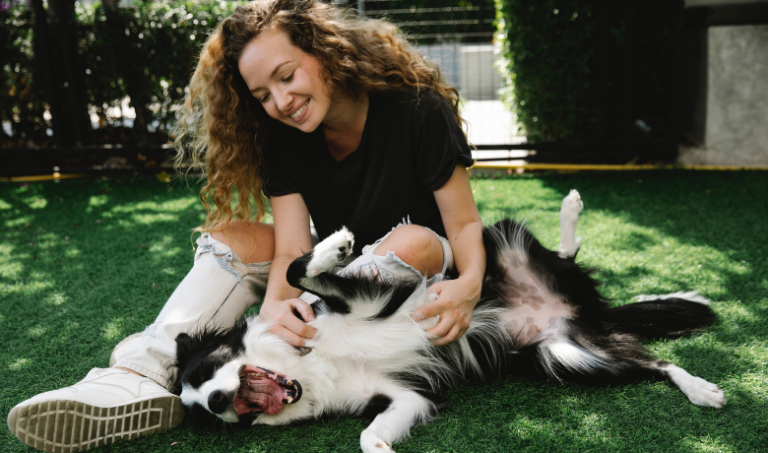
A dog often gets people outside more than they otherwise would go. Walks, fetch, and playtime add light physical activity to the day. For many owners, that is a major practical benefit.
This is one reason dogs are so common in family routines. They create shared activity instead of passive entertainment. People often like that because it feels active and wholesome.
Dogs feel family-like
Many Americans do not treat dogs as accessories. They treat them as family members. That is not just sentiment; it reflects the way dogs are woven into birthdays, holidays, travel planning, and everyday household decisions.
When a dog is part of family life, affection deepens naturally. The dog becomes tied to memory, routine, and identity.
Why puppy behavior is so irresistible
Puppies are especially easy to love because they trigger caretaking responses. Their small bodies, round features, and clumsy movements can make them seem vulnerable and adorable. Human beings are strongly wired to notice and protect young creatures.
That response is powerful because it combines tenderness and reward. People often smile, soften their voice, and want to help. Puppies can make the bond with dogs begin quickly.
Cute features matter, but so does behavior
Cute appearance gets attention, but behavior seals the bond. Puppies bounce, follow, explore, and seek reassurance. That creates a feedback loop where people want to respond, guide, and protect.
The result is emotional attachment. What starts as “that puppy is adorable” often becomes “this dog feels like mine.”
Common reasons people say they love dogs
People usually give a mix of emotional and practical answers when asked why they like dogs. The reasons are often simple, but together they are powerful.
| Reason people like dogs | What it means in real life | Why it matters |
|---|---|---|
| Loyalty | Dogs often stay close and attentive | Builds trust and attachment |
| Affection | Dogs seek touch and attention | Feels warm and rewarding |
| Routine | Dogs need regular care | Creates structure in daily life |
| Play | Dogs invite games and movement | Makes time feel fun and active |
| Social support | Dogs reduce loneliness for many people | Helps emotional well-being |
| Family role | Dogs are treated as household members | Deepens long-term bond |
These reasons overlap. A dog that offers affection and routine can become more important than one that offers only play or only companionship.
When the bond is strongest
The bond is usually strongest when a dog’s personality fits the person’s lifestyle. A calm dog may suit a quiet home. A playful, high-energy dog may suit an active owner who enjoys outdoor time.
The relationship also grows stronger when care is consistent. Feeding, training, grooming, and positive play build trust over time. Dogs are not loved only for being cute; they are loved for becoming part of a shared life.
Early experiences matter
Many people first loved dogs as children. A family dog can shape a person’s idea of comfort, safety, and companionship. Those early memories often last for decades.
That is one reason dog affection can feel so personal. The feeling is not just about the animal in front of the person now. It is also about memory.
Limits and exceptions: not everyone likes dogs, and that is normal
Not everyone likes dogs, and that is completely normal. Some people fear dogs, dislike noise, have allergies, or simply prefer quieter pets. Others may have had a bad experience with an aggressive or poorly trained dog.
Even people who love dogs do not love every dog. Size, energy level, training, and behavior all matter. A barking, jumping, or poorly managed dog can quickly change how someone feels.
Cultural and personal differences matter
Attitudes toward dogs vary by upbringing, culture, and personal experience. In some households, dogs are central family members. In others, they are kept outside the home or avoided altogether.
That variation helps explain why the question is interesting. The love of dogs is widespread, but it is not universal, and the reasons are not the same for everyone.
What dog lovers often misunderstand
One common mistake is assuming the bond is only about cuteness. Cuteness helps, but it is not the full explanation. The deeper reasons involve attachment, routine, responsiveness, and shared life.
Another mistake is assuming dogs are emotionally effortless. Dogs require training, exercise, and care. People may love them partly because that effort pays back in a strong, visible relationship.
Dogs are rewarding, but they are also a responsibility
The best dog relationships usually depend on good care. A healthy, well-trained dog is easier to enjoy and easier to live with. Neglect, stress, or fear can damage the bond.
That is why the human-dog relationship works best when the human side is consistent. Love alone is not enough; dogs need guidance and structure too.
Frequently asked questions
Why do dogs make people feel happy?
Dogs often make people feel happy because they combine affection, play, and presence. They offer immediate social feedback and can shift attention away from stress. For many people, that creates a fast emotional lift.
Are humans biologically wired to like dogs?
Humans are not born loving every dog, but people do seem biologically prepared to respond to social cues that dogs use well. Eye contact, movement, and affiliative behavior can all trigger bonding. Over time, experience strengthens that response.
Why do dogs bond so closely with humans?
Dogs have lived alongside humans for a very long time and have adapted to human social life. They read cues, seek cooperation, and respond to attention. That makes the human-dog relationship unusually strong among animal bonds.
Do dogs really help with stress?
For many people, yes, dogs can help with stress. Petting, walking, and being near a dog may reduce tension and improve mood. The effect varies, though, and a stressful dog environment can have the opposite result.
Why are dogs more popular than many other pets?
Dogs are popular because they are interactive, affectionate, and highly integrated into family life. They offer companionship in a way many people find direct and meaningful. They also fit common routines like walking, playing, and spending time together.
Conclusion: dogs meet deep human needs
Humans like dogs so much because dogs satisfy emotional, social, and practical needs at the same time. They offer companionship, routine, physical affection, and a relationship that feels loyal and clear. In the United States, where many people want connection but live busy, fragmented lives, dogs often fill an important gap.
That is the heart of the bond. Dogs are not just pets. For many Americans, they are trusted companions, steady routines, and a simple form of connection that feels good to live with every day.