Why Do Humans Find Dogs Cute: The Science Explained
Humans in the United States often find dogs cute because dogs display traits that our brains read as infant-like, friendly, and safe. Rounded faces, big eyes, floppy ears, playful behavior, and social signals all trigger fast emotional responses that make dogs feel appealing almost immediately. In simple terms, dogs can look and act in ways that activate caregiving and reward systems in the human brain.
That reaction is not random. It comes from a mix of evolution, psychology, and learned experience. Many people also connect dogs with companionship, loyalty, and family life, which strengthens the feeling of cuteness beyond appearance alone.

The short answer: dogs look and act in ways the human brain likes
Humans find dogs cute because dogs often match the body shapes, facial expressions, and behaviors that people are wired to respond to positively. The strongest effect comes from a pattern often called the “baby schema” or kindchenschema: large eyes, round faces, small noses, and soft features tend to draw attention and affection.
Dogs also move in ways that feel approachable. A wagging tail, tilted head, relaxed mouth, and playful bounce signal that the dog is not a threat. For many people, that combination of appearance and behavior creates an immediate “I want to pet that” response.
This reaction is especially strong in the United States, where dogs are widely treated as family companions and are common in homes, parks, workplaces, and social media. Repeated exposure can make cute dog cues feel even more rewarding because the brain learns to pair dogs with comfort and positive experiences.
What makes a dog look cute to humans?
Dogs often have features that resemble those humans already find appealing in babies and young animals. A large head relative to the body, short muzzle, round cheeks, and expressive eyes can all increase perceived cuteness. Smaller breeds may trigger this effect more strongly, but many larger dogs do too when they show gentle facial expressions.
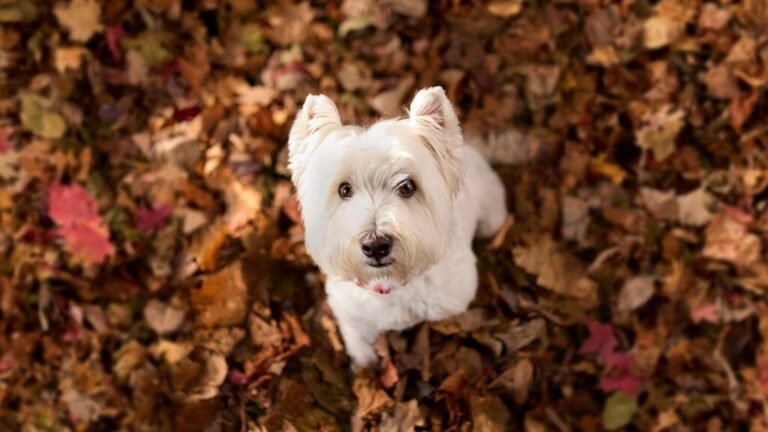
Soft fur can also matter. Many people associate fluffiness with warmth, safety, and touchability, which adds to the appeal. Ears that flop, fold, or move dramatically often make dogs seem more expressive and emotionally readable.
The table below shows common dog traits and why they tend to feel cute:
| Dog trait | Why humans often find it cute | Practical effect |
|---|---|---|
| Large eyes | Looks infant-like | Increases attention and tenderness |
| Round face | Feels soft and non-threatening | Makes the dog seem approachable |
| Floppy ears | Adds motion and expressiveness | Makes emotions easier to read |
| Small nose or short snout | Matches baby-like proportions | Strengthens caregiving response |
| Soft fur | Suggests warmth and touchability | Encourages affection |
| Compact body | Looks harmless and vulnerable | Triggers protective feelings |
Not every dog needs all of these traits to seem cute. Breed, age, expression, and even coat texture can change the effect. A wrinkled bulldog, a fluffy retriever, and a tiny Chihuahua may all feel cute for different reasons.
Why the human brain reacts so quickly
The brain does not wait for a long analysis before deciding a dog is cute. Visual cues are processed quickly, and the emotional response often comes first. That speed helps explain why people may smile, soften their voice, or reach for a dog before they have even thought about it.
Researchers often connect this response to reward and caregiving systems in the brain. When something looks vulnerable and friendly, people may feel a small urge to protect it. In many cases, that urge is reinforced by dopamine-linked reward signals that make the interaction feel good.
This is useful from an evolutionary standpoint. Humans who responded to infant-like cues may have been more likely to care for young children and other vulnerable creatures. Dogs, especially those with youthful features, can tap into the same mental machinery.
Why dogs can seem cuter than other animals
Dogs stand out because they combine cuteness with social behavior. A rabbit may look cute, but a dog can also make eye contact, follow people, respond to voice, and show excitement at being near humans. That social connection makes the cuteness feel more personal.
Dogs also evolved alongside people. Thousands of years of domestication shaped dogs to live near humans and respond to human cues. Over time, people became better at reading dogs, and dogs became better at reading people.
That mutual understanding matters. A dog that leans in, wags, or watches a person closely does not just look cute. It seems emotionally engaged. That feeling of connection often intensifies the cuteness response.
How behavior changes the cuteness response
Behavior can be just as important as appearance. A dog that rolls over, paws gently, or tilts its head often seems more adorable than a dog sitting still. These movements look expressive and easy to interpret.
Play behavior is especially powerful. When a puppy chases a toy, trips over its own feet, or bounces toward a person, the clumsiness makes it seem young and harmless. Humans often respond strongly to that kind of awkward energy because it suggests innocence and dependability.
Social signals also matter:
- Tail wagging can read as happiness or friendliness.
- Head tilting can look curious and attentive.
- Relaxed body posture makes the dog seem safe.
- Puppy-like clumsiness can make the dog seem especially vulnerable.
Of course, behavior can also reduce cuteness if it signals stress, fear, or aggression. A stiff body, hard stare, tucked tail, or growl changes the human response quickly. Cuteness depends on both the dog and the context.
The role of puppy features
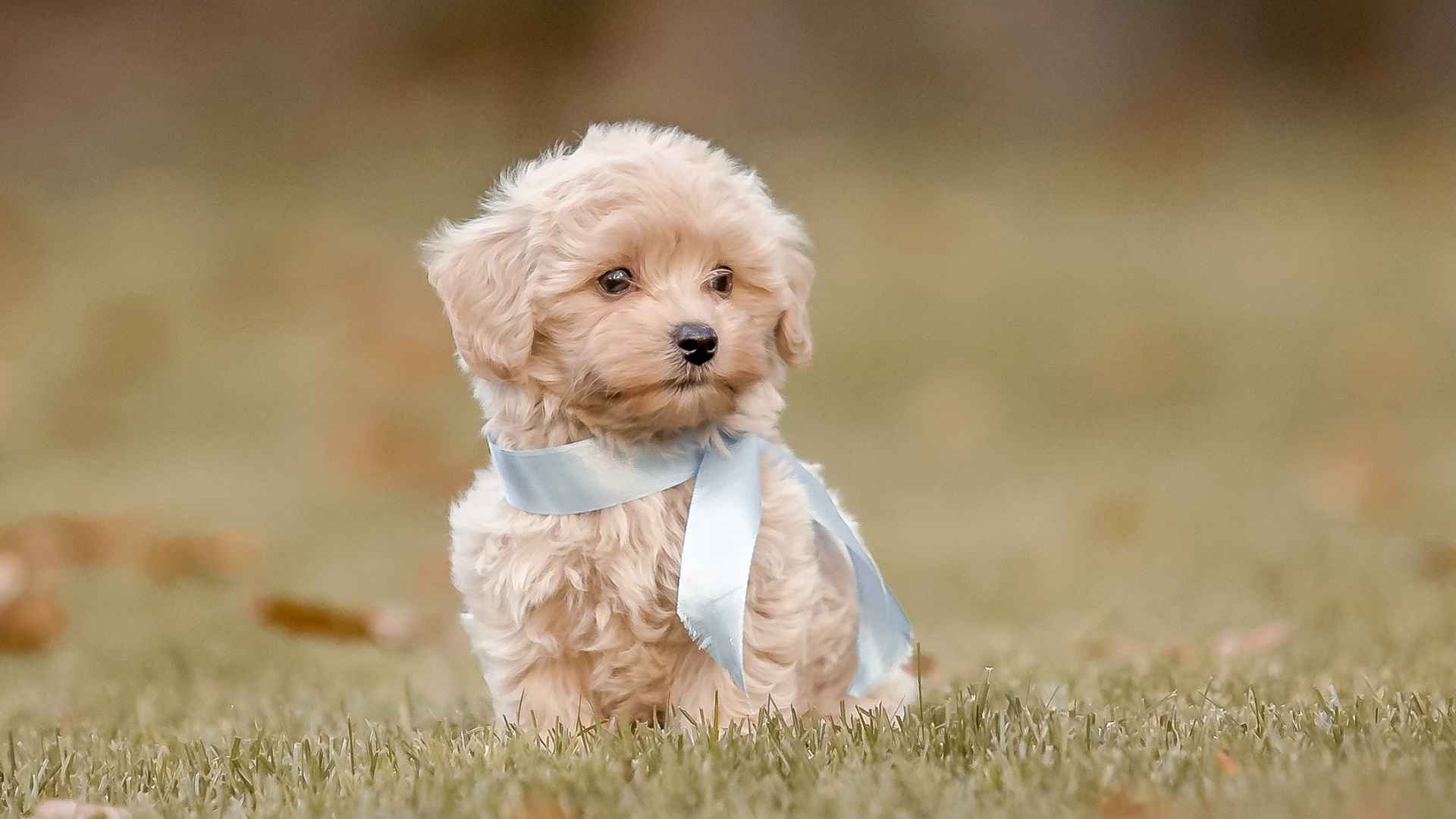
Puppies trigger the strongest cuteness response for many people. Their faces are smaller, their eyes seem larger, and their movements are often unsteady. These are classic infant cues, and humans are highly sensitive to them.
Puppies also make a strong impression because they are visibly dependent. They sleep a lot, seek comfort, and need guidance. That dependence tends to activate nurturing instincts in adults.
There is a practical reason puppies are so powerful emotionally: they are at the intersection of appearance and behavior. They look baby-like and act baby-like at the same time. That combination is hard for many people to ignore.
Why culture in the United States matters
In the United States, dogs are not just animals in the background of daily life. They are often treated as family members, emotional support, hiking partners, travel companions, and social media stars. That cultural framing reinforces the idea that dogs are lovable and cute.
American media also plays a role. Advertisements, movies, and online videos often show dogs as funny, loyal, or comforting. Repeated exposure teaches people to expect positive feelings around dogs, which can amplify the cuteness response.
Personal experience matters too. Someone who grew up with dogs may find them cute because dogs are linked to safety, play, and home. Someone who has had a bad experience may react differently. Cuteness is real, but it is also shaped by memory.
What does not make a dog cute for everyone?
Not everyone finds the same dogs cute. People differ in what they like based on breed preference, past experience, allergies, fear, and culture. A dog’s size, bark, energy level, or face shape may be appealing to one person and overwhelming to another.
Some people prefer fluffy dogs with rounded features. Others like sleek, athletic dogs with alert faces. Some people find giant breeds cute because they seem gentle and goofy, while others prefer tiny dogs because they seem baby-like.
That variation is normal. The cuteness response is common, but it is not universal. It is better understood as a tendency than a rule.
Common reasons a dog may seem less cute to some people
- The dog is too energetic or loud.
- The breed looks too unfamiliar or intimidating.
- The person has had a negative dog experience.
- The dog is muddy, wet, or visibly anxious.
- The person simply prefers cats, birds, or other animals.
Is dog cuteness just about looks?
No. Looks matter, but they are only part of the answer. The strongest feeling often comes from the mix of appearance, movement, and social interaction. A dog that looks cute but ignores people may not create the same reaction as a dog that actively seeks attention.
Humans tend to enjoy animals that seem emotionally available. Dogs are especially good at this because they look back, follow cues, and respond to tone of voice. That interaction makes cuteness feel alive rather than static.
So the answer is not just “dogs are cute because they are fluffy.” It is more accurate to say that dogs combine infant-like features with social behavior that humans are built to notice and enjoy.
What this means in everyday life
Understanding why humans find dogs cute helps explain why dog videos spread so easily, why people spend money on dog toys and clothes, and why dogs often become part of family identity. The emotional response is real, and it has practical effects on behavior.
It also helps explain why dog owners often talk to their pets in a special voice, use baby names, or treat small gestures as meaningful. People are responding to a mix of instinct and relationship. That is why a simple dog glance can feel surprisingly powerful.
If you want the shortest answer, it is this: humans find dogs cute because dogs combine baby-like features, friendly behavior, and social signals that activate caregiving and reward responses in the brain.
FAQs
Why do dogs make people smile?
Dogs often make people smile because their faces and actions signal friendliness, play, and low threat. The brain tends to respond with warmth when it sees cues that look vulnerable or affectionate.
Are puppies cuter than adult dogs?
Many people think puppies are cuter because they have stronger baby-like features and more clumsy behavior. Adult dogs can still seem very cute, especially when they are playful or expressive.
Why do people talk to dogs like babies?
People often use baby talk with dogs because dog cuteness activates caregiving instincts. A softer voice can also help create calm, positive interaction.
Do all humans find dogs cute?
No. Many people do, but not everyone. Personal history, fear, allergies, and taste all affect how a person responds to dogs.
Why do some dog breeds seem cuter than others?
Breed differences in face shape, fur, ear type, and body size affect perceived cuteness. Still, individual expression and behavior can matter just as much as breed.
Conclusion
Humans find dogs cute because dogs line up with deep human responses to infant-like features, friendly behavior, and emotional connection. In the United States, where dogs are often treated as family, that response is reinforced every day through homes, media, and social life. The result is a powerful mix of biology and experience that makes dogs feel lovable almost instantly.
If you want, I can also turn this into a shorter blog post, add schema-friendly FAQs, or optimize it for a specific keyword set.