Why Does My Dog Run Sideways? Causes, Normal Behavior, and When to Worry
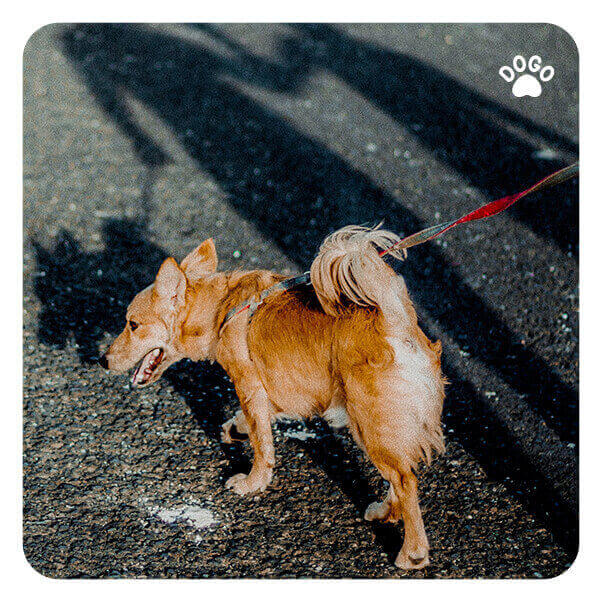
If you ask, “why does my dog run sideways,” you are not alone. Many dog owners notice this odd-looking movement during a run, a game of fetch, or a burst of zoomies. Some dogs seem to move forward while their body points at an angle. This is often called **crabbing** or a sideways gait.
In many cases, the movement is linked to speed, play, excitement, or body mechanics. A dog may shift its body to help the legs work together while turning or running fast. Still, the context matters. If your dog has always moved this way during hard play and acts normal at other times, it is less concerning than a dog that suddenly starts walking sideways.
This guide explains why dogs run sideways, how to tell normal movement from a possible health problem, and what you can do at home. It also covers signs that mean you should call your veterinarian.
Why Does My Dog Run Sideways?
The most common reason a dog runs sideways is **body coordination during fast movement**. When a dog speeds up, turns, or changes direction, its front and rear legs do not always move in a straight line. The dog may angle its body to keep moving with less effort.
Some dogs also show this movement when they are excited. A dog chasing a toy in the backyard may run forward with its body turned slightly to one side. This can look strange, but it can be a normal part of play.
Breed and body shape can also affect how a dog runs. Long-backed dogs, dogs with short legs, and dogs with certain body builds may look more sideways when they move quickly. The key is to compare the movement with your dog’s normal gait.

- ✦ Fast running
A dog may angle its body while moving at high speed. This can help it coordinate its legs during a sprint or sharp turn.
- ✦ Play and excitement
Excited dogs may use unusual body movements during zoomies, chasing, wrestling, or games of fetch.
- ✦ Body structure
A dog’s frame, leg length, back length, and natural gait can affect how sideways it looks while running.
- ✦ Turning
Dogs often shift their body when they change direction. A sideways-looking run may simply be part of that movement.
What Is Dog Crabbing?
Crabbing is a term used to describe a dog that moves forward while its body appears angled to one side. The front end and rear end may not seem to follow the same straight path. This is easiest to notice when the dog trots or runs.
A small amount of crabbing can occur in healthy dogs. It becomes more important when the movement is new, gets worse, happens at slow speeds, or comes with pain or weakness.
- ✦ During a run
The dog may angle its body while still moving in the direction it wants to go.
- ✦ During a walk
Sideways movement at a slow pace deserves more attention, especially if it is new.
Why Dogs Run Sideways During Play and Zoomies
If your dog only runs sideways during play, the movement may be part of normal excitement. Dogs often make quick turns, leap, twist, and change speed when they are having fun. These movements can look dramatic when a dog races around a yard or living room.
A dog may also run sideways when trying to keep its eyes on a person, toy, or another dog. It can move forward while keeping its body ready to turn. This is common during chase games and playful greetings.
You may notice the same behavior after a walk, when you return home, or when your dog gets a favorite toy. If your dog quickly returns to a normal walk and shows no signs of pain, the sideways run is usually less concerning.

- ✦ Zoomies
Short bursts of fast running can include twisting, hopping, and sideways movement.
- ✦ Chasing a toy
A dog may angle its body so it can track a toy while preparing to turn.
- ✦ Play with another dog
Dogs may move sideways during play as they dodge, chase, or invite another dog to keep playing.
- ✦ Excited greetings
Some dogs use loose, bouncy, sideways body movements when they greet people they like.
When Sideways Running Looks Normal
Look at what happens before and after the sideways movement. If your dog runs normally at other times, puts weight on all four legs, eats and acts normally, and shows no pain, the behavior may simply be part of its running style.
A useful test is to watch your dog walk slowly on a flat surface. Compare the walk with older videos if you have them. A stable pattern that has been present for a long time is different from a sudden change.
- ✦ Normal behavior
The dog moves normally at slower speeds and shows no pain or weakness.
- ✦ Short episodes
The sideways movement happens mainly during play, running, or excitement.
Could My Dog Be Running Sideways Because of Pain?
Yes. Pain can change the way a dog moves. A dog may shift its weight to avoid putting pressure on a sore paw, leg, hip, back, or other area. This can make the body look uneven or sideways.
The change may be easy to miss. Some dogs hide pain well. Instead of crying, they may simply move less, shorten their stride, avoid stairs, or change the way they stand.
If you are wondering why does my dog run sideways and the behavior started suddenly, pain should be considered. A veterinarian can check the dog’s joints, muscles, bones, paws, and nervous system to find the cause.

- ✦ Limping
A limp or uneven step may show that one leg hurts.
- ✦ Short steps
A dog may shorten its stride to reduce stress on a painful area.
- ✦ Avoiding movement
Dogs with pain may avoid stairs, jumping, running, or getting into the car.
- ✦ Pain signals
Whining, licking one area, guarding a body part, or reacting when touched can point to discomfort.
Common Pain-Related Causes
A sore paw can alter a dog’s gait. So can a muscle strain, joint problem, or injury. Older dogs may also develop joint disease that changes how they walk and run.
Do not try to diagnose the exact cause from the gait alone. Several problems can look alike. A veterinary exam is the safest way to tell whether pain is involved.
- ✦ Paw or nail injury
A torn nail, cut paw pad, or object stuck between the toes can change a dog’s stride.
- ✦ Muscle strain
A hard run or sudden turn can strain a muscle and lead to an uneven gait.
- ✦ Joint pain
Pain in a hip, knee, elbow, or other joint can cause a dog to shift weight.
Balance and Neurologic Problems Can Also Cause Sideways Walking
A dog that walks sideways all the time may have more than a simple running habit. Problems that affect balance or the nervous system can cause unusual movement. These issues need more care than normal playful crabbing.
Balance problems may make a dog sway, stumble, circle, lean, or fall. Some dogs also show a head tilt or unusual eye movements. These signs can occur with problems affecting the inner ear or parts of the nervous system.
If your dog suddenly cannot walk normally, falls, seems confused, has a strong head tilt, or has other sudden neurologic signs, contact a veterinarian promptly. Sudden changes deserve more attention than a lifelong running style.

- ✦ Loss of balance
Swaying, stumbling, falling, or leaning can suggest a balance problem.
- ✦ Head tilt
A new head tilt, especially with dizziness or trouble walking, needs veterinary assessment.
- ✦ Weakness
Weak legs or trouble rising can change the dog’s gait.
- ✦ Paw dragging
Dragging a paw or scuffing the nails can be a sign of a nerve or movement problem.
Why a Sudden Change Matters
The biggest clue is often the change from your dog’s normal behavior. A dog that has always run slightly sideways is different from a dog that was straight yesterday and is now struggling to walk.
Take a short video if it is safe to do so. A video can help your veterinarian see the movement as it happens, especially if your dog walks more normally at the clinic.
- ✦ Record the gait
Use a phone to record a short clip from the front, side, and rear if your dog can move safely.
- ✦ Note other signs
Write down when the change started and whether you noticed pain, weakness, vomiting, head tilt, or falls.
Why Breed, Age, and Body Shape Can Affect a Dog’s Gait
Not every sideways-looking run means something is wrong. Dogs have very different body shapes. Their back length, chest shape, leg length, muscle build, and movement style can all affect how they look while running.
Puppies can also look awkward as they learn to control growing bodies. Their movements may seem loose or uncoordinated at times. A puppy that struggles to walk, falls often, or shows pain still needs a veterinary check.
Age matters too. Older dogs may develop changes in their joints or muscles that affect their stride. If an older dog starts running or walking sideways after years of normal movement, do not assume it is simply part of aging.

- ✦ Puppies
Young dogs are still learning coordination, so their running can look clumsy or unusual.
- ✦ Adult dogs
A stable gait pattern may reflect normal body mechanics, especially during fast movement.
- ✦ Senior dogs
New gait changes in older dogs can be linked to pain, weakness, or other health problems.
- ✦ Body structure
Different body shapes can produce different-looking gaits without causing disease.
Why Your Dog May Look More Sideways When Running Fast
At higher speeds, dogs use coordinated movement from the spine, pelvis, shoulders, and legs. A slight body angle can help them turn and maintain speed. This is one reason a dog may look more sideways while sprinting than while walking.
The important question is not only how the dog looks. Ask whether the dog moves comfortably, uses all four legs, and returns to a normal gait afterward.
- ✦ Speed changes movement
Fast running can make natural body angles much easier to see.
- ✦ Turning changes posture
Dogs often lean and angle their bodies when changing direction.
How to Tell Normal Sideways Running From a Health Problem
When asking why does my dog run sideways, look at the whole pattern instead of one strange movement. A dog that runs sideways during a burst of play but walks normally afterward may have a very different issue from a dog that cannot walk straight at a slow pace.
Start by watching your dog on a safe, flat surface. Do not force your dog to run or test a painful movement. Watch how your dog stands, walks, turns, sits, rises, and climbs familiar steps if those activities are normally part of its routine.
If the change is new or getting worse, make a veterinary appointment. If severe signs appear suddenly, seek urgent veterinary care rather than waiting to see if the gait improves.

- ✦ More likely normal
The sideways movement happens during fast play, has been present for a long time, and stops when the dog slows down.
- ✦ More concerning
The dog walks sideways at slow speeds, limps, falls, seems painful, or has trouble standing.
- ✦ Sudden onset
A sudden change from a normal gait should be taken more seriously than a stable lifelong pattern.
- ✦ Getting worse
A gait that becomes more frequent or severe deserves a veterinary assessment.
A Simple Home Observation Checklist
You can gather useful information without trying to diagnose your dog. Watch from a distance and note whether the dog puts equal weight on all four legs. Look for limping, stumbling, paw dragging, stiffness, or repeated slips.
Also note when the sideways movement happens. Does it occur only during zoomies? Does it happen after exercise? Does it appear when the dog first gets up? These details can help your veterinarian understand the pattern.
- ✦ Watch at a walk
See whether the dog moves straight when walking slowly.
- ✦ Watch the transition
Notice whether the movement changes when the dog goes from walking to trotting or running.
- ✦ Check for other changes
Look for stiffness, limping, weakness, pain, falls, or changes in normal activity.
When Should You Take a Sideways-Running Dog to the Vet?
A sideways run does not always need medical care. However, a new gait change deserves attention, especially when it affects normal walking. Your veterinarian can watch the gait and perform a physical and neurologic exam when needed.
Call your veterinarian if your dog has a persistent change in gait, seems painful, limps, avoids normal activity, or has trouble getting up. Your veterinarian may recommend further tests based on the exam.
Seek urgent veterinary care for severe or sudden problems such as an inability to stand or walk, repeated falling, severe pain, major weakness, or other sudden neurologic changes. Do not give human pain medicine unless a veterinarian specifically tells you to do so, because some human medicines can be dangerous for dogs.
- ✦ Persistent sideways walking
A dog that keeps walking sideways instead of only doing it during fast play should be checked.
- ✦ Pain or limping
Pain, limping, or refusal to use a leg can point to an injury or other medical problem.
- ✦ Balance problems
Falling, severe stumbling, a new head tilt, or marked weakness needs prompt veterinary attention.
- ✦ Sudden severe change
A sudden inability to walk normally should be treated as urgent.
What Your Veterinarian May Check
A veterinary exam may include watching your dog’s walk and checking the legs, joints, spine, muscles, paws, reflexes, and balance. The exact tests depend on what the veterinarian finds.
In some cases, imaging or other tests may help find the cause. The goal is to identify whether the sideways movement comes from normal body mechanics, pain, weakness, or another problem.
- ✦ Gait
The veterinarian may watch your dog walk, trot, turn, and change direction.
- ✦ Muscles and joints
The exam can look for pain, stiffness, reduced movement, or weakness.
- ✦ Nervous system
Balance, reflexes, paw placement, and other signs may be checked when a neurologic problem is suspected.
What You Can Do If Your Dog Runs Sideways
If your dog has always run sideways during play and shows no signs of pain, you may not need to change anything. Still, give your dog a safe place to run. A secure yard or suitable dog park can reduce the risk of collisions and slips.
If the sideways movement is new, avoid intense exercise until you know what is causing it. Keep walks calm and controlled, and do not encourage sprinting, jumping, or sharp turns if your dog appears uncomfortable.
A short video can be very useful. Record the movement from more than one angle if your dog can move safely. Bring the video to your veterinary visit if the behavior does not happen there.

- ✦ Use a safe surface
Choose a stable area with enough room for your dog to turn without hitting objects.
- ✦ Avoid forced exercise
Do not make a dog run if it shows pain, weakness, or an unusual gait.
- ✦ Record the behavior
A short video can show your veterinarian exactly what you have noticed at home.
- ✦ Track changes
Note when the behavior occurs, how long it lasts, and whether other symptoms appear.
Do Not Try to Fix the Gait Yourself
It is tempting to correct a strange-looking gait with more exercise or training. That can be a mistake when pain or weakness is involved. First find out why the dog is moving that way.
Training can help with behavior-based movement, but it cannot treat an injured joint, painful paw, or neurologic problem. When the cause is unclear, a veterinary exam is the better first step.
- ✦ Do not punish the movement
The dog may not be able to control a sideways gait caused by pain or weakness.
- ✦ Do not increase exercise to test it
Extra running can make an injury worse.