Why Does My Dog Nibble On My Face: What It Means
Your dog may nibble on your face to show affection, groom you, get attention, explore a smell or taste, or repeat a habit that has been rewarded. Gentle nibbling is often normal. However, stiff body language, growling, hard bites, skin damage, or a sudden change can point to fear, stress, pain, or a bite-risk problem.
In the United States, the safest approach is to read the whole body—not just the teeth. Stop the behavior calmly, protect your face, and teach your dog another way to greet you.

What Does Face Nibbling Mean?
Face nibbling is light, repeated contact with the front teeth. It may feel like tiny pinches or quick “love bites.” It is different from a hard bite, snap, or hold.
Dogs use their mouths to explore the world. Puppies also use their mouths during play, teething, and social learning. Some adult dogs keep this habit because it gets a laugh, a word, petting, or close contact.
The same action can have different causes. Context matters more than the nibble alone.
| What you notice | Possible meaning |
|---|---|
| Loose body, soft eyes, relaxed tail | Social contact or affection |
| Nibbling during petting | Attention-seeking or grooming |
| Nibbling after exercise or play | Excitement or overarousal |
| Nibbling when you hold the dog close | Discomfort or a request for space |
| Sudden hard biting | Fear, pain, guarding, or poor bite control |
| Nibbling with licking and sniffing | Grooming or interest in scent and taste |
A dog’s behavior is not proof of a human emotion. Your dog may look loving, but the behavior can still be unsafe if the pressure increases.
The Merck Veterinary Manual describes many normal dog behaviors as social actions shaped by learning and context. That helps explain why a behavior that starts as play may later become a firm habit.

Why Does My Dog Nibble on My Face?
1. Your dog wants attention
Many dogs learn that face nibbling works. You may speak, laugh, push the dog away, or give a kiss. To a dog, all of these reactions can feel rewarding.
This is not “bad” behavior in a moral sense. It is learned behavior. If nibbling leads to attention, the dog may try it again.
2. Your dog is showing social affection
Dogs often use gentle mouth contact during close social contact. A dog may lick, sniff, or lightly nibble a familiar person as part of a greeting or bonding routine.
Still, do not assume that every face nibble means affection. A dog can seek contact and feel uneasy at the same time. Look for a loose body and easy movement.
3. Your dog is grooming you
Dogs groom members of their social group. Light licking and nibbling may be part of that pattern. Your dog may also be reacting to sweat, skin oil, food residue, lotion, or another scent on your face.
This can happen after exercise, meals, or time outdoors. A clean face may reduce the behavior if taste or scent is the trigger.
4. Your dog likes the taste or texture
salt from sweat can attract some dogs. Lip balm, face cream, food, and skin products may also encourage licking or nibbling.
Keep products with ingredients such as xylitol, essential oils, or medication away from your dog. Some human products can harm dogs if swallowed. Call your veterinarian or the ASPCA Animal Poison Control Center if your dog may have eaten a harmful product.
5. Your dog is excited or overstimulated
Excitement can reduce a dog’s self-control. A dog may nibble during greetings, rough play, couch cuddles, or when you return home.
This is common in young dogs. It can also occur in adult dogs that become highly aroused. The dog may not intend to hurt you, but an excited mouth can still cause injury.
6. Your dog is asking for space
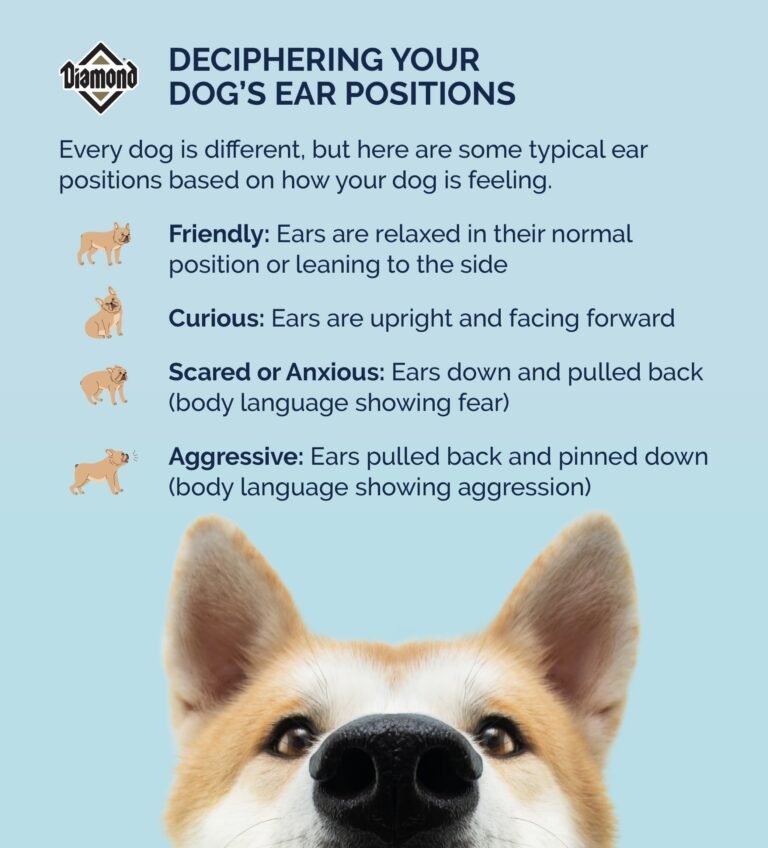
Some dogs nibble when they do not like being hugged, restrained, kissed, or touched near the head. The nibble may be an early warning.
Watch for:
- Turning the head away
- Lip licking
- Yawning
- Whale eye, when the whites of the eyes show
- Ears held back
- A tight mouth
- Stiff posture
- Freezing
- Growling or snapping
Do not punish a growl. A growl is useful information. Punishment can suppress the warning without changing the discomfort.
7. Your dog is teething or has mouth pain
Puppies often chew because their mouths are developing. Adult dogs may also mouth people when they have dental pain, gum disease, a broken tooth, or another oral problem.
A sudden change deserves attention. Contact your veterinarian if you notice bad breath, drooling, trouble eating, pawing at the mouth, bleeding, facial swelling, or a reluctance to chew.
8. Your dog is anxious or stressed
Stress can produce unusual or repetitive behavior. A dog may nibble during storms, travel, visitors, grooming, conflict, or other changes.
Stress-related nibbling often comes with pacing, panting, hiding, trembling, clinginess, or a tucked tail. The right response is to reduce pressure and find the trigger. A veterinarian or qualified behavior professional can help if the pattern continues.

Is It Normal for a Dog to Nibble Your Face?
Gentle nibbling can be normal when your dog is relaxed, the behavior is easy to stop, and no one gets hurt. Normal does not mean that you must allow it. You can set a clear boundary even when the behavior is friendly.
Face contact carries more risk than contact with a hand or toy. The face has sensitive skin, eyes, lips, and mucous membranes. Dogs also carry bacteria in their mouths, even when they look healthy.
The Centers for Disease Control and Prevention recommends supervising interactions with dogs and taking steps to prevent bites. Avoid face-to-face contact with unfamiliar dogs, sleeping dogs, dogs that are eating, and dogs caring for puppies.
Use extra caution when:
- A child is near the dog
- The dog has a bite history
- The dog guards food, toys, or resting areas
- The dog is ill or in pain
- You are immunocompromised
- You have open cuts, cold sores, or healing skin
- The dog’s vaccines are unknown or not current
If your dog breaks the skin, wash the area with soap and running water. Seek medical care for deep wounds, punctures, injuries near the eye, signs of infection, or any bite from a dog with unknown rabies vaccination status. Contact local animal control or public health officials when rabies exposure is a concern.

How to Stop a Dog From Nibbling Your Face
The best method is calm prevention and reward-based training. Do not yell, hit, hold the muzzle shut, or push the dog roughly away. Those actions can increase fear or turn the moment into a game.
Step 1: Stop offering access to your face
Move your face away before the dog makes contact. Stand up or turn your body if needed. Keep your movements slow.
Do not lean over a dog that is stiff, hiding, eating, sleeping, or holding a toy. Give the dog room first.
Step 2: End attention for a few seconds
If your dog nibbles during play or cuddling, quietly remove attention. Turn away for 5 to 10 seconds. Do not argue or repeat “no” many times.
This teaches that face nibbling makes the social interaction stop.
Step 3: Offer a safe replacement
Give the dog a toy, chew, or food puzzle. You can also ask for a behavior such as:
- Sit
- Touch
- Four paws on the floor
- Go to mat
- Leave it
Reward the replacement at once. The dog should learn what to do instead of only learning what not to do.
Step 4: Reward calm greetings
Before greeting your dog, wait for a calm body. Reward sitting, standing quietly, or looking at you without jumping.
Use a low voice. Keep greetings brief if excitement leads to mouthing.
Step 5: Manage common triggers
If nibbling happens after exercise, allow a quiet rest period. If it happens during hugs, stop hugging. If it happens after meals, wash your face and avoid letting the dog lick food residue.
Management prevents practice. Every successful nibble can make the habit stronger.
Step 6: Teach “leave it” and “touch”
A reward-based trainer can help you teach these cues. “Leave it” tells the dog to stop focusing on an item. “Touch” gives the dog a safe way to make contact with your hand.
Practice away from the face first. Move to more exciting settings only when your dog responds reliably.
Signs the training is working
You should see:
- Fewer attempts to reach your face
- Faster response to a cue
- A calmer greeting
- More use of the toy or mat
- No need for physical restraint
- Less jumping and frantic movement
If the behavior becomes harder, more forceful, or linked with warning signs, stop the training session and seek professional help.

How to Tell Playful Nibbling From Aggression
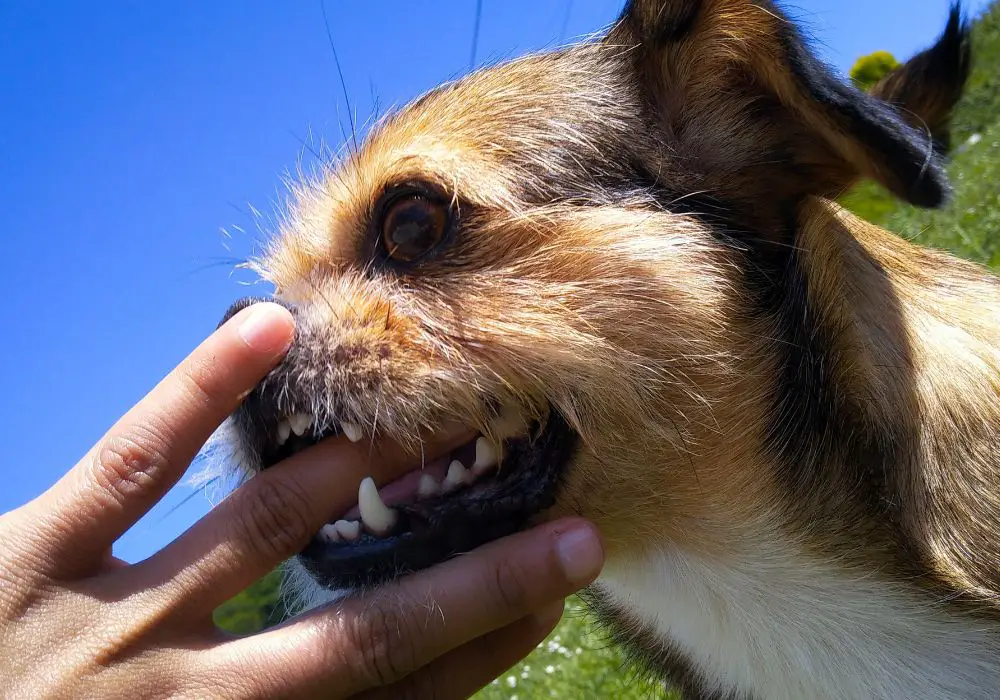
You cannot identify risk from tooth contact alone. Compare the dog’s posture, facial muscles, movement, and situation.
| Lower-risk signs | Higher-risk signs |
|---|---|
| Loose, wiggly body | Stiff or frozen body |
| Relaxed open mouth | Tight, closed mouth |
| Soft eyes | Hard stare |
| Play bow | Weight shifted forward |
| Easy response to a pause | Ignores attempts to stop |
| Gentle pressure | Increasing pressure |
| No skin damage | Puncture, bruising, or bleeding |
| Returns to calm | Escalates, growls, or snaps |
A wagging tail does not always mean a dog is comfortable. Dogs may wag when excited, conflicted, or tense. Read the complete body and the events around the nibble.
Treat these signs as urgent:
- A bite that breaks skin
- Repeated snapping near the face
- Guarding behavior
- A bite during handling
- A child being targeted
- A sudden behavior change
- A dog that cannot disengage
- A history of serious bites
Separate the dog from people with a door, gate, or leash handled by an adult who can do so safely. Do not corner the dog or grab its collar during a tense moment.
A board-certified veterinary behaviorist can assess medical and behavior causes. A qualified reward-based trainer may help with skills and management. The American Veterinary Society of Animal Behavior provides position statements on humane, evidence-based behavior care.

Common Mistakes That Can Make Face Nibbling Worse
Laughing and then punishing
Mixed reactions can make the behavior persistent. The dog may keep trying because sometimes the nibble earns attention and sometimes it does not.
Choose one calm response. Remove access to your face, pause attention, and reward a safe behavior.
Pushing the dog away
Pushing may feel like play. It can also increase excitement or create a struggle. Turn away and use a barrier or brief separation instead.
Allowing the behavior with one person
Dogs do not understand that one rule applies only to one family member. If face nibbling is unsafe, every household member should follow the same plan.
Punishing warning signals
Punishing growls, lip lifts, or stiff posture can remove early warnings. Focus on the cause and create distance.
Ignoring a sudden change
A new mouth-related behavior may reflect pain, anxiety, a new household stressor, or a medical problem. A veterinary check is sensible when the change is abrupt.
Letting children correct the dog
Children should not manage a dog that is mouthing or biting. An adult should step in. The American Veterinary Medical Association advises close supervision of children around dogs and careful attention to bite prevention.
When Should You Call a Veterinarian or Behavior Professional?
Call your veterinarian when face nibbling starts suddenly, becomes intense, or appears with signs of pain or illness. Medical causes can include dental disease, skin problems, neurologic issues, and other conditions that affect behavior.
Ask for behavior help when:
- The dog has bitten or punctured skin
- The dog growls or snaps during face contact
- The dog guards food, toys, furniture, or people
- The dog reacts to children or visitors
- You feel afraid of the dog
- Training has not helped
- The dog’s behavior is getting worse
A veterinarian can first rule out health problems. If needed, the veterinarian may refer you to a veterinary behaviorist or another qualified professional.
Avoid anyone who recommends hitting, “alpha” techniques, painful tools, intimidation, or forcing the dog to tolerate face contact. These methods can increase fear and injury risk.

Frequently Asked Questions
Why does my dog nibble my face but not my spouse’s?
Your dog may have learned that you give a stronger reaction, spend more close-contact time with the dog, or smell different because of products, food, or sweat. Compare what happens before and after the nibble. Then use the same calm response each time.
Why does my puppy nibble my face?
Puppies explore with their mouths, play with littermates, and may be teething. Keep your face away during excited play. Redirect the puppy to a toy, reward calm behavior, and provide suitable chew items.
Why does my dog nibble my face when I kiss or hug it?
Some dogs dislike close restraint or face-to-face contact. Watch for turning away, lip licking, stiffness, or whale eye. Stop the hug or kiss and give the dog space.
Should I let my dog lick or nibble my face?
You do not need to allow it. Avoid face contact with unfamiliar dogs, dogs showing stress, dogs with bite histories, and dogs with unknown health status. Never allow a dog to lick an open wound or a child’s face.
What should I do if my dog bites my face?
Move away without escalating the situation. Wash any wound with soap and running water. Get prompt medical care for deep wounds, eye injuries, heavy bleeding, punctures, infection signs, or bites from dogs with unknown rabies vaccination status. Report or document the incident as local rules require.
Conclusion
A dog that nibbles your face may be seeking attention, grooming you, exploring a scent, playing, or reacting to stress. Gentle contact from a loose, relaxed dog is often harmless, but face access still creates a safety risk.
Stop the behavior calmly, reward a safe alternative, and watch for changes in posture or bite pressure. If the behavior is sudden, forceful, stressful, or linked with pain, contact a veterinarian and seek qualified behavior support.