Why Do Dogs Love Their Owners Unconditionally: Explained
Dogs seem to love their owners without keeping score. In the United States, many dog owners see that bond every day: a wag at the door, a head on your lap after a long workday, and steady comfort when life feels hard. The short answer is that dogs form strong social bonds with people through attachment, learning, routine, and brain chemistry. That bond can look “unconditional” because dogs depend on their owners, read human cues well, and often respond with consistent affection and trust.

What “unconditional love” means in dogs
Dogs do not love in the same way humans do, but they do show attachment that feels deeply loyal. In plain terms, a dog learns that a person is safe, predictable, and rewarding. Over time, the dog seeks that person out for comfort, food, play, and protection.
That matters because many owners use the phrase “unconditional love” to describe behavior, not a human-style moral promise. A dog may still react to fear, stress, illness, or past trauma. So the better explanation is not that dogs are perfect saints, but that they are highly social animals built to bond.
Why dogs bond so strongly with people
Dogs love their owners so intensely because domestication shaped them to live with humans. Thousands of years of living alongside people favored dogs that were calmer, more social, and better at understanding human behavior. The result is a species that often treats a human family as its social center.
Several forces work together:
- Attachment: Dogs can form secure bonds with caregivers, much like infants do with parents.
- Reinforcement: Food, walks, attention, and play teach dogs that people bring good things.
- Predictability: Regular routines help dogs feel safe.
- Social sensitivity: Dogs are unusually good at reading human faces, voices, and body language.
- Dependence: Dogs rely on owners for daily needs, which deepens the bond.
In other words, love in dogs is part biology, part experience, and part daily habit.
The science behind a dog’s affectionate behavior
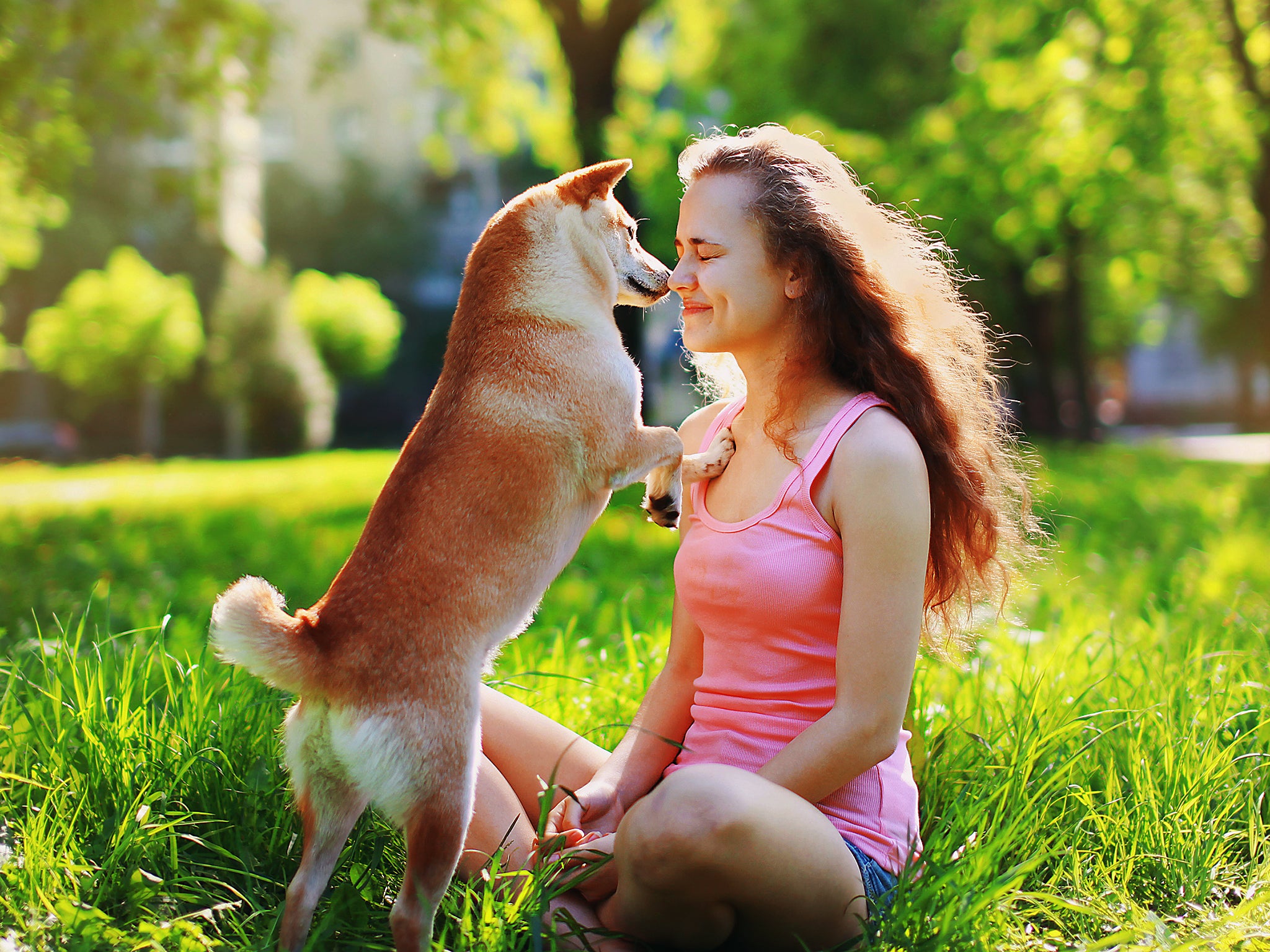
Dogs are not just “being nice.” Their brains and bodies respond to people in ways that support bonding. Research has found that friendly interactions between dogs and owners can raise oxytocin, the hormone often linked with social bonding, in both species. That is one reason mutual gaze, petting, and calm attention can feel so powerful.
Dogs also learn from repeated patterns. If you feed them, walk them, and respond when they are stressed, they start to connect your presence with safety and relief. That is not fake affection. It is a real social bond built through repeated experience.
A few scientific ideas help explain the behavior:
| Factor | What it does | Why it looks like “unconditional love” |
|---|---|---|
| Oxytocin response | Supports bonding and calm social contact | Your dog seeks closeness and attention |
| Classical conditioning | Links you with food, walks, and safety | Your dog gets excited when you appear |
| Attachment behavior | Drives a dog to stay near a trusted caregiver | Your dog follows you from room to room |
| Human cue reading | Helps dogs respond to tone, gesture, and mood | Your dog seems emotionally tuned in |
This does not mean every dog behaves the same. Breed traits, early socialization, health, and trauma all shape how a dog shows affection.
Why your dog seems to “pick you”
Dogs often appear to choose one person because that person meets their needs in a very consistent way. The dog may associate that owner with feeding, training, calm handling, or the most predictable routines. Repetition matters more than grand gestures.
A dog may also bond more closely with the person who:
- spends the most time with them,
- uses a gentle voice,
- gives steady structure,
- plays in a way the dog enjoys,
- respects the dog’s boundaries.
This is why a dog may adore one family member more visibly than another. It is not necessarily favoritism in a human sense. It is often the result of trust and daily reinforcement.
Signs your dog loves and trusts you
A dog’s affection is usually visible in behavior. Common signs include:
- relaxed body posture around you,
- tail wagging that looks loose, not stiff,
- following you from room to room,
- seeking eye contact,
- leaning, nudging, or resting on you,
- greeting you with excitement after separation,
- bringing toys to you,
- settling down more easily when you are near.
These signs point to comfort, attachment, and trust. They do not prove a dog is happy every second. But they do show that you are a meaningful part of your dog’s world.
When a dog’s “love” can be misunderstood
Not every clingy or dramatic behavior is pure affection. Sometimes a dog is showing anxiety, insecurity, or a need for reassurance. A dog that panics when left alone may be attached, but not necessarily in a healthy way.
Watch for these limits:
- constant shadowing that seems driven by stress,
- destructive behavior when separated,
- frantic greetings or inability to settle,
- aggression linked to fear or resource guarding.
If those patterns appear, the dog may need training, behavior support, or veterinary help. Affection and distress can look similar from the outside, but they are not the same.
What helps strengthen the bond with your dog
The best way to deepen your dog’s trust is to be consistent. Dogs thrive when life feels predictable and kind. You do not need elaborate routines. You need steady care.
Try these basics:
- Feed and walk your dog on a regular schedule.
- Use calm, clear training.
- Reward behaviors you want repeated.
- Give your dog safe places to rest.
- Spend time in activities your dog enjoys, such as play, sniff walks, or gentle training.
- Respect fear signals and give space when needed.
A strong bond grows like a garden. It needs water, sunlight, and patience, not force.

Common myths about why dogs love their owners
One common myth is that dogs love anyone who feeds them. Food matters, but trust is more complex than that. Many dogs accept food from many people, yet still form a clear primary bond with one or two caregivers.
Another myth is that dogs are loyal because they are “naturally submissive.” That oversimplifies canine behavior. Dogs are social learners, not mindless followers. Their affection is shaped by both evolution and everyday experience.
A final myth is that all dogs love the same way. Some are openly cuddly. Others are quieter, more independent, or more reserved. Those differences do not mean the bond is weak.
Why the bond feels so personal to humans
People often project human emotions onto dogs, and that is not always wrong. Dogs do provide emotional comfort, companionship, and a sense of being chosen. In a busy American household, where schedules can be hectic and stress is common, that steady welcome at the door can feel deeply meaningful.
The bond feels personal because it is personal. Your dog knows your voice, your habits, your scent, and your patterns. You are not just a food source. You are part of your dog’s social world.
FAQs
Do dogs really love their owners?
Yes, in a dog-specific way. Dogs form attachment bonds, seek comfort from owners, and show clear preference for familiar caregivers.
Can a dog love more than one person?
Yes. Many dogs bond with multiple family members, especially when several people provide care, play, and routine.
Why does my dog follow me everywhere?
That often reflects attachment, curiosity, or learned expectation that you are the source of good things. If it becomes anxious or disruptive, it may signal separation stress.
Do dogs know when we are sad?
Dogs can often pick up on changes in tone, posture, and behavior. They may respond with closer contact or calmer behavior, though they do not understand sadness the way humans do.
Can a rescue dog love again after trauma?
Yes, many rescue dogs do learn to trust again. Progress usually depends on patience, predictability, and gentle handling.
Conclusion
Dogs seem to love their owners unconditionally because their biology and experience push them toward strong, loyal bonds. They learn who keeps them safe, who feeds them, and who makes life feel predictable. That bond can be deeply moving, but it is also built on real behavior, trust, and routine.
If you want a stronger relationship with your dog, focus on consistency, kindness, and clear communication. That is usually what turns a good companion into a deeply bonded one.