The best way to stop a dog howling when left alone is to identify the cause, build calm independence through gradual training, improve the leaving routine, and address stress, boredom, or medical issues that may trigger the behavior.
Across homes in the United States, dog owners often face the same problem: a dog that howls after the family leaves. A few minutes of noise can become a daily challenge, especially for people living in apartments, shared housing, or neighborhoods where repeated vocalization may disturb others.
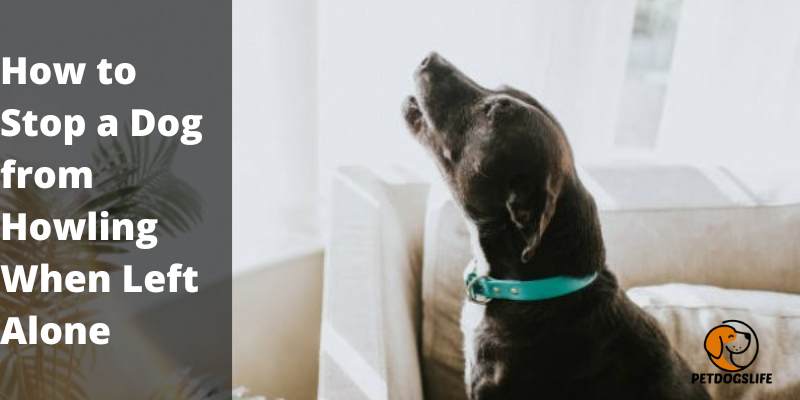
Howling is a natural form of dog communication. A dog may howl because of separation distress, loneliness, boredom, fear, learned behavior, hearing sounds outside, or discomfort. The solution is not simply stopping the sound. The goal is teaching the dog that being alone is safe and manageable.
Effective training usually combines gradual alone-time practice, positive reinforcement, mental enrichment, exercise, and careful observation. Punishment often makes the problem worse because it can increase fear or confusion rather than teaching the dog what behavior is expected.
Source: animalia-life.club
Why Do Dogs Howl When They Are Left Alone?
Dogs howl when left alone for many reasons, and finding the cause is the first step toward solving the problem. A dog is not usually howling because it is trying to be difficult. The behavior is a message that something is happening emotionally or physically.
Some dogs howl because they experience separation-related distress. Others howl because they have learned that vocalizing brings attention, releases frustration, or causes someone to return. The same behavior can have different causes, so watching the pattern matters.
Source: petdogslife.com
Separation distress
A dog may howl, pace, scratch doors, drool, or panic when separated from a person it depends on for security.
Boredom and unused energy
Dogs with limited exercise or mental stimulation may howl because they need an activity or outlet.
Environmental triggers
Sirens, other dogs, wildlife sounds, people outside, or household noises can encourage howling.
Medical discomfort
Pain, aging-related changes, or health problems can sometimes cause unusual vocal behavior.
How To Tell If The Howling Is Separation Related
Separation-related howling usually happens soon after departure and may appear with other stress signs. A camera recording can help owners understand what happens after leaving.
A dog that relaxes after a few minutes may have a different problem than a dog that remains distressed for the entire absence.
Common signs
Watch for pacing, destructive behavior near exits, escape attempts, heavy panting, drooling, or inability to settle.
Prepare Your Dog Before Leaving The House
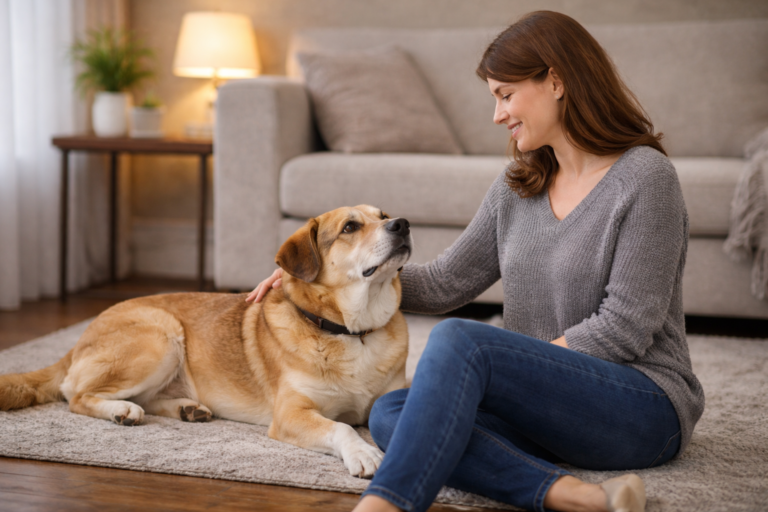
A calm departure begins before the door closes. Dogs often respond to patterns, so changing the emotional meaning of departure signals can reduce excitement and worry.
The goal is to make leaving predictable but not dramatic. Long emotional goodbyes and excited greetings can make departures feel like major events.
Source: animalia-life.club
Provide physical activity
A walk, play session, or age-appropriate activity before leaving may help a dog settle more easily.
Offer mental enrichment
Puzzle feeders, safe chew items, and scent games can give dogs an appropriate focus while alone.
Create a comfortable space
A familiar resting area with water, bedding, and safe items can help a dog feel secure.
Reduce The Power Of Departure Cues
Many dogs learn that keys, shoes, bags, or a specific routine predict being alone. Practice picking up keys or putting on shoes without leaving so these signals become less stressful.
Practice calmly
Repeat departure actions without making a big event until the dog reacts less strongly.
Use Gradual Alone-Time Training To Teach Quiet Behavior
Gradual training is one of the most useful methods for dogs that struggle with being alone. Instead of leaving for a long time immediately, increase the distance and duration slowly while keeping the dog calm.
The training pace depends on the individual dog. Some dogs improve quickly, while others need many small steps.
Source: caringclaw.com
Start with short absences
Leave for a brief moment and return before the dog becomes highly stressed.
Increase time slowly
Add more time only when the dog remains relaxed during the current level.
Reward calm behavior
Reinforce quiet relaxation instead of only reacting after the dog begins howling.
What To Do If The Training Fails
If a dog becomes anxious during training, the step may be too difficult. Reduce the duration and return to an easier level.
For severe separation problems, professional guidance from a veterinarian or qualified behavior specialist may be needed.
Avoid forcing long absences
Repeated panic episodes can make alone-time training harder.
Mistakes That Can Make Dog Howling Worse
Some common responses accidentally strengthen the behavior or increase stress. Understanding what not to do is as important as learning what works.
Dogs learn from repeated experiences, so consistent responses from everyone in the home are important.
Source: animalia-life.club
Yelling at the dog
A dog may interpret shouting as attention or become more anxious.
Using punishment after returning
The dog may not connect punishment with the earlier howling and may become fearful.
Leaving suddenly for long periods
Dogs that are not prepared may struggle when faced with a major change.
When To Seek Professional Help
Professional help is appropriate when howling is intense, persistent, or combined with destructive behavior, self-injury, panic, or major changes in normal behavior.
A veterinarian can help rule out medical causes, while a qualified behavior professional can help create a training plan for complex cases.
Seek help sooner for severe signs
Extreme distress is a welfare concern and may require a more structured approach.
A Simple Daily Plan For A Quieter Dog
A daily routine helps dogs understand what to expect. While every dog is different, a predictable schedule can support calmer behavior.
The best plan combines prevention, training, and observation rather than relying on a single trick.
Source: www.youtube.com > n Beats
Morning
Provide exercise, bathroom time, and calm interaction before leaving.
Before departure
Avoid dramatic goodbyes and offer a safe activity if appropriate.
During absence
Use monitoring when possible to understand the dog’s behavior.
After returning
Keep greetings calm and reward relaxed behavior.
Frequently Asked Questions
Q
How long does it take to stop a dog from howling when left alone?
The timeline depends on the cause, the dog’s history, and how consistently training is applied. Mild habits may improve with routine changes, while separation-related distress can require longer behavior work.
Q
Should I ignore my dog when it howls?
Ignoring attention-seeking howling may help in some situations, but it is not always appropriate. If the howling is caused by fear, anxiety, or distress, the underlying problem should be addressed instead.
Q
Will getting another dog stop my dog from howling?
Not necessarily. Some dogs benefit from companionship, but separation problems are often related to attachment with people rather than simply being alone.
Some dogs may relax with gentle background sounds because they reduce sudden noises or make the home feel less empty. Results vary between dogs.
Q
When should I call a veterinarian about my dog’s howling?
Contact a veterinarian if the howling starts suddenly, appears with signs of pain or illness, or is accompanied by major behavior changes.
✦ Wrapping Up
Conclusion
Stopping a dog from howling when left alone requires understanding the reason behind the behavior and teaching a calmer response. The most effective approach focuses on gradual training, a stable routine, enrichment, and reducing stress.
Every dog learns at a different pace. By watching patterns, avoiding punishment, and adjusting the plan when needed, owners can help their dogs feel safer during alone time.
💡 Key Takeaway
Start by identifying why your dog howls, then practice short calm separations and build confidence step by step.