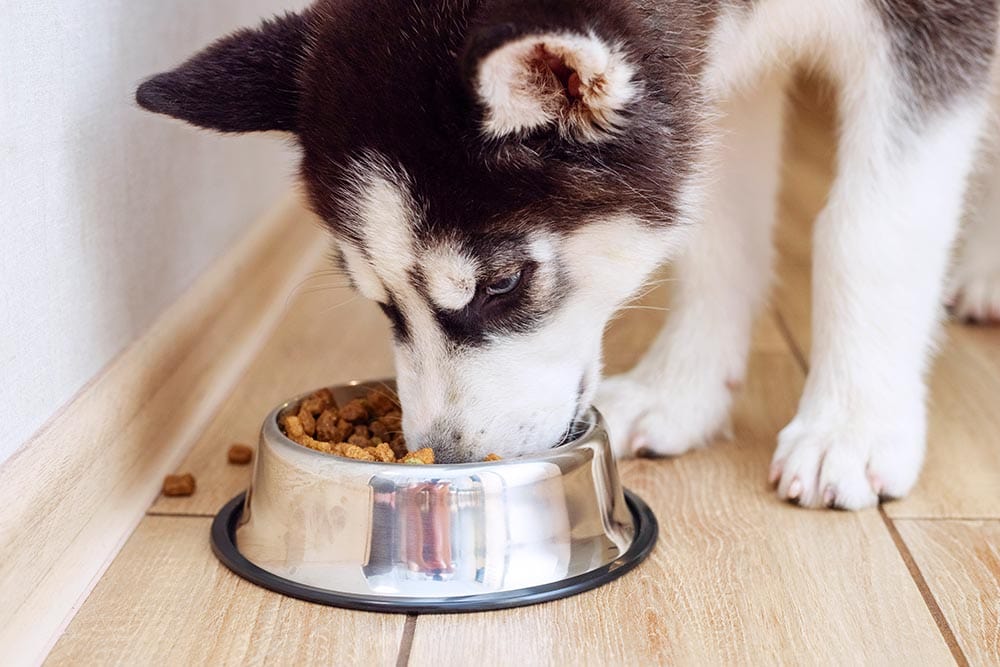
To get a dog to eat dry food, make the change slowly, improve the food’s smell and texture safely, create a consistent feeding routine, and rule out health problems if your dog refuses food.
In the United States, many dog owners choose dry dog food because it is convenient to store, easy to measure, and commonly available for different life stages. However, some dogs ignore kibble when they are used to wet food, table scraps, treats, or a different texture. Helping a dog accept dry food usually requires patience rather than forcing a sudden change.
A dog refusing dry food may simply dislike the taste or texture, but a sudden loss of appetite can also signal dental pain, illness, stress, or another issue. A careful approach combines behavior changes, gradual diet transitions, and attention to warning signs that require veterinary guidance.
Source: YouTube > Jaspers Life
Why Some Dogs Refuse Dry Food
Dogs may refuse dry food for many reasons, and the cause is not always simple stubbornness. Dry kibble has a different smell, texture, and moisture level compared with canned food or fresh diets. A dog that has learned to expect stronger flavors may not immediately accept plain kibble.
Understanding the reason behind the refusal helps you choose the right solution. A young puppy may need a slower introduction, while an older dog may avoid hard food because chewing is uncomfortable.
Source: dogshowtv.com
Preference and habit
Dogs often develop strong food preferences. A dog that regularly receives wet food, treats, or human food may wait for a more appealing option instead of eating dry food.
Food texture changes
Kibble feels different from softer foods. Some dogs need time to adjust to the crunch and lower moisture content.
Possible health issues
Dental problems, mouth discomfort, digestive upset, stress, or illness can reduce interest in eating.
When Refusing Food May Need Veterinary Attention
A healthy dog may occasionally skip a meal, but continued refusal deserves attention. Contact a veterinarian if your dog refuses food for an unusual length of time or shows signs such as vomiting, diarrhea, weakness, pain, weight loss, difficulty chewing, or unusual behavior.
Sudden appetite change
A dog that previously ate normally but suddenly refuses food may have an underlying problem that needs evaluation.
How To Transition Your Dog To Dry Food Step By Step
The safest way to introduce dry food is through a gradual transition. Changing food too quickly can cause digestive upset and may make your dog dislike the new diet even more.
The exact timeline can vary by dog. Some dogs adjust within a week, while others need a slower change. Watch your dog’s stool, appetite, and comfort during the process.
Source: www.petmd.com
Start with a small amount
Mix a small portion of dry food with the current food your dog already accepts. Increase the dry food portion slowly as your dog becomes comfortable.
Keep meals consistent
Offer food at regular times instead of leaving unlimited food available all day. A routine can help create healthy eating habits.
Monitor the response
Check whether your dog eats willingly, has normal energy, and handles the food without digestive problems.
Example Dry Food Transition Schedule
A common approach is to begin with mostly the old food and a small amount of dry food, then gradually increase the kibble portion. This example is only a general guide because individual dogs may need a different pace.
Beginning stage
Use mostly the familiar food with a small amount of dry food mixed in.
Middle stage
Increase the dry food while reducing the previous diet if your dog accepts the change.
Final stage
Move toward a full dry food meal when your dog eats comfortably and digestion remains normal.
Ways To Make Dry Food More Appealing
If your dog ignores plain kibble, small changes can improve acceptance without creating unhealthy habits. The goal is to increase interest in the food while keeping the diet balanced.
Many dogs respond to stronger smells because scent plays a major role in how they experience food. Simple preparation changes can make dry food more attractive.
Source: freepik.com
Add warm water
Adding a small amount of warm water can soften kibble and release more aroma. Allow it to sit briefly before serving.
Use safe food additions
Some owners add small amounts of veterinarian-approved toppers or familiar foods, but extras should not replace a balanced diet.
Improve feeding conditions
A quiet feeding area, clean bowl, and regular meal schedule can help reduce distractions.
Avoid Turning Meals Into A Negotiation
A common mistake is offering many different foods every time a dog refuses kibble. This can teach a dog that refusing food leads to better options. Use a calm routine and avoid constant switching.
Limit extra treats
Too many treats can reduce hunger and make regular meals less appealing.
Common Mistakes When Switching A Dog To Dry Food
Many feeding problems happen because owners make changes too quickly or accidentally reward refusal. A consistent method usually works better than repeated food experiments.
The goal is not simply getting a dog to eat one meal. The goal is creating a healthy feeding pattern that supports long-term nutrition.
Source: forthglade.com
Changing food overnight
A sudden switch may cause stomach upset and make your dog less willing to continue with the new food.
Adding too many extras
Large amounts of treats, table food, or toppers can create nutritional imbalance and picky behavior.
Ignoring dental problems
Dogs that avoid crunchy food may have discomfort when chewing and should be evaluated if the problem continues.
What To Do If Your Dog Still Will Not Eat Dry Food
If gradual changes do not work, review the basics first. Check food freshness, storage conditions, bowl cleanliness, feeding routine, and whether your dog shows any signs of illness.
If your dog remains unwilling to eat, speak with a veterinarian. A professional can help determine whether the issue is behavioral, nutritional, or medical.
Check the food
Old or poorly stored food may lose smell and become less appealing.
Review health signs
Look for changes in energy, weight, digestion, and chewing ability.
Special Considerations For Puppies And Older Dogs
Puppies and senior dogs may need extra attention when changing food. Puppies are still developing, while older dogs may have different energy needs or dental concerns.
The right feeding approach depends on the dog’s age, health, size, activity level, and current diet.
Source: animalia-life.club
Puppies
Puppies may need food designed for growth and may benefit from a slower transition when moving to dry food.
Older dogs
Senior dogs may prefer softened kibble if chewing becomes difficult, but persistent problems should be checked.
Signs The New Routine Is Working
A successful transition usually means your dog eats regularly, maintains normal energy, has healthy stool, and accepts meals without stress.
Healthy appetite
Your dog approaches meals normally and eats without constant encouragement.
Frequently Asked Questions
Q
How long does it take a dog to start eating dry food?
Some dogs accept dry food within days, while others need several weeks. A slow transition and consistent routine often improve acceptance.
Q
Should I add water to dry dog food?
Adding warm water can make kibble softer and increase aroma. This may help some dogs, especially those that prefer softer textures.
Q
Why does my dog eat treats but not dry food?
Treats often have stronger flavors and higher appeal. A dog may ignore regular meals if treats are offered too often.
Q
Can I force my dog to eat dry food?
No. Forcing food can create stress and may hide an underlying problem. Use gradual changes and monitor your dog’s health.
Q
When should I call a veterinarian about my dog’s appetite?
Seek veterinary advice if refusal continues, especially when combined with symptoms such as vomiting, diarrhea, weakness, pain, weight loss, or behavior changes.
✦ Wrapping Up
Conclusion
Getting a dog to eat dry food usually requires patience, routine, and a gradual approach. Most dogs can learn to accept kibble when the change is comfortable and the feeding environment supports healthy habits.
If your dog refuses dry food despite careful steps, consider whether taste, texture, stress, dental discomfort, or illness may be involved. A veterinarian can help when appetite changes are unusual or persistent.
💡 Key Takeaway
Start with a slow transition, keep meals consistent, improve kibble appeal safely, and watch for signs that your dog needs professional care.