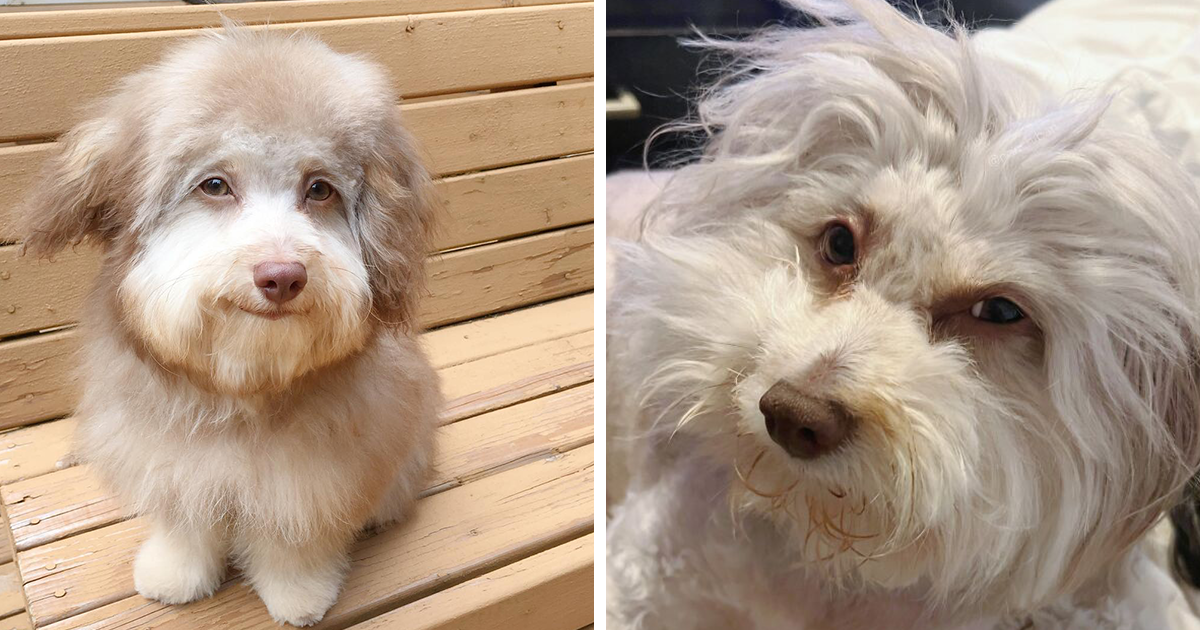
Why Are Dogs So Human Like: The Real Reasons
Dogs seem human like because they evolved to read us closely, live beside us, and respond to the same social cues we use with each other. In the United States, where dogs often share our homes, routines, and even our beds, that closeness makes their behavior feel almost human. The truth is simpler: dogs are not people, but they are exceptionally good at understanding people.
Dogs copy some of our communication patterns, bond through eye contact and touch, and learn from daily life in a human household. They also show emotions that look familiar to us, such as joy, worry, jealousy, and attachment. Those traits do not make dogs human, but they do make them one of the most socially tuned animals we live with.

What Makes Dogs Seem So Human Like?
Dogs seem human like because they behave in ways our brains naturally interpret as social and emotional. They watch faces, follow gestures, learn routines, and react to our tone of voice. That combination makes them feel less like wild animals and more like social partners.
The biggest reason is coevolution. Over thousands of years, dogs that were better at living near humans were more likely to survive and reproduce. As a result, modern dogs are unusually skilled at reading human behavior compared with most other animals.
A second reason is projection. People often assign human motives to dogs because dogs are expressive and familiar. When a dog sighs, leans on you, or tilts its head, it is easy to read that as a human-style mood or thought process.
The Main Reasons Dogs Act Human Like
1. Dogs read human social cues better than most animals
Dogs can follow pointing, body posture, and eye direction in ways that help them solve everyday problems. If you point to a door, many dogs understand that you are directing them somewhere. That skill is a major reason they seem so people aware.
This ability is not accidental. Dogs that paid attention to human signals had a clear advantage in homes, farms, and working settings. The result is a species that often seems to “get” us with very little instruction.
2. Dogs bond with people in a relationship-based way
Dogs form attachment bonds with humans that resemble the bond between a child and a caregiver in some important ways. They seek comfort, watch for our return, and often stay close during stress. That social attachment is one reason a dog can feel like a family member.
Researchers have found that dogs release oxytocin, often called the bonding hormone, during positive interaction with people. This does not mean dogs are human, but it does help explain why mutual affection between dogs and humans feels so strong. The bond is biological, not just emotional.
3. Dogs communicate with faces, body language, and sound
Dogs use facial expressions, posture, tail position, ear position, and vocal sounds to communicate. Many owners learn to recognize the difference between a playful bark, a warning bark, and a demand bark. That rich communication makes dogs appear more “expressive” than many animals.
They also respond to human communication style. A soft voice, steady posture, and calm movement can help a dog relax. A sharp tone can trigger caution or excitement. Because they react to these small signals, their behavior can look strikingly human.
4. Dogs learn household routines
Dogs are excellent pattern learners. They notice when you grab keys, put on shoes, open the treat cabinet, or head toward the door. Once they connect those patterns to a result, they behave as if they are part of the same daily schedule you are following.
This routine-based learning is a big reason dogs feel human like in American homes. They know when it is time to walk, eat, rest, or greet family members. Their lives become tied to ours, so their behavior starts to look organized and intentional in a very human way.
5. Dogs show emotions that are easy to recognize
Dogs clearly show excitement, fear, frustration, curiosity, and comfort. Those emotional displays are not identical to human emotions, but they are close enough to be familiar. A wagging tail, a lowered head, or a burst of zooming can all look emotionally meaningful.
That said, it is important not to overread every behavior. A dog can appear guilty, for example, but that look often reflects fear of your reaction rather than a human-style moral judgment. The feeling is real; the human interpretation may not be.
Why Human Households Make Dogs Seem Even More Human
Dogs become more human like when they live in close contact with people all day. In many U.S. homes, dogs sleep indoors, travel by car, visit parks, and join daily routines. That lifestyle gives them many chances to learn human patterns.
The more time dogs spend around people, the more they adapt to our rhythm. They learn when attention is available, when silence matters, and what behaviors earn rewards. A dog raised in a human-centered environment will often seem more “civilized” than one with little social contact.
This is also why breed alone does not explain the effect. Training, social exposure, and household structure matter a great deal. A well-socialized dog often appears more human like simply because it has learned how to live in a human world.
Common Traits That Make Dogs Feel People Like
| Trait | What it looks like | Why it feels human like |
|---|---|---|
| Eye contact | Looking at your face for guidance | Signals attention and connection |
| Head tilt | Turning the head when you speak | Looks like curiosity or listening |
| Following you | Moving from room to room | Feels like companionship |
| Emotional bonding | Greeting, cuddling, seeking comfort | Resembles attachment behavior |
| Routine awareness | Knowing walk or mealtime cues | Feels like shared habits |
| Vocal responses | Barking, whining, sighing | Sounds like communication |
Dogs do not do these things the way humans do, but the effect on us is similar. They create the feeling of a social relationship, and that feeling is powerful. In everyday life, that is often enough for people to describe them as human like.
What Science Says Dogs Understand About Us
Dogs understand some human signals very well, but not all of them. They are especially good at reading intention, direction, and emotional tone. They are much less likely to understand complex language the way a person does.
Studies on dog cognition show that dogs can learn words, gestures, and human emotional cues. Some dogs can recognize dozens or even hundreds of words with training, but that is still not the same as human language. Their strength is not grammar; it is social reading.
That difference matters. Dogs are skilled partners in a human environment because they focus on what matters most in daily life: your movement, your voice, your timing, and your mood. They are not acting human; they are acting like animals adapted to humans.
Why We Often Treat Dogs Like Family
People in the United States often treat dogs like children, roommates, or close friends. That is not just sentiment. Dogs live in the home, receive care, and participate in family routines, so the relationship naturally becomes personal.
Human brains are built to respond to social partners. When a dog greets you at the door, nudges your hand, or rests beside you, those behaviors trigger the same social circuits that respond to human affection. The result is a relationship that feels mutual and deeply personal.
This is also why dog grief, stress, and loneliness can be so noticeable. Dogs depend on stable social connection. When that connection changes, their behavior often changes too.
When Dogs Are Human Like and When They Are Not
Dogs are human like in social behavior, not in human thought. They can be affectionate, loyal, sensitive, and observant. They can also be reactive, scent-driven, and highly focused on immediate rewards.
They do not think in language the way people do. They do not understand morality, abstract planning, or social rules in the human sense. So while a dog may seem to “know” what you mean, it usually understands through cues, patterns, and learned associations.
That distinction helps owners interpret behavior more accurately. If a dog seems stubborn, it may actually be confused, overstimulated, or undertrained. If a dog seems guilty, it may simply be responding to your tone or body language.
Common Mistakes People Make When Reading Dog Behavior
One common mistake is assuming dogs think like humans. This can lead to unfair expectations, especially when a dog ignores a verbal command or behaves on instinct. Dogs need clear structure, repetition, and reinforcement.
Another mistake is assuming every cute behavior has a human-style meaning. A head tilt may be attention or confusion, not empathy. A wagging tail may signal excitement, but not always friendliness. Context matters.
A third mistake is using punishment for behaviors that are actually stress-based. If a dog seems clingy, anxious, or reactive, the issue may be fear or lack of training. In those cases, calm management and professional guidance usually work better than frustration.
What This Means for Dog Owners in the U.S.
If your dog seems human like, that is a sign of strong social adaptation, not mystery. Your dog is paying attention to your routine, reading your cues, and bonding with you in a way that fits life inside an American home. That relationship is real, even if it works differently from human relationships.
The best way to respond is to treat your dog as a social animal with clear needs. Give structure, exercise, training, and consistent communication. When you do, your dog will often seem even more “human” because it will understand your world better.
Frequently Asked Questions
Do dogs actually understand human emotions?
Yes, dogs can read many human emotional cues, including tone of voice, facial expression, and body language. They do not understand emotions exactly as humans do, but they often respond appropriately to them.
Why do dogs stare at humans so much?
Dogs often stare to gather information, seek guidance, or ask for attention. In bonded relationships, staring can also be part of social communication and attachment.
Are dogs smarter than other pets because they act human like?
Not necessarily. Dogs are especially good at reading people, which makes them seem human like. Other pets may be intelligent in different ways that are less obvious in daily life.
Do dogs know they are family members?
Dogs likely recognize their human household as a social group, but not in the same conceptual way humans do. They clearly form strong attachment bonds and depend on familiar people for safety and routine.
Why do some dogs seem more human like than others?
Breed traits, early socialization, training, and daily interaction all affect behavior. Dogs that spend more time around people often learn more human routines and cues.
Final Takeaway
Dogs seem so human like because they are unusually good at living with people. They read our cues, bond with us, and adapt to our routines in ways that feel deeply personal. That makes them look and feel almost human, even though they are still very much dogs.
If you want a dog to seem calmer, smarter, and more connected, focus on clear routines, consistent training, and positive interaction. That is how the human-dog bond becomes strongest.