Why Are Dogs So Friendly: The Science Behind It
Dogs are so friendly because thousands of years of domestication shaped them to read human cues, seek social contact, and reward cooperation. In the United States, where dogs often live as indoor family members rather than outdoor working animals, that friendliness is reinforced every day through attention, training, food, play, and predictable routines.
Dogs did not become social by accident. Their friendliness comes from a mix of genetics, early life experience, breed tendencies, learning, and the strong bond they form with people. That is why one dog may greet strangers with a wagging tail while another stays cautious until it feels safe.
What “friendly” means in a dog
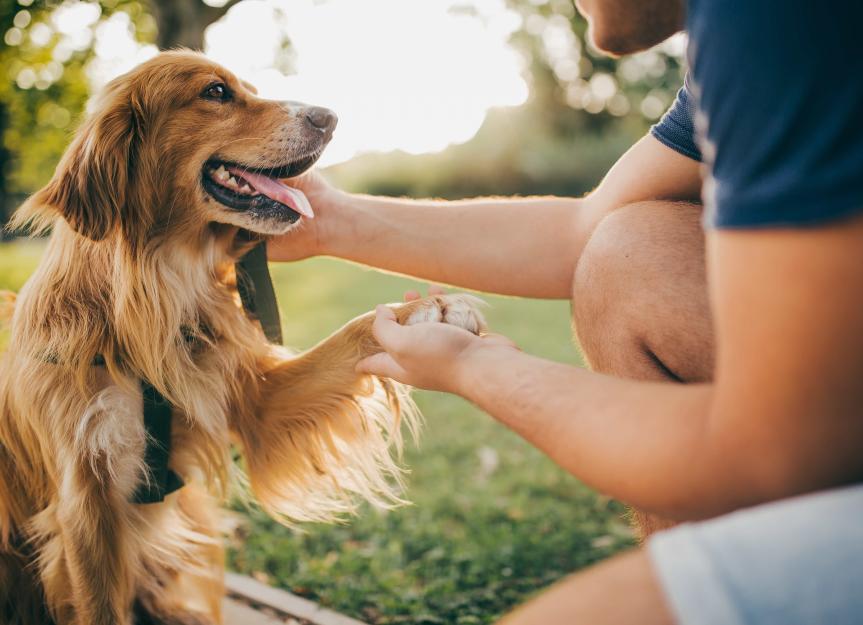
A friendly dog is usually one that seeks interaction without showing fear or aggression. That can include wagging, leaning, licking, bringing a toy, following people, or choosing to stay close.
Friendliness is not the same as being untrained or overly excited. A well-socialized dog can be calm, polite, and still very affectionate. A dog that jumps on everyone may be social, but it is not necessarily well mannered.
In behavior science, friendliness is often linked to sociability, low fear, and a strong reward response to people. In practical terms, a dog that enjoys human company is more likely to repeat behaviors that bring attention, praise, or treats.
Why dogs became so social with humans
Dogs became friendly because humans selected for animals that were easier to live with. Over many generations, people bred and kept the dogs that were less fearful, more cooperative, and better able to work with humans.
This process started long ago, when early dogs that tolerated people had a survival advantage. They could access food scraps, shelter, and protection. Over time, the dogs that were less reactive around humans passed those traits on more often.
That history matters today. A modern pet dog still carries instincts shaped by life beside people. The result is a species that is unusually skilled at reading faces, voices, body language, and routine.
Domestication changed dog behavior
Domestication did more than make dogs easier to keep. It changed how dogs respond to people at a deep behavioral level.
Compared with wolves, dogs are generally more comfortable with human contact and more likely to look to people for guidance. They also tend to be better at responding to pointing, tone of voice, and eye contact. Those abilities support friendly behavior because they make interaction with humans feel normal rather than threatening.
Scientists also believe domestication favored dogs that were less reactive to stress. A dog that is calmer around people is easier to train, easier to feed, and easier to live with. That calmness often looks like friendliness.
Early human selection favored cooperative dogs
Humans have long preferred dogs that could do useful jobs. Herding, guarding, hunting, and companionship all required some level of cooperation.
A dog that could work near people without constant conflict was more valuable than a dog that avoided humans. That preference influenced breeding over many generations. The dogs that stayed close, learned quickly, and accepted human direction were the ones people kept.
That is one reason breeds can differ in social style. Some breeds were selected more for closeness to people, while others were selected more for independence, drive, or vigilance.
The main reasons dogs seem so friendly
Dogs are friendly for several reasons at once. No single factor explains every dog.
1. They are highly social animals
Dogs are pack-oriented in the broad sense that they benefit from group living. They do best when they have social contact, structure, and clear relationships.
Because of that social wiring, many dogs naturally seek interaction. They want to be near people, check in often, and stay involved in daily life. That tendency can look like affection, but it is also a basic social need.
2. They learn that people are rewarding
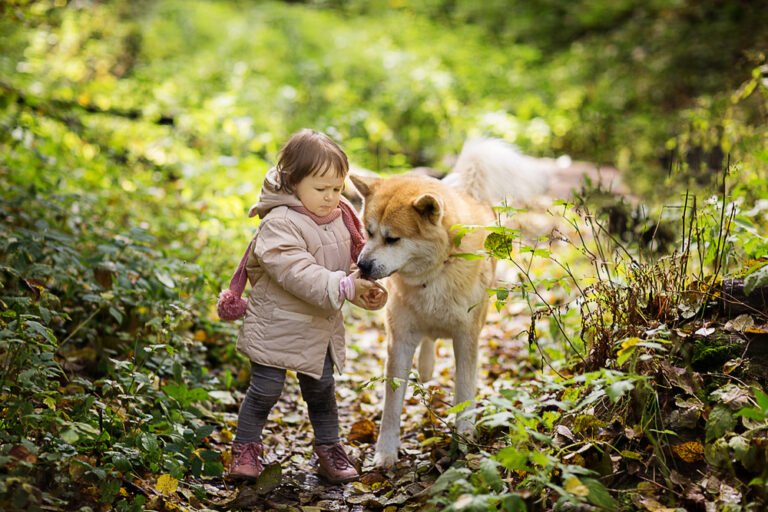
Dogs quickly learn that humans bring good things. Food, play, attention, walks, and warmth all reinforce approach behavior.
If a dog runs to the door and gets petting, that behavior becomes more likely next time. If it sits politely and gets a treat, calm behavior becomes more likely. This learning process is a major reason many dogs seem eager to meet people.
3. They read human emotions well
Dogs pay close attention to human faces, posture, tone, and movement. They often notice whether a person seems relaxed, tense, playful, or upset.
This skill helps dogs respond appropriately. A dog may approach a smiling person more easily than someone who is stiff and loud. Over time, that sensitivity can make dogs appear empathetic or emotionally intelligent.
4. They have been bred for human closeness
Some breeds were selected specifically for companionship. Others were selected for jobs that required strong human cooperation.
That does not mean every dog of a certain breed will behave the same way. But breed history can influence how quickly a dog greets strangers, how much it seeks physical affection, and how strongly it bonds with one person or family.
5. Puppies are especially open to social bonding
There is a key developmental window when puppies are more open to new people, places, and sounds. Good experiences during that time can shape a friendly adult dog.
A puppy that meets many kinds of people in calm, positive settings is more likely to grow into a confident adult. A puppy that misses those experiences may become shy or unsure later. Socialization is not about forcing contact; it is about helping the puppy learn that people are safe.
Why some dogs are friendlier than others
Not every dog is equally outgoing. Friendliness varies because behavior is shaped by both nature and nurture.
Breed tendencies matter, but they are not destiny
Breed can influence social style, but it does not fully determine it. A breed known for affection may still produce a timid dog. A breed known for independence may still produce a cuddly dog.
What matters most is the combination of genetics, early handling, training, and daily experience. Breed gives you a range, not a guarantee.
Early socialization has a big effect
Dogs that meet people in calm, positive ways during puppyhood often grow into friendlier adults. Those early experiences teach the brain what is normal.
If a young dog only sees one household and very little else, strangers may seem unusual or scary later. That does not mean the dog is mean. It means the dog may not have learned enough about the human world.
Temperament differs from excitement
Some dogs are friendly because they are calm and secure. Others are friendly because they are hyperactive and impulsive.
The first type is easier to live with. The second type may seem loving but can also jump, mouth, or ignore cues. Real friendliness includes respect for boundaries, not just enthusiasm.
Stress and fear can hide friendliness
A dog that seems unfriendly may actually be fearful. Fear can look like barking, backing away, freezing, or growling.
That is why judging a dog by first impressions can be misleading. A dog may need space, not punishment. When stress drops, friendliness often appears more clearly.
The body language behind friendly dog behavior
Dog friendliness is often visible in body language before it is obvious in action.
Common friendly signals
- Loose body posture
- Soft eyes
- Wagging tail with relaxed movement
- Approaching in a curved path
- Play bows
- Bringing a toy
- Gentle leaning
- Licking as a greeting
- Choosing to stay close
These signals usually mean the dog is comfortable and open to interaction. The overall picture matters more than one sign alone. For example, a wagging tail does not always mean friendliness if the rest of the body looks stiff.
Signs that a dog may be unsure
- Tail tucked low
- Ears pinned back
- Body frozen or tense
- Avoiding eye contact
- Turning the head away
- Lip licking when no food is present
- Backing up or moving behind a person
When these signs appear, the dog may need more distance. Friendly behavior cannot be forced safely. Respectful space often builds trust faster than direct contact.
Why dogs bond so strongly with people
Dogs often seem especially attached because their bond with humans is built on both emotion and routine.
They associate people with safety, food, and structure. They also learn that humans respond to them with voice, touch, and movement. That two-way relationship strengthens attachment.
Oxytocin, a hormone linked with bonding in many mammals, appears to play a role in dog-human relationships too. In simple terms, interaction can be rewarding for both species. That may help explain why a dog greets you like a best friend after a short absence.
Common misconceptions about friendly dogs
Friendly does not always mean well trained
A dog can love people and still have poor manners. Jumping, mouthing, and pulling on leash are not signs of bad character. They are usually signs of weak impulse control or inconsistent training.
A dog that is not friendly is not automatically aggressive
Some dogs are shy, fearful, or under-socialized. They may avoid contact because they do not know what to expect. With patience and proper training, many of these dogs become more comfortable.
Breed labels can oversimplify behavior
People often assume all dogs of one breed act the same way. That is not true. Individual history matters a great deal.
How to encourage healthy friendliness in your dog
If you want a dog to be friendly in a safe, stable way, focus on habits that build confidence and good manners.
- Expose your dog to new people gradually. Keep each experience calm and positive.
- Reward polite behavior. Praise sitting, staying calm, and approaching gently.
- Avoid forcing greetings. Let your dog choose to approach.
- Use routine. Predictable feeding, walking, and rest help dogs feel secure.
- Socialize early and carefully. For puppies, make new experiences small and positive.
- Watch body language. If your dog looks tense, create distance.
- Use professional help when needed. A certified trainer or veterinary behaviorist can help with fear, reactivity, or aggression.
When friendliness becomes a problem
Too much friendliness can create issues if the dog is too excited around people. Jumping on guests, stealing attention, or ignoring cues can make social behavior hard to manage.
The goal is not to make a dog less social. The goal is to teach a dog to be calm and friendly at the same time. That balance is especially important in U.S. homes where dogs often meet guests, children, neighbors, and delivery workers.
If a dog shows sudden changes in behavior, including unusual fear or irritability, a vet check is wise. Pain, illness, and sensory decline can change temperament.
Why dogs seem friendlier than many other animals
Dogs have spent far more time adapting to human life than most species. They depend on people, cooperate with people, and often enjoy human presence.
Cats can be affectionate too, but their social style is often more independent. Wolves are social, but they are not domesticated for close human companionship in the same way. Dogs sit in a unique middle ground: social, trainable, and highly responsive to us.
That combination makes dog friendliness feel almost personal. In reality, it is a mix of evolution, learning, and mutual benefit.
Final takeaway
Dogs are so friendly because thousands of years of domestication, selective breeding, and daily learning made them unusually skilled at living with humans. Their friendliness is real, but it is also shaped by confidence, training, and experience.
If you understand the behavior behind that friendliness, you can support it better. Give dogs structure, positive social exposure, and respectful handling, and most will reward you with the kind of loyalty people love them for.
FAQs
Are all dogs naturally friendly?
No. Many dogs are social, but temperament varies by genetics, socialization, and experience. Some dogs are cautious or reserved, and that can be normal.
Why do dogs like humans so much?
Dogs often associate people with food, safety, routine, and affection. Over time, that makes human contact rewarding and familiar.
Do certain breeds tend to be friendlier?
Some breeds were selected more for companionship or close work with people, so they may be more outgoing on average. But individual behavior still varies widely.
Can a shy dog become friendlier?
Yes, many shy dogs become more confident with patient socialization, predictable routines, and positive reinforcement. Progress should be gradual and never forced.
Why does my dog act friendly with strangers but not with certain people?
Dogs notice body language, scent, tone, and movement. A dog may feel comfortable with one person and cautious with another because the cues are different.
Next step
If your dog’s friendliness is uneven, start by watching the body language that appears before the behavior. That will tell you whether your dog is excited, confident, nervous, or overwhelmed.