How cold is too cold to walk the dog depends on the temperature, wind, moisture, your dog’s size, coat, age, and health. Many healthy dogs can handle short walks in cool weather, but temperatures near or below freezing require extra care, and very cold conditions can become dangerous.
In the United States, winter weather can range from mild rainy days in the Pacific Northwest to extreme freezing conditions across the northern states. Dog owners often need to decide whether a daily walk is safe when temperatures drop, snow covers sidewalks, or icy winds make the air feel much colder.
Cold tolerance is not the same for every dog. A thick-coated Alaskan Malamute and a small short-haired Chihuahua do not face the same risk outdoors. The safest approach is to judge the weather together with your dog’s physical traits, behavior, and ability to stay warm.
A cold walk is not automatically harmful, but ignoring warning signs can put a dog at risk of cold stress, frostbite, or hypothermia. Understanding temperature limits helps owners keep dogs active while avoiding unsafe exposure.
Source: ar.inspiredpencil.com
What Temperature Is Too Cold To Walk A Dog
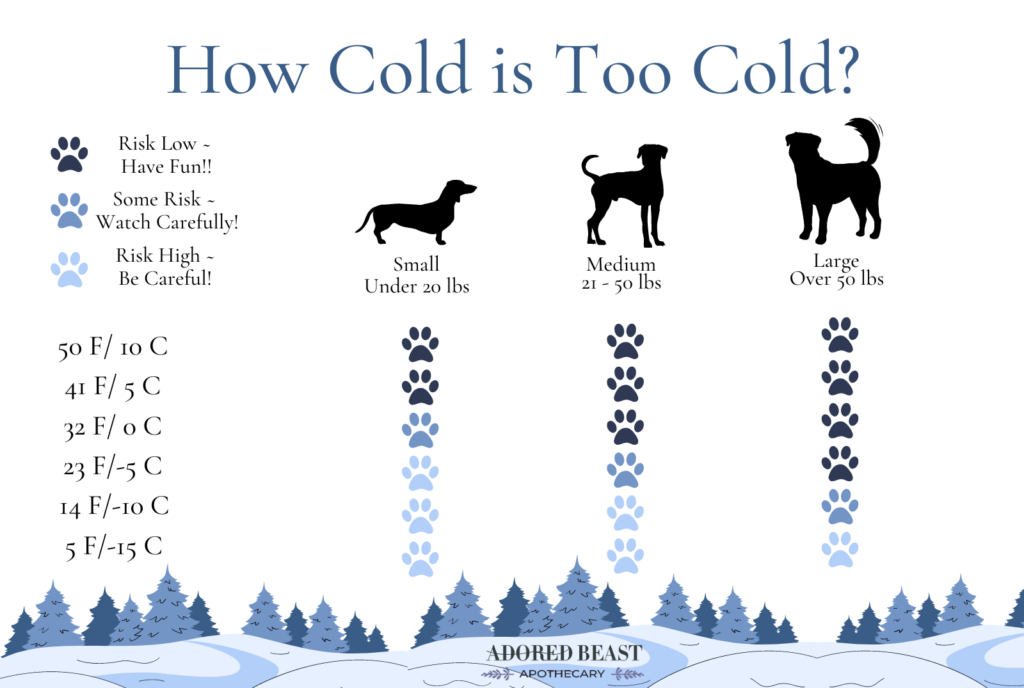
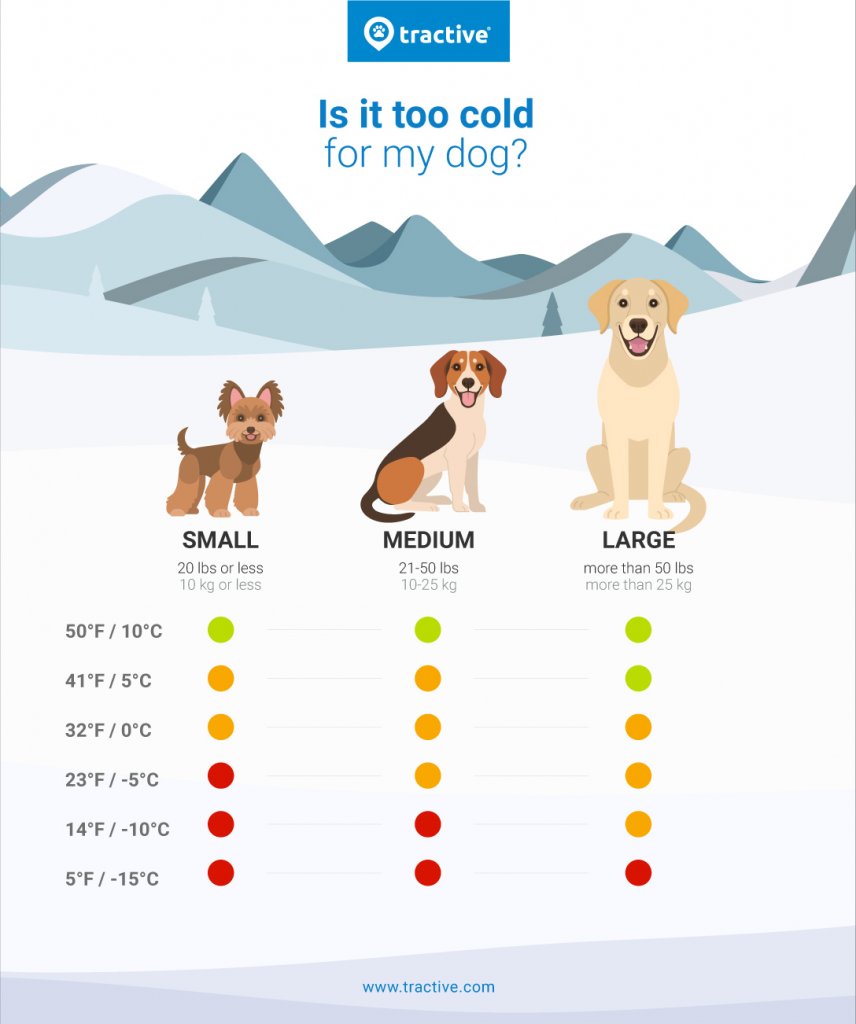
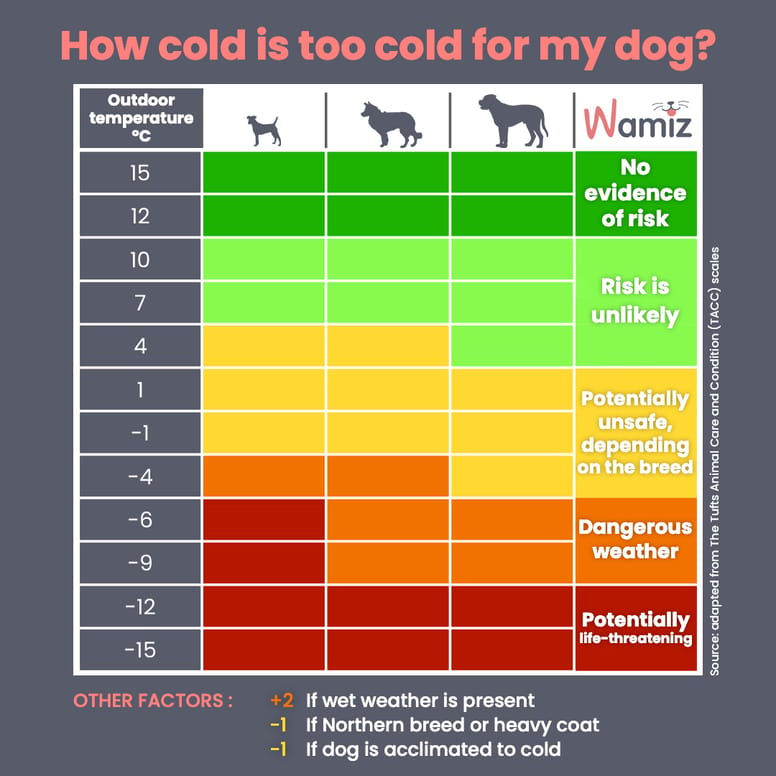
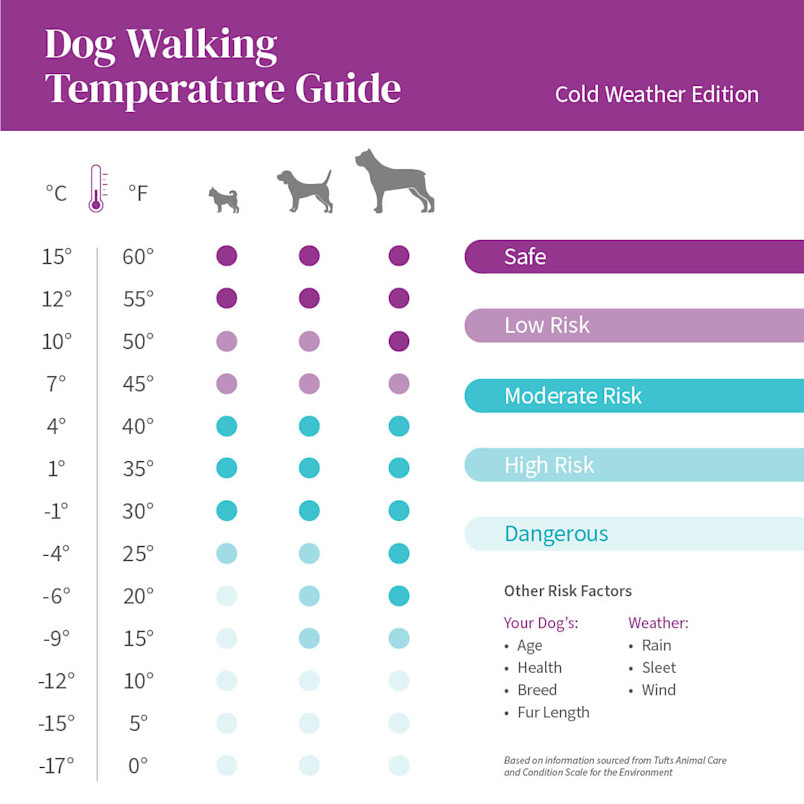
A temperature below freezing is a point where many dog owners should begin paying closer attention, but it does not create the same risk for every dog. Some large dogs with dense winter coats may tolerate cold walks better than smaller dogs with thin coats.
A practical guide is to treat temperatures around 45°F as a point where some sensitive dogs may need monitoring. Around 32°F and below, many dogs need shorter walks and closer observation. Extremely low temperatures can become unsafe even for cold-weather breeds.
Source: lammburg.de
Above 45°F
Most healthy dogs can usually walk comfortably, although individual dogs may still feel cold.
32°F to 45°F
Sensitive dogs may need shorter walks, extra monitoring, or protective clothing.
Below 32°F
Cold exposure risk increases, especially for small, thin-coated, young, old, or sick dogs.
Very low temperatures
Long walks may become unsafe because the body can lose heat faster than it can replace it.
Why Temperature Alone Does Not Tell The Whole Story
The same temperature can feel very different depending on conditions. Wind removes heat from the body faster, while wet fur reduces insulation. Snow, ice, and salt on sidewalks can also create problems for paws.
A calm, dry 25°F day may be easier for some dogs than a windy, wet 35°F day. Weather conditions should always be considered along with the thermometer.
Which Dogs Are Most At Risk In Cold Weather
Some dogs naturally handle cold better because of body size, coat thickness, and breed history. However, even cold-adapted dogs can become too cold during long exposure or harsh weather.
Owners should use their dog’s behavior as an important safety signal. A dog that normally enjoys walks but suddenly wants to turn around may be communicating that the conditions are uncomfortable or unsafe.
Source: animalia-life.club
Small dogs
Small bodies lose heat faster, making tiny breeds more vulnerable during cold walks.
Short-haired dogs
Dogs with thin coats have less natural insulation against cold air and wind.
Puppies and senior dogs
Young and older dogs may have more difficulty controlling body temperature.
Dogs with health problems
Certain medical conditions can reduce cold tolerance and increase risk.
Cold Weather Breeds Still Need Limits
Breeds developed for cold climates often have features that help them stay warm, such as thick double coats. However, this does not mean they are immune to cold injury.
Long exposure, wet conditions, or extreme temperatures can still overwhelm a dog’s ability to maintain body heat.
Signs Your Dog Is Too Cold During A Walk
The safest way to know if your dog is too cold is to watch for physical and behavioral changes. Dogs do not always show discomfort in obvious ways, so small changes matter.
If your dog shows signs of cold stress, end the walk and move to a warm, dry area. Do not force a dog to continue exercising in unsafe weather.
Source: itsadogz.life
Shivering
Trembling can be an early sign that the body is trying to create more heat.
Paw lifting
Repeatedly lifting paws may indicate cold, ice, salt irritation, or discomfort.
Slowing down
Reluctance to walk, stopping often, or turning back can signal a problem.
Weakness or confusion
Severe cold exposure can affect normal movement and awareness.
What To Do If Your Dog Gets Too Cold
Bring your dog indoors, dry any wet fur, and provide gentle warmth. Avoid using very hot heating sources directly on cold skin because sudden heat can cause injury.
If a dog remains weak, unusually sleepy, confused, or continues showing signs of distress, veterinary advice may be needed.
How To Safely Walk Your Dog In Cold Weather
Cold weather walks can often be made safer by changing the routine instead of completely stopping exercise. Shorter trips, better timing, and simple protection can help many dogs stay comfortable.
The goal is not to keep every walk the same length all year. Winter conditions require adjusting the plan to match what your dog can safely handle.
Source: wamiz.co.uk
Check weather conditions first
Look at temperature, wind, precipitation, and ground conditions before leaving.
Keep walks shorter
Reduce outdoor time when temperatures drop or conditions become harsh.
Protect paws
Check paws after walks and remove ice, snow, salt, or debris.
Use indoor exercise when needed
Play, training, and indoor activities can replace outdoor exercise during dangerous weather.
Common Winter Walking Mistakes
A common mistake is assuming that a dog is safe simply because the dog wants to go outside. Many dogs enjoy activity even when they are uncomfortable.
Another mistake is judging safety only by temperature. Wind, moisture, and the individual dog often make a bigger difference than the number on the thermometer alone.
How Long Can A Dog Walk In Cold Weather
There is no universal safe walking time because dogs respond differently to cold. A healthy large dog may handle a longer walk than a small dog with a thin coat.
Owners should begin with shorter outdoor periods and increase only if the dog remains comfortable. The dog’s behavior during and after the walk is the best guide.
Source: animalia-life.club
Short exposure
Brief bathroom breaks may be appropriate when weather is cold but manageable.
Moderate walks
Possible for suitable dogs when weather is dry and the dog remains comfortable.
Extended outdoor time
Requires caution because cold stress risk increases with longer exposure.
Frequently Asked Questions
Q
Can dogs walk outside when it is below freezing?
Some dogs can tolerate brief walks below freezing, but the risk depends on the dog’s size, coat, health, and weather conditions. Shorter walks and close monitoring are safer.
Q
Do dogs need coats for winter walks?
Some dogs benefit from coats, especially small, short-haired, or older dogs. Thick-coated breeds may not need one in mild cold, but conditions still matter.
Q
Can a dog’s paws get damaged by snow and ice?
Yes. Ice, sharp snow, and sidewalk chemicals can irritate or injure paws. Checking and cleaning paws after walks can help prevent problems.
Q
Is it safer to skip a walk during extreme cold?
Yes. When conditions create a high risk of cold injury, indoor exercise is a safer alternative than a normal outdoor walk.
✦ Wrapping Up
Conclusion
The answer to how cold is too cold to walk the dog depends on more than temperature alone. A dog’s breed, size, coat, health, and the weather conditions all affect winter safety.
Responsible winter walking means watching your dog’s signals, reducing exposure when needed, and choosing safety over maintaining a normal routine. A shorter walk is better than pushing a dog through dangerous cold.
💡 Key Takeaway
Before every winter walk, check the weather, consider your dog’s cold tolerance, keep the outing appropriate for the conditions, and return indoors if your dog shows signs of discomfort.