Why Are Dogs Friendly To Humans: The Real Reason
Dogs are friendly to humans because thousands of years of domestication shaped them to read, trust, and cooperate with people. In the United States, where dogs often live as household companions rather than working animals, that friendliness shows up in tail wags, relaxed body language, eye contact, and a strong drive to seek human attention.
Dogs did not become “friendly” by accident. They evolved from wolves, and over many generations, humans selected the animals that were less fearful, more social, and better at living near people. Today, a dog’s friendliness comes from a mix of genetics, early socialization, learning, and the rewards they get from human interaction.
What “friendly” means in a dog
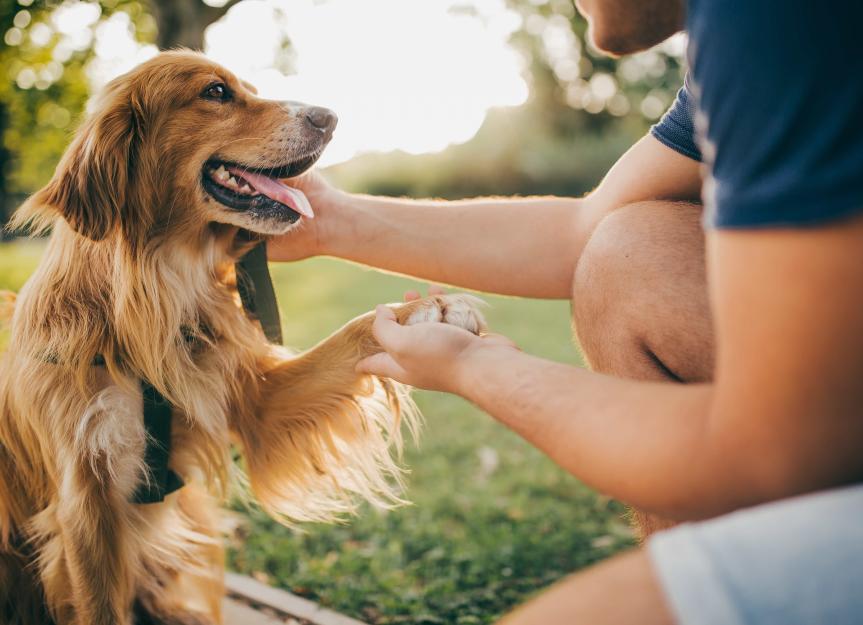
A friendly dog is not just one that wants petting. Friendliness usually means the dog feels safe around people, approaches calmly, and uses social behaviors that invite interaction.
Common signs include:
- Soft body posture
- Relaxed ears and face
- Loose tail movement
- Seeking proximity to people
- Gentle play behavior
- Tolerance for touch and handling
Friendliness is not the same as obedience. A dog may be highly social but still poorly trained. It is also not the same as excitement. Some dogs rush up to strangers because they are overstimulated, not because they are truly calm or well-socialized.
Why dogs evolved to like people
Dogs are friendly to humans largely because humans favored that trait over time. Early wolves that were less aggressive and better at scavenging near human settlements had a survival advantage. Those animals were more likely to get food and less likely to be driven away.
Over many generations, that process produced dogs with traits that fit human life:
- Lower fear of people
- Greater tolerance for crowding and handling
- Better ability to read human gestures
- Stronger interest in social bonding
- More flexible behavior in different environments
Researchers often describe this as domestication through natural and human selection. The result is a species that does especially well living alongside people.
The role of genetics
Genes help shape a dog’s social behavior. Some breeds were selected for close human cooperation, such as herding dogs, hunting dogs, and companion breeds. That does not mean every dog in a breed behaves the same, but breed tendencies can influence friendliness, sensitivity, and sociability.
Genetics affects:
- How bold or cautious a dog is
- How strongly it seeks human contact
- How quickly it adapts to new people
- How reactive it is to noise, touch, or stress
A dog’s breed mix can help explain behavior, but it does not determine it completely. Two dogs with similar genetics can act very differently if they are raised differently.
Why puppies often bond so quickly
Puppies are especially open to forming social bonds. During early development, they go through a socialization window when new experiences have a strong effect on future behavior. Positive exposure to people, sounds, handling, and safe environments helps puppies become confident adult dogs.
That is why early experience matters so much:
- Puppies handled gently by people often become more comfortable with humans
- Puppies exposed to different ages, voices, and routines usually adjust better
- Puppies raised with too little contact may become fearful or avoidant
this does not mean every puppy with early socialization becomes outgoing. But it gives the dog a much better chance of being calm and friendly around people.
Why dogs form emotional bonds with humans
Dogs do not just tolerate humans; many actively bond with them. That bond is reinforced by daily care, food, play, touch, and routine. Dogs learn that humans predict good things.
This relationship is built through:
- Feeding and access to water
- Walks and exercise
- Play and attention
- Comfort during stress
- Predictable routines
Dogs also respond to human cues in ways that strengthen trust. They notice tone of voice, posture, facial expression, and movement. Over time, this makes human interaction feel familiar and rewarding.
The chemistry of dog-human bonding
Biology helps explain why dogs and humans can feel so connected. Social interaction can trigger hormones and brain signals linked to bonding and reward. One well-known example is oxytocin, a hormone associated with attachment and social comfort.
When a dog and a human interact positively, both can show changes tied to relaxation and bonding. This helps explain why petting, eye contact, and calm talk often strengthen the relationship. In plain terms, the interaction feels good, so the dog wants more of it.
Why some dogs are friendlier than others
Not every dog is equally friendly to every person. Temperament, life history, health, and training all matter. A dog that seems unfriendly may be scared, under-socialized, in pain, or simply not interested in strangers.
Factors that affect friendliness include:
| Factor | How it can affect behavior |
|---|---|
| Early socialization | Better exposure often leads to more confidence |
| Genetics | Some dogs are naturally more social or cautious |
| Training | Reward-based training can improve calm human interaction |
| Past experiences | Fearful or rough handling can reduce trust |
| Health | Pain, illness, or discomfort can make a dog avoid people |
A dog that avoids people is not necessarily “mean.” In many cases, the dog is communicating discomfort or uncertainty.
Why dogs are often friendly to strangers
Many dogs are friendly to strangers because humans have become a central part of their daily world. Dogs learn that new people may bring attention, treats, walks, or play. They also often live in homes where visitors are normal, so strangers become part of the environment.
Still, not every dog should be expected to greet strangers warmly. Some dogs are naturally reserved. Others were trained to guard property or protect their home. A dog’s friendliness should always be judged with caution and respect.
Common mistakes people make when reading dog friendliness
People often misunderstand dog behavior. A wagging tail does not always mean a dog wants contact, and a dog that licks your hand is not always comfortable.
Common mistakes include:
- Assuming all tail wags mean happiness
- Approaching a dog too fast
- Staring directly into a dog’s eyes
- Forcing touch on a nervous dog
- Confusing excitement with friendliness
- Ignoring signs of stress, such as lip licking or backing away
A friendly dog still deserves space. Let the dog choose whether to approach.
How to tell if a dog is truly friendly
The safest way to judge friendliness is to watch the dog’s whole body, not just one signal. A genuinely comfortable dog usually looks loose, calm, and curious.
Good signs include:
- Soft eyes
- Relaxed mouth
- Loose, wiggly posture
- Voluntary approach
- Willingness to stay near you
- Ability to disengage and move away
Warning signs include:
- Stiff body
- Closed mouth with tension
- Frozen posture
- Hard staring
- Tucked tail
- Backing away or hiding
If a dog shows fear or tension, do not force interaction. Give the dog space and let the owner guide the meeting.
What this means for dog owners
If you want a dog to be friendly, the best approach is early socialization, patient training, and consistent positive experiences. Friendliness grows when the dog learns that people are safe and predictable.
Practical steps include:
- Exposing puppies to new people in controlled ways
- Rewarding calm behavior around humans
- Avoiding rough handling
- Using positive reinforcement instead of intimidation
- Respecting the dog’s comfort level
A dog that trusts people is usually a dog that has had repeated reasons to trust them.
FAQs
Are dogs naturally friendly to humans?
Dogs are naturally social, but their friendliness toward humans is the result of domestication, socialization, and learning. Many dogs are drawn to people because humans have always provided food, safety, and attention.
Why do dogs like humans more than other animals?
Dogs are highly adapted to human social cues. They often find human attention rewarding and easier to interpret than the behavior of other animals.
Can a dog become friendlier over time?
Yes. With patient training, positive experiences, and proper socialization, many dogs become more comfortable and trusting around people.
Why is my dog friendly with me but not with strangers?
Your dog likely trusts you because of repeated positive experiences. Strangers are less familiar, so your dog may need more time, space, and controlled exposure.
Does breed affect how friendly a dog is?
Breed can influence temperament, but it does not determine it completely. Individual history, training, and environment often matter just as much.
Conclusion
Dogs are friendly to humans because evolution, biology, and daily experience all push them in that direction. Their friendliness is not random. It is the result of thousands of years of living with people, plus the trust built through care, routine, and positive interaction.
If you want a dog to stay friendly, focus on calm handling, early socialization, and respect for the dog’s comfort signals. That is how trust grows, one good interaction at a time.