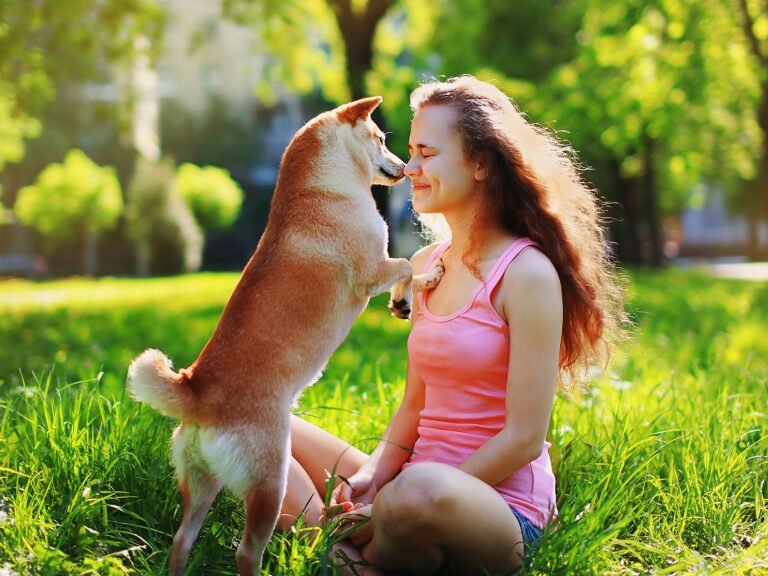
Why Are People Obsessed With Dogs: The Real Reasons
People in the United States are obsessed with dogs because dogs meet several deep human needs at once: companionship, routine, physical touch, emotional support, and social connection. They are also highly responsive to human cues, which makes many owners feel understood in a way that is hard to match with other animals.
In plain terms, dogs are not just pets. For many Americans, they function like family members, stress relievers, exercise partners, and social bridges. That mix explains why dog ownership, dog content, and dog-centered lifestyles have such strong staying power across U.S. homes, cities, and communities.

What “Dog Obsession” Really Means in the U.S.
Dog obsession usually means more than liking animals. It often refers to the strong emotional attachment people form with dogs, the time and money they spend on them, and the way dogs shape daily routines, travel plans, housing choices, and even social identity.
In the United States, this shows up in many ways: dogs in holiday cards, “dog mom” and “dog dad” language, pet-friendly apartments, dog birthday parties, and a huge market for treats, toys, grooming, training, and veterinary care. The pattern is cultural, but it is also practical. Dogs are visible, interactive, and easy to include in everyday life.
Why dogs feel different from other pets
Dogs tend to respond to human voices, faces, gestures, and routines more strongly than many other animals. That makes the relationship feel mutual. When a dog greets someone at the door, follows them from room to room, or learns a household pattern, the owner often reads that behavior as affection.
Cats, birds, fish, and reptiles can be wonderful companions too. But dogs usually offer a more obvious back-and-forth bond. That feedback loop helps explain why people often describe dogs as “loyal,” “sensitive,” or “like family.”
The Main Reasons People Love Dogs So Much
The strongest reason people are obsessed with dogs is that dogs satisfy both emotional and practical needs. They provide comfort, structure, companionship, and a sense of purpose. Few companions do all four at the same time.
1. Dogs offer constant companionship
Dogs are present in a way that feels steady and easy to trust. They do not just appear on demand; they share space, routines, and quiet moments. For people living alone, working remotely, or feeling isolated, that steady presence matters a lot.
This is one reason dogs are so attractive in the U.S., where many people experience long commutes, busy schedules, and fragmented social time. A dog can make a house feel occupied, warm, and alive.
2. Dogs help people feel emotionally supported
Many owners experience dogs as calming. A dog’s presence can make a stressful day feel more manageable. Petting a dog, hearing a familiar bark, or seeing a wagging tail can create a quick sense of relief.
That does not mean dogs are a substitute for human relationships or mental health care. But they can make hard moments feel less heavy. For many people, dogs are a reliable source of comfort without judgment.
3. Dogs create routine and purpose
Dogs need walks, meals, play, grooming, and attention. Those needs give the day structure. People often say their dog “gets them up” or “keeps them moving,” and that is not just a joke.
Routine can be especially valuable during life changes, retirement, grief, or loneliness. Caring for a dog gives people a reason to stay active and consistent. That sense of responsibility can be deeply satisfying.
4. Dogs are easy to bond with socially
Dogs are social magnets. A dog on a leash often starts conversations at parks, sidewalks, trails, and pet stores. In many U.S. neighborhoods, dogs help strangers talk to one another.
This social effect is a major part of the obsession. Dogs do not only connect people to themselves; they connect people to other people. That makes dog ownership feel like membership in a shared culture.
5. Dogs encourage healthier habits
Dog owners often walk more, spend more time outdoors, and keep more regular schedules than they otherwise might. A dog can turn exercise from a chore into a daily ritual. That benefit is practical, visible, and easy to appreciate.
This is one reason dogs have such broad appeal. They are affectionate, but they are also active. They fit lifestyles that value movement, outdoor time, and daily structure.
Why the Dog-Human Bond Feels So Strong
The dog-human bond feels intense because dogs are unusually skilled at reading human behavior. Over thousands of years, dogs were bred and selected for traits that helped them live alongside people. That long relationship shapes how they act today.
Dogs often notice tone of voice, posture, routine, and emotional energy. They can learn what a leash means, what shoes mean, what the sound of keys means, and what bedtime looks like. That pattern recognition makes them seem tuned in.
The result is emotional shorthand. A person does not have to explain much to a dog to feel understood. Even if the dog is not “thinking” the same way a person does, the interaction still feels personal and rewarding.
The attachment is real, but it is not magical
It is easy to overstate what dogs understand. They do not interpret the world like humans do. They respond to learned cues, instincts, and social signals.
Still, the bond is genuine. A relationship does not need human-like reasoning to feel meaningful. What matters to the owner is the lived experience: the dog shows up, reacts, and stays close.
What Makes Dogs So Popular in American Culture?
Dogs are deeply woven into U.S. culture. They appear in movies, ads, social media, sports, politics, and neighborhood life. That visibility reinforces the idea that dogs are part of the American home.
Americans also tend to frame dogs as family members more often than many other animals. That cultural framing affects spending and behavior. People buy special food, clothing, beds, and birthday treats because the dog is treated like a household member, not just a pet.
Another factor is the strong pet industry in the United States. When a culture builds stores, services, and media around dogs, it becomes easier for people to stay engaged. The obsession grows through repetition, not just affection.
Common cultural drivers behind dog devotion
| Cultural driver | Why it matters | Practical effect |
|---|---|---|
| Family framing | Dogs are treated like relatives | People invest more time and money |
| Media visibility | Dogs appear in ads and entertainment | Dogs stay top of mind |
| Pet-friendly spaces | Parks, patios, stores, and housing support dogs | Ownership feels easier |
| Social sharing | Dog photos and videos perform well online | Dog love becomes public and normalized |

Why Some People Feel More Attached to Dogs Than Others
Not everyone is equally obsessed with dogs. Attachment depends on personality, lifestyle, childhood experience, and current life stage. Some people want a high-contact companion. Others want less responsibility or prefer different animals.
People who often bond strongly with dogs
- People who live alone
- Families with children
- Older adults seeking companionship
- Active people who like walks and outdoor time
- People who grew up with dogs
- Remote workers who want daily company
People who may feel less drawn to dogs
- People with allergies or asthma
- People who travel often
- People who want low-maintenance pets
- People who dislike noise or mess
- People whose housing limits pet ownership
This matters because “dog obsession” is not universal. It is shaped by fit. When a dog matches a person’s routine and values, the bond becomes much stronger.
The Downsides of Dog Obsession
Dog love is common, but it can also go too far. The problem is not affection itself. The problem is when strong attachment leads to poor judgment, unrealistic expectations, or neglect of the dog’s real needs.
Common mistakes people make
- Treating a dog like a human child in every situation
- Ignoring training because the dog is “cute”
- Spending beyond a realistic budget
- Assuming every dog wants the same amount of attention
- Bringing a dog into a lifestyle that cannot support it
Dogs need boundaries, training, exercise, and veterinary care. Love alone is not enough. A healthy relationship with a dog balances affection with structure.
When attachment becomes a problem
Attachment is unhealthy when it causes major financial strain, social isolation, or unsafe behavior. It can also become a problem if someone uses a dog to replace all human connection. Dogs enrich life best when they complement it, not when they carry every emotional burden.
Is the Dog Obsession Justified?
Yes, mostly, because dogs offer a rare combination of companionship, joy, and practical benefit. They are interactive, expressive, and easy to include in daily life. For many Americans, that combination is genuinely hard to replace.
But the strongest version of dog obsession is healthiest when it is realistic. Dogs are not perfect. They need time, training, money, and patience. People who understand that tend to enjoy the relationship more, not less.
So the better question is not whether people are irrational to love dogs. The better question is why dogs fit so well into human life. The answer is simple: they give back in ways people can feel every day.
FAQ
Why do dogs make people so happy?
Dogs often make people happy because they provide attention, movement, affection, and routine. They also create positive moments throughout the day, which can improve mood.
Are dogs really better companions than cats?
Not for everyone. Dogs and cats offer different kinds of companionship. Dogs are usually more outwardly social and responsive, while cats may be more independent.
Why do people treat dogs like family?
People treat dogs like family because dogs live closely with humans, share routines, and form strong social bonds. Over time, that close contact creates emotional attachment.
Do dogs help with loneliness?
For many people, yes. Dogs can reduce feelings of isolation by providing companionship and daily interaction. They cannot replace human relationships, but they can ease loneliness.
Why are dogs so popular in the United States?
Dogs are popular in the United States because American culture strongly supports pet ownership, pet-friendly services, and family-style treatment of dogs. Media, housing trends, and social habits all reinforce that popularity.
Conclusion
People are obsessed with dogs because dogs fit human life unusually well. They offer emotional support, daily structure, physical activity, and easy social connection. In the United States, where dogs are deeply woven into family life and culture, that bond becomes even stronger.
The obsession makes sense when you look closely. Dogs are not just lovable. They are useful, responsive, and emotionally rewarding in ways that many people find hard to match.