Why Do Dogs Ears Go Back: Meaning And Body Language
A dog’s ears may go back because they feel nervous, unsure, excited, submissive, or uncomfortable. The same ear position can mean different things, so you must read the ears with the dog’s eyes, mouth, tail, posture, and recent events.
In the United States, this is a common question for dog owners at home, in dog parks, during grooming, and at veterinary visits. A dog who pulls the ears back during a thunderstorm may be scared. A dog who does it while greeting you may be relaxed or seeking attention. A dog who keeps one ear back and shakes the head may have an ear problem.
The safest rule is simple: ears back are a clue, not a diagnosis. Look at the full body and check for sudden changes, pain, or illness.
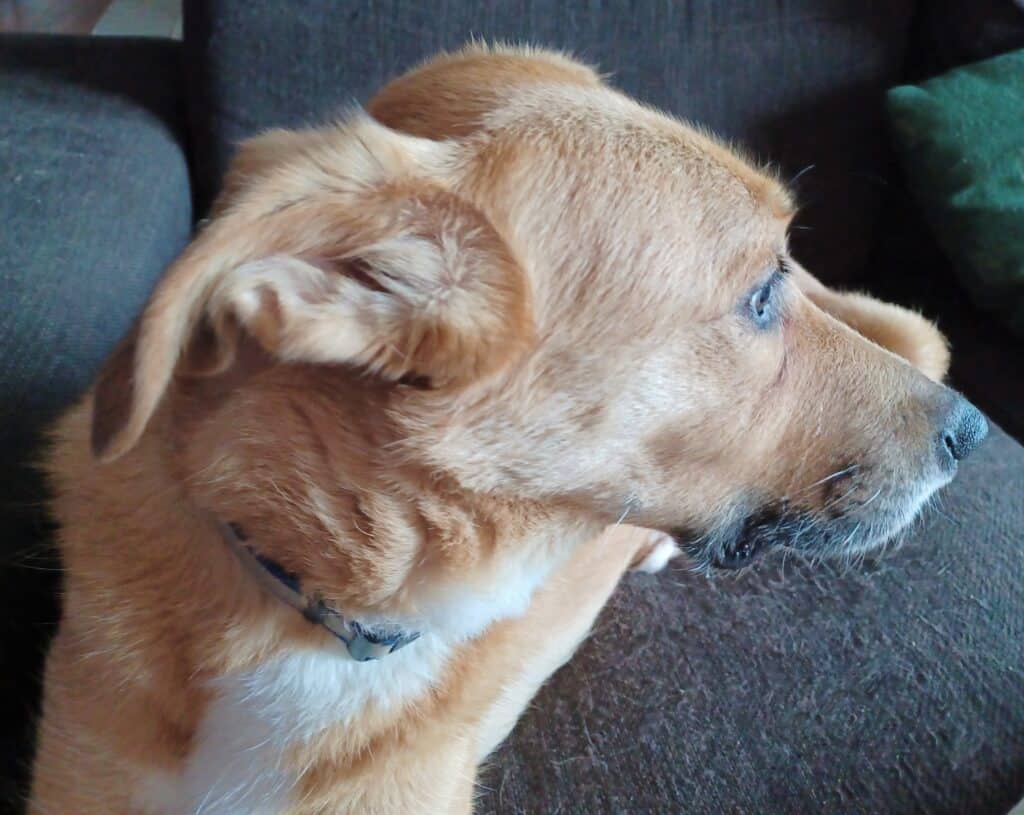
What Do Dogs’ Ears Back Mean?
Dogs often move their ears back to show that they are lowering their social pressure or reacting to something around them. The meaning depends on the ear position and the rest of the body.
Common reasons include:
- Fear or anxiety
- Uncertainty
- Appeasement or submission
- Relaxation
- Excitement
- Attention seeking
- Pain or illness
- A response to sound or touch
Dogs use their ears as part of a larger communication system. Ears that move back can make a dog look smaller and less threatening. This may help the dog avoid conflict when it feels worried or unsure.
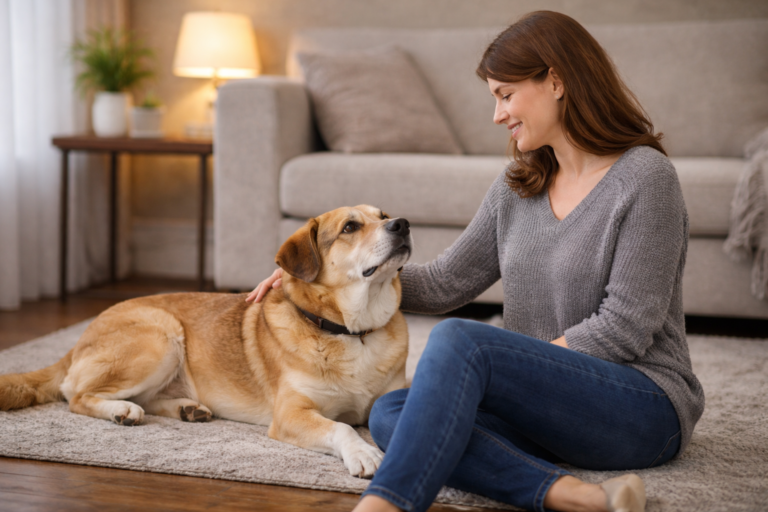
A dog may also hold its ears back when it is happy to see someone. Some dogs pull their ears back during a friendly greeting and keep a loose body, soft eyes, and a relaxed mouth. This is sometimes called “happy ears.”
Ear position is not enough
Do not judge a dog’s mood from the ears alone. Compare the ear position with these signs:
| Other body signal | What it may suggest |
|---|---|
| Loose body, soft eyes, relaxed mouth | Comfort or friendly excitement |
| Crouched body, tucked tail, lip licking | Fear or stress |
| Stiff body, hard stare, closed mouth | Tension or a warning |
| Panting, pacing, trembling | Anxiety, heat, pain, or illness |
| Head shaking, scratching, odor, discharge | Possible ear disease |
| One ear held back for long periods | Possible discomfort or injury |
These signs are not a diagnosis. They help you decide whether to give the dog space, reduce stress, or call a veterinarian.
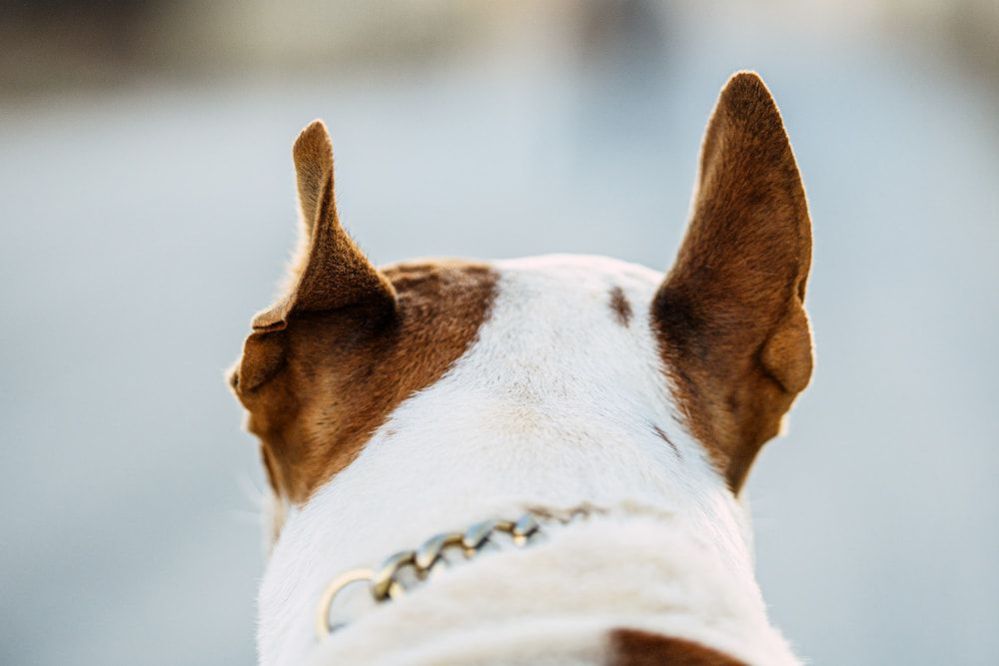
Why Do Dogs Put Their Ears Back When They Are Scared?
Dogs often flatten or pull their ears back when they feel afraid. This body language can appear during fireworks, thunderstorms, car rides, visits to the veterinarian, loud household activity, or contact with unfamiliar people or dogs.
A fearful dog may also:
- Tuck its tail
- Lower its body
- Turn its head away
- Avoid eye contact
- Lick its lips
- Yawn when not tired
- Tremble or hide
- Pant without exercise or heat
- Try to escape
- Refuse treats
A dog does not need to growl to feel afraid. Some frightened dogs freeze or become very quiet. Others bark, snap, or lunge because they want the scary thing to move away.
What to do when your dog is afraid
give the dog more space. Do not force it to greet a person, approach another dog, or accept handling. Move away from the trigger if you can do so safely.
Use a calm voice and keep your movements slow. You can offer a familiar treat if the dog is willing to eat. If the dog will not take food, the fear may be too strong for training in that moment.
Never punish growling or other warning signals. Punishment may stop the sound without removing the fear. It can also make a dog less likely to warn before using defensive behavior.
For repeated fear, ask your veterinarian about a behavior plan. A certified applied animal behaviorist or a qualified veterinary behaviorist may also help. The American College of Veterinary Behaviorists provides a directory of veterinary behavior professionals in the United States.

Why Do Dogs’ Ears Go Back When They Are Happy?
Some dogs pull their ears back during a friendly greeting. The ears may look flat, but the rest of the body appears loose and comfortable.
A happy or relaxed dog may show:
- A loose, wiggly body
- A relaxed jaw
- Soft eyes
- A natural tail wag
- A curved body
- Play bows
- Gentle movement toward you
- A willingness to leave and return
A wagging tail does not always mean happiness. Dogs wag their tails when excited, nervous, or tense. The speed, height, and stiffness of the wag matter, but they still need to be read with the whole body.
Breed also affects ear signals. Dogs with floppy ears may not show the same movement as dogs with upright ears. Cropped ears, heavy ear hair, age, injury, and natural ear shape can change what you see.
How to tell relaxed ears from worried ears
A relaxed dog often has ears that sit slightly back but move freely. The dog may shift its ears toward sounds and then return to a loose position.
A worried dog may hold the ears tightly against the head. It may also keep its body low, look away, lick its lips, or freeze. Stiffness is more concerning than ear position by itself.
When in doubt, stop the interaction. Give the dog a short break and see whether the body becomes loose. A comfortable dog usually has the freedom to move away, sniff, or return without pressure.

Can Ear Position Mean a Dog Is Being Submissive?
Yes. A dog may pull its ears back as part of an appeasement display. This behavior can occur when a dog meets a larger or more forceful dog, greets a person, or expects correction.
An appeasing dog may:
- Lower its head
- Keep its body low
- Turn its face away
- Tuck its tail
- Crouch
- Roll partly onto its side or back
- Lick a person or another dog
- Urinate from excitement or fear
“Submissive” describes a social response. It does not mean the dog is calm or enjoys the interaction. A dog that appears submissive may still feel frightened.
Do not loom over the dog, hold it down, stare into its eyes, or force physical contact. Turn your body slightly to the side, allow an escape route, and let the dog choose whether to approach.
If a dog repeatedly shows appeasement around one person, in one room, or during one type of handling, look for a pattern. The dog may associate that event with fear or discomfort. A reward-based trainer can help change the association.

When Do Ears Back Signal Pain or an Ear Problem?
Ears held back can signal pain, especially when the change is sudden or affects only one ear. Ear pain may come from an infection, allergy, foreign material, injury, ear mites, or another condition.
Contact your veterinarian if your dog has ears back along with:
- Frequent head shaking
- Scratching at the ear
- Rubbing the ear on furniture or the floor
- Redness or swelling
- Bad odor
- Discharge
- Crusts or scabs
- Sensitivity when you touch the head
- A tilted head
- Loss of balance
- Reduced hearing
- Sudden behavior change
Ear infections can affect the outer ear and deeper parts of the ear canal. Problems in the middle or inner ear may affect balance and coordination. A tilted head, stumbling, falling, or rapid eye movement needs prompt veterinary attention.
Do not clean a painful ear without veterinary advice
Do not push cotton swabs into the ear canal. They can injure the ear or push debris deeper. Avoid peroxide, alcohol, essential oils, and leftover medication unless your veterinarian tells you to use them.
A veterinarian may examine the ear with an otoscope and test discharge to identify bacteria, yeast, parasites, or other causes. Treatment depends on the cause. An ear cleaner that helped one dog may irritate another dog or be unsafe if the eardrum is damaged.
Pain can also come from teeth, the jaw, the neck, or the skin near the ear. If the ear looks normal but your dog still holds it back, a full veterinary examination may be needed.

What Should You Do When Your Dog’s Ears Go Back?
Use the situation and the dog’s full body language to choose your next step.
If the dog looks relaxed
Allow the dog to approach at its own pace. Keep your voice soft and avoid sudden handling. If the dog remains loose and social, the ear position may reflect friendly excitement or normal attention.
If the dog looks worried
Increase distance from the trigger. Stop touching the dog and provide a quiet place. Do not punish, corner, or force interaction.
If the dog looks tense or aggressive
Do not reach toward the head or collar. Move children and other pets away. Use a barrier if possible, and contact a qualified behavior professional for a safe plan.
If the change is sudden or physical signs appear
Check for obvious signs of ear trouble, but do not probe the ear. Call your veterinarian, especially if the dog shows pain, balance problems, severe swelling, bleeding, or sudden loss of hearing.
If the behavior keeps happening
Write down what occurs before and after the ears go back. Note the location, people, animals, sounds, handling, body posture, and recovery time. A short video recorded from a safe distance can help a veterinarian or behavior professional understand the pattern.

Dog Ear Position by Situation
The same dog may use the same ear position for different reasons. Context helps narrow the meaning.
| Situation | More likely meaning | Helpful response |
|---|---|---|
| During a thunderstorm | Fear or stress | Provide a quiet retreat and reduce noise |
| During a friendly greeting | Relaxed excitement or appeasement | Let the dog choose contact |
| At the veterinary clinic | Fear, uncertainty, or pain | Use low-stress handling and follow veterinary guidance |
| During ear cleaning | Discomfort, fear, or pain | Stop if the dog resists and ask the veterinarian |
| Around another dog | Uncertainty, appeasement, or fear | Add space and watch for stiffness |
| While resting | Relaxation or response to sound | Observe without disturbing the dog |
| With head shaking or odor | Ear disease or irritation | Arrange a veterinary examination |
| After a loud sound | Startle response | Give the dog time and distance to recover |
A useful test is to watch what happens after the trigger ends. A relaxed dog often returns to normal quickly. A stressed dog may continue pacing, hiding, panting, scanning, or avoiding the area.

Common Mistakes Dog Owners Make
Mistake 1: Treating every ear position as a clear message
Ear position is only one part of body language. A dog with ears back may be happy, scared, sick, or simply listening.
Mistake 2: Assuming a wagging tail means the dog is friendly
Tail movement shows arousal, not always comfort. A stiff, high wag paired with a hard stare may signal tension.
Mistake 3: Forcing a nervous dog to “face its fear”
Forced exposure can increase fear. Safer behavior work uses gradual exposure at a level the dog can handle, paired with rewards.
Mistake 4: Ignoring a sudden change
A new ear position may be the first visible sign of pain. Look for scratching, odor, discharge, head shaking, or sensitivity.
Mistake 5: Using human ear products
Human medicines and home remedies may be unsafe for dogs. Ear treatment should match the cause and the condition of the eardrum.
Mistake 6: Punishing warning signals
Growling, freezing, and backing away provide useful information. Respect the warning and create distance rather than trying to suppress it.
When Should You Call a Veterinarian?
Call your veterinarian if your dog’s ears go back with signs of pain, repeated scratching, head shaking, odor, discharge, redness, swelling, or a head tilt.
Seek urgent veterinary care for severe pain, bleeding, facial weakness, loss of balance, collapse, repeated vomiting, trouble breathing, or a sudden major behavior change.
For fear or aggression that could cause a bite, keep people and animals apart and seek professional behavior help. Your veterinarian can rule out pain and may refer you to a veterinary behavior specialist.
Frequently Asked Questions
Why does my dog put its ears back when I pet it?
Your dog may be relaxed, pleased, uncertain, or uncomfortable. Look for a loose body and soft eyes. If the dog turns away, freezes, licks its lips, or moves away, stop petting and give it space.
Why does my dog’s ear stay back on one side?
One ear held back may reflect a sound, a habit, or discomfort. If the change is new or comes with head shaking, scratching, odor, discharge, or pain, schedule a veterinary examination.
Do dogs put their ears back when they are angry?
They can. Ears back with a stiff body, hard stare, closed mouth, raised hair, growling, or snapping may signal serious tension. Do not approach or punish the dog. Create distance safely.
Why do dogs put their ears back when they see their owners?
Many dogs pull their ears back during a friendly greeting. A loose body, wagging tail, soft eyes, and relaxed mouth suggest comfort. A tucked tail, crouched posture, or avoidance suggests fear or appeasement instead.
Should I touch my dog’s ears if they are held back?
Only if the dog remains comfortable and has no signs of pain. Do not force an ear check. Stop if the dog flinches, pulls away, growls, or tries to bite, and contact your veterinarian if pain is possible.
Key Takeaways
- Dogs’ ears go back for many reasons, including fear, relaxation, appeasement, excitement, and pain.
- Ear position must be read with the dog’s entire body and the surrounding situation.
- Ears tightly held back with a crouched body often suggest fear or stress.
- Ears back with a loose body may be part of a friendly greeting.
- Sudden ear changes, head shaking, odor, discharge, or pain can point to an ear problem.
- Give worried dogs space, avoid punishment, and never force contact.
- Contact a veterinarian when ear position changes suddenly or appears with physical symptoms.
Conclusion
Dogs’ ears go back because they are responding to an emotion, social situation, sound, or physical sensation. The position alone cannot tell you which one.
Start by looking at the dog’s full body. Then consider what happened just before the ears moved. If the dog seems relaxed, let it choose the interaction. If it seems afraid, add space. If it shows pain or ear symptoms, arrange veterinary care.