Why Do Dogs Nibble On Blankets: Reasons And Solutions
Many dogs in the United States nibble, suck, or gently chew on blankets. This behavior is often normal. Dogs may do it because the fabric feels soothing, because they are bored, or because they learned that blanket chewing gets attention.
Still, blanket nibbling can become unsafe if your dog swallows fibers, damages teeth, or shows signs of stress or illness. The key is to look at how your dog nibbles, how often it happens, and what else is going on.

What does blanket nibbling mean?
Blanket nibbling is a mild form of chewing, sucking, licking, or mouthing directed at soft fabric. It is not always the same as destructive chewing. A dog that gently mouths a fleece blanket while resting may have a different reason than a dog that tears fabric apart and eats it.
Common forms include:
- Gentle nibbling while lying down
- Rhythmic sucking on a blanket corner
- Pawing at the blanket before chewing it
- Licking and mouthing the same spot
- Tearing, shredding, or swallowing pieces of fabric
- Carrying a blanket around and chewing it during quiet moments
The behavior can be harmless when it is brief, supervised, and easy to interrupt. It deserves more attention when it is constant, intense, or linked with vomiting, pain, anxiety, or fabric ingestion.
Why do dogs nibble on blankets?
Dogs nibble blankets for several possible reasons. The most common are comfort, instinct, boredom, stress, teething, and learned behavior.
Comfort and self-soothing
Soft fabric can help a dog relax. The texture may remind a puppy of nursing or sleeping with littermates. Adult dogs may keep this habit because the motion helps them settle.
This is more likely when your dog nibbles:
- Before sleep
- During quiet time
- After a stressful event
- In the same calm place
- Without trying to destroy or swallow the blanket
Some dogs also knead blankets with their paws. This can be part of a normal settling routine.
Puppy teething
Puppies explore the world with their mouths. During teething, chewing may also ease sore gums. The American Kennel Club notes that chewing is a normal puppy behavior, but puppies still need safe items and close supervision.
A puppy may choose a blanket because it is soft, easy to carry, and always nearby. However, fabric is not automatically a safe chew item. Loose threads can be swallowed, and a blanket can become a choking or intestinal blockage risk.
Boredom and unused energy
A dog with too little exercise, play, or mental activity may create its own pastime. Blanket nibbling can become a simple way to pass time.
Boredom is more likely if the behavior appears:
- When your dog is alone
- After a day with little activity
- Alongside pacing or attention-seeking
- With chewing of other household items
- In a young, active, or working breed
The solution is not just to remove the blanket. Your dog also needs a better activity that meets its physical and mental needs.
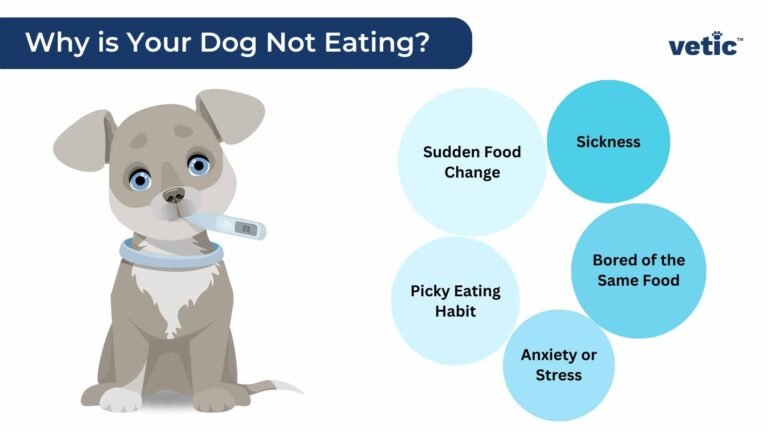
Anxiety or stress
Some dogs chew or suck fabric when they feel worried. Common triggers in U.S. homes include thunderstorms, fireworks, visitors, moving, schedule changes, separation from family, and conflict with another pet.
Stress-related behavior may come with other signs, such as:
- Panting when the room is cool
- Pacing or restlessness
- Trembling
- Whining
- Hiding
- Excessive licking
- Destructive behavior near doors or windows
- Drooling or repeated yawning
A blanket may act like a comfort object. It can help the dog cope for a short time, but it does not remove the cause of anxiety.
Attention and learned behavior
Dogs repeat actions that produce a useful result. If nibbling makes you laugh, talk, chase, or pull the blanket away, your dog may learn that the behavior starts a game.
Even negative attention can reward the habit. Yelling, grabbing the blanket, or chasing your dog may make the action more exciting.
Breed and individual habits
Some dogs are more mouth-focused than others. Retrievers, herding breeds, terriers, and young dogs may be especially likely to carry or chew objects. This does not mean that blanket nibbling is always normal for a certain breed.
A dog’s history matters more than its breed label. A former shelter dog, a dog separated from its litter early, or a dog with a strong suckling habit may use soft fabric as a calming tool. The exact reason cannot be confirmed from the behavior alone.
Hunger or an unusual eating pattern
Blanket nibbling is not usually a sign of hunger by itself. But dogs that eat non-food items may have a condition called pica. Pica is the repeated consumption of objects that have no nutritional value.
Medical problems, diet issues, and some behavioral conditions can contribute to pica. If your dog swallows fabric, contact your veterinarian rather than assuming it is only a bad habit.

Is it normal for dogs to suck or chew blankets?
Gentle blanket sucking can be normal when it is occasional and does not harm your dog. Some adult dogs retain puppy-like suckling habits. The behavior is often called comfort sucking or wool sucking, although it can involve fleece, cotton, or other fabrics.
A normal habit usually has these features:
- Your dog remains relaxed
- The blanket is not being destroyed
- Your dog can stop when called
- No fabric is swallowed
- There are no signs of pain or panic
- The behavior does not replace eating, sleeping, play, or social contact
Do not assume that every repetitive behavior is harmless. A sudden change in chewing or sucking can signal stress, mouth pain, nausea, or another health problem.
Check your dog’s mouth if it is safe to do so. Look for a broken tooth, red gums, swelling, bleeding, or something stuck between the teeth. Do not force your dog’s mouth open if it resists.
Can dogs get sick from chewing or eating blankets?
Yes. Chewing a blanket is not always dangerous, but swallowing fabric can cause serious problems. Material may lodge in the throat, stomach, or intestines. Long threads can act as a linear foreign body and damage the digestive tract.
Contact a veterinarian promptly if your dog may have swallowed blanket material, especially if the blanket contains:
- Loose threads
- Foam or stuffing
- Plastic parts
- Zippers
- Buttons
- Decorative beads
- Chemical treatments
- Heavy dyes or fringe
Watch for these warning signs:
- Vomiting or repeated retching
- Loss of appetite
- Belly pain or a hunched posture
- Weakness or unusual sleepiness
- Diarrhea or trouble passing stool
- Straining to defecate
- Swollen abdomen
- Gagging, choking, or trouble breathing
- Pawing at the mouth
- A visible thread in the mouth or anus
Do not pull a thread from your dog’s mouth or rectum. It may be attached farther inside. Do not give hydrogen peroxide or try to make your dog vomit unless a veterinarian gives specific instructions.
If your dog has trouble breathing, collapses, or appears severely distressed, seek emergency veterinary care in the United States.

How can you stop a dog from nibbling blankets?
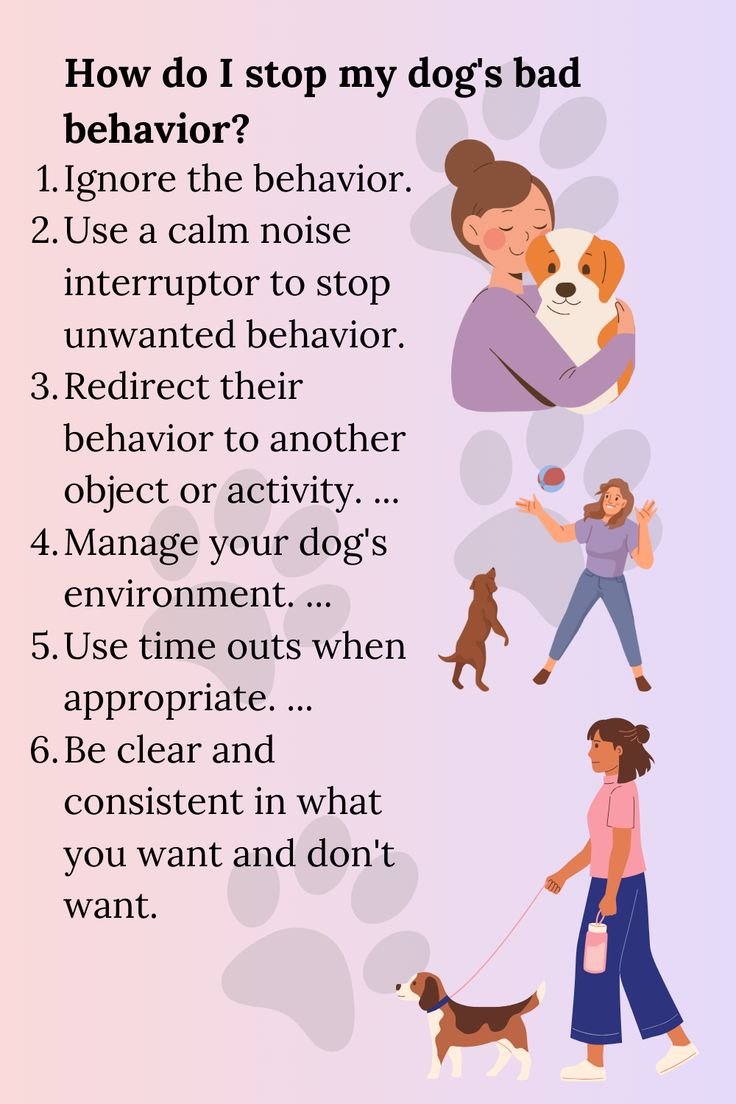
The safest approach is to prevent access, identify the trigger, and teach a replacement behavior. Avoid punishment. It may stop the action for a moment, but it can increase fear and may make your dog hide the behavior.
1. Check whether the blanket is being swallowed
First, inspect the blanket. Look for missing pieces, holes, loose fibers, and wet or chewed areas. If material is missing, remove the blanket and call your veterinarian for guidance.
Do not leave a damaged blanket with your dog, even if the dog has used it for comfort for years.
2. Track when the behavior happens
For several days, write down:
- The time of day
- What happened just before the nibbling
- How long it lasted
- Whether your dog was alone
- Whether your dog could stop
- Any other signs, such as pacing or whining
This simple record can reveal a pattern. For example, chewing may happen only before bedtime, during thunderstorms, or after long periods without activity.
3. Meet exercise and enrichment needs
Give your dog suitable outlets before the usual chewing time. Depending on age, health, and breed, options may include:
- A sniff walk
- Short training sessions
- Food puzzles
- Fetch or tug with clear rules
- Safe chew items made for dogs
- Scent games around the home
- Supervised play with a familiar dog
Increase activity gradually. A sudden jump in exercise can cause pain or injury, especially in puppies, older dogs, and dogs with joint disease.
4. Redirect without creating a chase game
When your dog reaches for the blanket, calmly offer a safe alternative. Praise the dog when it takes the approved item.
For example:
- Say the dog’s name in a calm voice.
- Present a suitable chew or toy.
- Reward your dog for choosing it.
- Put the blanket away when you cannot supervise.
Avoid pulling hard on the blanket. Your dog may treat this as tug-of-war or swallow a piece during the struggle.
5. Make the blanket less available
If the behavior is unsafe, store blankets in a closed area. Use a crate, playpen, or dog-proof room only if your dog already views that space as safe and comfortable.
Never leave fabric items in a crate with a dog that shreds or eats them. A bare, safe sleeping area is better than a soft item that may cause an obstruction.
6. Address anxiety or compulsive behavior
If your dog cannot settle without the blanket, or if chewing occurs with panic, seek veterinary advice. Your veterinarian can check for medical causes and may refer you to a board-certified veterinary behaviorist or another qualified behavior professional.
A behavior plan may include gradual exposure to triggers, predictable routines, reward-based training, and treatment for anxiety when appropriate.

What should you give a dog that likes to chew fabric?
Give your dog a durable, size-appropriate item designed for supervised chewing. The right choice depends on the dog’s size, chewing strength, age, and health.
A safer chew should:
- Be too large to swallow whole
- Have no loose pieces
- Match the dog’s chewing style
- Be checked often for damage
- Be removed when it breaks apart
- Be used under supervision at first
No chew toy is risk-free. The Veterinary Oral Health Council evaluates some products for dental claims, but a seal does not mean a product cannot be swallowed or damaged. Follow the product instructions and ask your veterinarian if your dog has dental disease or a history of intestinal blockage.
Avoid giving old socks, towels, or damaged clothing as toys. Dogs may not understand why one fabric item is allowed while another is forbidden. This can make training harder and increase the chance of chewing clothes, bedding, or rugs.
When should a veterinarian examine a dog that nibbles blankets?
Schedule a veterinary appointment if blanket nibbling is new, intense, or difficult to interrupt. An examination is especially useful when the behavior occurs with appetite changes, vomiting, diarrhea, weight loss, mouth pain, or other unusual signs.
Your veterinarian may assess:
- Teeth and gums
- The mouth and throat
- Digestive symptoms
- Diet and feeding habits
- Medication effects
- Anxiety and environmental changes
- Possible pica or compulsive behavior
Seek urgent care if your dog swallowed fabric and now has repeated vomiting, severe pain, weakness, choking, breathing trouble, or a swollen abdomen. Foreign-body problems can worsen quickly.
Do not wait for symptoms if you know your dog swallowed a large piece, a long thread, stuffing, or part of a blanket with hardware. Early advice can be safer and less costly than waiting for an obstruction.

Common mistakes to avoid
Taking the blanket away without finding the cause
Removing the item may prevent immediate harm, but it does not fix boredom, stress, or a need to chew. Add safe activities and observe what triggers the behavior.
Punishing the dog
Scolding can increase anxiety and may teach your dog to chew when you are not watching. Use calm redirection and reward the behavior you want.
Assuming gentle sucking is always harmless
A relaxed dog may still swallow fibers over time. Inspect the blanket and watch for damage.
Giving fabric toys to a fabric eater
A fabric toy may be suitable for a dog that carries it gently. It is not suitable for a dog that tears and swallows cloth.
Pulling out a swallowed thread
A visible thread can be connected to material deeper in the digestive tract. Call a veterinarian instead of pulling it.
Using bitter sprays without checking the label
Some deterrent products are not safe for every surface or animal. Follow the label and keep sprays away from the eyes, mouth, food, and water.

Quick decision guide
| What you observe | Possible meaning | Best next step |
|---|---|---|
| Gentle nibbling before sleep | Comfort habit | Supervise and check for fabric damage |
| Chewing after little activity | Boredom or unused energy | Add exercise, training, and enrichment |
| Chewing during storms or when alone | Stress or anxiety | Reduce triggers and ask a veterinarian for help |
| Tearing and swallowing fabric | Pica or unsafe chewing | Remove access and contact a veterinarian |
| Sudden chewing with mouth pain | Dental or medical issue | Arrange a veterinary examination |
| Vomiting, pain, weakness, or bloating | Possible obstruction or illness | Seek urgent veterinary care |
The most useful dividing line is not whether the dog touches the blanket. It is whether the dog can stop safely and whether any material enters the digestive system.

Frequently asked questions
Why does my dog nibble blankets at night?
Nighttime nibbling is often linked to relaxation, habit, boredom, or anxiety when the home becomes quiet. Check that your dog has had a bathroom break, appropriate activity, and a safe sleeping area. If the behavior is intense or new, ask your veterinarian about pain and anxiety.
Why does my dog suck on blankets like a puppy?
Some adult dogs keep a suckling habit because it feels calming. It may be harmless when the dog is relaxed and does not swallow fibers. Remove the blanket if it becomes damaged or if your dog cannot stop.
Should I let my puppy chew on a blanket?
Only under close supervision, and only if the puppy does not tear or eat the fabric. A blanket can help a puppy settle, but it is not a safe choice for a puppy that shreds cloth. Use an approved chew item instead.
Can blanket chewing mean my dog has anxiety?
It can. Blanket chewing may be one coping behavior among others, such as pacing, panting, hiding, whining, or destruction. The behavior alone cannot diagnose anxiety, so a veterinarian should assess persistent or severe cases.
What if my dog swallowed part of a blanket?
Call your veterinarian promptly. Do not pull out visible threads and do not induce vomiting unless instructed. Go to an emergency clinic for choking, breathing problems, collapse, severe pain, repeated vomiting, or a swollen abdomen.
Conclusion
Dogs nibble blankets for many reasons, and gentle chewing is often a comfort habit. Boredom, teething, attention, stress, and medical problems can also play a role.
Watch for the important difference between calm, occasional mouthing and destructive chewing or fabric eating. Keep damaged blankets away, provide safe alternatives, reward calm choices, and contact a veterinarian when the behavior is sudden, intense, or linked with illness.