Why Do People Defend Dogs So Much: The Real Reasons
People defend dogs so strongly because dogs hold a unique place in American life: they are pets, family members, working animals, and emotional companions all at once. In the United States, many people see dogs as loyal, harmless, and deeply deserving of protection, so criticism of dogs often feels personal rather than neutral.
That reaction comes from a mix of psychology, culture, identity, and lived experience. Some people defend dogs because they love their own dog. Others do it because they believe dogs are unfairly blamed for human mistakes, breed stereotypes, or isolated bad incidents. In many cases, the defense is less about one animal and more about what dogs represent.

Why people defend dogs so strongly
People defend dogs so much because dogs are often viewed as family, not property or wildlife. That emotional bond changes how people interpret criticism. A comment about dogs can sound, to a dog lover, like a comment about loyalty, comfort, home, or grief.
Dogs also have a strong positive image in American culture. They appear in family stories, rescue campaigns, therapy programs, military service, and everyday neighborhood life. When people see dogs through that lens, they may react quickly to anything that sounds dismissive, harsh, or unfair.
Another reason is simple: many people have had good experiences with dogs. If a dog has comforted them, helped their child, or been part of their daily routine for years, they may feel a strong urge to defend the species as a whole. Personal experience shapes public opinion more than abstract arguments do.
The emotional bond: dogs feel like family
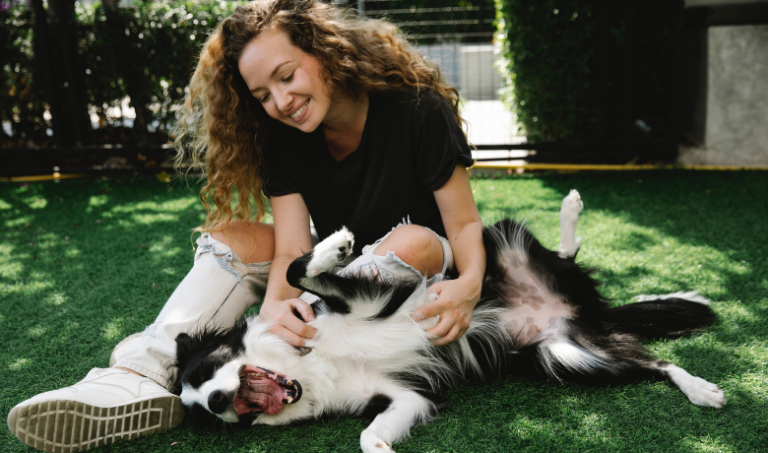
The biggest reason people defend dogs is attachment. Human beings tend to protect what they love, and dogs are one of the most common sources of close attachment in the United States. For many owners, a dog is not “just a pet.” It is a companion with a name, a routine, and a place in the household.
This bond creates emotional reasoning. If someone says dogs can be dangerous, dirty, noisy, or overrated, the listener may hear an insult to a family member. That does not always lead to a rational debate. It often leads to fast, protective language.
There is also a grief factor. People who have lost a dog often remember the animal with deep affection. That memory can make them more sensitive to criticism, especially if the criticism feels broad or unfair.
Dogs are tied to identity and moral values
People often defend dogs because loving dogs can become part of who they are. Dog ownership can signal care, responsibility, warmth, and empathy. In social settings, being “a dog person” can function as a moral identity, not just a preference.
That helps explain why arguments about dogs can become emotionally loaded. If someone strongly identifies as a dog lover, criticism of dogs may feel like criticism of their values. They may respond not only to the claim itself, but also to what they think the claim says about them.
This is especially true in American social media culture, where people often express identity through animals, parenting choices, and home life. A post about dogs can quickly become a statement about kindness, responsibility, or community.
Why criticism of dogs often triggers a strong reaction
Criticism of dogs often feels sharper than criticism of many other animals because dogs are so socially protected. In the United States, dogs are widely treated as companions, while many other animals are viewed more neutrally. That difference changes what people expect to hear in public.
A few common triggers explain the reaction:
- Breed generalization: People dislike when one dog or one breed is used to judge all dogs.
- Owner blame: Many believe the human owner, not the dog, is usually the real problem.
- Loss of status: Dog lovers may feel that dogs are being unfairly compared with animals seen as cleaner, quieter, or “better.”
- Fear of stigma: People with service dogs, rescue dogs, or specific breeds may worry that criticism spreads stereotypes.
In short, people often defend dogs because they think the criticism is incomplete, unfair, or based on bad examples.
The role of breed stereotypes and blame
Breed stereotypes are one of the most controversial reasons people defend dogs. Some people believe certain breeds are naturally dangerous. Others argue that environment, training, socialization, and owner behavior matter far more than breed alone.
This debate creates a strong defensive response because many dog owners feel that broad breed labels punish responsible owners and well-behaved dogs. They may point out that behavior varies widely within any breed. They may also argue that focusing only on breed ignores neglect, abuse, poor supervision, and inconsistent training.
That said, dog defense should not erase risk. Some dogs can pose a greater danger than others because of size, strength, past treatment, or poor handling. The most responsible view is not “all dogs are safe” or “all dogs are dangerous.” It is that risk depends on the individual dog and the circumstances around it.
Why dogs get more defense than some other animals
Dogs get more emotional protection than many animals because they are unusually integrated into human life. They sleep in homes, travel in cars, appear in family photos, and are often treated as children or siblings. That closeness gives them a stronger social shield.
People also defend dogs because dogs are useful in ways that many animals are not. In the U.S., dogs work in search and rescue, law enforcement, therapy, service, and farming. Those roles reinforce the idea that dogs are helpful, noble, and worth protecting.
There is also a moral contrast at work. Some people view dogs as innocent companions, while they see threats coming from bad owners, bad training, or unfair laws. That framing makes defense feel justified and even necessary.
Common reasons people defend dogs
Here is a practical breakdown of the most common motives:
| Reason | What it means | How it shows up |
|---|---|---|
| Emotional attachment | The dog is part of the family | Strong reactions to criticism |
| Identity | Being a dog lover is part of self-image | “Dog people” language |
| Fairness | People think dogs are blamed unfairly | Defense of breeds or individual dogs |
| Experience | Positive contact shapes opinion | “My dog would never do that” |
| Culture | Dogs are seen as socially valuable | Pride in rescue, service, or companionship |
| Empathy | People relate dogs to vulnerability | Anger at cruelty or neglect |
This table matters because not every defense of dogs comes from the same place. Some responses are emotional. Some are practical. Some are about justice, and some are about personal history.
When dog defense becomes reasonable and when it does not
Defending dogs is reasonable when the claim is too broad, unfair, or unsupported. For example, it makes sense to push back if someone says all dogs are aggressive, all large breeds are bad, or every dog owner is irresponsible. Those claims ignore real differences and real evidence.
Defense becomes less helpful when it blocks honest discussion. If a dog has bitten someone, damaged property, or created a safety issue, dismissing the problem helps no one. In those cases, the better response is not denial. It is accountability, management, and prevention.
A good rule is this: defend dogs from unfair generalizations, but do not use love of dogs to avoid responsibility.
Why the debate gets so intense online
Online spaces make dog defense louder and faster. Social media rewards quick emotional replies, not careful nuance. A short post that criticizes dogs can trigger a wave of replies because dog lovers feel personally activated, while non-dog people may feel ready to push back against what they see as blind worship.
The internet also strips away context. A post about one aggressive dog can get read as an attack on every dog. A joke about not liking dogs can get read as cruelty. Without tone, body language, or a face-to-face explanation, people jump to the strongest interpretation.
That is why online dog debates often become more extreme than real-life conversations. The platform encourages simplification, and dogs are a topic that many Americans already feel deeply about.
What this reaction says about people
People defend dogs so much because dogs sit at the intersection of emotion and meaning. They are animals, but they are also symbols of comfort, loyalty, innocence, and home. When people defend them, they are often defending those ideas too.
This does not mean every defense is correct. It does mean the reaction is understandable. In the United States, dogs have earned a place in daily life that few other animals have. That closeness makes criticism feel personal, and praise feel natural.
The healthiest view is balanced: dogs deserve affection, but they also deserve honest discussion about training, safety, and responsibility.
Frequently asked questions
Why do dog lovers get so offended by criticism?
Dog lovers often feel that criticism of dogs is really criticism of something they value deeply. Because dogs are tied to family, comfort, and identity, the reaction is emotional as well as logical.
Are people defending dogs because they think dogs are perfect?
Usually, no. Most people defend dogs because they think the criticism is too broad or unfair. Many dog lovers still recognize that dogs can misbehave, need training, or cause harm if managed poorly.
Why do people blame owners instead of dogs?
Many people blame owners because training, supervision, and environment strongly affect dog behavior. That said, the dog’s size, temperament, history, and health also matter.
Why do some people seem to hate dogs?
Some people dislike dogs because of fear, bad past experiences, allergies, noise, cleanliness concerns, or cultural differences. Disliking dogs does not always mean disliking people who own them.
Is it normal to feel very protective of your dog?
Yes. Many people form strong attachments to dogs and feel protective when they think the animal is being misunderstood or treated unfairly. The key is keeping that feeling balanced with safety and responsibility.
Conclusion
People defend dogs so much because dogs are deeply woven into American family life, identity, and emotion. The defense is not just about animals. It is about loyalty, memory, belonging, and fairness. When people push back hard, they are often protecting a relationship, not just making a point.
The most useful position is balanced: respect dogs, understand why people love them, and still talk honestly about training, safety, and responsible ownership.