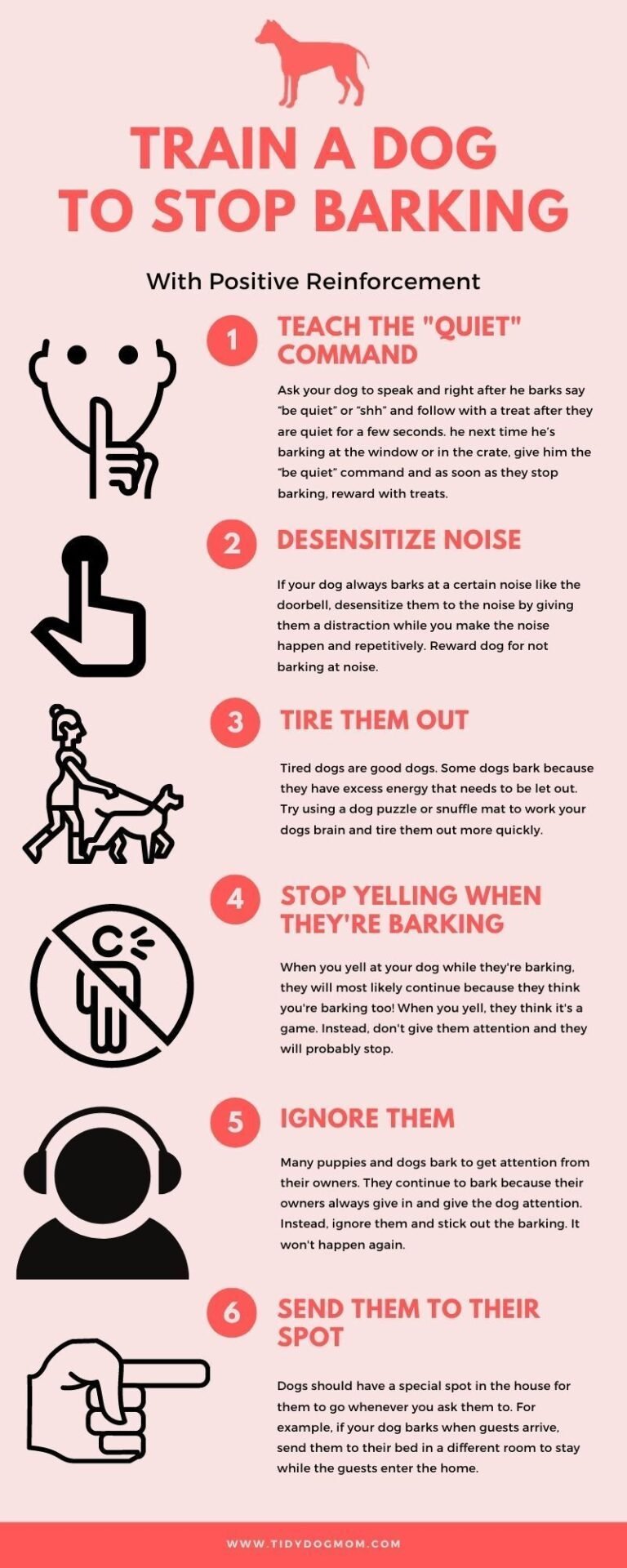
The best way to keep a dog from barking at night is to identify the reason for the barking, improve the dog’s nighttime routine, remove triggers, and use calm training instead of punishment.
In the United States, many dog owners deal with nighttime barking that can disturb family members, neighbors, and the dog’s own sleep. A dog that barks after bedtime is usually communicating a need, reacting to something in the environment, or repeating a learned habit. The solution is not simply making the dog stop making noise; it is finding what causes the behavior and changing the conditions that encourage it.
Night barking can happen because of boredom, fear, outside sounds, separation distress, medical discomfort, aging changes, or a lack of a predictable bedtime routine. A successful plan combines observation, prevention, training, and patience. Sudden changes in barking patterns should also be taken seriously because they may signal pain or health concerns that need veterinary attention.
Source: pupford.com
Why Dogs Bark At Night
Dogs bark at night for different reasons, and the same training method does not work for every situation. A dog barking at a window may need environmental changes, while a dog crying and barking when left alone may need a gradual independence plan.
The first step is to watch and record what happens before the barking begins. Notice the time, location, sounds, body language, and what stops the barking. This information helps separate a true need from a learned attention-seeking habit.
Source: k9web.com
Environmental triggers
Traffic, wildlife, people walking outside, household noises, and other dogs can cause alert barking during quiet nighttime hours.
Boredom and unused energy
Dogs that do not receive enough physical activity or mental stimulation may become restless when the home becomes quiet.
Fear or anxiety
Dark rooms, unfamiliar sounds, isolation, or changes in the home can make some dogs feel unsafe.
Pain, hearing changes, urinary problems, or age-related confusion can contribute to new nighttime vocal behavior.
How To Find The Trigger Before Training
Keep a simple nighttime log for several days. Write down when barking starts, how long it lasts, and what happens afterward. Patterns often reveal whether the dog is reacting to a sound, seeking attention, or struggling to settle.
Look for timing patterns
Barking at the same hour every night may point to a repeated outside event or routine issue.
Create A Better Nighttime Routine
A predictable bedtime routine helps dogs understand when the day is ending. Dogs often relax more easily when meals, exercise, bathroom breaks, and sleep locations follow a regular pattern.
The goal is to meet the dog’s needs before bedtime so barking is less likely to become the way the dog communicates.
Source: Pinterest
Provide exercise earlier in the evening
A walk, play session, or training activity can help reduce excess energy before sleep.
Allow a final bathroom break
Some nighttime barking is caused by discomfort from needing to go outside.
Create a comfortable sleeping area
A quiet, safe space with a comfortable bed can help dogs settle.
Reduce late stimulation
Exciting games, loud activity, or inconsistent routines close to bedtime may make relaxation harder.
Signs The Routine Is Helping
Improvement usually appears as shorter barking episodes, faster settling, and fewer attempts to seek attention after bedtime. Progress may happen gradually because habits take time to change.
Positive signs
The dog goes to the sleeping area willingly and remains calm for longer periods.
Train Your Dog To Be Quiet At Night
Training works best when quiet behavior is rewarded and barking is not accidentally reinforced. Many dogs learn that barking brings attention, even if the attention is a verbal correction.
Teach a calm response during the day first, then use the same skill at night. Dogs usually learn better when they practice in easier situations before facing stronger distractions.
Source: dogshowtv.com
Reward calm moments
Give praise or a small reward when your dog is quiet and relaxed.
Avoid rewarding barking
Repeatedly opening doors, talking, or giving attention during barking can teach the dog that noise works.
Teach a quiet cue
A calm command paired with rewards can help some dogs learn when to stop vocalizing.
What To Do When The Dog Keeps Barking
If barking continues, return to the cause instead of increasing punishment. Strong reactions may increase fear or excitement in some dogs. Review the environment, routine, and training consistency.
Change one factor at a time
Small changes make it easier to identify what actually improves the behavior.
Reduce Common Night Barking Triggers
Managing the environment can reduce opportunities for barking while training takes effect. Prevention is especially useful for dogs that react strongly to sights and sounds outside.
Environmental changes should support training, not replace it completely. Dogs still need to learn how to respond calmly.
Source: sweetcutepets.com
Block visual triggers
Closing curtains or moving sleeping areas away from busy windows can reduce alert barking.
Use background sound
A fan or steady background noise may reduce reactions to sudden outdoor sounds.
Provide appropriate comfort
Some dogs settle better with a familiar sleeping area and predictable surroundings.
When A Barking Dog May Need Veterinary Help
A sudden increase in nighttime barking deserves attention, especially in older dogs or dogs showing other changes. A veterinarian can help identify possible medical causes that behavior training cannot fix.
Seek help for sudden changes
New nighttime confusion, signs of pain, or major behavior changes should be discussed with a qualified professional.
Common Mistakes That Can Make Night Barking Worse
Some common responses accidentally strengthen barking. Understanding these mistakes helps owners avoid creating a cycle where the dog learns that barking always produces a reaction.
Consistency matters. If a dog receives attention for barking on some nights but not others, the behavior may become harder to change.
Source: diggitydog.blog
Yelling at the dog
Loud responses may sound like participation and can increase excitement.
Ignoring every situation
Ignoring may help attention barking, but it is not appropriate when the dog has a medical need or urgent problem.
Expecting instant results
Changing a learned behavior usually requires repeated practice.
How Long Does It Take To Stop Night Barking
The timeline depends on the cause, the dog’s history, and how consistently the plan is followed. A simple routine problem may improve quickly, while anxiety-related barking often requires a longer behavior plan.
Measure progress
Track fewer barking episodes, shorter duration, and calmer bedtime behavior.
Frequently Asked Questions
Q
Why does my dog bark at night but not during the day?
Nighttime is quieter, so dogs may notice sounds that are hidden during the day. Darkness, fewer distractions, and changes in routine can also increase alert behavior.
Q
Should I ignore my dog barking at night?
Ignoring may help when barking is used only to gain attention, but first rule out bathroom needs, fear, discomfort, or health problems.
Q
Can exercise stop a dog from barking at night?
Exercise can help reduce boredom and excess energy, but it will not solve barking caused by fear, pain, or environmental triggers by itself.
Q
How can I stop a puppy from barking at night?
Puppies often need predictable routines, bathroom breaks, gradual independence training, and a comfortable sleeping area.
Q
When should I get professional dog training help?
Consider professional help if barking is linked to severe anxiety, aggression, fear, or if your attempts consistently fail despite careful training.
✦ Wrapping Up
Conclusion
Keeping a dog from barking at night starts with understanding the message behind the behavior. A quiet night is usually created through a combination of routine, training, environmental control, and attention to the dog’s physical and emotional needs.
Avoid quick fixes that only suppress noise without solving the cause. A calm, consistent approach gives the dog a clearer way to communicate and improves the chance of long-term success.
💡 Key Takeaway
Start by tracking why your dog barks at night, improve the bedtime routine, reward calm behavior, and seek professional advice when the cause is unclear or serious.