Why Do Dogs Want To Please Humans: The Science Behind It
Dogs want to please humans because thousands of years of domestication shaped them to read our signals, seek our approval, and stay close to us for safety, food, and social connection. In plain terms, many dogs learn that paying attention to people brings good outcomes, and over time that can look like eager “pleasing” behavior.
In the United States, this shows up every day in homes, parks, training classes, and veterinary clinics. A dog that follows a cue, brings a toy, or settles at your feet is often doing more than “being obedient.” It is responding to a social bond that humans helped build through breeding, selection, training, and daily life.

The short answer: dogs are social partners, not tiny wolves in your living room
Dogs often try to please humans because they are highly social animals that have been selected for cooperation with people. That cooperation helped dogs survive and thrive alongside humans.
The behavior is not one single thing. It is usually a mix of learned reward-seeking, attachment, sensitivity to human body language, and breed- or individual-level temperament. Some dogs are naturally more people-focused than others, but most dogs can learn that human approval matters.
Researchers have found that dogs are unusually good at following human gestures, eye contact, and tone of voice compared with many other animals. That ability makes it easier for dogs to understand what people want and to repeat behaviors that earn praise, treats, play, or access to favorite places.
Why dogs evolved to care about human approval
Dogs that paid attention to people had an advantage as domestication progressed. Human-fed, human-protected animals were more likely to survive if they could read and cooperate with people.
Over many generations, humans unintentionally selected dogs that were calmer, more responsive, and easier to handle. That means the modern house dog is not just a wild animal living indoors. It is a species shaped to fit human social life.
A useful way to think about it is this: dogs that “want to please” are often dogs that have learned humans are part of their safety system. When your dog checks your face, comes when called, or relaxes when you return, it is often acting on that long history of partnership.
Human-directed behavior is not the same as moral intent
Dogs do not try to please humans because they understand right and wrong the way people do. They are usually responding to patterns that have worked well in the past.
That distinction matters. A dog that jumps, barks, or ignores a cue is not being stubborn in a human sense. It may be excited, confused, undertrained, stressed, or distracted.
The main reasons dogs want to please people
Dogs usually show pleasing behavior for four practical reasons: reward, attachment, learning, and survival history. These reasons often overlap.
1. Rewards teach dogs that people are worth paying attention to
Most dogs repeat behaviors that lead to good outcomes. If sitting makes a treat appear, or lying down brings calm praise and a toy, the dog learns that human interaction pays off.
This is basic learning, but it is powerful. The more consistent the reward, the more likely the dog is to repeat the behavior. That is why positive reinforcement often works well in dog training.
2. Dogs form attachment to their humans
Many dogs treat their owners as a secure base, much like young children rely on trusted caregivers. They look to people for comfort, direction, and reassurance.
This attachment can make a dog appear eager to please. A dog that stays near you, watches your face, or becomes upset when you leave is not just being “obedient.” It is showing social dependence.
3. Dogs are highly tuned to human cues
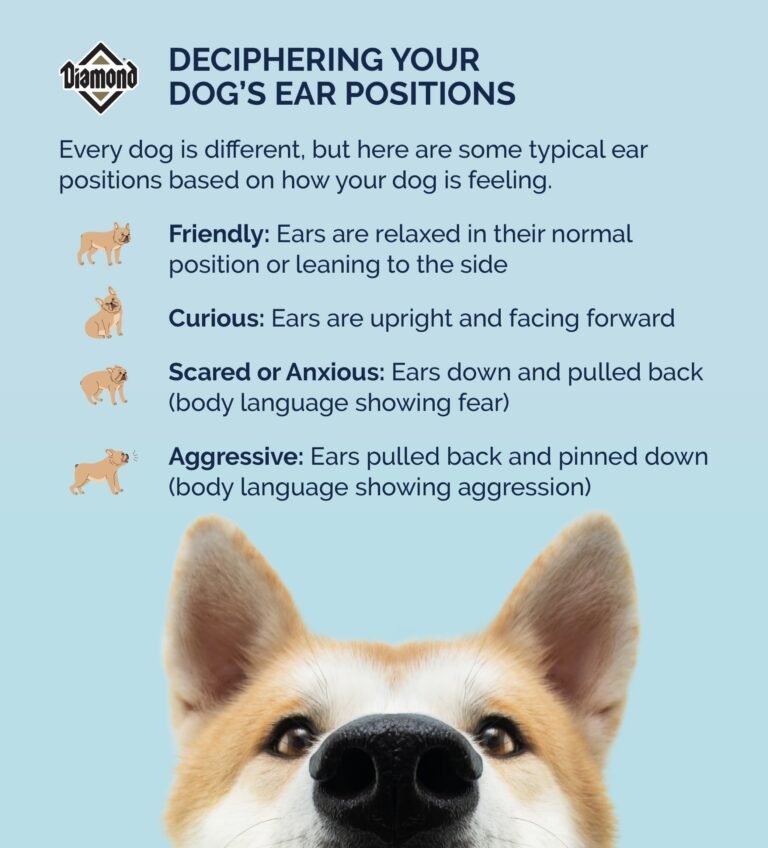
Dogs notice body language, posture, gaze direction, and tone of voice. They often respond before a person even gives a spoken cue.
That sensitivity helps dogs succeed in homes and training environments. It also explains why your dog may seem to “know” when you are happy, frustrated, or about to walk toward the leash.
4. Cooperation helped dogs survive
Dogs that cooperated with humans had better access to food, shelter, and protection. Over time, cooperative behavior became common in the species.
This is one reason dogs differ from many other animals. Their social success is closely tied to humans, so human approval can become a very meaningful signal.
What “pleasing humans” looks like in real life
Dogs express this trait in different ways, depending on the individual and the situation. Common examples include:
- coming when called
- sitting for treats or petting
- bringing toys back during play
- watching your face for direction
- lying quietly nearby
- learning household routines quickly
- staying close on walks
- responding well to praise
These behaviors do not always mean the dog is trying to “make you happy” in a human emotional sense. More often, the dog has learned that those actions lead to good results, reduced stress, or closeness with the owner.
Why some dogs seem more eager to please than others
Not every dog has the same drive to please people. Breed tendencies, early socialization, training history, health, and personality all matter.
Working breeds often show strong human focus because they were bred for tasks that required cooperation, such as herding, retrieving, or guarding. That does not mean every dog in a breed will behave the same way. Individual variation is still large.
Early experiences matter too. Puppies that are exposed to gentle handling, predictable routines, and reward-based training often become more comfortable engaging with people. Dogs with fearful, harsh, or inconsistent histories may be less openly eager, even if they are still bonded to their owners.
What does a dog get from pleasing humans?
The dog gets something valuable in return, even if it is not obvious to us. The reward may be food, play, safety, touch, routine, or social connection.
Here is a simple comparison:
| Human sees | Dog may experience |
|---|---|
| “He wants to make me happy.” | “That behavior worked before.” |
| “She loves to obey.” | “This cue predicts a reward.” |
| “He is being loyal.” | “Staying near this person feels safe.” |
| “She is proud of me.” | “Praise, treats, and attention are coming.” |
This does not make the bond less real. It makes it clearer. The human-dog relationship works because both sides get something from it.
Can dogs feel guilt or shame when they do not please us?
Usually, what people call guilt is better explained as fear, stress, or appeasement behavior. A dog may lower its head, avoid eye contact, or roll over after scolding, but that does not prove it feels moral guilt the way a person does.
Many behavior experts caution against reading too much into the “guilty look.” Dogs are very good at reacting to our mood and tone. If your voice changes, your posture stiffens, or you walk toward the scene of a mess, the dog may show submissive body language because it expects a reaction.
That means punishment can confuse the picture. A dog may appear to “know it did wrong,” when in reality it is reacting to your anger or the situation itself.
How to encourage healthy “please” behavior in your dog
If you want your dog to be more responsive, focus on clear communication and consistent rewards. That is usually more effective than trying to dominate or intimidate the dog.
Use these methods
-
Reward the behavior you want
- Give treats, praise, toys, or access to something the dog wants.
-
Be consistent
- Use the same cue for the same behavior.
-
Make success easy at first
- Train in quiet places before adding distractions.
-
Keep sessions short
- A few minutes at a time often works better than long, tiring lessons.
-
Notice what motivates your dog
- Some dogs work best for food.
- Others prefer play, sniffing, or social praise.
Signs your approach is working
- the dog responds faster
- the dog offers the behavior on its own
- the dog seems relaxed during training
- the dog stays engaged without shutting down
- the behavior holds up in more places over time
When the process is not working
If your dog seems confused, avoid punishment as a first response. Check these common problems first:
- the cue is unclear
- the reward is too weak
- distractions are too high
- the dog is tired, anxious, or uncomfortable
- pain or illness is affecting behavior
If behavior changes suddenly, or your dog seems less responsive than usual, a veterinarian should rule out medical causes.
Common mistakes people make when interpreting “please” behavior
The biggest mistake is assuming dogs think like humans. They do not always act from gratitude, duty, or guilt.
Other common errors include:
- confusing fear with obedience
- using harsh correction and calling it training
- expecting every dog to be equally eager
- ignoring breed traits and individual temperament
- rewarding behavior inconsistently
Another mistake is overreading friendliness as submission. A dog that leans on you or watches your face may be seeking connection, not offering rank-related behavior.
When a dog’s lack of eagerness is not a behavior problem
A dog that does not seem eager to please may still be healthy and well-adjusted. Some dogs are simply independent, cautious, or more interested in the environment than in constant human attention.
That can be normal. It becomes a concern when the change is sudden or paired with other signs such as:
- loss of appetite
- lethargy
- pain
- hiding
- aggression
- sudden anxiety
- reduced interest in play or normal routines
If those signs appear, contact a veterinarian. A health issue can look like a training problem.
What this means for dog owners in the United States
For most U.S. dog owners, the practical takeaway is simple: dogs are more cooperative when humans make cooperation worth it. Clear cues, predictable routines, and humane training build trust.
If you want a better bond, stop thinking only in terms of “obedience.” Think in terms of communication. Dogs that feel safe and understand what earns good outcomes usually look more eager to please.
FAQs
Do all dogs want to please humans?
No. Most dogs care about people to some degree, but the level of people-pleasing varies by breed, personality, history, training, and environment.
Are dogs trying to make us happy on purpose?
Sometimes it can look that way, but most of the time dogs are repeating behaviors that have been rewarded or that help them stay close and safe.
Why does my dog always follow me?
Your dog may be attached to you, curious about what you will do next, or used to getting rewards and attention from staying near you.
Is positive reinforcement the best way to train a dog?
For many dogs, yes. Reward-based training is widely used because it teaches the dog what to do without relying on fear or pain.
Can my dog tell when I am upset?
Dogs are very good at noticing changes in tone, posture, and routine. They may not understand your emotions exactly, but they often recognize when something is different.
Conclusion
Dogs want to please humans because their species evolved alongside people, and cooperation with humans brought real benefits. In the U.S. home, that shows up as attention, loyalty, and a strong drive to earn praise or rewards.
The most useful way to respond is not to demand blind obedience. It is to build a relationship where your dog understands what you want, feels safe enough to try, and learns that good behavior pays off.